PATAPON 1+2 REPLAY Switch NSP

Report Link Error
Select the broken download file, then submit the report.
Screenshots
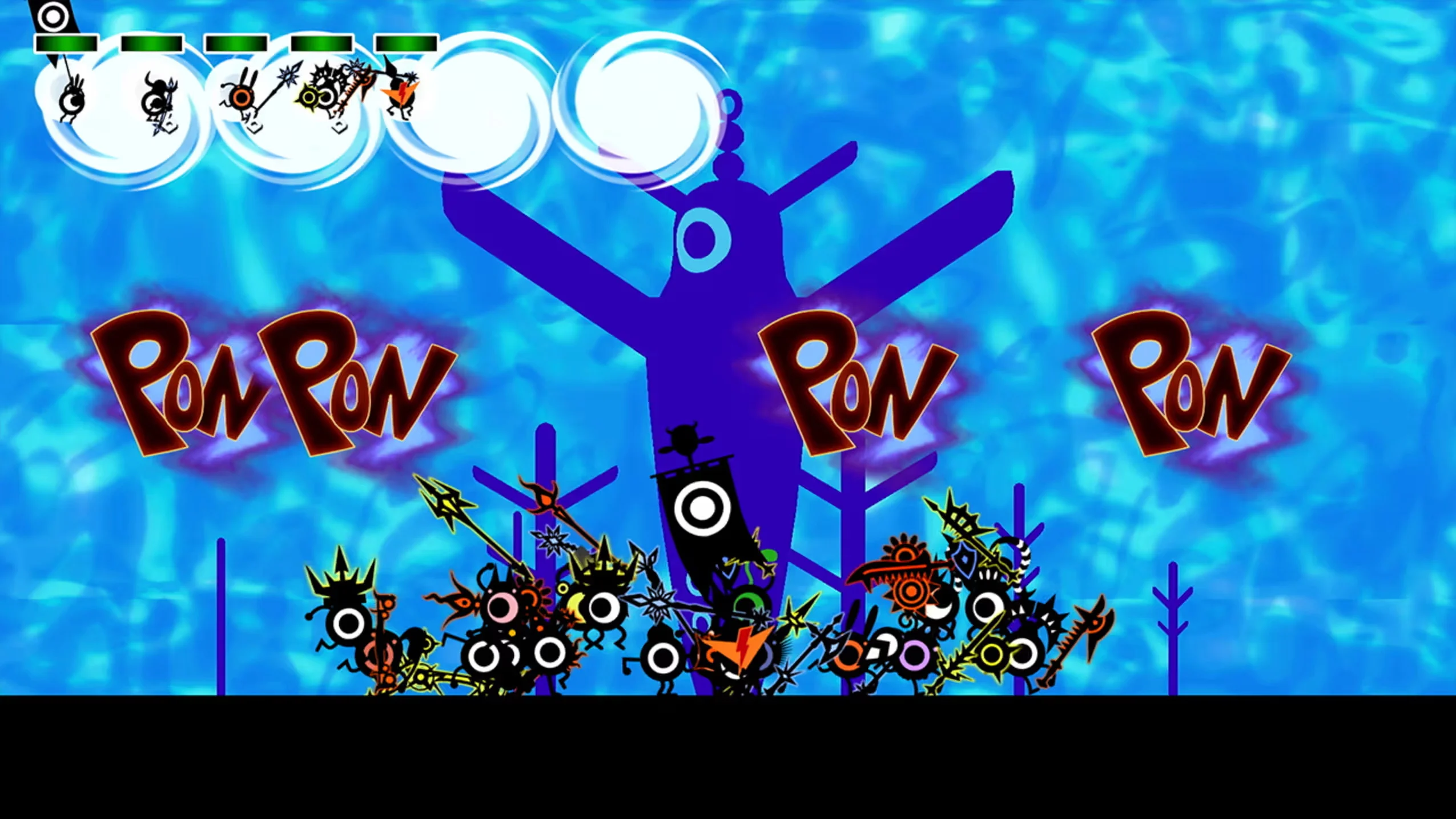
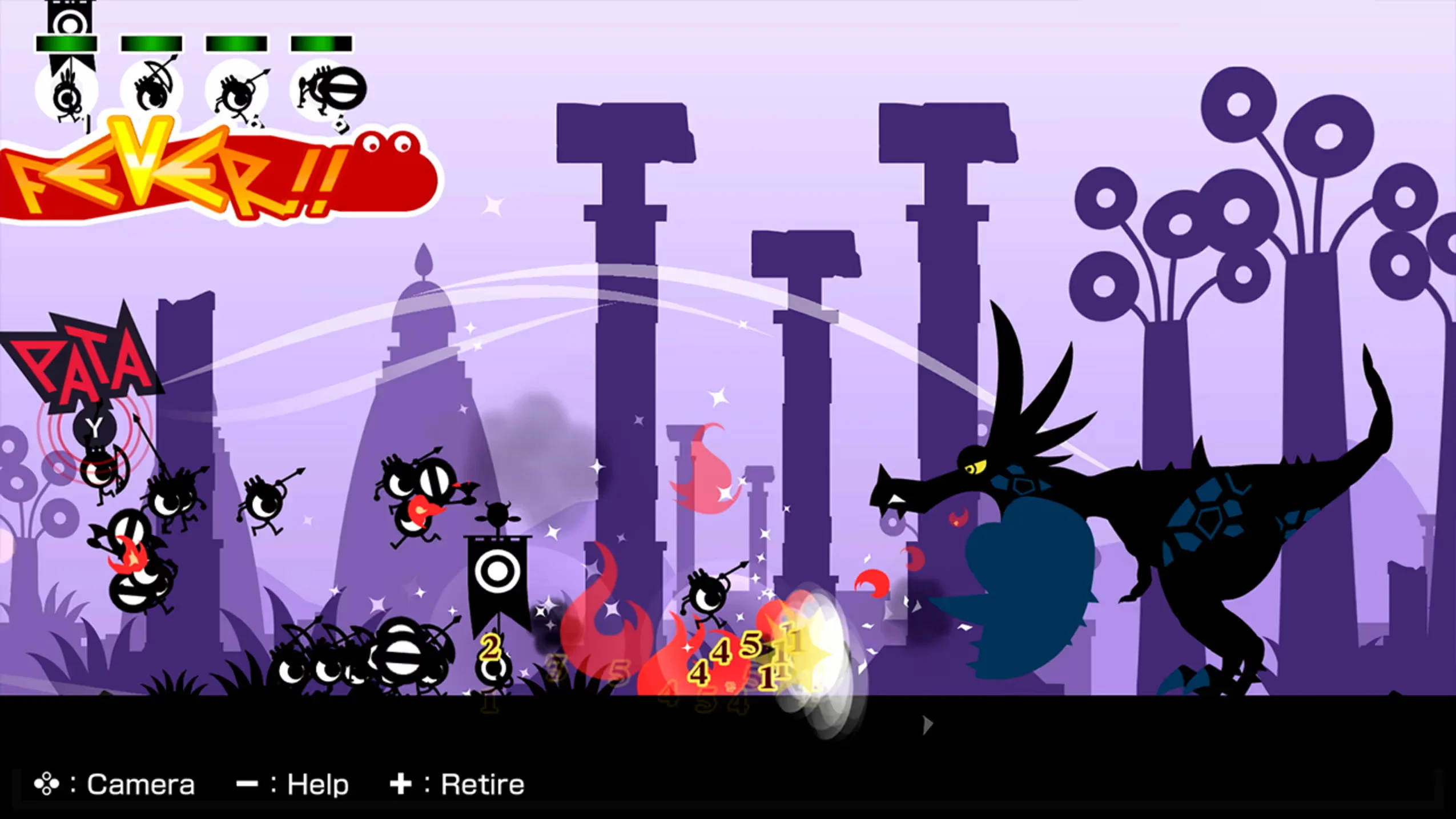
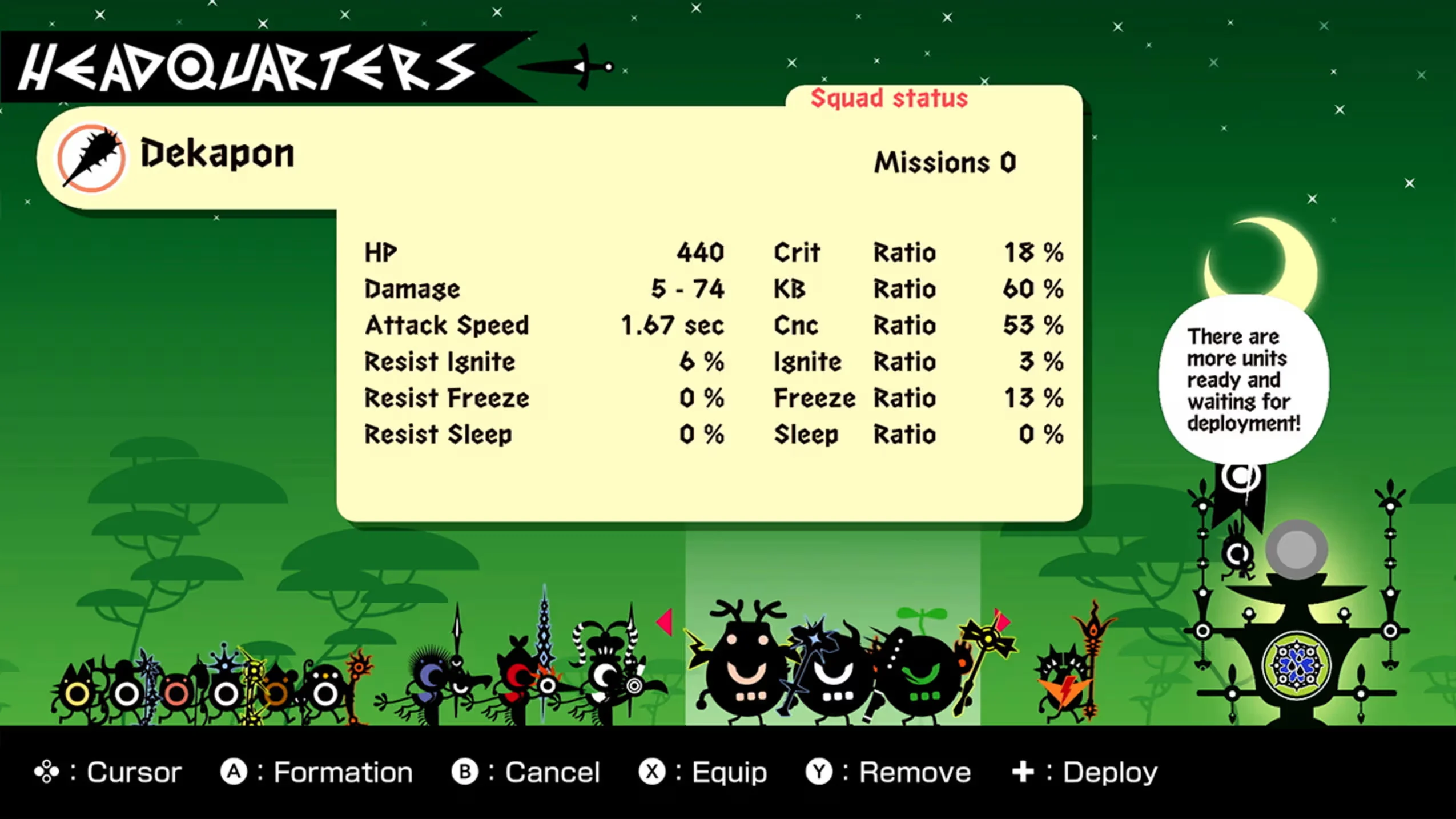
About Game
PATAPON 1+2 REPLAY Switch NSP brings the first two Patapon adventures together on Nintendo Switch in a compact action collection built around a remarkably distinctive idea: lead an army by keeping a beat. Published by Bandai Namco Entertainment and released on July 11, 2025, it pairs colorful marching armies, mythic goals, and demanding drum patterns in a format where timing is as important as tactical preparation. Enhanced visuals and smooth gameplay support a return to a world where every advance begins with a rhythm.
PATAPON 1+2 REPLAY: A Rhythm-Strategy Collection on Nintendo Switch
Patapon’s identity comes from the meeting point of rhythm strategy and real-time battlefield decision-making. The player serves as the God guiding the Patapons, issuing commands with four-beat drum sequences rather than direct movement inputs. A successful pattern sends the tribe onward; a mistimed one can interrupt its momentum at precisely the wrong moment.
That simple premise gives the collection an unusually immediate feel. Commands are musical, but they are never merely decorative. Marching, attacking, defending, and charging are tactical choices delivered through a steady pulse, so the action asks for concentration even when the screen is filled with playful eye-shaped warriors and lively animation. The presentation supports the strange charm of the setting without separating it from the game’s demands: the Patapons’ synchronized responses make the results of each correctly timed order easy to read.
For Nintendo Switch players, the collection gathers two connected games that share this command language while allowing the second adventure to build further on it. The result is suited to players who enjoy action games with a strong sense of tempo, strategic adjustment, and repeated attempts at difficult encounters.
The Patapons’ Quest for Earthend Across Two Adventures
The first game follows the Patapon tribe on its journey to Earthend, a legendary paradise said to offer a glimpse of “IT,” the mysterious object of their desire. Their route is not clear or peaceful. The Zigotons oppose them, while dangerous terrain, monsters, and other obstacles test the tribe’s determination. The journey gives the marching and fighting a sense of purpose: each new push forward is part of a larger pilgrimage.
Patapon 2 story continues that quest after disaster at sea. Following an encounter with a colossal sea monster, the Patapons are shipwrecked on an unfamiliar shore. New territory brings new dangers and new groups, including the Karmen and the Akumapons. The search for Earthend remains central, but the sequel broadens the journey with fresh allies, enemies, and strategic possibilities.
Across both adventures, the atmosphere balances determination with whimsy. The Patapons may be small and stylized, yet their march carries the weight of a people moving toward a long-held dream. That contrast helps the collection retain its personality during large boss battles and difficult stages alike.
Commanding an Army Through Sacred Drumbeats
The central loop is built on memorizing and performing the Patapon drum commands in time. The familiar sequence PATA PATA PATA PON orders the army to march, while PON PON PATA PON launches an attack. CHAKA CHAKA PATA PON calls for defense, and DON DON DON DON commands a charge.
These patterns turn rhythm action into a form of real-time strategy. Players need to recognize the battlefield, choose the appropriate instruction, and deliver it cleanly enough for the army to respond together. Marching too eagerly can expose the force, while a late defensive command may leave it vulnerable. Bosses and powerful enemies make this interaction especially important, requiring careful tactical choices alongside precise execution.
Maintaining the beat can lead to Fever Mode, which strengthens the army and enables more powerful actions. Divine Miracles, including rain and earthquakes, can be summoned by reaching Fever Mode and performing the required sequences. This creates a satisfying escalation: disciplined timing is not just a way to avoid mistakes, but a route to stronger options when the battle becomes more demanding.
Building a Balanced Patapon Fighting Force
Rhythm alone will not carry every stage. The Patapon army is made up of unit types with different roles, strengths, and weaknesses, making preparation an important part of the experience. A force that handles one encounter comfortably may need to be reworked for the next.
Yaripon spearmen provide one style of offense, while Tatepon shield bearers offer a more defensive role. Yumipon archers bring ranged attacks, and Kibapon cavalry add another distinct option to the formation. Choosing among these units is not simply about collecting more types; it is about building an army that can respond to the particular pressure of a stage or boss.
Weapons, armor, and helmets can be collected and upgraded to improve combat ability and survivability. This progression encourages experimentation. If an opponent is stopping the tribe’s advance, better equipment may help, but so can a different mix of unit roles. The strongest response is often a combination of sharper rhythm, smarter formation choices, and improved gear.
What Patapon 2 Adds to the Formula
The sequel preserves the familiar drum-command foundation while extending its strategic range. Its most notable addition is the Hero Patapon, a customizable character that can use different masks and classes. This adds another layer to army planning, allowing the player to consider not only the group’s composition but also the Hero Patapon’s role within it.
Patapon 2 also introduces new Patapon types and structures, expanding options in battle and resource management. The new shore is populated by additional tribes, including the Karmen and Akumapons, so the sequel’s progression is shaped by more than a simple repeat of the first game’s journey. It uses the same rhythmic language while giving players more tools with which to approach its challenges.
That makes the two-game structure meaningful rather than redundant. The first adventure establishes the appeal of commanding the tribe through sacred drumbeats; the second develops the idea with more customization and broader strategic choices.
Practical Rhythm and Army-Building Tips for Tough Stages
The collection rewards patience. Difficult encounters can expose a gap in timing, equipment, or army composition, and the most useful response is often to identify which one needs attention rather than relying on the same approach repeatedly.
- Learn the pulse: Practice the core drum patterns until marching, attacking, defending, and charging feel deliberate rather than rushed.
- Protect the beat: Consistent timing helps maintain momentum and can lead into Fever Mode, where the army gains access to stronger possibilities.
- Restart with purpose: If a stage goes badly, beginning again can be worthwhile when paired with a new plan instead of repeating the same mistakes.
- Change the formation: Try different unit combinations, using the distinct roles of Yaripon, Tatepon, Yumipon, and Kibapon to answer a specific challenge.
- Improve the equipment: Upgrade weapons, armor, and helmets when enemy damage or survivability becomes a problem.
- Save power for pressure: Use Fever Mode and Divine Miracles thoughtfully when a boss or major threat demands a stronger response.
PATAPON 1+2 REPLAY Switch NSP is most rewarding for players willing to treat each beat as both a musical cue and a battlefield order. Its two adventures offer a progression from the Patapons’ original march toward Earthend to a larger sequel journey shaped by shipwreck, new tribes, and expanded customization. The replay value comes naturally from tough stages, varied unit setups, gear upgrades, and the enduring challenge of keeping a whole army in perfect time.
Recommended Similar Games
 Nickelodeon All-Star Brawl 2 Switch NSPView Game
 Yacht Haven Tycoon: Marina Port Parking Simulator Switch NSPView Game
 Whisker Waters Switch NSPView Game
 Hotel Transylvania: Scary-Tale Adventures Switch NSPView Game
 Teenage Mutant Ninja Turtles Arcade: Wrath of the Mutants Switch NSP XCIView Game
 Warhammer 40000: Dakka Squadron FLYBOYZ EDITION Switch NSPView Game
