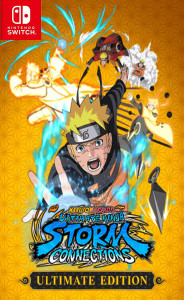
NARUTO X BORUTO Ultimate Ninja STORM CONNECTIONS Switch NSP XCI
Report Link Error
Select the broken download file, then submit the report.
Screenshots
About Game
NARUTO X BORUTO Ultimate Ninja STORM CONNECTIONS Switch NSP XCI brings an expansive ninja fighting experience to Nintendo Switch, pairing a large cross-generation character lineup with an original story focused on Boruto and a virtual-world conflict. Published by Bandai Namco Entertainment, this Action and Adventure release arrived on November 17, 2023. The JPN region release includes English, Japanese, and Indonesian language support, allowing the game’s familiar ninja world and new narrative material to reach players in several languages.
NARUTO X BORUTO Ultimate Ninja STORM CONNECTIONS at a Glance
Built around fast arena combat, NARUTO X BORUTO Ultimate Ninja STORM CONNECTIONS gathers characters and story material from the Naruto and Boruto generations in one Nintendo Switch release. Its focus is direct: large-scale ninja battles, recognizable jutsu, three-character teams, and a story that introduces new figures alongside established faces.
Bandai Namco Entertainment’s release sits in the Action and Adventure genres, but its central rhythm is competitive combat. Players can assemble squads, enter 3D arenas, use support characters, and trigger powerful special techniques. Simplified control options are also included, making jutsu execution more approachable for newcomers while preserving strategic choices around team construction, assists, timing, and attack selection.
The game supports local and online multiplayer, adding another reason to revisit its battles beyond story encounters. For players drawn to series history, the appeal comes from having Naruto characters and Boruto characters represented across multiple generations; for players seeking a newer thread, the original arc places Boruto at the center of a conflict involving two unfamiliar names: Nanashi and Merz.
A New Original Story Featuring Boruto, Nanashi, and Merz
The original story arc begins with Boruto meeting Nanashi, a young girl connected to a virtual world. That encounter leads into a larger conflict involving Merz, whose aims concern control over both the virtual world and the real one. The premise gives the story a distinct direction while keeping its focus on the relationships and rivalries expected from the ninja setting.
Nanashi and Merz are not merely background additions. Their involvement provides the foundation for a new narrative thread that intersects with the wider Naruto and Boruto world. Boruto’s role as the character who encounters Nanashi gives the story an immediate personal entry point, while Merz represents the opposing force driving the conflict forward.
The supplied story setup does not require an elaborate explanation to carry interest. A virtual-world meeting, a struggle that reaches beyond that space, and the presence of new allies and adversaries create room for familiar characters to appear within a different kind of threat. The result is an original storyline positioned alongside the franchise’s established narratives rather than a simple retelling.
Virtual Worlds, Connection, and Ninja Bonds
The original story arc uses the virtual world as more than a setting. It frames questions of connection between people, the relationship between virtual and real spaces, and the ninja bonds that remain important across generations. Those themes suit Boruto’s encounter with Nanashi, whose origin in a virtual world immediately places her in a different context from the series’ usual characters.
This approach gives the narrative a contemporary angle without abandoning its ninja-world identity. The conflict with Merz is explicitly tied to the virtual and real worlds, while the story’s emotional focus remains connected to the bonds between its characters. Familiar faces can therefore share space with new characters without the premise losing its sense of continuity.
For players interested in story material beyond remembered moments from Naruto and Boruto, this virtual-world thread is the game’s clearest new narrative proposition. It introduces an unfamiliar situation, then grounds it in the connections and conflicts that define the wider setting.
More Than 130 Playable Characters Across Generations
A roster of over 130 playable characters is one of the game’s major draws. The selection spans multiple generations of Naruto and Boruto, giving players access to a broad range of ninja fighters in a single package. That scale naturally encourages experimentation: a preferred character can be the starting point, but there are many possible teammates and matchups to test.
The roster is used in three-person squads for tag-team battles. This makes selection about more than choosing a single favorite. Players can build around complementary styles, choose support characters that fit a plan, and adjust teams when a particular matchup proves difficult. The large number of available Naruto characters and Boruto characters supports both personal attachment and practical combat variety.
It also gives multiplayer sessions a flexible character. Local and online matches can become a space for trying different squad combinations rather than repeatedly relying on one setup. The game’s replay value is tied less to a stated progression system than to this roster scale, team experimentation, and the ongoing challenge of improving battle decisions.
Dynamic 3D Arena Combat and Jutsu Attacks
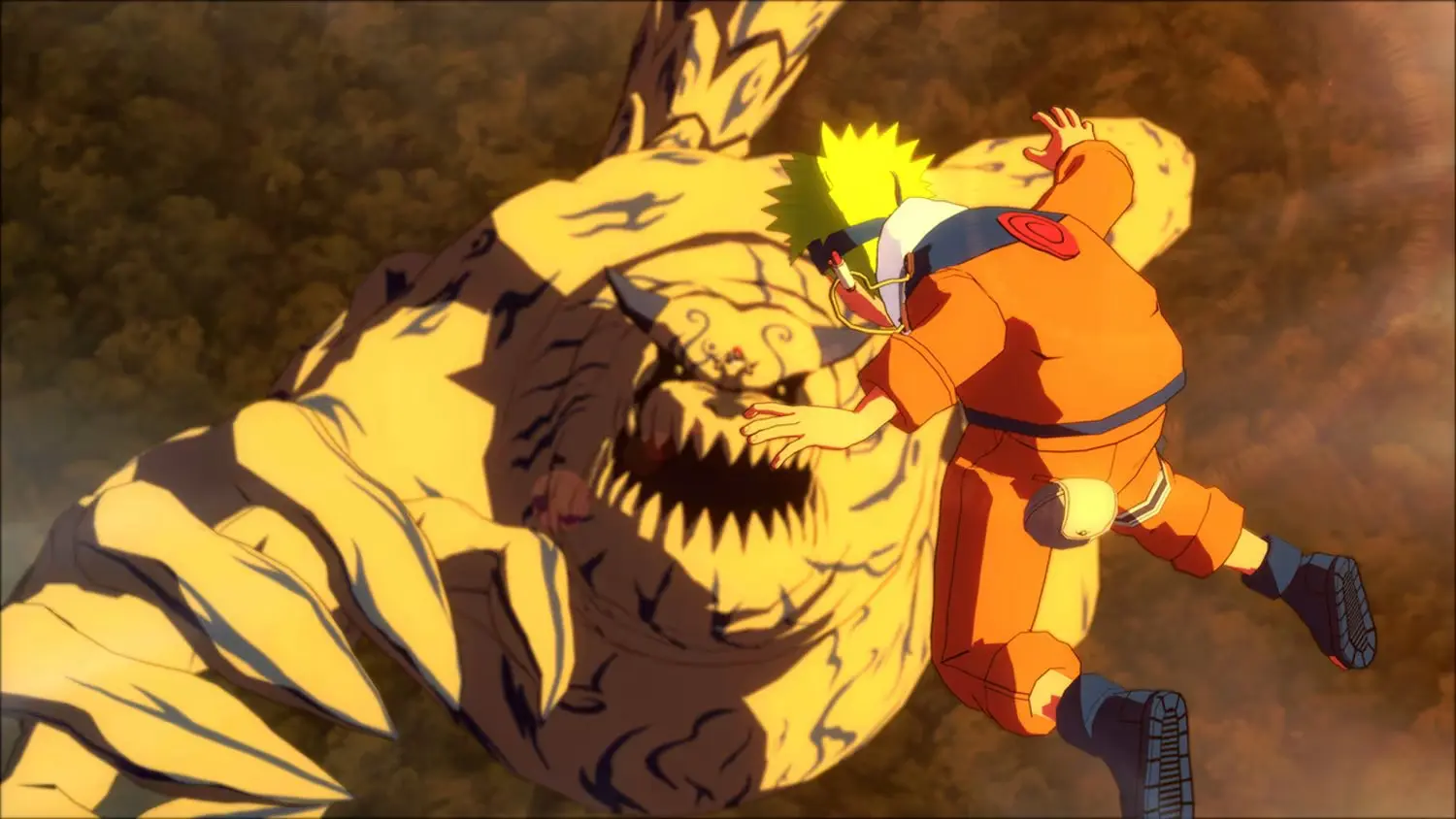
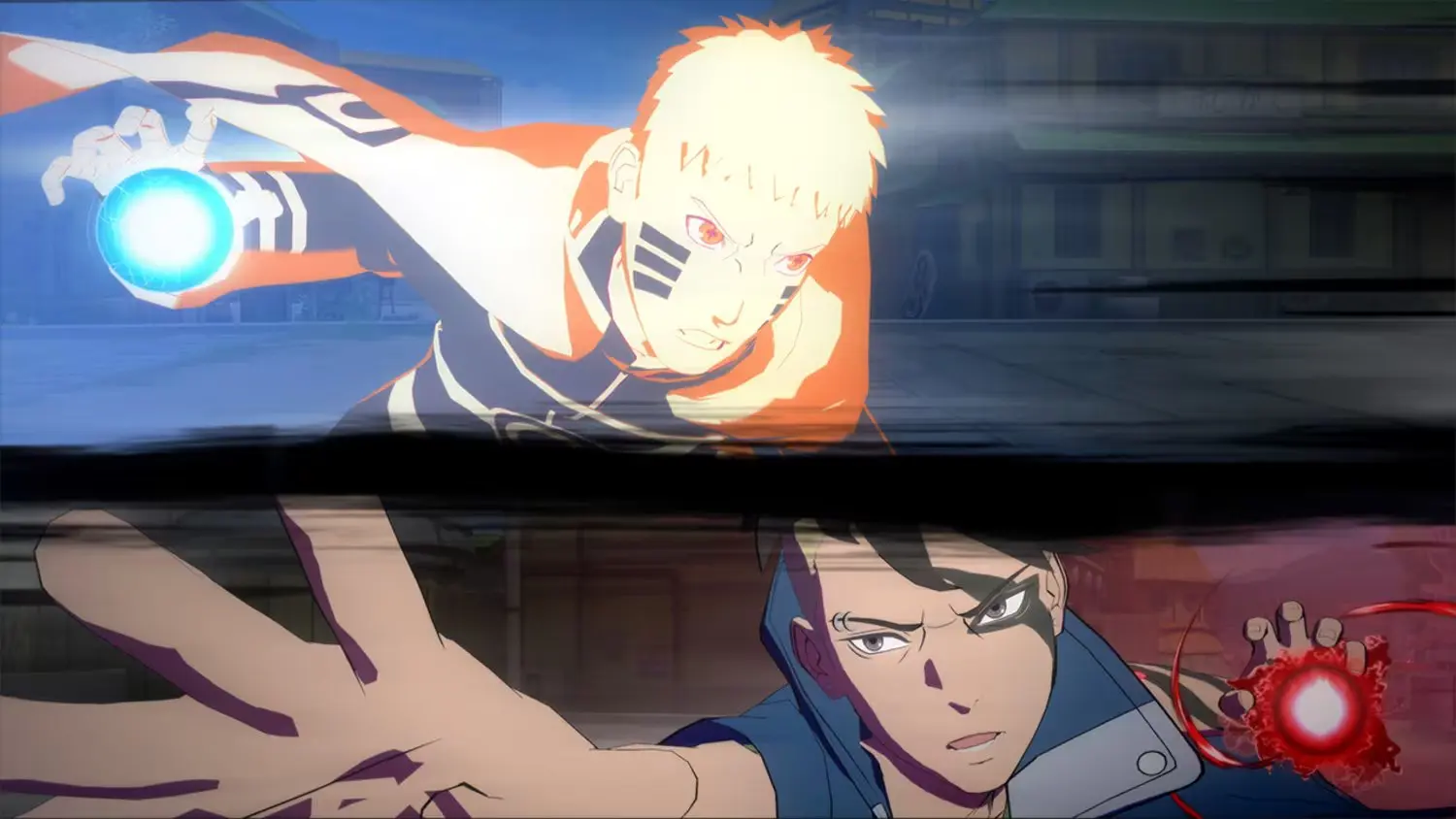
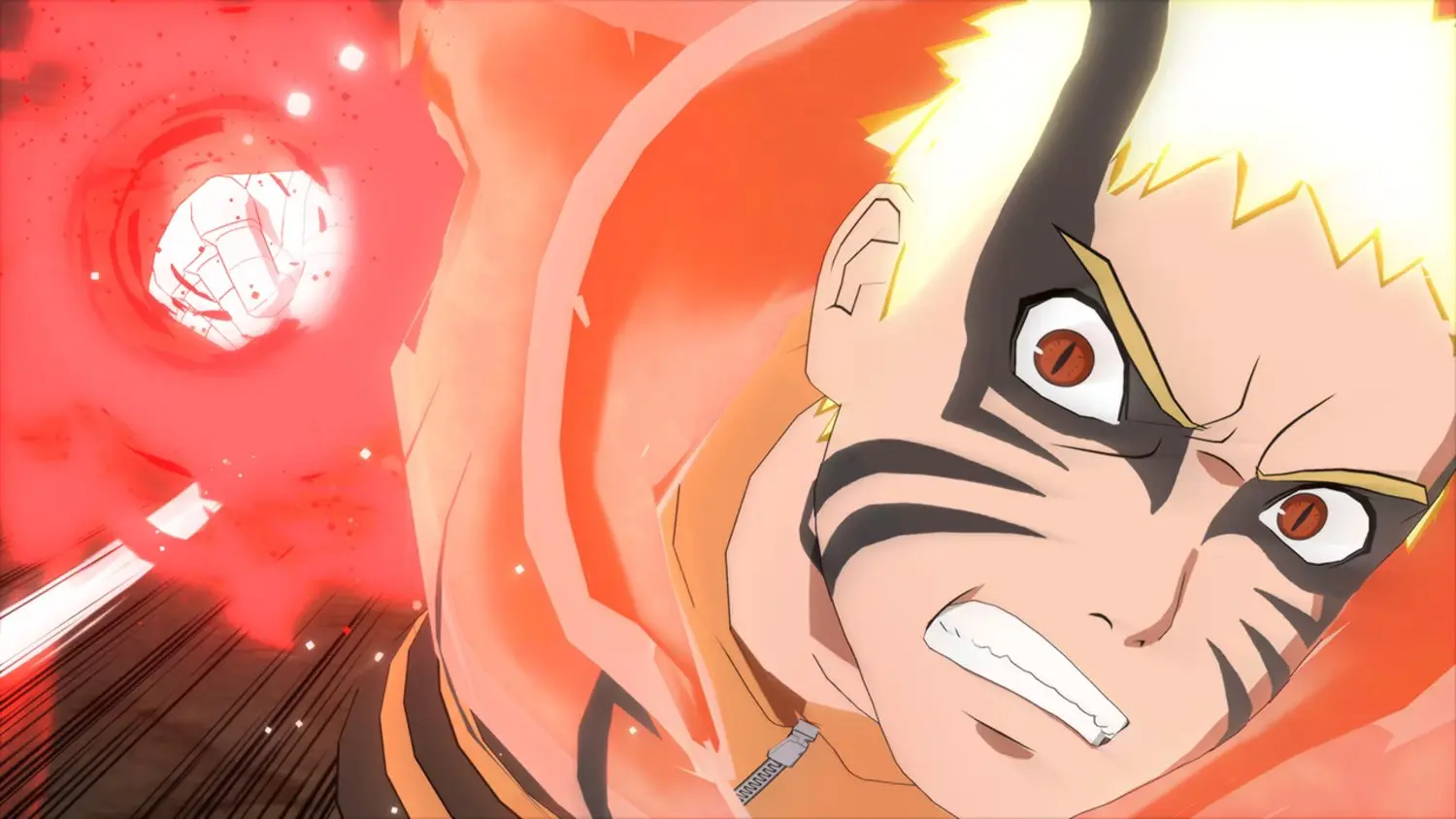
The battles unfold in dynamic 3D arenas, where movement, pressure, and timing shape each exchange. Combat combines jutsu, combo attacks, support actions, awakening modes, and ultimate jutsu. These tools give matches a fast pace, but they also ask players to make decisions about when to commit, when to create distance, and when to call on a teammate.
Simplified controls lower the barrier to performing jutsu and special techniques, which is useful for players learning the system. Accessibility does not remove the value of strategy, however. A strong attack still depends on finding the right opening, while a support assist can influence the flow of a fight by extending pressure or helping a player recover from danger.
The presentation is built around recognizable ninja techniques and dramatic special attacks. Awakening modes and ultimate jutsu provide major moments within a match, while the 3D arena format keeps opponents in motion. This is suitable for players who enjoy anime-inspired fighting action, large character selections, and combat that rewards both quick reactions and measured choices.
5 Combat Priorities for Stronger Ninja Battles
- Know your fighter. Learn each chosen character’s strengths and weaknesses before expecting consistent results. A preferred ninja may be powerful in one situation but less effective in another.
- Build for synergy. Test different three-character combinations to find a team whose abilities work well together. The large roster makes experimentation a meaningful part of combat strategy.
- Use support assists. Support characters are active tactical tools. Their assist skills can help create pressure, extend an opportunity, or provide help when an opponent is threatening a powerful sequence.
- Create the opening. Do not rely only on immediate attacks. Use movement, combos, jutsu, and team pressure to make room for a more damaging follow-up or an ultimate jutsu.
- Respect big attacks. Awakening modes and other powerful techniques can quickly change a match. Stay alert to an opponent’s momentum and respond rather than committing carelessly.