Monster Train 2 Switch NSP
Report Link Error
Select the broken download file, then submit the report.
Screenshots
About Game
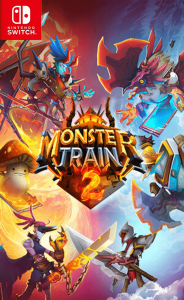
Monster Train 2 Switch NSP brings a roguelike deckbuilding journey to Nintendo Switch, built around defensive battles, shifting routes, and repeated attempts to reclaim a frozen underworld. The USA release is dated May 21, 2025, and the game frames every run as another push aboard a mystical train carrying Hell’s final burning Pyre.
Monster Train 2 on Nintendo Switch: Release Details and Supported Languages
Published by Big Fan Games, Monster Train 2 is classified as a roguelike and deckbuilder. Its Nintendo Switch release is listed for the USA region on May 21, 2025. That pairing of genres is important to the game’s structure: players construct and refine a card deck during a run, while the larger challenge changes through routes, rewards, enemy groups, events, and strategic decisions.
The language support is broad. Monster Train 2 languages include English, French, German, Spanish, Italian, Portuguese, Dutch, Japanese, Simplified Chinese, Traditional Chinese, Russian, and Korean. That range makes the Switch edition accessible to players across several regions and language preferences while keeping the focus on the same tactical loop of card play, unit placement, and Pyre defense.
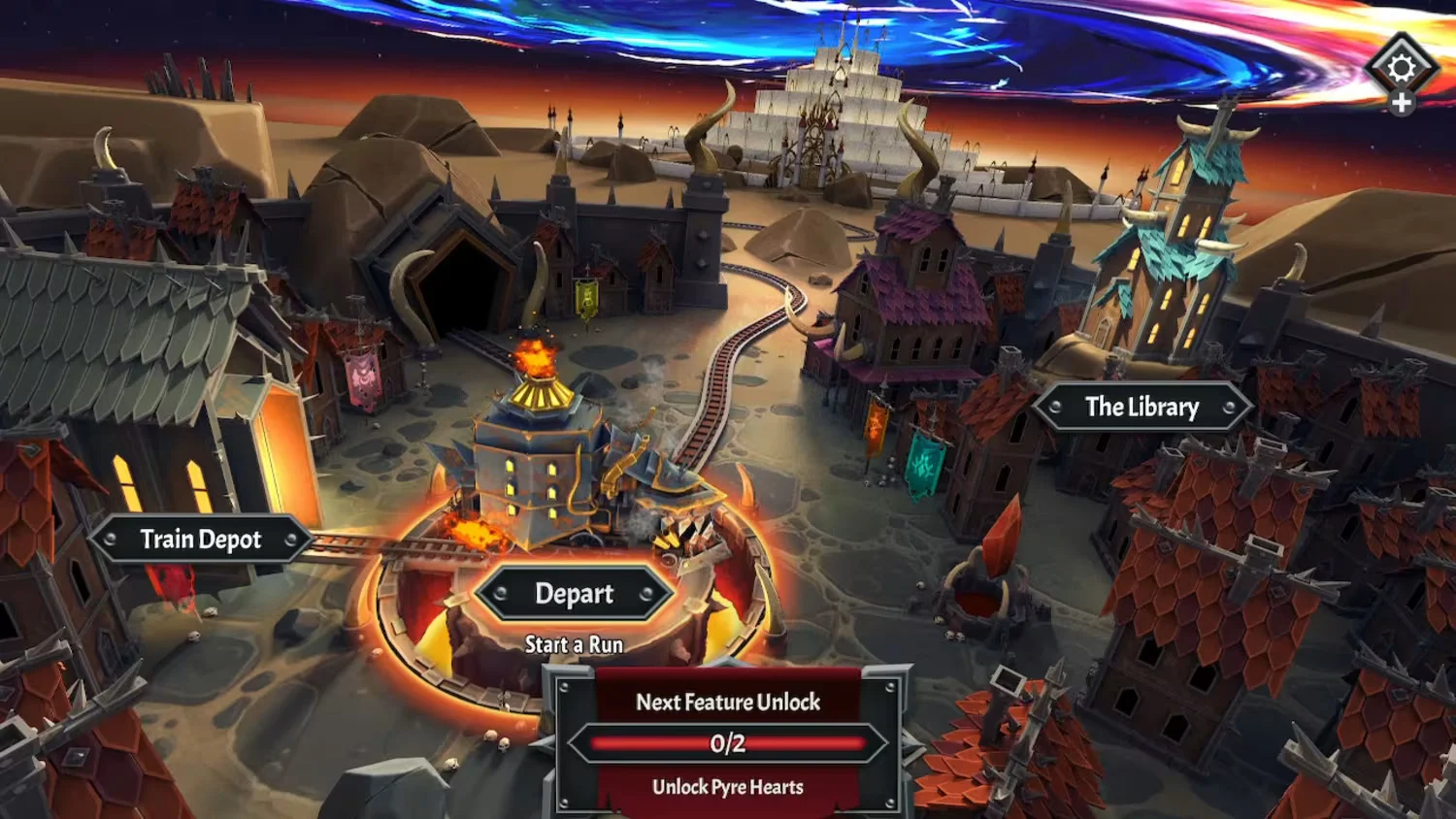
The premise has a suitably dramatic scale. Hell has frozen, and the train is not simply a setting for a series of battles: it is the last moving refuge for the forces trying to protect their world. Progress through its rings carries the player closer to renewed conflict, with each run asking for a different response to the dangers ahead.
A Roguelike Deckbuilder Set Aboard Hell’s Last Train
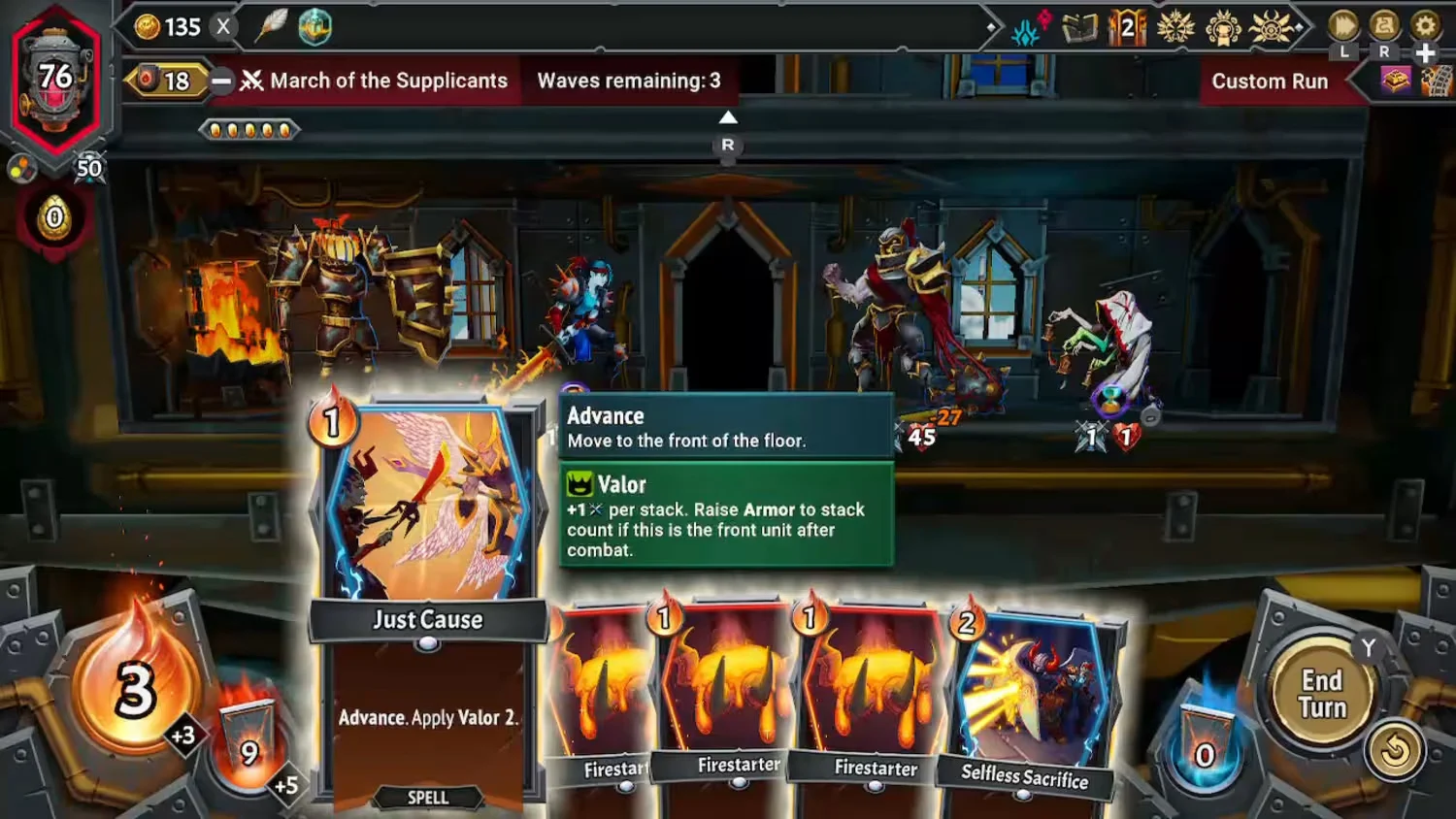
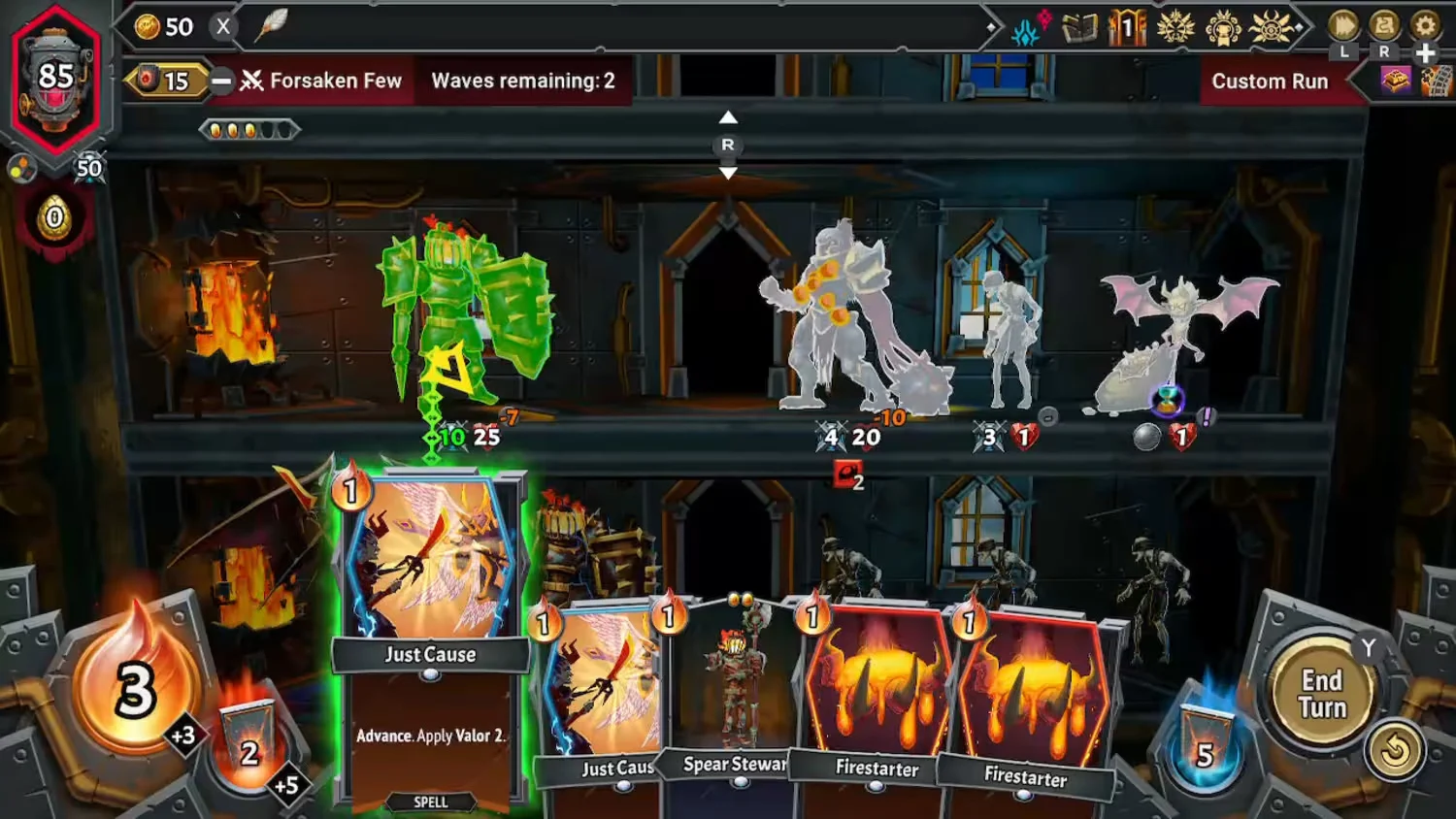
Monster Train 2 Switch NSP centers on a fight to keep the burning Pyre alive. Angelic invaders advance toward it, and the player must use cards to summon units, cast spells, and strengthen defenses before those enemies can reach their objective. Battles unfold across multiple train-car levels, giving position a major role alongside the contents of a deck.
The setting supports the gameplay well. The train travels through rings of a frozen underworld, creating an atmosphere where survival feels provisional and every victory serves a larger attempt to restart Hell. The train’s floors become layers of defense, where a unit’s placement can matter as much as its raw power. Spells can alter the immediate situation, while summoned monsters establish the lines that enemies must break through.
Players choose from distinct monster clans, each with its own units and playstyle. Decks can include unit summons, spells, and artifacts, while monster units can evolve as a run develops. The result is a system that encourages combinations rather than isolated card choices. A card that appears limited on its own may become useful when it supports a particular clan pairing, unit placement, or defensive plan.
Map Decisions, Upgrades, and Risk Management Between Battles
Combat is only one part of the run. Between encounters, the map presents decisions about routes, upgrades, and relics. These choices shape the deck and the train’s defenses before the next fight begins. An upgrade may improve an existing plan, while a relic can add another useful effect to a developing strategy.
- Pick a direction: Map routes determine which opportunities and challenges come next.
- Improve the deck: New cards and upgrades can reinforce a focused strategy.
- Seek relics: Artifacts offer another layer of effects to combine with cards and units.
- Accept the risk: A difficult path may offer stronger rewards, but it can also threaten the run.
- Plan ahead: The value of a choice depends on upcoming battles, available resources, and the deck already taking shape.
This is where the roguelike strategy gains much of its tension. It is not enough to win the current encounter; choices should also prepare for harder opponents later. Resource management and deck synergy matter because an appealing short-term reward may not solve a later defensive problem. The game’s structure gives players room to experiment with clan combinations and card selections, but it also asks them to recognize when a route is too dangerous for their current position.
Boss Encounters and the Pressure of Escalating Enemy Waves
Enemy waves test a deck’s ability to respond before the Pyre is exposed. As the run continues, opponents become tougher, raising the importance of effective defenses, sensible resource use, and the ability to adapt when a familiar plan no longer works. Multi-level combat adds another demand: players must decide where units will have the greatest impact as enemies move through the train.
Bosses arrive at the end of each ring and require more than routine card play. Their unique abilities call for specific strategic responses, making them a serious test of what the player has built. A deck that handles ordinary waves may still struggle if its units are poorly positioned, if its spells are saved for the wrong moment, or if its defenses cannot sustain pressure across multiple floors.
The Pyre gives every battle a clear point of tension. It is both the objective being defended and the measure of how much room remains for error. Strong combinations of cards, artifacts, upgraded units, and careful placement can hold an enemy advance, but the escalating challenge means that a successful run depends on more than finding a single powerful option.
Why Repeated Runs Reveal More of Monster Train 2’s World
Monster Train 2 does not present its story as a single linear path. Instead, its underworld conflict unfolds through repeated attempts to restart Hell. Each run can bring character encounters, difficult choices, and random events that add context to the larger struggle. This approach ties narrative discovery to the same cycle that drives progression in play.
That structure gives failure and renewal a purpose beyond simply beginning again. A fresh attempt can introduce different routes, cards, modifiers, factions, or events, creating another chapter in the defense of the burning Pyre. The game’s replay value comes from this combination of shifting tactical circumstances and gradual discoveries about the frozen underworld.
It is particularly suited to players who enjoy deliberate deckbuilding, experimentation with card synergies, and runs shaped by consequential choices. The challenge is not presented as a fixed sequence to memorize. It asks players to revise their plans as rewards, threats, and opportunities change.
Monster Train 2 Switch Technical Profile: Title ID, Firmware, and File Size
The verified Nintendo Switch metadata lists Title ID 010051701FB46000. The required firmware version is 19.0.0, and the listed file size is 1.37 GB. Alongside the USA release date of May 21, 2025, these details identify the specific Switch edition covered here.
For players interested in a strategic run-based game, Monster Train 2 combines its train-bound setting with layered combat, route decisions, evolving decks, boss pressure, and a story that reveals itself gradually through repeated journeys into the icy depths of Hell.
