Monark Switch NSP XCI
Report Link Error
Select the broken download file, then submit the report.
Screenshots
About Game
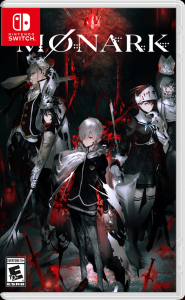
Monark Switch NSP XCI points to a dark RPG from FuRyu, built around psychological pressure, school-bound mystery, and tactical fights in which a reckless decision can have consequences. Set inside the unsettling Shin Mikado Academy, the game frames its conflict around a strange mist, supernatural awakenings, and students pushed toward madness. Its appeal lies less in simple power fantasy than in the tension between careful planning and dangerous escalation.
Monark on Nintendo Switch: Release Details and Version Context
Monark is a FuRyu-developed and FuRyu-published RPG released on October 14, 2021. The Switch version is associated with the USA and Asia regions and supports English, Japanese, Korean, Taiwanese, and Chinese language options. Its Title ID is 0100958015656000.
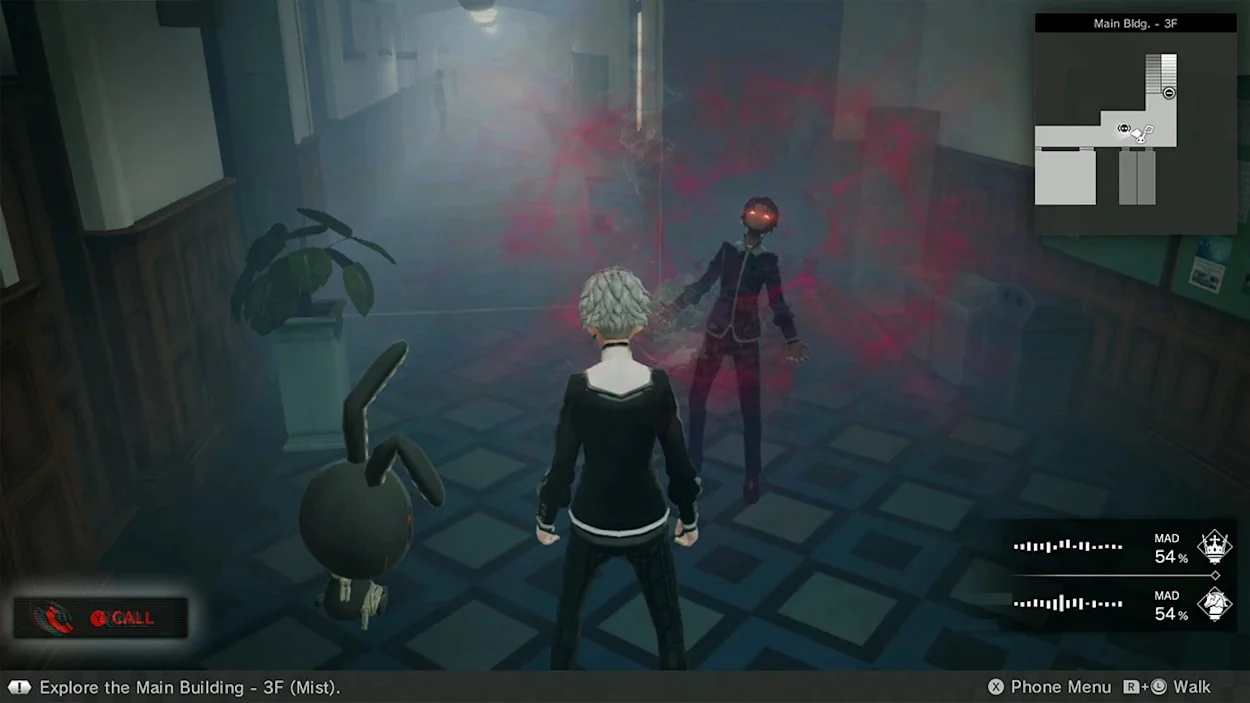
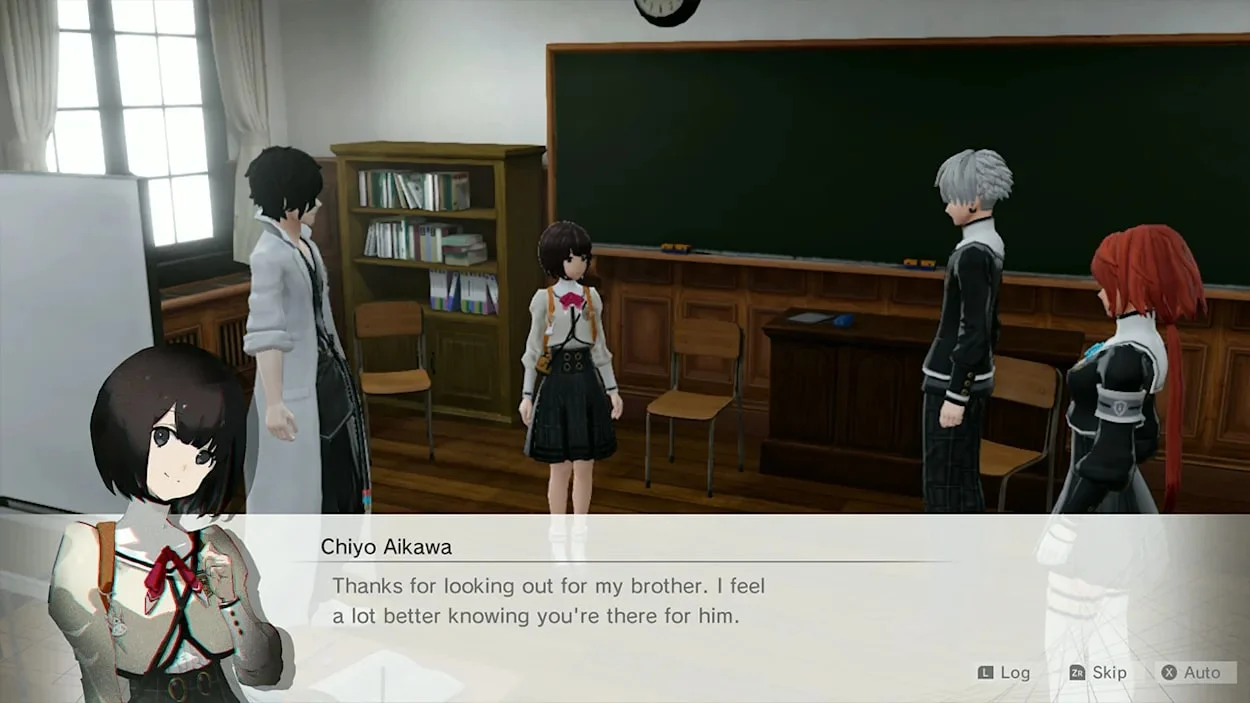
The game’s central setting is Shin Mikado Academy, a school isolated by a mysterious mist. The phenomenon traps students and causes disturbing changes, including madness and the emergence of supernatural power. The protagonist awakens in the middle of this crisis and becomes involved in fighting Pactbearers, creatures connected to the seven deadly sins. Breaking the pacts behind the academy’s disaster becomes the driving purpose of the journey.
This is a FuRyu RPG with a deliberately uneasy atmosphere. The academy is not presented as a comfortable social space; it is a place to investigate, navigate cautiously, and gradually understand through its anomalies, characters, and concealed history. Psychological themes and existential dread shape the story’s tone as much as the battles do.
How Grid-Based Turn-Based Battles Shape Monark
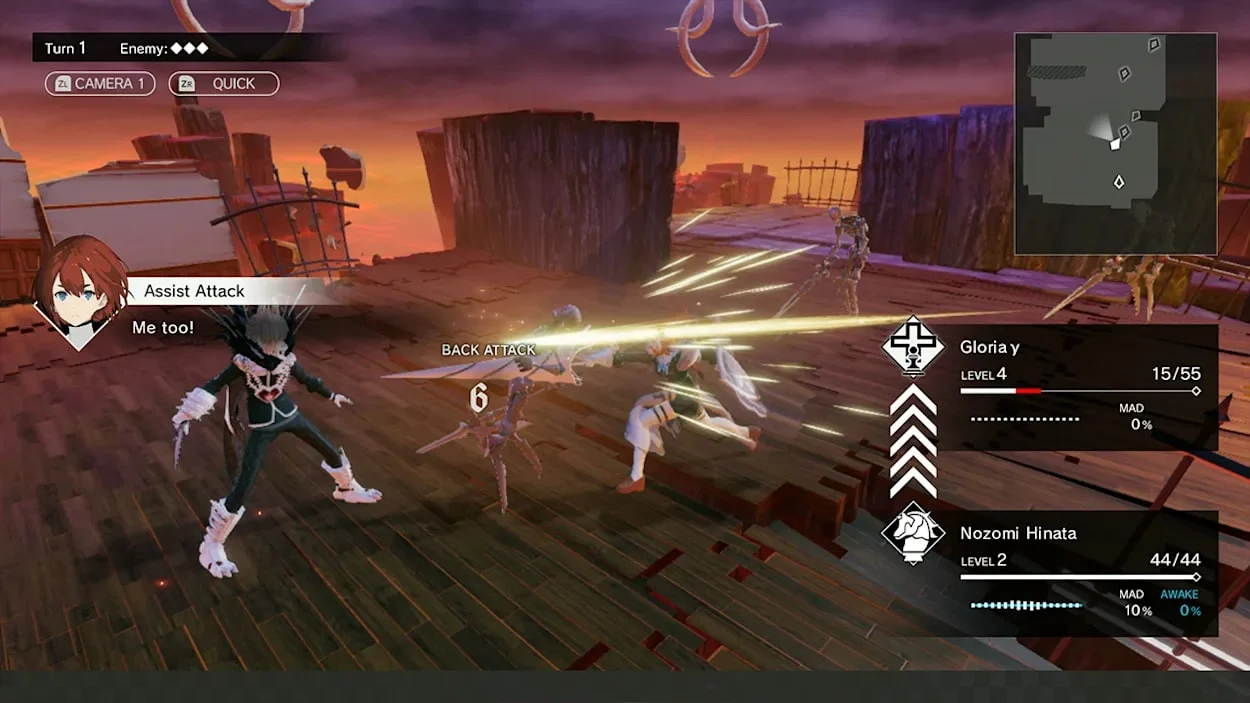
Monark combat uses grid-based, turn-based encounters, making placement an important part of every exchange. The system asks players to think about where units stand, which skills they use, and what threats are nearby before committing to a move. Advancing without considering the battlefield can leave allies exposed or waste an opportunity to control the flow of an encounter.
Enemy awareness matters because combat is not only about selecting the strongest available action. Positioning can influence who is threatened, who can act effectively, and how safely a party can pursue an objective. Skills also need to be chosen with the immediate state of the battle in mind, rather than used automatically.
The protagonist can command demon allies known as Fiends through Authority Abilities. Each Fiend has distinct skills and personalities, adding another layer to planning. This gives Monark strategy battles a more character-driven dimension: the player is managing not merely positions on a grid, but a set of abilities tied to allies with different combat roles.
The result is a turn-based RPG structure that rewards patience. A fight can become more manageable when players pause, assess opponents, and decide how their team’s skills and placements fit together. The tactical foundation also supports the game’s broader mood, where pressure is constant and poor judgment can be costly.
Understanding the Madness System’s Risk and Reward
The Monark Madness system is the game’s clearest expression of risk and reward. A character’s madness can rise as limits are pushed in battle. Greater madness can open access to stronger options, creating a tempting reason to accept more strain when a difficult fight demands it.
That power is not without danger. Excessive madness risks a mental breakdown, so the system calls for restraint as well as aggression. The useful question is not simply how to raise madness, but when the advantage of a powerful action is worth the possibility of losing control. This turns sanity into an active tactical concern rather than a purely narrative idea.
For Monark battle strategy, this creates a changing rhythm. A player may choose to hold back and preserve stability, then deliberately push toward a stronger option when the situation is favorable. The best use of madness depends on positioning, enemy pressure, available skills, and the current condition of the party. It is a system that fits the game’s premise: supernatural strength and psychological strain are closely connected.
Ego Development, Choices, and Character Growth
Monark’s progression extends beyond combat numbers through its Ego development system. Player choices shape the protagonist’s personality, with those decisions influencing abilities and growth over the course of the story. This places personal direction alongside tactical decision-making, reinforcing the game’s focus on identity and mental resolve.
The narrative asks the player to confront the academy’s secrets, the condition of companions, and the causes behind the surrounding chaos. Decisions and relationships can affect potential outcomes, giving the story multiple endings. That structure adds replay value for players interested in seeing how different choices and character connections can alter the result.
The exact keyword Monark Switch NSP XCI may draw attention to the Switch release, but the more meaningful context is this combination of tactical progression and choice-based development. The protagonist’s growth is not separated from the story’s themes. Personality, abilities, and possible conclusions are all connected to the player’s path through the academy’s crisis.
Exploring the Academy: Puzzles, Clues, and Hidden Areas
Exploration provides the space between battles for Monark’s mystery to unfold. Shin Mikado Academy contains environments to investigate, NPCs to speak with, puzzles to solve, and hidden areas to uncover. These activities support the central effort to piece together what has happened to the school and the people trapped inside it.
Careful investigation is valuable because clues may be found through the environment and through conversations. The academy’s eerie presentation works best when players take time to examine their surroundings rather than treating it as a simple route between combat encounters. Its dark secrets are part of the progression, not merely background decoration.
The school setting also gives the game a focused sense of place. Instead of moving through an abstract series of battles, players repeatedly return to a location defined by confinement, strange phenomena, and unresolved questions. Puzzles and hidden discoveries make exploration feel tied to the larger mystery surrounding the mist and the Pactbearers.
5 Strategic Priorities for New Monark Players
- Plan before acting. Review the battlefield before rushing into combat, since turn order, enemy presence, and available actions can change the value of a move.
- Protect your positioning. Grid placement is central to Monark combat. Keep allies in useful spaces and avoid exposing them carelessly when opponents can respond.
- Choose skills for the situation. Consider the abilities of the protagonist, allies, and Fiends rather than relying on one repeated approach in every encounter.
- Manage madness deliberately. Rising madness can provide powerful options, but a breakdown is a serious risk. Push the system when the benefit is clear, not simply because power is available.
- Investigate the academy closely. Speak with NPCs, examine areas, work through puzzles, and look for hidden spaces. The clues found around Shin Mikado Academy help build a clearer picture of its mystery.
Monark is suited to players who enjoy tactical RPG battles with meaningful positioning, unsettling school-horror atmosphere, and stories that link character choices to progression and endings. Its systems ask for attention: to the battlefield, to the protagonist’s mental state, and to the clues scattered through the academy’s shadowed halls.