Metroid Prime Remastered Switch NSP
Report Link Error
Select the broken download file, then submit the report.
Screenshots
About Game
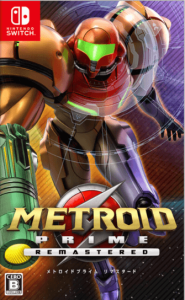
Metroid Prime Remastered Switch NSP brings Samus Aran’s first-person mission on Tallon IV to Nintendo Switch with redesigned visuals and modernized controls. Released on February 8, 2023, this action-adventure returns to a planet shaped by Space Pirate activity, dangerous wildlife, ancient Chozo history, and the corrupting influence of Phazon. It is a focused, atmospheric journey for players revisiting a familiar mission as well as those encountering Tallon IV for the first time.
Metroid Prime Remastered on Nintendo Switch: A Return to Tallon IV
Metroid Prime Remastered places players inside Samus’s Power Suit rather than simply behind her. The first-person view makes Tallon IV feel immediate: corridors invite scrutiny, distant movement can suggest danger, and each new room carries the possibility of a route, a threat, or a clue.
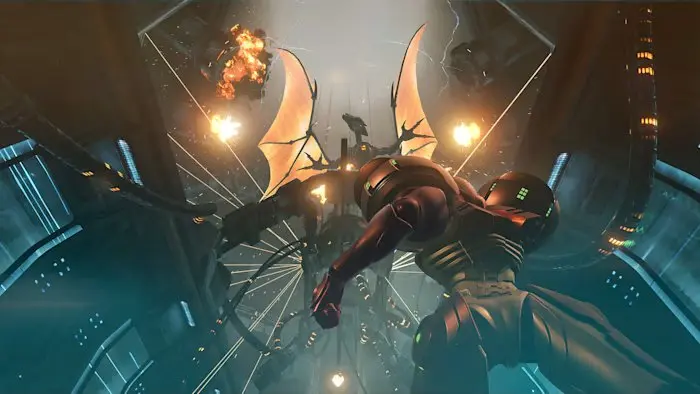
The adventure begins when Samus responds to a distress signal from a Space Pirate frigate orbiting Tallon IV. The frigate is already overrun and headed for destruction, but its trail leads Samus down to the planet below. There, the Space Pirates are exploiting Phazon, a volatile mutagenic substance that has affected Tallon IV and many of its creatures.
The story unfolds through the journey rather than long interruptions. Environmental details, scan information, ancient Chozo lore, encounters with hostile life, and the remains of Space Pirate activity gradually build a picture of the planet’s past and its present danger. That approach gives exploration narrative weight: moving deeper into Tallon IV also means learning more about what happened there.
How First-Person Exploration Shapes the Adventure
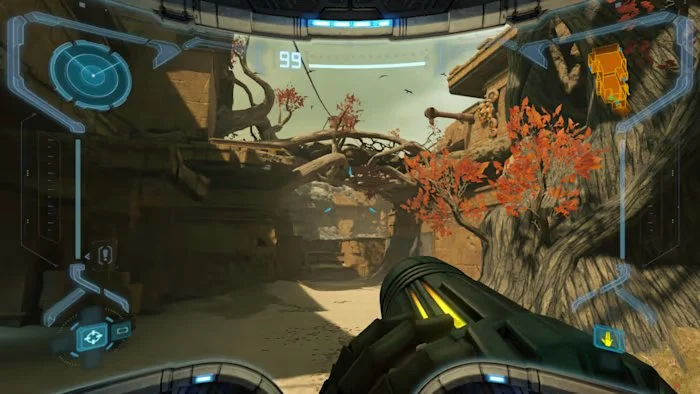
This is a first-person adventure built around interconnected environments. Tallon IV is divided into distinctive areas, including lush forest spaces and volcanic caverns, but progress does not move in a simple straight line. Paths encountered early may remain unreachable until Samus gains the right ability, turning memory and observation into important parts of exploration.
That structure rewards players who notice suspicious ledges, sealed doors, narrow passages, and unusual environmental features. A route that appears to be a dead end can become meaningful later, while a newly acquired power-up may alter how an older location is read. Revisiting places is not filler; it is part of the rhythm of the game.
The first-person perspective also supports the atmosphere. Tallon IV is not presented as a collection of separate arenas. Its locations feel connected by the evidence left behind: alien ruins, industrial Space Pirate facilities, natural hazards, and creatures changed by Phazon. The result is an adventure that balances forward momentum with the quieter satisfaction of investigating a place thoroughly.
For returning players, this design gives familiar routes fresh value through closer inspection and cleaner navigation. For newcomers, it provides a clear reason to slow down. Exploration is not separate from the main goal; it is how Samus finds the tools and knowledge needed to continue.
Refined Controls and Enhanced Visual Presentation
The remaster updates the presentation with enhanced graphics while retaining the first-person action-adventure identity of the original journey. Tallon IV’s varied environments benefit from the redesigned visual treatment, helping forests, caverns, ruins, and technological spaces carry their own mood without losing their place in the larger world.
Refined controls are equally important to the return. Aiming and movement have been modernized for Nintendo Switch, making the act of scanning, navigating, and responding to enemies more intuitive. In a game that moves between environmental examination and sudden combat, that responsiveness matters. Samus needs to be able to shift attention from a possible secret to an immediate threat without the experience feeling disconnected.
The visual and control updates serve the same purpose: they make it easier to inhabit the adventure. Enhanced presentation supports the tension of dark corridors and unfamiliar creatures, while improved movement and aiming support the demands of first-person action. The remaster does not treat exploration as a pause between fights. It makes looking, moving, and fighting parts of the same experience.
Samus’s Essential Tools: Arm Cannon, Visors, and Morph Ball
Samus’s equipment gives the adventure its range. Her arm cannon is the foundation of combat, with beam weapons providing options against different threats. Encounters ask players to remain alert to movement, positioning, and enemy behavior rather than simply pushing forward through every room.
Visor modes expand what can be understood from the environment. The Scan Visor can reveal information about creatures, objects, and the world around Samus, while the Thermal Visor offers another tactical way to assess situations. These tools reinforce the game’s investigative tone. Information is useful not only for lore, but also for locating hidden pathways and recognizing enemy weaknesses.
The Morph Ball changes both movement and puzzle-solving. By transforming into the compact form, Samus can pass through tight spaces that are inaccessible in her usual form. Morph Ball routes and ball-focused puzzles ensure that traversal remains varied, even after a location has been visited before.
In Metroid Prime Remastered Switch NSP, these systems work together cleanly. Combat tools handle danger, visors provide insight, and the Morph Ball opens alternate forms of movement. None of them exists in isolation; each encourages players to reconsider the spaces around them.
Five Ways Progression Encourages Thorough Exploration
- Collecting upgrades: Suit upgrades and power-ups expand Samus’s abilities, giving each major discovery a practical purpose beyond a simple increase in strength.
- Opening routes: New abilities allow access to areas that were previously out of reach, making earlier obstacles feel like future opportunities rather than permanent barriers.
- Finding hidden paths: Careful observation, scanning, and revisiting environments can reveal routes that are easy to miss during an initial pass.
- Solving puzzles: Environmental challenges and Morph Ball-focused puzzles break up combat while asking players to apply Samus’s tools in different ways.
- Preparing for threats: Additional power-ups and a stronger understanding of the world help ready Samus for more demanding alien creatures and boss encounters.
This progression loop supports replay value without requiring the game to abandon its atmosphere. Players who remember an inaccessible door or an overlooked passage have a reason to return, while first-time explorers are encouraged to build a mental map of Tallon IV. Curiosity is consistently rewarded with access, information, or a better chance against what lies ahead.
Boss Battles, Alien Creatures, and the Challenge of Tallon IV
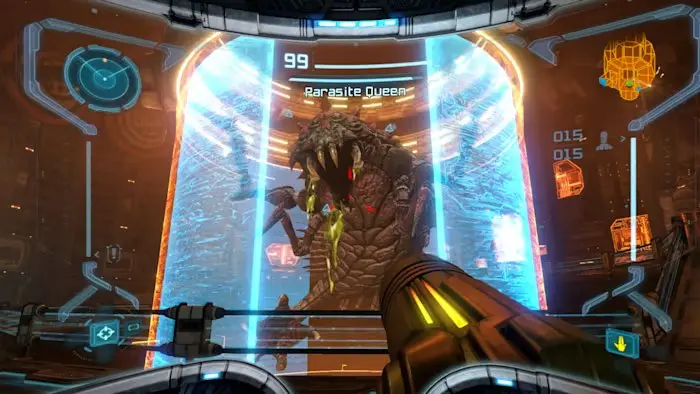
Tallon IV is hostile in ways that go beyond its architecture. Samus faces a diverse range of alien creatures, many tied to the planet’s corruption and the Space Pirates’ Phazon experiments. Regular combat keeps movement through the world tense, but formidable boss battles provide the clearest tests of combat strategy.
These larger encounters ask players to use the tools they have collected and the information they can gather. Beam weapons, visor modes, movement, and awareness of enemy weaknesses all contribute to survival. The battles feel connected to the larger adventure because they emerge from the same world Samus has been studying, rather than existing apart from it.
That blend of exploration, puzzle-solving, combat, and environmental storytelling gives the remaster a broad appeal. It suits players looking for a deliberate first-person adventure, especially those who enjoy uncovering a world’s structure over time instead of following a single direct route. Tallon IV remains compelling because its dangers and mysteries are inseparable: every discovery can point toward another challenge, and every challenge can reveal more of the planet’s story.
Recommended Similar Games
 Five Nights at Freddy’s: Security Breach Switch NSPView Game
 Rain World Switch NSPView Game
 Child of Light Ultimate Edition + Valiant Hearts: The Great War SWITCH NSPView Game
 Towa and the Guardians of the Sacred Tree Switch NSPView Game
 Ebenezer and the Invisible World Switch NSPView Game
 Sniper Elite V2 Remastered Switch NSP XCIView Game
