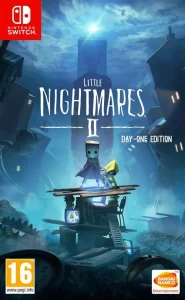
Little Nightmares II Switch NSP
Report Link Error
Select the broken download file, then submit the report.
Screenshots
About Game
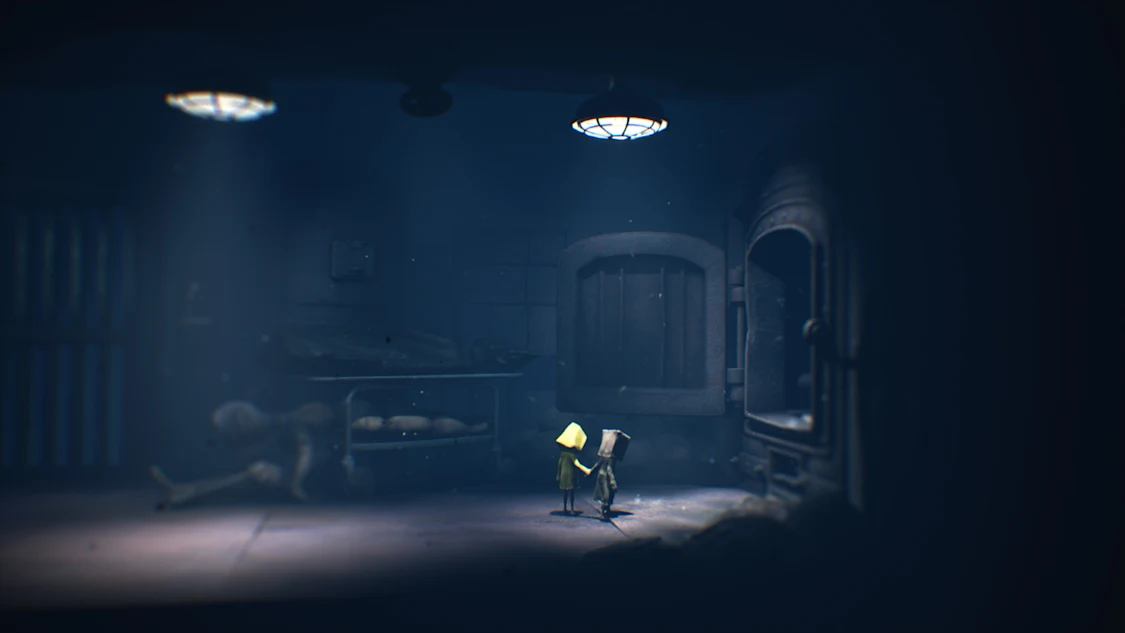
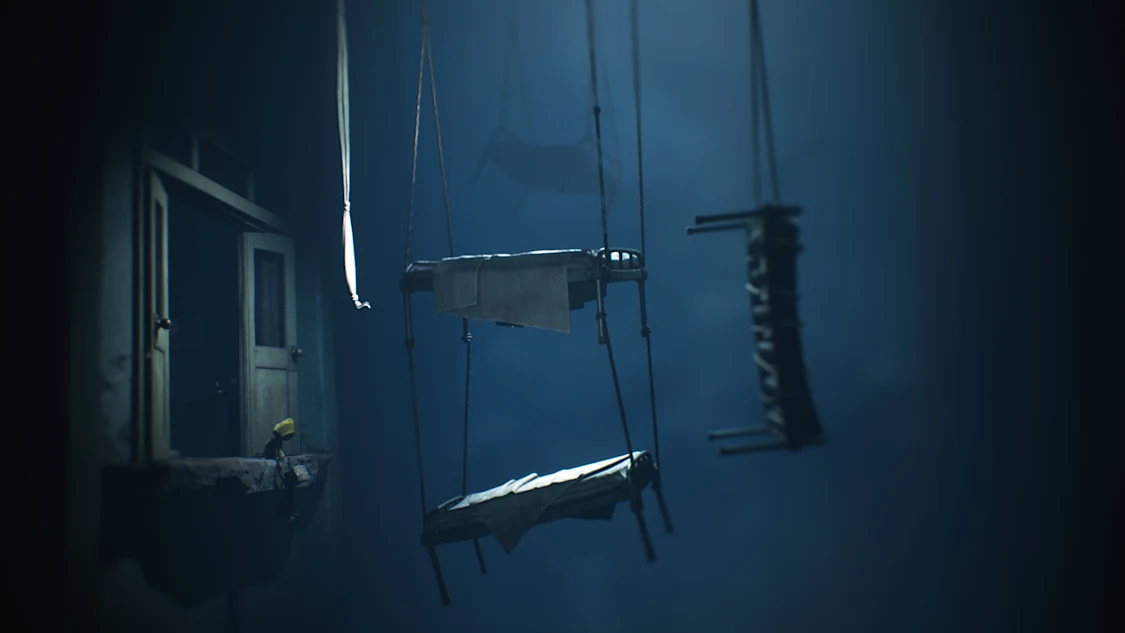
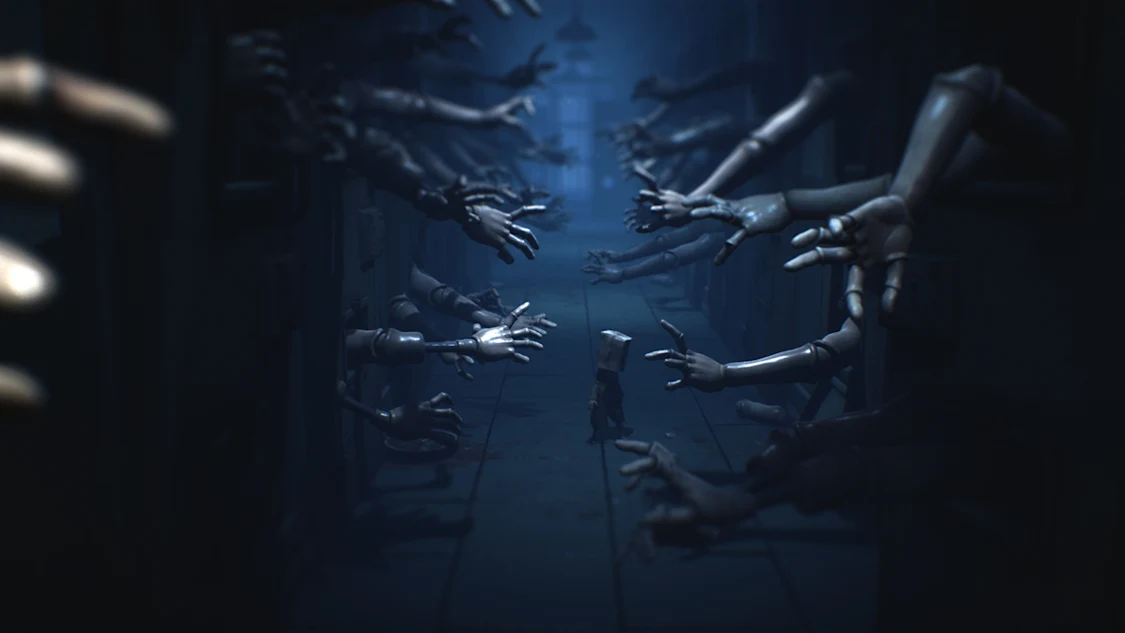
Little Nightmares II Switch NSP places Mono in a distorted world where small actions carry outsized risk. Released on February 11, 2021, this Platformer and Puzzle game builds its horror through uneasy spaces, sparse storytelling, and the constant feeling that escape may be more important than victory.
How Platforming, Stealth, and Puzzles Build the Tension
Little Nightmares II gameplay moves between careful platforming, environmental puzzles, and stealth-focused encounters. Mono has to cross dangerous spaces, climb through oversized environments, and react quickly when a route becomes a chase. The scale of the world makes ordinary obstacles feel threatening: a ledge, a doorway, or a narrow passage can become part of the danger.
The platforming is not simply about reaching the next area. Movement is tied to the game’s horror. A mistimed jump or an exposed position can leave Mono vulnerable, so the player is encouraged to read each room before acting. That deliberate pace gives the environments weight, especially in locations such as dark forests, schools, and hospitals.
Environmental puzzles add another form of pressure. Solutions depend on noticing objects, openings, and interactions within the scene rather than relying on direct explanations. A useful object may be nearby but not immediately obvious, while a route forward may require changing the space around Mono. The result is a form of puzzle-solving that feels connected to the setting instead of detached from it.
Stealth keeps the horror immediate. Grotesque, larger-than-life enemies make open confrontation a poor choice, so hiding, timing, and cautious movement become central tools. The game uses shadows, sound, and limited visibility to make even simple progress feel uncertain.
Why the Signal Tower Looms Over the Story
The Signal Tower gives the journey a clear destination, but it also shapes the atmosphere long before Mono reaches it. The Pale City is presented as a corrupted place affected by the Tower’s broadcasting, and that connection gives the world a sense of unease beyond any single enemy encounter.
Mono begins his journey trapped in this distorted setting, wearing a paper bag over his head. His route through the Pale City and its surrounding environments gradually draws him toward the Tower and its dark secrets. The story is told primarily through visuals and sound design, allowing details in the environment to carry much of the narrative weight.
This approach leaves room for ambiguity. Rather than explaining every part of the world directly, Little Nightmares II story uses atmosphere to suggest fear, corruption, and transformation. The Signal Tower becomes more than a distant landmark; it is a source of tension that hangs over the city and the characters’ journey.
Six as a Puzzle Partner for Mono
Six, the protagonist from the first game, accompanies Mono through much of the adventure. She assists with selected obstacles and puzzles, making the pair’s cooperation an important part of progression. Some challenges require more than Mono’s movement alone, and Six’s presence gives those moments a practical role within the game’s design.
The relationship between Mono and Six also supports the story’s themes. Their cooperation offers brief moments of trust in a world built around fear and isolation. Yet that support never entirely removes the tension. The environments remain hostile, and the pair’s bond is tested by the horrors around them.
These cooperative puzzles are not presented as a separate mode. Instead, Six’s help is woven into the journey, from overcoming obstacles to navigating threatening spaces. Her presence makes the world feel less empty, while also making the story’s emotional turns carry more force.
Minimal Combat and the Importance of Escape
Little Nightmares II combat is limited, and that limitation is meaningful. Mono is not equipped to overpower the threats that dominate the game’s spaces. Enemy encounters emphasize evasion, stealth gameplay, and the need to recognize when running is the only sensible response.
When objects can be used against a threat, they offer only a brief advantage. Environmental items may be used to stun an enemy temporarily, creating a short window to flee or continue onward. These moments do not change the broader balance of power. The danger remains larger and more imposing than Mono.
Chase sequences push the platforming further by demanding quick movement and precise timing. They contrast with the slower observation required in puzzle rooms, but both approaches serve the same horror purpose: the player has to stay alert. A quiet corridor may demand patience; a sudden pursuit may demand immediate action.
5 Practical Ways to Approach Little Nightmares II Puzzles
- Pause and observe. Before moving ahead, look for climbable surfaces, reachable objects, blocked passages, and details that may indicate a puzzle solution.
- Listen closely. Audio cues can add useful context to a space, while enemy movement patterns may be easier to judge through sound than sight alone.
- Test nearby objects. Environmental puzzles often reward experimentation. If an item seems placed for a reason, try moving, using, or revisiting it.
- Study enemy routines. Stealth tips begin with patience. Watch where threats travel, wait for safer openings, and avoid rushing into exposed areas.
- Explore side areas carefully. The game includes hidden collectibles such as Glitching Remains and hats for Mono, so a cautious detour can reward close attention.
A Portable Horror Platformer on Nintendo Switch
Little Nightmares II Switch NSP arrived for Nintendo Switch on February 11, 2021. Listed in the Platformer and Puzzle genres, it was published and developed by Bandai Namco. Its tense progression, visual storytelling, and puzzle-focused structure fit a portable format without changing the game’s emphasis on atmosphere.
The release is available across Europe, the USA, Asia, and Japan, with language support for English, German, French, Spanish, Italian, Portuguese, Russian, Japanese, Chinese, and Korean. That broad language selection helps make its visual-and-sound-led presentation accessible to players in multiple regions.
This is a suitable choice for players looking for horror that relies on mood, stealth, environmental problem-solving, and escape rather than sustained direct combat. Replay value comes from carefully revisiting environments for hidden Glitching Remains and Mono’s hats, as well as from noticing visual details that may have been missed during a first, more anxious journey through the Pale City.