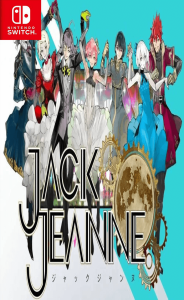
Jack Jeanne Switch NSP XCI
Report Link Error
Select the broken download file, then submit the report.
Screenshots
About Game
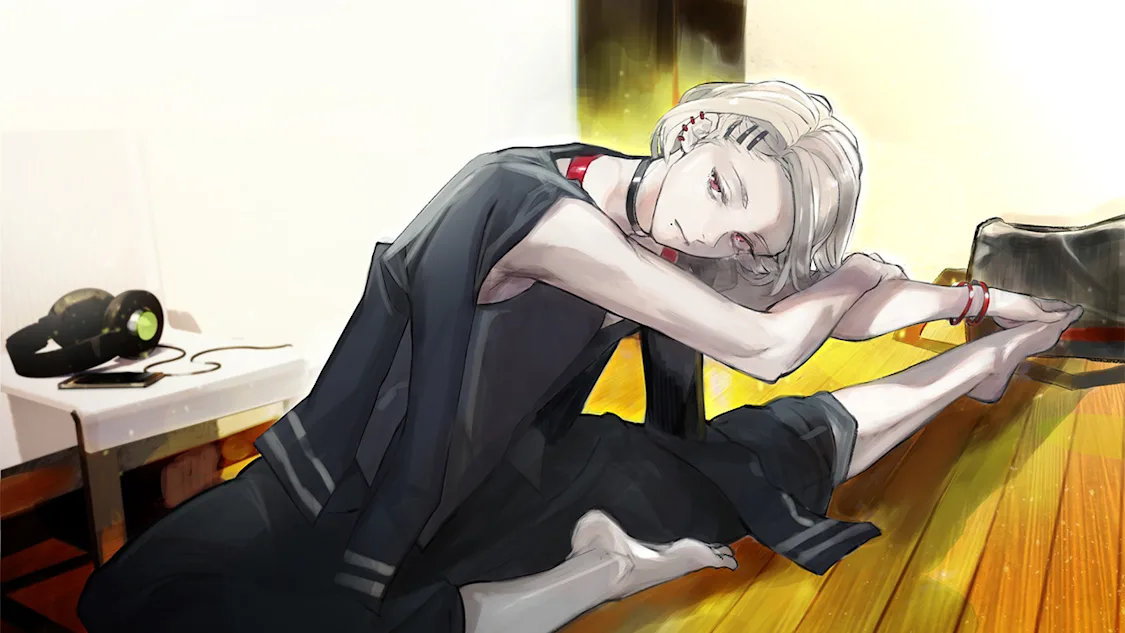
Jack Jeanne Switch NSP XCI frames its drama around a demanding school stage, where music, performance, friendship, and personal pressure all meet. Released in Japan for Nintendo Switch, this Japanese visual novel follows a student whose chance to pursue the spotlight depends on talent, discipline, and an identity she cannot reveal.
Jack Jeanne’s Theatre-School Premise
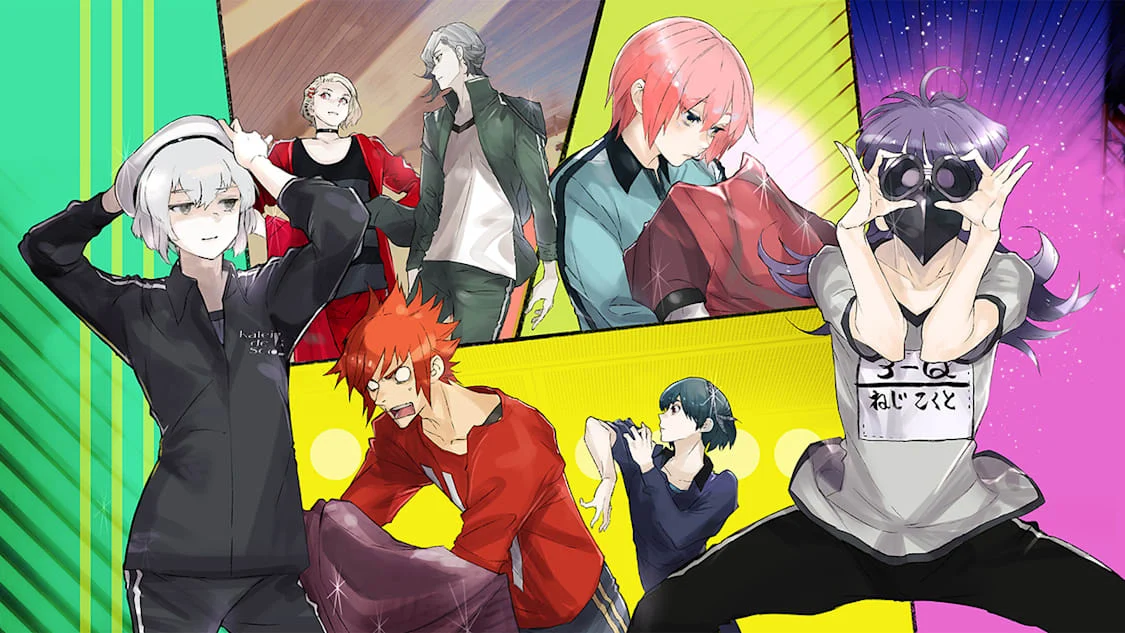
Jack Jeanne takes place at Univers Opera School, a prestigious all-boys’ academy devoted to theatrical performance. The setting gives the story a naturally heightened atmosphere: students are not simply attending classes, but preparing themselves for roles that demand voice, movement, presence, and emotional control. Every rehearsal and school activity can carry the weight of a future performance.
Univers is divided into four flower-named classes: Rhodonite, Onyx, Quartz, and Amber. The names give the school a distinct identity, while the rivalry between classes adds another layer to the theatre school drama. Students compete to earn recognition in productions, creating an environment where ambition is public and mistakes can be difficult to hide.
This is a world shaped by performance in more than one sense. Characters rehearse for the stage, but they also manage expectations, friendships, fears, and the versions of themselves they show to others. The school’s formal, competitive atmosphere helps turn ordinary school-life scenes into moments with emotional consequences.
Kisa Tachibana and the Stakes of Her Enrollment
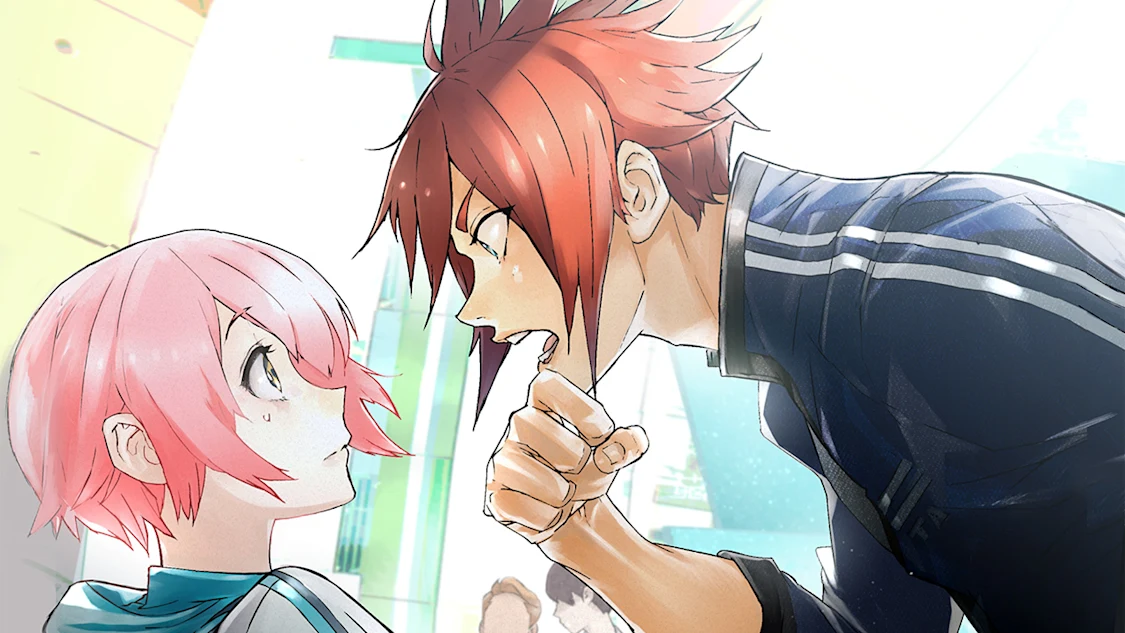
The Jack Jeanne story centers on Tachibana Kisa, a young girl with a strong desire to sing and act. Her ambition leads to an unusual opportunity: a special invitation to enroll at Univers Opera School. The invitation is not simple freedom to study, however. It comes with conditions that define the tension of her time at the academy.
Kisa must conceal that she is a girl while attending an all-boys’ school. She must also earn a starring role in the final performance. If she fails to meet that requirement, she faces expulsion. Those terms make every class, practice session, and relationship important. Kisa is pursuing the work she loves, yet the possibility of losing her place is always present.
Her situation gives the narrative both intimate and theatrical stakes. Kisa has to grow as a performer while carefully navigating the people around her. Her classmates have their own dreams and struggles, and the game develops its emotional texture through the bonds, misunderstandings, and support that emerge between students. Themes of ambition, acceptance, and the meaning of performance are closely tied to her journey toward the final performance.
A Visual Novel Built Around Character Drama
As a Jack Jeanne visual novel, the game spends much of its time in dialogue-driven scenes. Players read conversations, follow school events, and make dialogue choices while Kisa gets to know the students of Univers. This structure leaves room for quieter moments alongside the pressure of auditions and stage preparation.
Character relationships are a major part of the experience. Spending time with classmates can deepen bonds and unlock special events, making the school feel less like a simple backdrop and more like a community of performers trying to find their place. The writing’s focus on personal dreams and conflict gives the game its emotional continuity between larger musical sequences.
Progression also includes lessons and practice that improve Kisa’s Vocal, Dance, and Charm statistics. These stat-building segments connect school routine to theatrical development: preparation is not treated as separate from the story, because Kisa’s ability to succeed on stage depends on the work she does beforehand. Dialogue choices, relationship scenes, and training combine to make her development feel gradual rather than automatic.
The game includes multiple story outcomes, giving its choices and relationships added value beyond a single route through the school year. That replay value comes from seeing how different interactions and decisions can shape Kisa’s path, while the central challenge of her secret and her final role remains the narrative’s guiding pressure.
How Rhythm Stages Serve the Story
The rhythm game portions of Jack Jeanne bring the school’s musical performances into play. These rhythm stages test timing and rhythm during stage sequences, turning the demands placed on Kisa as a performer into a direct part of the experience. They are not detached diversions from the plot; they represent the performances that matter to her future at Univers.
That design helps connect the game’s two major modes. Reading dialogue explains why a role, rehearsal, or relationship matters, while the musical performances ask players to meet the moment onstage. Kisa’s Vocal, Dance, and Charm growth supports the same sense of advancement. The result is a progression loop built around preparation, personal interaction, and performance.
The rhythm stages also reinforce the school’s competitive atmosphere. Univers is full of students striving to distinguish themselves, and each performance carries the feeling that training must be proven before an audience. For players drawn to character-focused stories but interested in active musical sequences, this blend gives the drama a changing pace.
5 Things That Define the Jack Jeanne Experience
- Univers as a stage: The all-boys’ Univers Opera School makes theatrical training, class rivalry, and school life inseparable from the story’s drama.
- Kisa’s secret: Tachibana Kisa must hide her identity while pursuing her goal of singing and acting at the school.
- Flower-named classes: Rhodonite, Onyx, Quartz, and Amber give the student body a clear competitive structure.
- Dialogue-led growth: Jack Jeanne gameplay includes reading scenes, making dialogue choices, building relationships, and improving performance-related statistics.
- Performance under pressure: Rhythm-based stage sequences turn musical performances into tests of timing and progress, supporting the larger Jack Jeanne story.
Seen through that combination, Jack Jeanne Switch NSP XCI is aimed at players comfortable with substantial reading and character-focused storytelling, especially those interested in a visual novel that periodically shifts into rhythm-based performances. Its appeal lies in the connection between Kisa’s private uncertainty and the public demands of the stage.
Nintendo Switch Release Profile for Jack Jeanne
| Title | Jack Jeanne |
|---|---|
| Platform | Nintendo Switch |
| Release date | March 18, 2021 |
| Region | Japan |
| Genre | Visual Novel Game |
| Publisher | Broccoli |
| Developer | Broccoli |
| Languages | Japanese |
| Title ID | 01001DD010A2E000 |
| Listed firmware | Base – v9.2.0 | Update – v12.0.2 |
| File size | 6GB |