Human: Fall Flat Switch NSP XCI

Report Link Error
Select the broken download file, then submit the report.
Screenshots
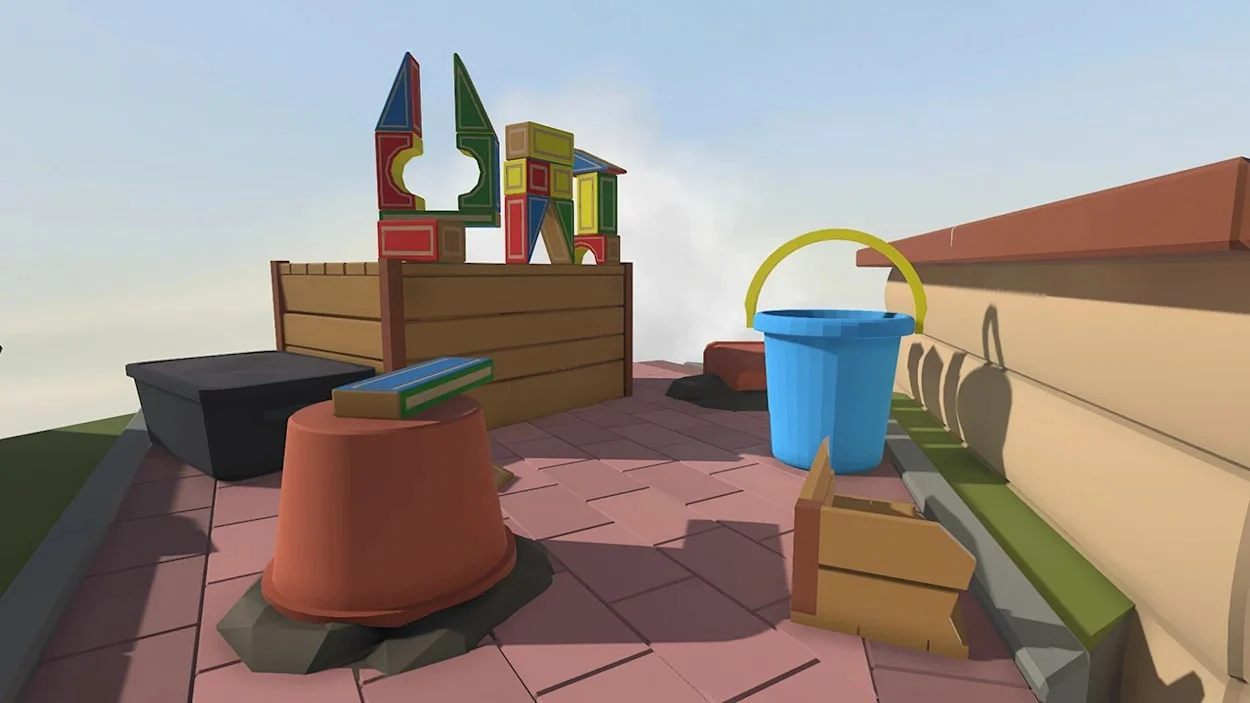
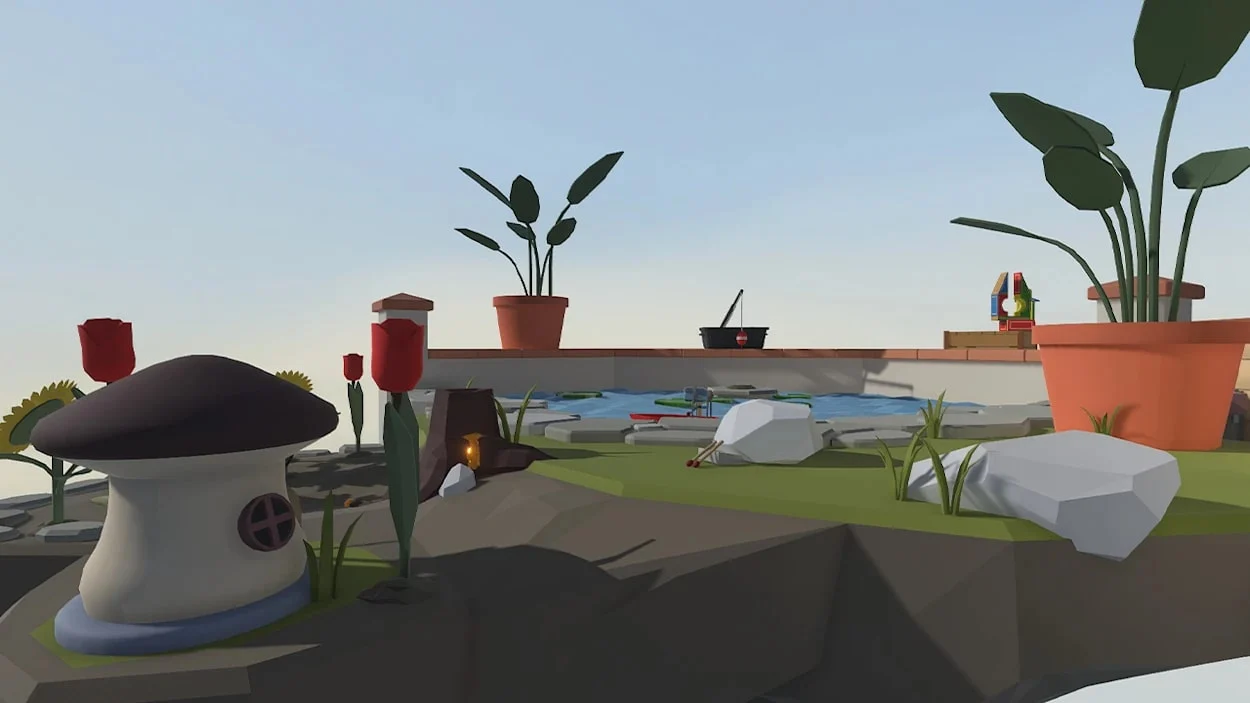
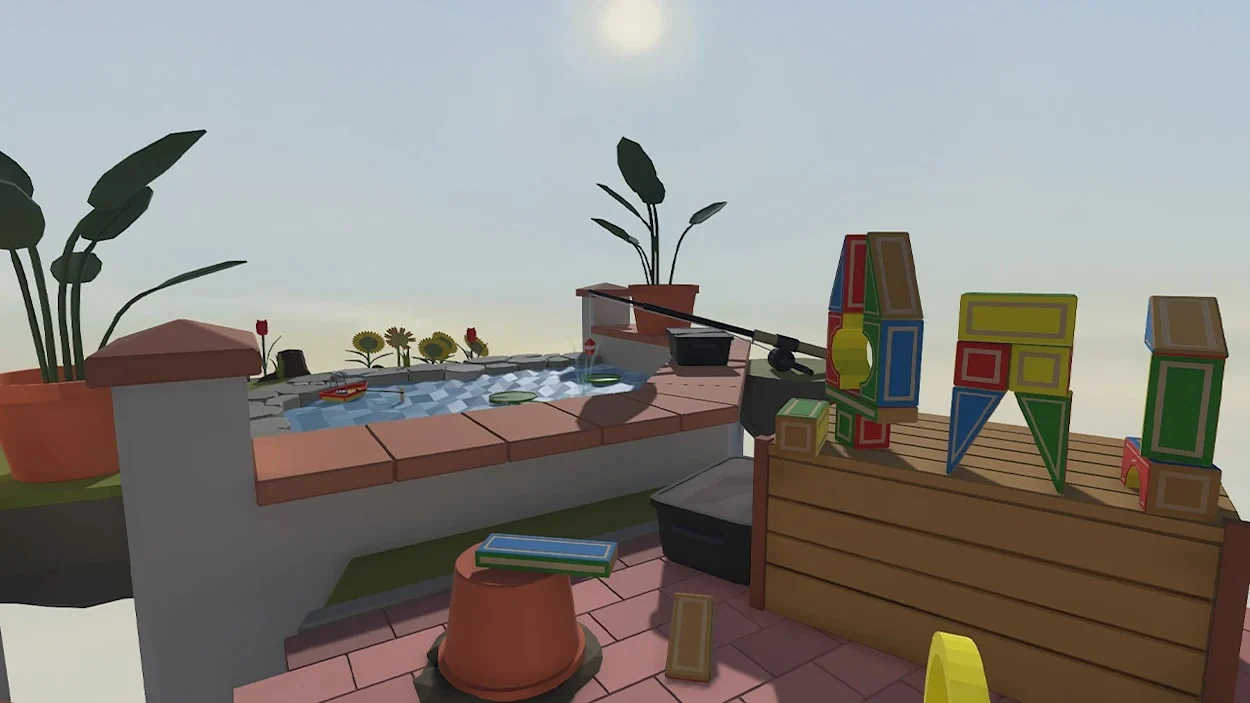
About Game
Human: Fall Flat Switch NSP XCI refers to the Nintendo Switch version of No Brakes Games’ physics-driven adventure, platformer, and puzzle game, published by Curve Digital. Its appeal comes from a deliberately loose sense of control: players guide a wobbly character through surreal environments, using objects, momentum, and a willingness to fail repeatedly in pursuit of the exit.
Human: Fall Flat on Nintendo Switch: Game Overview
Human: Fall Flat Switch blends physical comedy with open-ended puzzle solving. The game places its challenges inside imaginative dream environments, where the scenery is more than a backdrop. Doors, levers, boxes, platforms, vehicles, and mechanisms can become part of a solution when players learn how to manipulate them.
Developed by No Brakes Games, it fits naturally across its listed genres of adventure, platformer, and puzzle. Progress is based on moving through a series of environments rather than defeating enemies or following a rigid sequence of story events. A puzzle may ask for careful movement, but it can also invite improvisation: dragging an object into place, stacking items, swinging from a ledge, or finding a route that was not immediately obvious.
The presentation supports that playful approach. Dreamscape levels can shift between settings such as ruins, construction areas, mansions, castles, snowy locations, and factories. Each space gives the player room to look around, test its interactive elements, and discover how its pieces might connect. The result is a physics puzzle adventure where the process of experimenting is often as memorable as reaching the next area.
Bob’s Dreamscape Journey and Simple Premise
The Human: Fall Flat story is intentionally light. Players control Bob, a clumsy figure moving through a collection of dreams. Instead of a traditional plot with extensive character development or dramatic turns, each dreamscape level functions as its own self-contained escape challenge.
Bob’s purpose is straightforward: find a way out of the current environment. That simple goal gives the game room to focus on discovery. One level may encourage players to examine machinery; another may ask them to cross a difficult gap or use the surroundings to reach a higher area. The journey advances through completed levels, while the details emerge through the spaces themselves and the playful actions they allow.
This structure also gives the game a relaxed atmosphere. There is no need for a complicated narrative framework when the central pleasure is seeing what happens after Bob grabs the wrong object, slips from a ledge, or accidentally turns a reasonable plan into a strange but workable one. The dreamscape levels make failure feel less punishing and more like part of the performance.
How Floppy Physics Controls Shape Every Challenge
Floppy physics controls define Human: Fall Flat gameplay. Bob is not built for neat, precise movement. His limbs wobble, his footing can be unreliable, and simple actions take practice. Players use his arms to grab objects and then pull, push, lift, carry, swing, or climb with them.
That design makes ordinary actions unexpectedly demanding. Pulling a crate may require repositioning Bob’s body. Climbing can mean raising both arms, catching a surface, and carefully dragging his weight upward. A jump may become more successful when paired with momentum or a useful object placed nearby. These awkward interactions create comedy, but they also give the puzzles their character.
The game’s environments encourage flexible thinking because a challenge can often support more than one answer. A direct route may be available, yet a curious player might find an alternate path, a hidden route, or an unconventional use for a nearby object. This makes progression feel less like following a single prescribed solution and more like learning the strange possibilities of Bob’s movement.
For players who enjoy experimentation, the lack of elegance is a strength. The same physical system that causes a tumble can also produce a successful shortcut. Every grab, pull, push, and climb becomes a small negotiation between intention and chaos.
Cooperative Play and Shared Physics Chaos
Human: Fall Flat multiplayer expands the puzzle solving through local and online co-op. Another player can make a practical task easier: one person can hold an object in place while another climbs, or both can move a heavy item through an obstacle together. Cooperative puzzles naturally reward communication, especially when a plan involves timing, positioning, or repeated attempts.
Just as often, teamwork makes the situation less controlled in a funny way. Players can collide, grab one another, fall from the same platform, or unintentionally disrupt a carefully arranged setup. Because Bob’s movement is so loose, even a sensible plan can produce an unpredictable outcome.
That balance is a major part of the co-op appeal. Friends can work toward a shared goal without the game losing its light, playful tone. The experience is suited to groups that enjoy solving problems together but do not mind when the solution arrives through an accident, a mistake, or a last-second recovery.
5 Practical Tips for Handling Human: Fall Flat’s Physics
- Accept the fall. Bob will tumble, miss ledges, and lose his grip. Treat failed attempts as information about timing, momentum, and object placement rather than a reason to rush.
- Test the surroundings. Objects are often useful beyond their most obvious purpose. Try pushing, pulling, lifting, stacking, or repositioning items to see what the environment allows.
- Talk through co-op plans. In local or online co-op, decide who will hold, climb, move, or activate something before starting. Simple coordination can prevent a great deal of accidental confusion.
- Look for another route. Open-ended puzzles may have alternate paths and hidden areas. If a direct approach feels awkward, explore the level and reconsider the objects nearby.
- Practice climbing. Raising Bob’s arms, catching a ledge, and pulling upward takes repetition. A little patience with climbing movements can make vertical challenges far less frustrating.
Switch Release Details, Regions, and Language Support
The Nintendo Switch release of Human: Fall Flat Switch NSP XCI is dated December 17, 2017. The listed regions are Europe, USA, and Japan. Its language support includes English, Japanese, French, German, Spanish, Korean, Russian, and Chinese.
Those options suit a game whose central ideas are communicated through movement and interaction as much as text. Bob’s objective is easy to read from the structure of the levels: explore the dream, manipulate its physical elements, and locate the way forward. For solo players, it offers a series of playful physics problems and alternate approaches. For friends, its cooperative format turns the same challenges into shared attempts, unexpected mishaps, and plenty of repeatable experimentation.