Heaven Dust Switch NSP
Report Link Error
Select the broken download file, then submit the report.
Screenshots
About Game
Heaven Dust Switch NSP frames its horror around a familiar but effective survival setup: a secluded mansion, scarce supplies, unsettling discoveries, and the constant sense that the next room may be unsafe. Released on Nintendo Switch as an action-adventure game, it leans into the deliberate pace of classic survival horror, asking players to explore carefully, solve problems, and decide when a confrontation is worth the risk.
Heaven Dust on Nintendo Switch: A Classic Survival Horror Setup
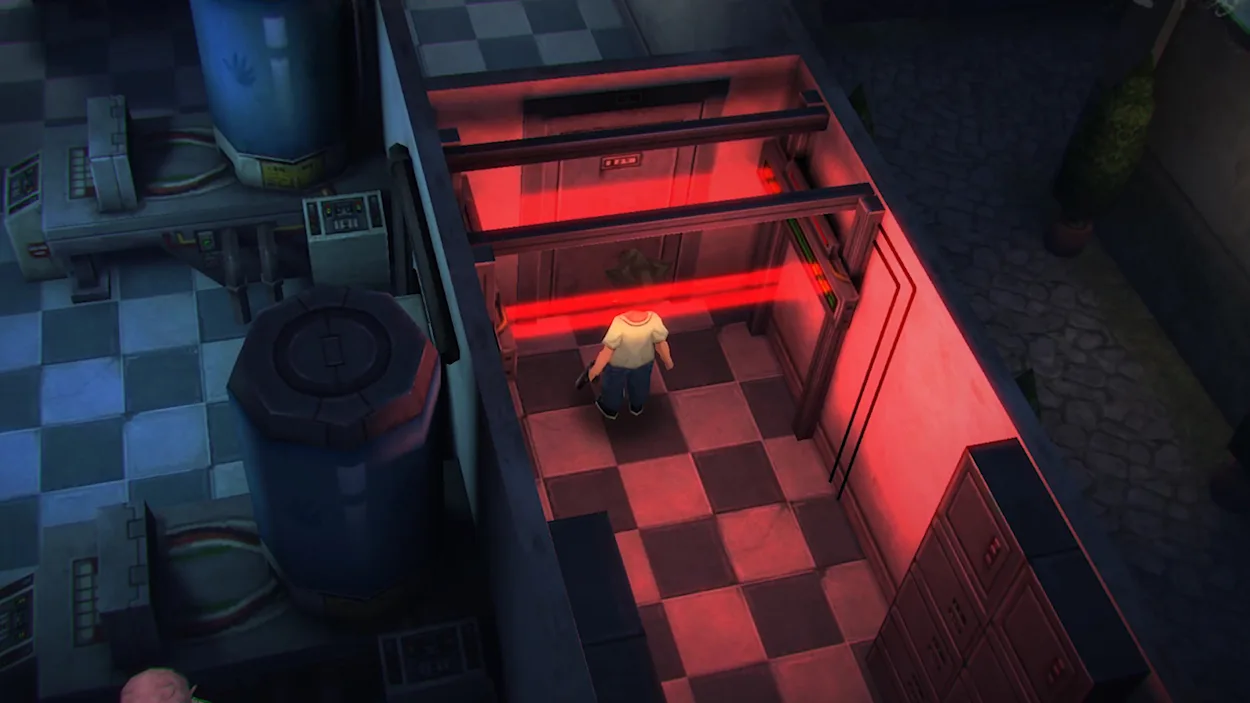
Heaven Dust is built around tension rather than speed. The mansion is not simply a backdrop for fighting infected enemies; it is the game’s central puzzle box, filled with blocked routes, locked doors, hidden materials, and dangers that make every excursion feel considered. Its action-adventure structure combines exploration, combat, and environmental problem-solving in a setting designed to keep players uncertain.
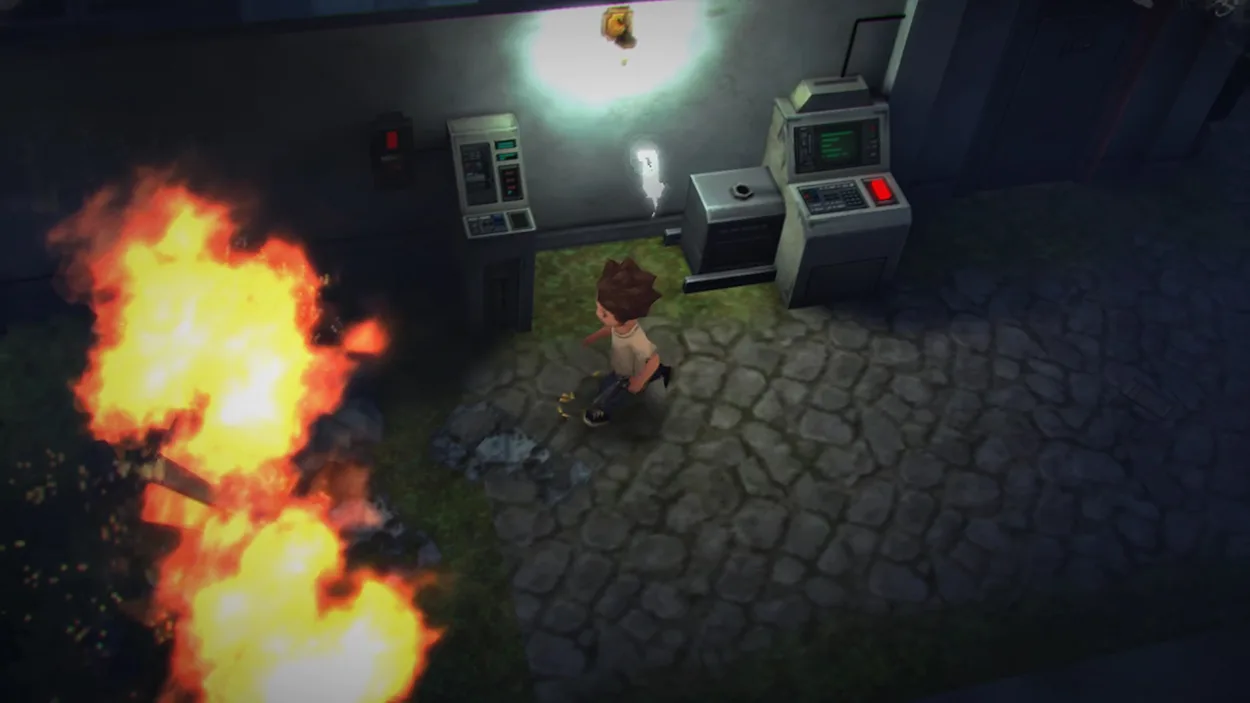
The game’s survival horror identity comes through in its limited resources. Ammunition, healing items, and useful tools are not presented as endless conveniences. Players are encouraged to think about their inventory and approach encounters with care. Running past a threat can sometimes be more sensible than spending precious supplies, while a room that appears cleared may still deserve a close look for clues or items.
This makes Heaven Dust a suitable fit for players who enjoy a slower, more methodical horror experience. It favors observation and planning over reckless movement, with the mansion’s oppressive mood giving weight to even small decisions.
Steve’s Escape From the Mansion
The Heaven Dust story begins with Steve waking inside a mysterious mansion with no memory of how he arrived. He is surrounded by zombies and other grotesque creatures, and his immediate purpose is clear: survive the building and find a way out. Yet escape is only one part of the journey. As Steve searches deeper into the mansion, documents and notes gradually reveal details of the disaster that transformed the location into a place of infection and fear.
The clues point toward a failed bio-weapon experiment and a research team whose dangerous work led to the outbreak. Rather than delivering every answer at once, the game lets the situation unfold through the material Steve finds. That structure gives exploration narrative value. A note tucked into a room can do more than explain the mansion’s past; it can make the next corridor feel more ominous.
Steve’s lack of memory also places the player in the same uncertain position as the character. There is no comfortable knowledge of the mansion’s layout, its inhabitants, or the reason for the outbreak. Discovery and escape move forward together.
Exploration in an Interconnected, Secret-Filled Mansion
Heaven Dust exploration centers on revisiting spaces as new items and information become available. A corridor or room that once seemed like a dead end may later become useful when Steve finds the item needed to open a route. This interconnected mansion design turns progress into a process of remembering inaccessible places, checking newly opened paths, and searching each section with care.
Hidden clues, documents, and useful supplies reward thorough exploration. The mansion’s rooms and corridors are more than a sequence of combat arenas; they form a connected environment where one discovery can change the value of an earlier location. Keeping track of locked areas and unexplained objects becomes part of the experience.
- Search closely: Important objects and clues can be easy to miss when attention is fixed on immediate danger.
- Remember blocked routes: An inaccessible door or passage may become relevant after a later discovery.
- Read found documents: Notes help reveal the mansion’s history and the events behind the outbreak.
- Use supplies carefully: Health items, ammunition, and other resources are limited, so each use matters.
- Choose encounters wisely: Avoiding an enemy can be a practical response when fighting would waste valuable resources.
The resulting progression has a measured rhythm. Players are not simply moving forward; they are building an understanding of the mansion while opening it up piece by piece. That return-and-discover structure also gives the environment a stronger sense of place, because familiar rooms can gain new purpose later.
Puzzles That Gate Progress Through the Mansion
Environmental puzzles are essential to mansion progression. Heaven Dust asks players to pay attention to their surroundings, examine what they find, and connect details through logical problem-solving. Puzzle solutions unlock access to further sections of the building, making them a core part of advancement rather than a brief diversion between enemy encounters.
The puzzles work alongside the exploration loop. A clue found in one location may clarify the use of an object elsewhere, while a newly opened area can reveal more of the story or provide resources for the next challenge. Careful observation matters because the solution is tied to the environment and the items within it.
Progress is earned through understanding, not only through combat. That emphasis helps preserve the classic survival horror feel: a locked route creates a problem, searching creates possibilities, and solving the problem opens another uncertain part of the mansion. Players who enjoy inspecting rooms, following clues, and gradually untangling an environment will find that approach central to Heaven Dust.
Fixed Camera Angles and the Game’s Tense Atmosphere
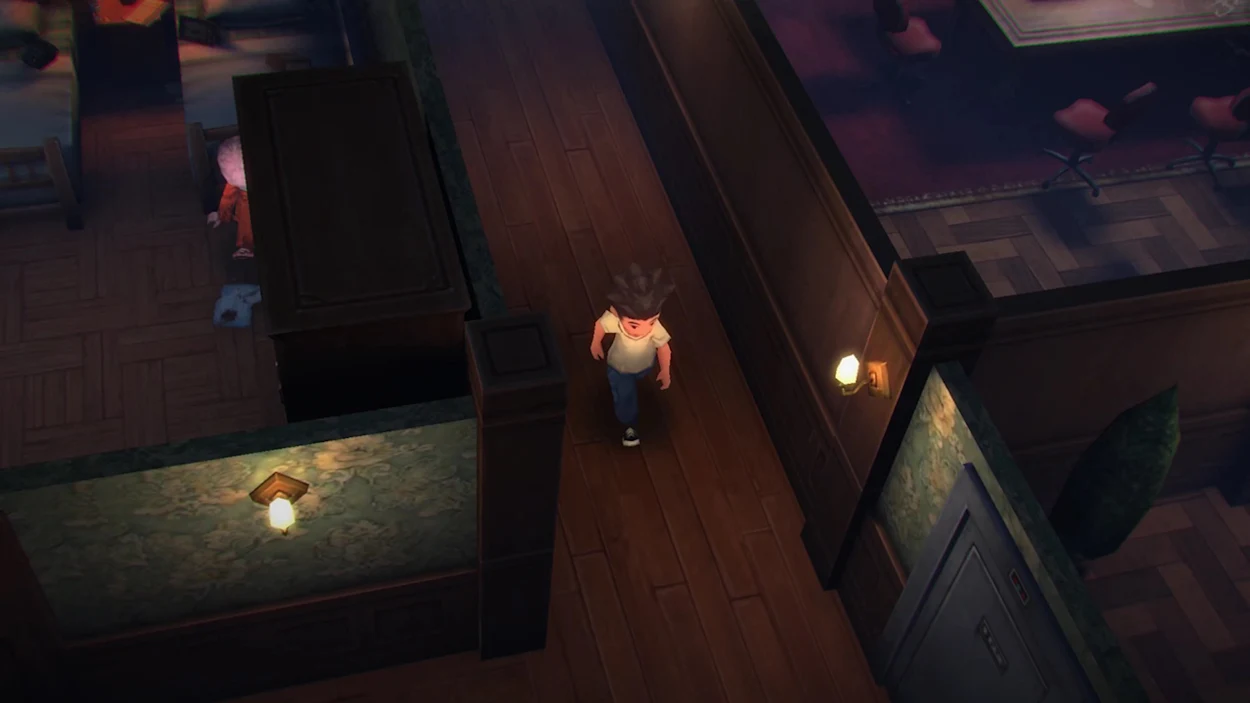
Heaven Dust uses a third-person perspective with fixed camera angles, a presentation choice closely associated with older survival horror games. These viewpoints limit what can be seen at any one time, allowing rooms and corridors to hold back information. An enemy can be nearby without being immediately visible, and an unfamiliar angle can make an otherwise quiet area feel threatening.
The fixed camera approach supports the horror atmosphere by making uncertainty part of ordinary movement. Instead of offering a complete view of every danger, the game creates suspense through partial visibility and careful navigation. The mansion’s infected occupants are more unsettling when the player must enter a space before fully knowing what is inside.
This presentation also complements resource management. When health and ammunition are limited, the tension of a camera angle is not merely visual. It affects how players judge risk, decide whether to engage, and prepare for what may be beyond the next doorway. Heaven Dust Switch NSP uses that combination of perspective, scarcity, and enclosed spaces to keep its horror focused and restrained.
Release and Language Details for Heaven Dust on Switch
Heaven Dust released on Nintendo Switch on February 27, 2020. It was developed and published by indienova, and it is available as a Region Free release. Language support includes English, German, Spanish, French, Italian, and Russian.
For players seeking an action-adventure game shaped by classic survival horror conventions, Heaven Dust offers a mansion-bound escape story driven by exploration, puzzles, limited resources, and uneasy encounters. Its appeal lies in the careful process of searching for answers while surviving long enough to uncover what happened within the mansion.