Hatsune Miku: The Planet Of Wonder And Fragments Of Wishes Switch NSP
Report Link Error
Select the broken download file, then submit the report.
Screenshots
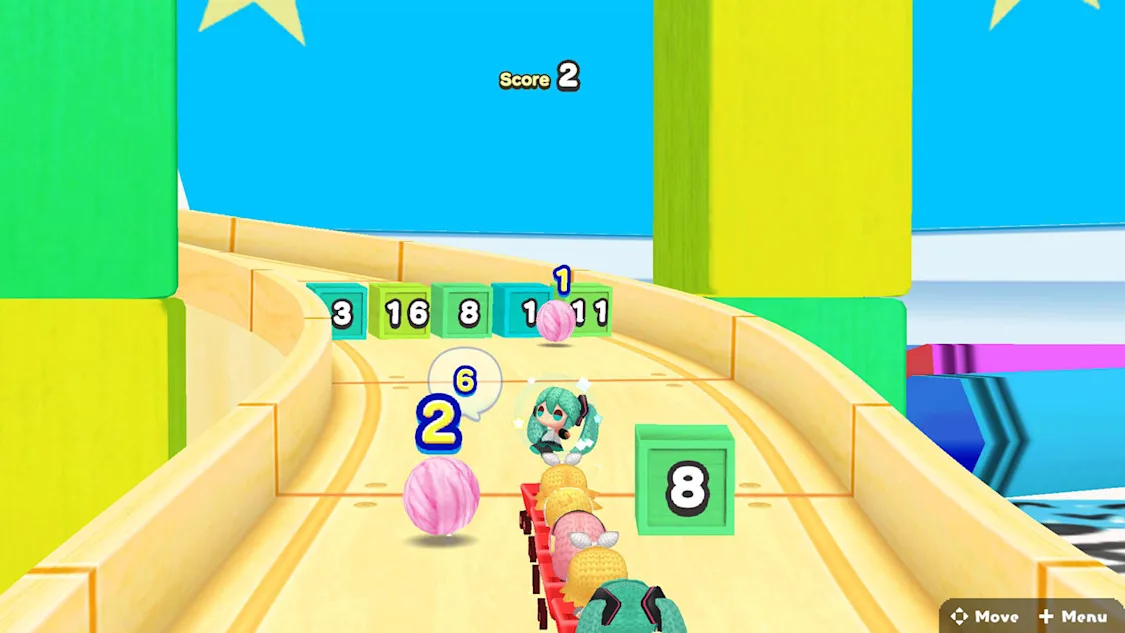
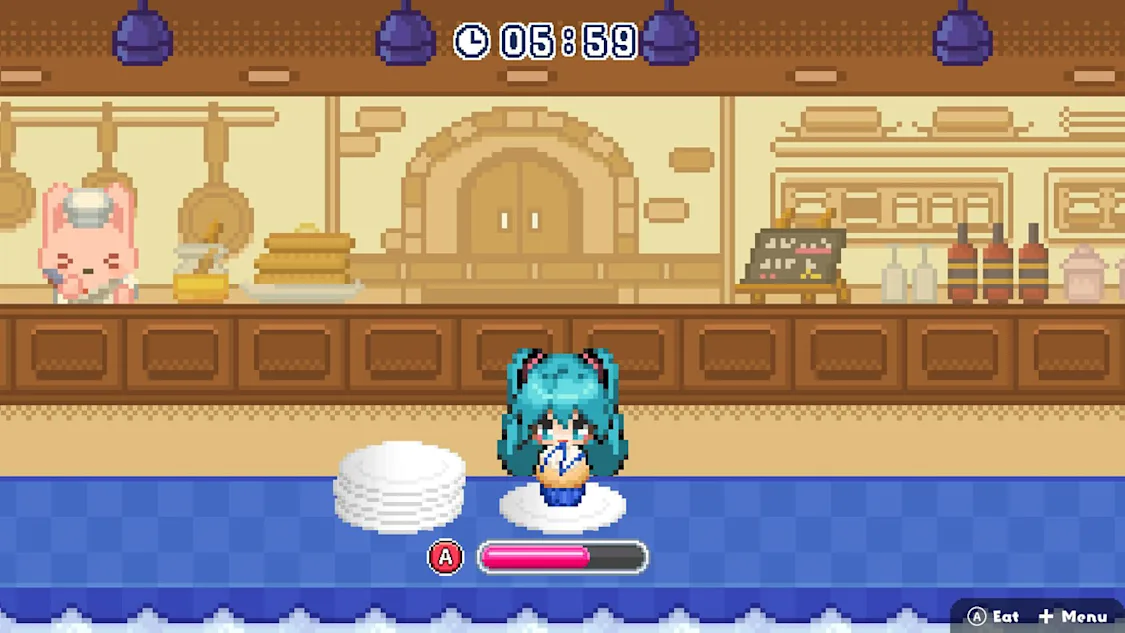
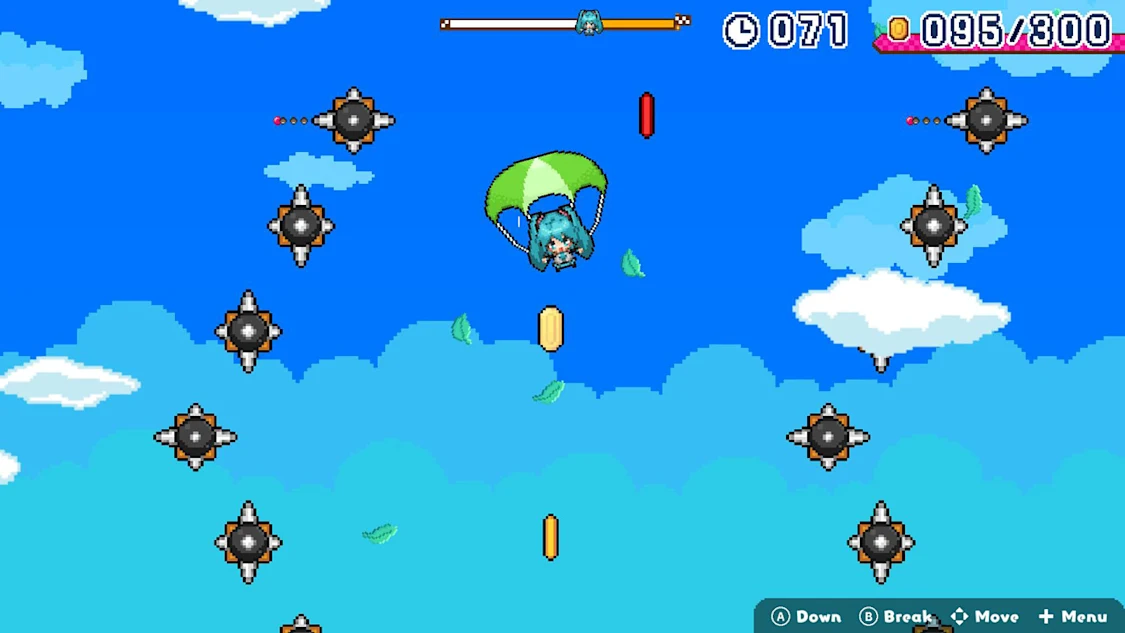
About Game
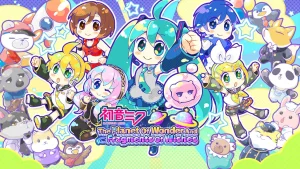
Hatsune Miku: The Planet Of Wonder And Fragments Of Wishes Switch NSP places its musical adventure on Astra Nova, a shimmering world where color, vitality, and melody are gradually disappearing. Hatsune Miku and her virtual friends arrive in the middle of that decline, turning a fantasy journey into a rhythm-focused effort to recover the wishes that keep the planet alive.
Astra Nova’s Fading Color and the Fragments of Wishes
The setting gives the game a clear emotional direction. Astra Nova is not simply a backdrop for song selections; its fading appearance and weakening harmony are tied to the central conflict. The planet depends on fragments of wishes, magical pieces connected to the dreams of its inhabitants. As those fragments vanish or lose their strength, the world’s color and music fade with them.
That premise frames the Hatsune Miku story around exploration, performances, and encounters with Astra Nova’s inhabitants. Miku, Rin, Len, Luka, Meiko, and Kaito travel through the planet’s environments, uncovering paths and meeting characters while searching for the missing fragments. A shadowy threat complicates the restoration effort, giving the group a reason to work together rather than treating each stage as an isolated performance.
The atmosphere is built around contrast: a planet described as shimmering and beautiful, but one that is visibly losing the qualities that make it feel alive. Each recovered fragment helps return sound and color, so progression has a visual and narrative purpose alongside the usual satisfaction of clearing a rhythm stage.
How Music Drives the Planet’s Restoration
Music is the means through which Astra Nova is healed. Successful performances are linked directly to recovering wish fragments and restoring the planet’s vitality. That connection makes the rhythm challenges part of the story’s momentum: playing well is not separate from the adventure, but the action that moves it forward.
The game combines musical stages with exploration sections, allowing players to move through Astra Nova, interact with characters, and seek out its secrets between performances. This structure gives the song-based gameplay a broader context. Instead of presenting only a sequence of tracks, it associates each musical success with a world slowly regaining its harmony.
Customization also supports the sense of a continuing journey. Players can unlock and collect costumes and accessories for Miku and her friends, including Rin, Len, Luka, Meiko, and Kaito. These outfit choices do not change the premise, but they add a personal layer to repeat visits and performances. Special event challenges, which offer exclusive rewards, provide another reason to return to the music and continue building a collection.
Rhythm Action: Taps, Holds, and Slides
The core rhythm action centers on three familiar timing inputs: tap, hold, and slide. Players follow the beat through these actions during musical stages, with precision playing an important role in successful performances. The system is straightforward in concept, but it can ask for increasingly careful timing as songs and challenge levels demand more from the player.
Taps test immediate response, holds require sustained attention, and slides ask players to follow a movement rather than make a single press. Learning how these note types fit into a song’s rhythm is part of the game’s challenge. Rather than relying on one repeated input, stages encourage players to read patterns and anticipate transitions.
The Nintendo Switch version also uses Joy-Con motion controls for certain rhythmic actions. This adds an alternative physical element to the presentation without changing the central idea: keep pace with the music and complete the sequence accurately. Multiple difficulty levels make room for players who are still learning the controls as well as those looking for a denser rhythm-action test.
A Song List Built for Newcomers and Rhythm Veterans
The song list includes both new and classic Hatsune Miku songs, giving the game a mix designed around the wider Vocaloid music identity. That range matters because the tracks are also the stages. Different songs can present different rhythms, tempos, and note patterns, making the music game challenge feel connected to the character of each performance.
Multiple difficulty levels help make that library approachable. Players new to rhythm games can spend time understanding timing and the relationship between the music and on-screen prompts. More experienced players can raise the difficulty when they want a stricter test of consistency and pattern recognition. The result is a structure that supports gradual improvement rather than requiring immediate mastery.
Replay value comes naturally from that arrangement. Revisiting a song can be useful for improving timing, trying a higher difficulty, practicing a troublesome section, or working toward better results. Costumes, accessories, event challenges, and the ongoing restoration of Astra Nova give those repeat performances a place within the game’s larger progression.
5 Ways to Improve Your Rhythm-Stage Timing
- Listen before reacting. Let the beat guide your inputs instead of watching prompts in isolation. The musical structure can make upcoming tap, hold, and slide patterns easier to anticipate.
- Revisit difficult songs. Repeating a stage is useful practice, particularly when a certain section disrupts your timing. Familiarity with the song can turn an uncertain sequence into a readable one.
- Learn each input type. Taps, holds, and slides ask for different responses. Treating them as distinct patterns helps prevent mistakes when a stage shifts quickly from one action to another.
- Choose an appropriate difficulty. Lower settings offer room to build confidence, while higher levels provide a stronger music game challenge once the basics feel comfortable.
- Use progression as motivation. Clearing rhythm challenges contributes to restoring Astra Nova, while collectibles and special event rewards can give repeated practice a tangible purpose.
Game Facts: Release, Languages, Regions, and Technical Details
Hatsune Miku: The Planet Of Wonder And Fragments Of Wishes Switch NSP was released on June 7, 2023. Crypton Future Media developed and published the title. Its listed genres are Action, Music, and Puzzle, reflecting the combination of rhythm stages, exploration, and a story built around recovering the fragments that sustain Astra Nova.
The game is available in English and Japanese, with regions listed as Europe, USA, and Japan. Its base firmware requirement is v16.0.3, and the listed file size is 413MB. The title’s accessible rhythm inputs, selectable difficulty levels, colorful character customization, and story-driven musical restoration make it suited to players interested in Hatsune Miku songs, rhythm-game practice, and a lighter fantasy adventure shaped by music and harmony.