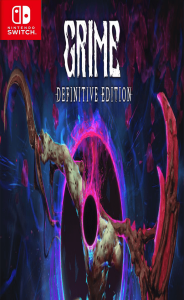
GRIME Definitive Edition Switch NSP
Report Link Error
Select the broken download file, then submit the report.
Screenshots

About Game
GRIME Definitive Edition Switch NSP brings Akupara Games’ action-adventure experience to Nintendo Switch in the USA region, with a verified release date of January 26, 2024. It is a compact but demanding journey through a hostile, surreal setting, where an unusual protagonist grows by defeating and absorbing enemies. The release supports English, Japanese, Spanish, Portuguese, French, German, Italian, Russian, Korean, and Chinese.
GRIME Definitive Edition on Nintendo Switch: Release and Game Details
Released on January 26, 2024, GRIME Definitive Edition Switch NSP is classified as an Adventure and Action title and published by Akupara Games. The Definitive Edition gathers the game’s previous updates and DLC into one version, presenting its strange world and challenging action-RPG systems on Nintendo Switch.
The game’s identity comes from the tension between exploration and difficult encounters. Progress is not simply about reaching the next area; it also depends on reading enemy movement, managing risk, and deciding how to develop a character build. Its world is full of organic shapes, petrified life, ruins, and grotesque creatures, giving the adventure a heavy, alien atmosphere.
The release is listed for firmware 16.1.0, with a file size of 126 MB. Beyond the technical details, the important promise is a focused action adventure built around precision, discovery, and gradual character growth.
The Mystery at the Center of GRIME’s Story
GRIME’s story begins with a being that does not have an ordinary human identity. The player controls a mysterious, void-like entity awakening in an unforgiving land of living rock and strange organisms. Its presence is difficult to explain, and that uncertainty shapes the tone of the entire journey.
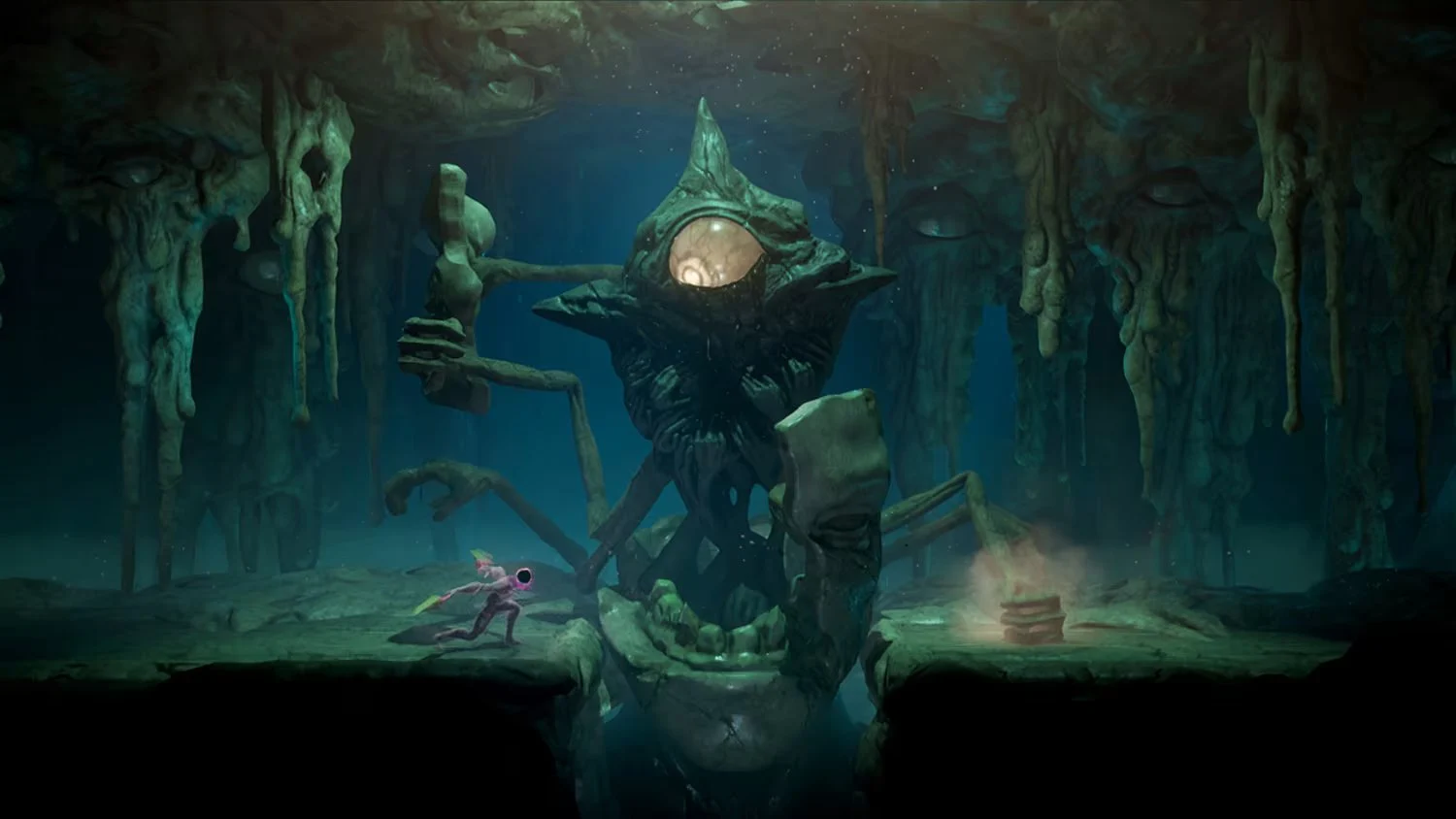
This is not a story that rushes to explain itself. Instead, pieces of a larger cosmic tale emerge through the environments, unsettling creatures, and cryptic encounters found along the way. Desolate ruins and vivid but grotesque ecosystems suggest an older history beneath the surface. The landscape itself feels sentient, made from petrified organisms and anatomical forms that make every new region feel unfamiliar.
The protagonist’s ability to take in the essence of fallen foes also connects the narrative to play. Absorption is not merely a combat reward; it reflects a cycle of destruction, transformation, and growth. As the entity becomes stronger, questions about its purpose and the world’s hidden history remain central. Players who enjoy environmental storytelling and indirect world-building will find much of the game’s mystery in what it chooses not to state plainly.
Precision Combat Built Around Parrying, Dodging, and Absorption
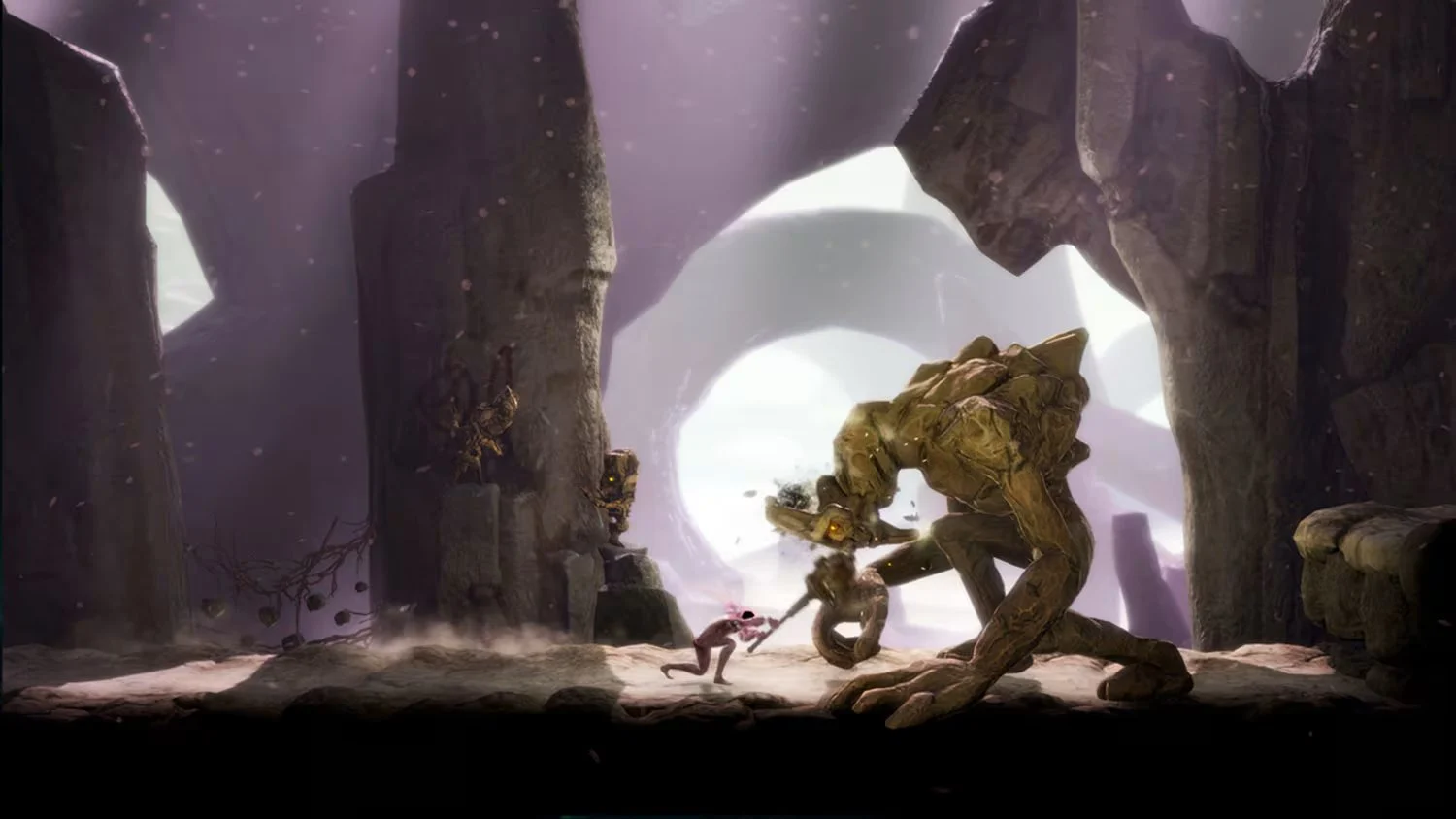
GRIME combat asks for control rather than reckless aggression. Enemy attacks must be observed, then answered with a well-timed dodge, a defensive response, or a deliberate counter. The game’s parry mechanic is especially important because successful parries can absorb enemies, turning a dangerous exchange into a source of progression.
That structure gives each encounter weight. A missed response can be costly, while a correct one creates momentum and provides resources and skill points. Timing therefore matters as much as raw damage. Players are encouraged to learn attack rhythms instead of simply forcing their way through a fight.
Weapons add another layer to the system. GRIME includes living weapons with distinct attack patterns and special abilities, from scythe-like forms to whip-like appendages. Their differing rhythms make weapon choice meaningful: one tool may suit a careful, measured approach, while another can better support a faster style. The game rewards adaptation, particularly when new enemies or bosses expose the limits of a familiar strategy.
Boss battles push these lessons further. The large and often grotesque opponents require patience, strategic thinking, and clean execution. They are natural tests of parry timing, dodge mechanics, weapon familiarity, and build choices.
Build Customization Through Mass, Attributes, and Traits
Absorbing enemies has a practical purpose beyond survival. The mass gained through fallen foes can be invested in character attributes, allowing players to shape a build around their preferred tools and combat habits. Strength, Dexterity, and Resonance are among the attributes available for specialization.
This framework gives the progression system a useful degree of flexibility. A player who prefers a particular living weapon can invest with that weapon’s needs in mind, while another can pursue a different balance of damage, handling, or related capabilities. There is no single combat rhythm imposed by the game’s basic systems; its attributes help support different approaches.
Unlockable traits and passive abilities further expand character customization. These options form a skill-tree-style layer of progression that can complement weapon preference and attribute investment. Experimentation is a meaningful part of the experience, since different combinations can change how confidently a player handles difficult encounters. That variety also gives the game lasting appeal for those interested in testing alternate builds rather than relying on one fixed setup.
Interconnected Exploration, Hidden Paths, and Environmental Challenges
Combat is only one side of GRIME. Its world is sprawling and interconnected, with pathways that loop through strange locations, hidden passages, upgrades, and formidable enemies. Exploration is not treated as a break between battles; it is another way the game challenges attention and curiosity.
Some routes are initially inaccessible. As new abilities are gained, earlier spaces can reveal opportunities that were previously out of reach. This structure makes returning to familiar areas worthwhile, particularly for players willing to search walls, side routes, and suspicious gaps for secrets.
Environmental puzzles and traversal challenges contribute to the pace as well. The game’s alien scenery is more than decoration: it can guide discovery, conceal rewards, or place an obstacle between the player and a useful upgrade. That relationship between navigation and progression helps make the world feel cohesive, even when its imagery is deliberately unsettling.
7 Practical Tips for Starting GRIME Definitive Edition
- Slow down. Patience is essential in early encounters. Rushing into attacks can quickly lead to mistakes, so give enemies time to reveal their patterns.
- Study the timing. Watch how opponents begin, delay, and finish their attacks. Learning those rhythms makes dodges and parries more reliable.
- Parry with purpose. Do not treat the parry mechanic as a random gamble. A successful absorption can provide valuable resources and skill points.
- Try different weapons. Living weapons have distinct patterns and abilities. Weapon experimentation can reveal a style that better matches your reactions and preferred range.
- Spend mass thoughtfully. Strength, Dexterity, and Resonance support different build directions. Consider how an attribute choice fits the weapons and traits you want to use.
- Check every route. Hidden passages, secret upgrades, and ability-gated paths are part of the interconnected world. Revisit earlier areas after gaining new abilities.
- Prepare for bosses. Major fights demand more than damage output. Enter with a familiar weapon, a considered build, and a clear understanding of defensive timing.
GRIME is suited to players looking for an action adventure that pairs demanding timing-based combat with unsettling exploration. Its atmosphere, indirect storytelling, weapon variety, and flexible progression make it especially fitting for those who enjoy uncovering secrets while gradually mastering a difficult combat system.