Formula Legends Switch NSP

Report Link Error
Select the broken download file, then submit the report.
Screenshots
About Game
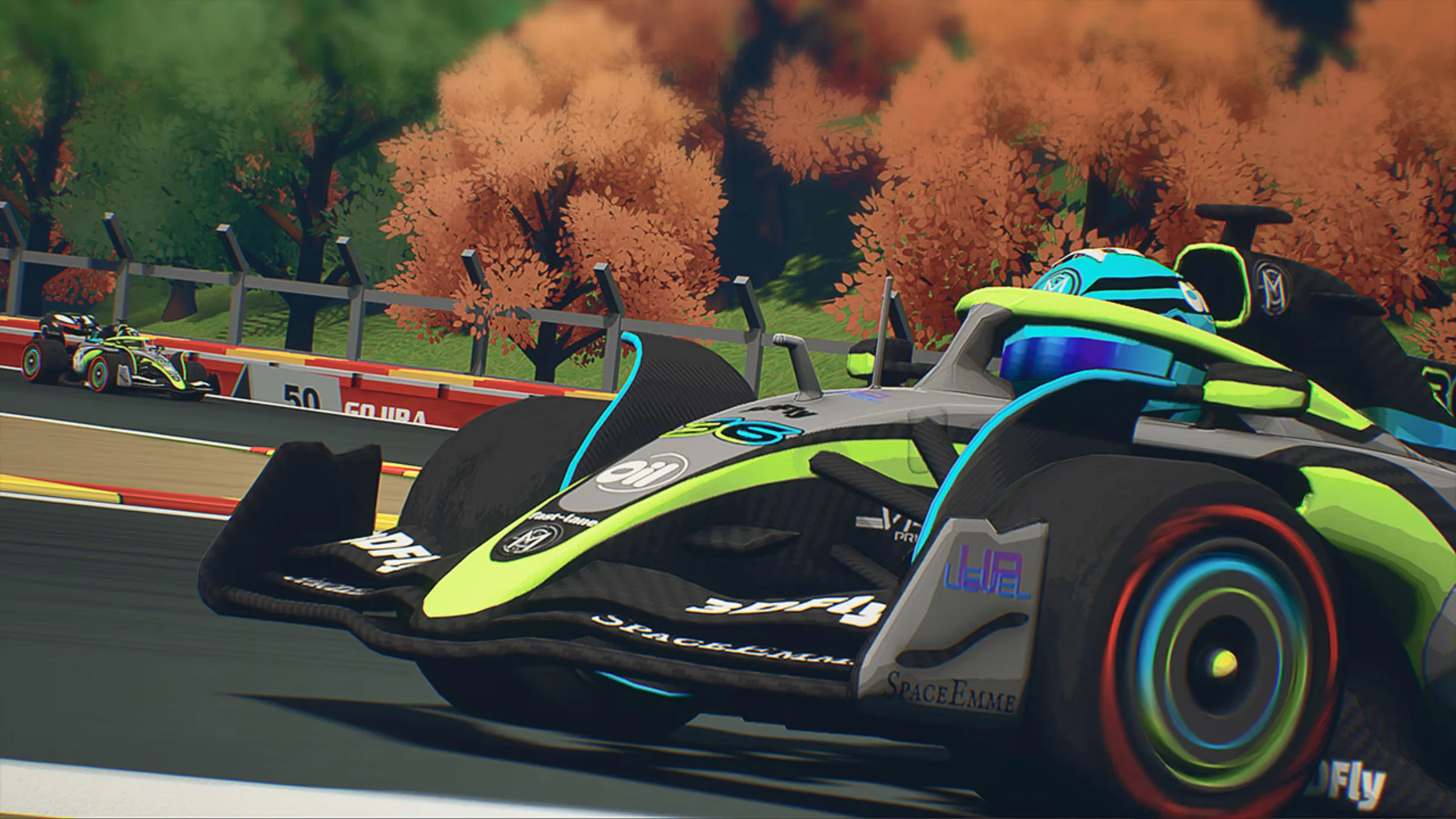
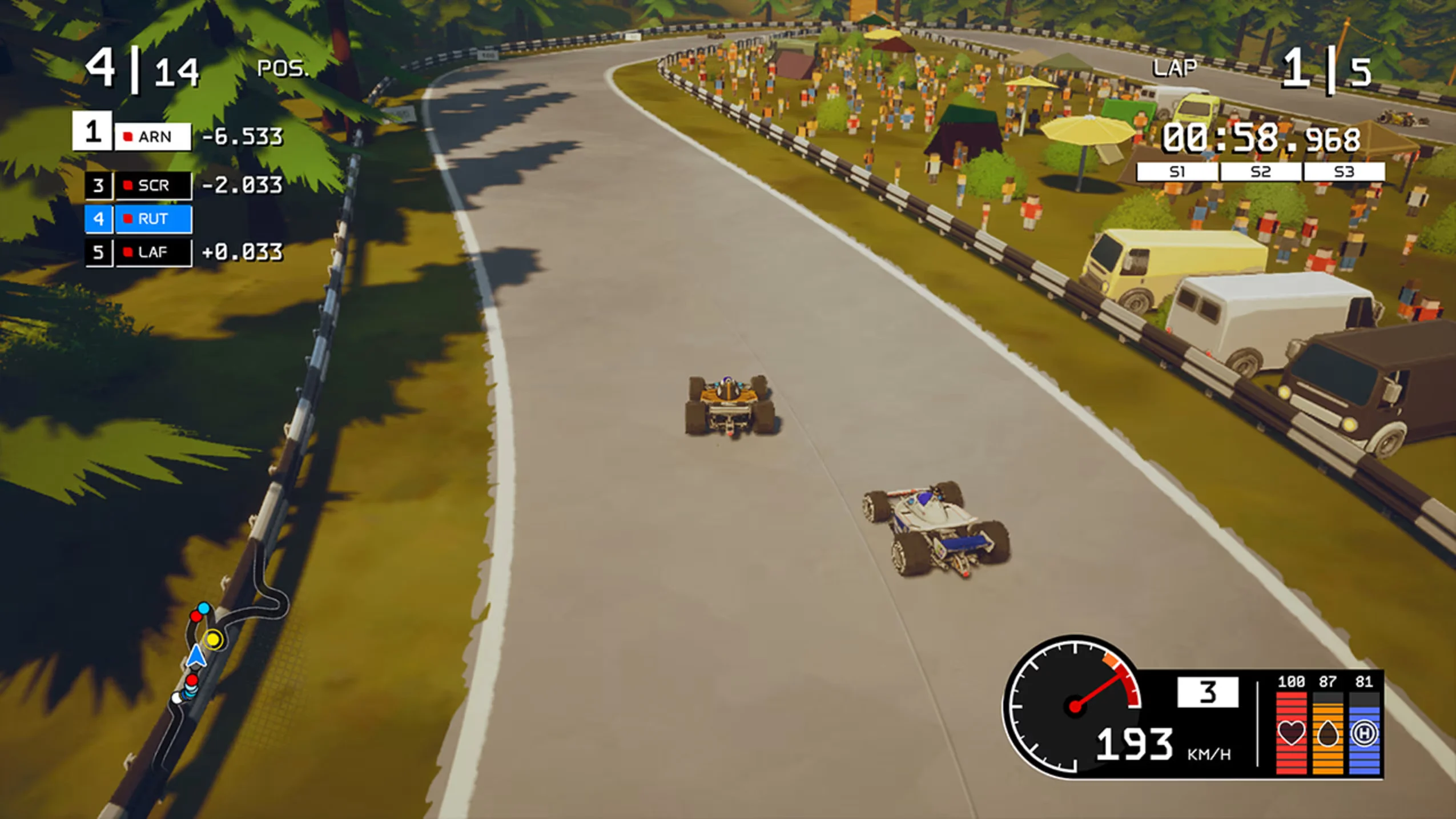
Formula Legends Switch NSP arrives on Nintendo Switch as a Simulation and Racing release from 3DClouds, dated September 18, 2025, in the USA region. It frames formula racing as a portable competition built around speed, circuit knowledge, vehicle setup, and the steady pressure of working toward a title.
Formula Legends on Nintendo Switch: Release and Game Details
Published by 3DClouds, Formula Legends combines the immediate appeal of racing games with systems intended to reward preparation and consistency. Its genre pairing of Simulation and Racing suggests a game interested in more than simply reaching the finish line first: handling, traction, race conditions, and car development all have a place in the experience.
The Switch release supports English, Japanese, Spanish, French, German, Italian, Russian, Portuguese, Korean, Simplified Chinese, and Traditional Chinese. That broad language selection fits a racing game built around international circuits and global competition. The presentation emphasizes high-speed action, responsive controls, and a collection of legendary cars and tracks, giving its races a motorsport-focused atmosphere rather than a purely casual arcade tone.
For players tracking technical metadata, the USA release is listed with Title ID 0100690020FBE000, firmware version 20.3.0.0, and a file size of 4.57 GB. More importantly for play, the game’s design centers on the tension between clean lap execution and the changing demands of a race weekend.
A Formula Racing Career Built Around Championship Ambition
The Formula Legends career mode begins with a rookie driver trying to rise through elite formula racing. Progress is not presented as a single uninterrupted run of victories. Rival drivers, team dynamics, sponsorship pressure, car upgrades, and season finales give the campaign a structure beyond individual events.
Rivals bring a competitive edge to that climb. Their different driving styles make the pursuit of the Formula Legends championship feel less like a sequence of anonymous races and more like an ongoing contest for position. The career’s personal rivalries and unexpected challenges are designed to make setbacks matter, while the season finale provides a natural focal point for a campaign’s accumulated results.
Team management and sponsorship demands also connect driving performance to a wider sense of responsibility. Upgrading the car is part of that process, turning progress into something reflected both in championship ambition and in the machine beneath the driver. It is a career setup suited to players who enjoy racing games with a longer arc, where improvement carries forward from one event to the next.
Arcade Accessibility and Simulation-Inspired Handling
Formula Legends gameplay is positioned between arcade-style accessibility and more realistic handling preferences. Players can choose an approach that better matches their experience, while multiple difficulty settings provide room to adjust the challenge. That makes the game suitable for newcomers learning racing fundamentals as well as drivers looking for more demanding control over their car.
Responsive controls and high-fidelity car handling are central to the intended feel. Speed is only part of the equation; traction matters as cars are pushed through corners, and the physics-driven handling aims to make momentum and control worth managing. A clean exit from a bend can matter just as much as a late braking move, particularly when a circuit asks for several linked turns.
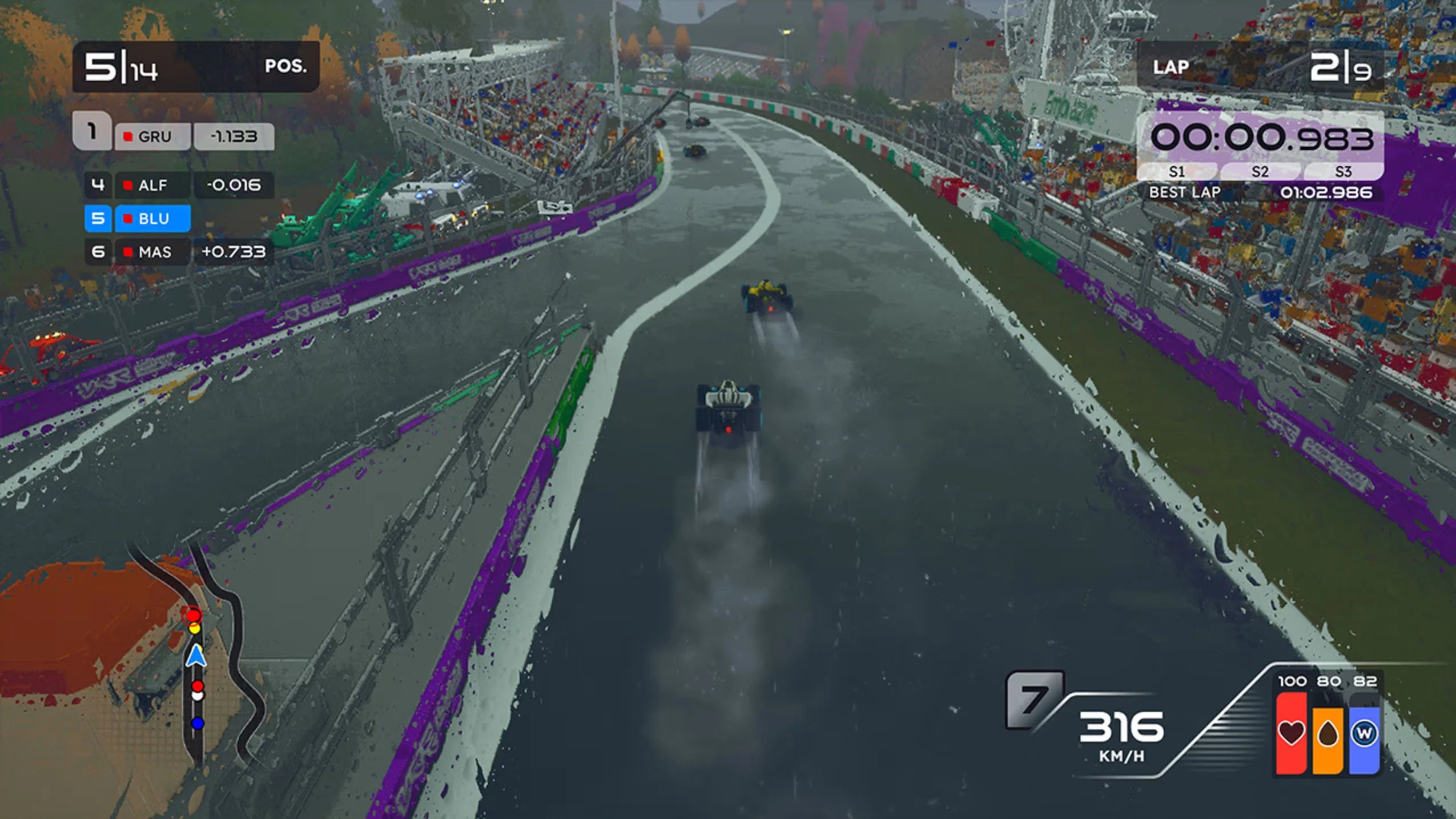
Dynamic weather adds another variable. Changing track conditions can alter strategy during an event, encouraging attention to setup and driving choices rather than reliance on one fixed routine. The result is a racing format where a quick driver still benefits from patience, awareness, and the ability to adapt.
- Learn the circuit: Study the layout before expecting consistently fast laps.
- Brake with purpose: Identify braking points for difficult corners and chicanes.
- Refine the setup: Tire pressure, downforce, and gear ratios can affect performance.
- Respect conditions: Weather can change track behavior and race strategy.
- Build consistency: Repeated practice helps turn a promising lap into a competitive race.
Race Modes Beyond the Career Journey
The career is the game’s progression-focused centerpiece, but it is not the only way to race. Quick races offer a direct route to the track, useful for players who want a single event without the larger campaign context. They can also serve as a low-pressure place to become familiar with a car or circuit.
Formula Legends time trial sessions put attention on precision. With no broader race pack to manage, the challenge becomes finding a cleaner racing line, carrying more speed through a corner, and improving lap time through repetition. This mode naturally complements a handling system built around speed and traction.
Championship series provide another competitive structure, extending the focus beyond one-off results. A series format asks for dependable driving over multiple races, while the career mode ties that kind of performance to the larger rookie-to-contender journey. Together, the available modes give the game replay value for different moods: practice, immediate racing, sustained championship competition, or career progression.
Legendary Global Circuits and Track-Learning Essentials
The selection of legendary global tracks places circuit knowledge near the center of Formula Legends. Each layout asks drivers to recognize where to slow down, where to accelerate, and how to connect corners without losing momentum. The difference between an average lap and a strong one may come from details that are easy to overlook on a first attempt.
Formula Legends racing lines are especially important through complex corners and chicanes. A sound line helps preserve speed, but it also gives the driver a better chance to control the car when traction is limited or conditions change. Learning reliable Formula Legends braking points is equally valuable, since braking too late can compromise the next section of track as much as the current corner.
Vehicle setup supports that learning process. Adjustments to tire pressure, downforce, and gear ratios can influence how a car performs across different track types and weather conditions. The game encourages experimentation rather than a universal solution, making preparation part of the racing challenge.
Local Competition, Leaderboards, and Progression Rewards
Local multiplayer brings the competition into a shared setting, allowing friends to race directly rather than only against computer-controlled opposition. It suits quick sessions as well as repeat races on familiar circuits, especially when players are trying to settle who can find the better line through a difficult section.
For a wider benchmark, Formula Legends global leaderboards give lap times and results a broader competitive context. Time trials become more compelling when a personal best can be measured beyond a single local session, while championship play and career progress provide longer-term reasons to keep returning.
Progression rewards include new cars, liveries, and driver gear. Cars can also be personalized with paint jobs, decals, and performance upgrades, allowing visual identity and racing development to grow together. Mentioned later in the game’s details, Formula Legends Switch NSP presents that combination of customization, circuit mastery, and competitive modes as its main appeal: a racing game for players who enjoy improving both their car and their own driving.