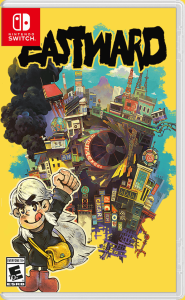
Eastward Switch NSP
Report Link Error
Select the broken download file, then submit the report.
Screenshots
About Game
Eastward Switch NSP refers to the Nintendo Switch edition of Eastward, an action role-playing game released on September 16, 2021. Developed and published by Chucklefish, it brings a vivid pixel-art world to a post-apocalyptic setting shaped by abandoned places, crowded settlements, strange machinery, and a steady sense that the past is still waiting to be understood.
Eastward on Nintendo Switch: A Pixel-Art Action RPG Adventure
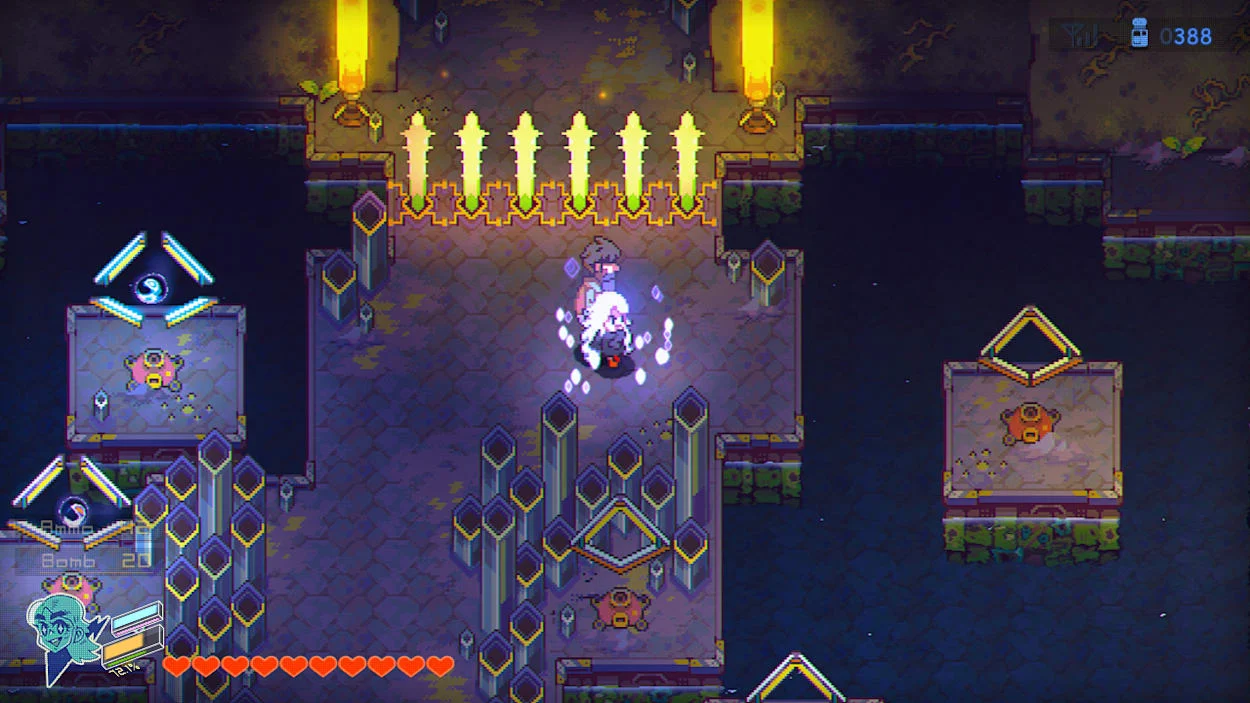
Eastward is built around contrast. Its world has suffered a global catastrophe, yet it is not presented as a colorless wasteland. The game’s pixel art gives towns, factories, underground spaces, and surface ruins a distinctive visual life. Bright details sit beside decaying industrial environments, while the journey moves between intimate character moments and larger questions about a damaged world.
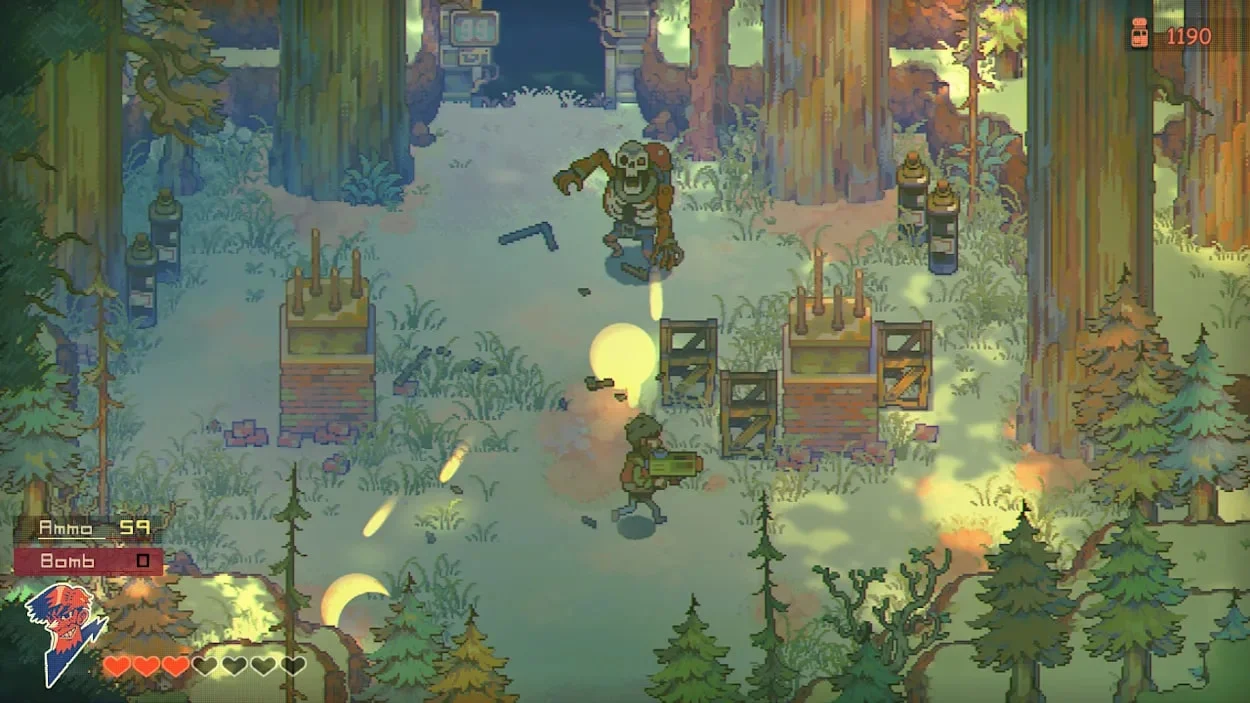
On Nintendo Switch, the game combines action-RPG combat, environmental puzzle solving, and exploration. The pace shifts naturally from battles against dangerous enemies to quieter stretches spent speaking with residents, searching side paths, or gathering useful materials. That variety helps the adventure feel less like a straight march through ruins and more like a trip through a world with its own communities, routines, and lingering mysteries.
The listed release is available for Europe, USA, and JPN regions, with English, Japanese, Korean, and Chinese language support. Its Nintendo Switch metadata identifies the game as Title ID 010071B00F63A000, with a base firmware requirement of v12.0.2 and a listed file size of 1.2GB.
John and Sam: The Unlikely Pair at the Center of Eastward
The Eastward John and Sam relationship gives the story its direction. John is a silent, burly digger whose practical nature suits the harsh conditions around him. Sam is a mysterious young girl with special powers, and her presence introduces questions that extend beyond their everyday life underground. They are very different companions, but their partnership becomes essential as events push them out of familiar territory.
John’s silence leaves room for Sam’s energy and curiosity to shape many encounters, while his actions provide stability when danger arrives. Their bond is not simply a story device: it is reflected directly in how the player approaches combat and puzzles. The two characters bring separate strengths, so progress depends on understanding how those strengths fit together.
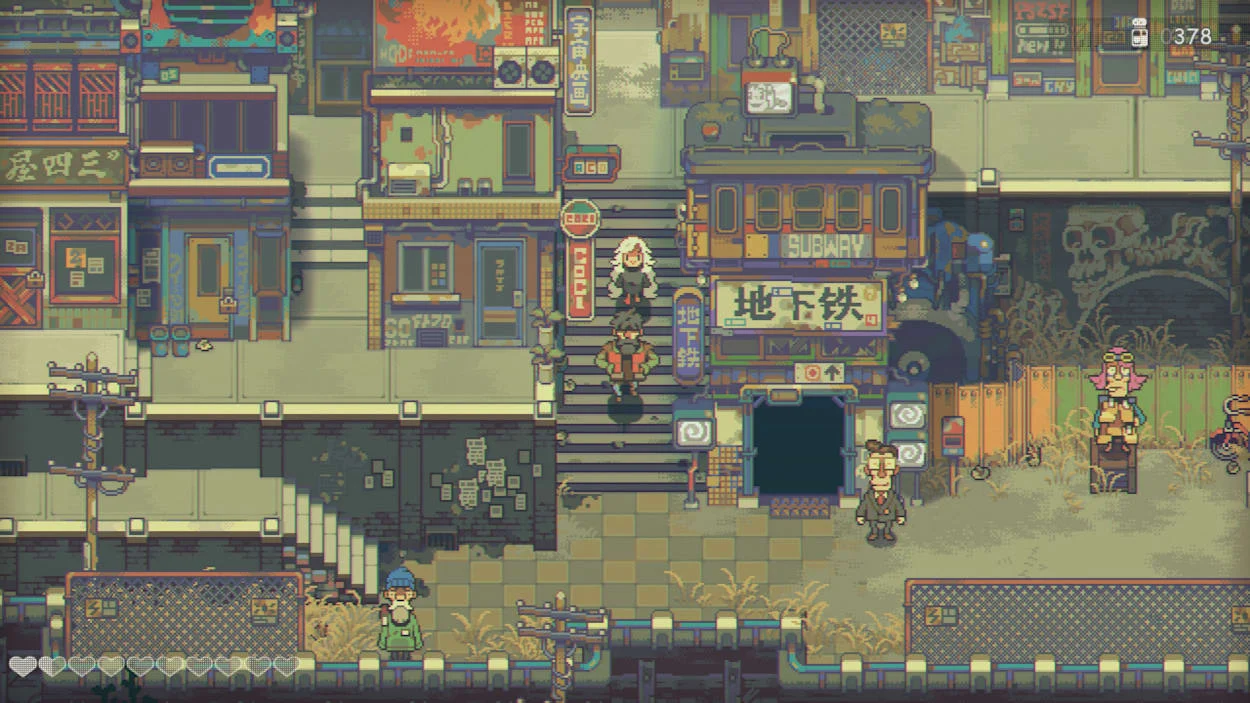
As they travel, John and Sam meet a varied cast of NPCs. Some offer quests, some provide lore, and others add comic relief to a story that also carries melancholy and uncertainty. These interactions give the journey a human scale. The larger mystery concerns the ruin of the world and Sam’s origins, but the people encountered along the way make each destination feel like more than a checkpoint.
From Potcrock Isle to the Surface World
The Eastward Potcrock Isle premise begins below ground. John and Sam live in an underground society that is described as one of humanity’s remaining bastions after the catastrophe. Their routine changes when Sam discovers a strange glowing seed. That discovery becomes the trigger for a journey beyond the confined life they know.
Leaving Potcrock Isle means entering the surface world, a beautifully decaying landscape associated with the Great Rupture. The move from underground society to wide, forgotten spaces gives the story a strong sense of transition. The pair are no longer only trying to navigate their immediate surroundings; they are traveling through the remains of a civilization and gradually uncovering what happened to it.
This setting supports the game’s mix of humor, hope, and sadness. The ruins are not merely backdrops for combat. They are part of the Eastward storyline, suggesting that every abandoned corridor, industrial structure, or settlement may carry a piece of the past. The result is an adventure suited to players who enjoy story-led games with a prominent atmosphere and a colorful presentation rather than a purely combat-focused experience.
How Switching Between John and Sam Shapes Gameplay
Eastward gameplay is organized around controlling John and Sam and switching between them when their different abilities are needed. This structure is central to both progression and problem solving. A route that appears blocked may require one character’s skill to create an opening before the other can move forward.
John handles much of the direct fighting. His weapons include a frying pan and a shotgun, giving him practical tools for real-time encounters. Sam uses her mystical powers in a different way: she can stun enemies and remove environmental hazards. In battle, that makes her useful for controlling threats and creating opportunities for John. In puzzle areas, her abilities can change how the environment is approached.
The dual-character system prevents combat and puzzles from feeling entirely separate. Tougher encounters reward attention to both characters, while environmental challenges often require teamwork rather than a single solution. Players who take the time to switch deliberately, instead of relying on only one protagonist, will be better prepared for obstacles scattered across the journey.
Exploration Across Towns, Factories, and Hidden Corners
Exploration gives Eastward much of its texture. The route passes through populated towns as well as eerie abandoned factories, with each type of place offering a different mood. Towns bring NPC conversations, quests, and pieces of local lore. Industrial ruins create a more isolated feeling, while also providing spaces for combat, hazards, and hidden items.
The game encourages close inspection of each area. Secrets and treasures can be tucked into corners that are easy to pass by during a main-path push. Components found throughout the world can be used to upgrade John’s weapons and gear, giving exploration a clear connection to progression. Ingredients are similarly valuable because they can be turned into meals that restore health and grant temporary buffs.
For players drawn to detailed pixel environments, this is where the presentation has room to breathe. A settlement can introduce a new group of characters; a factory can hint at the world’s former purpose; a hidden route can lead to resources that make later challenges easier. That interplay between discovery, upgrades, and story detail gives the journey lasting momentum.
5 Practical Tips for Navigating Eastward’s Challenges
- Inspect every space. Check corners, side routes, and environmental details for secrets, hidden treasures, ingredients, and useful components.
- Switch with purpose. Use John’s combat tools and Sam’s powers together when enemies, hazards, or puzzles demand more than one approach.
- Gather ingredients. Resources found during exploration are worth collecting because cooking is an important part of staying prepared.
- Cook before trouble. Meals can restore health and provide temporary buffs, making them valuable before difficult encounters or extended exploration.
- Save components for upgrades. Components collected across the journey can improve John’s weapons and gear, supporting stronger combat performance later on.
For players looking for a narrative adventure with real-time combat, puzzle teamwork, and an invitingly detailed pixel-art world, Eastward Switch NSP presents a journey shaped as much by its characters and places as by its fights. Its movement from Potcrock Isle into the Great Rupture keeps the focus on discovery: of hidden paths, unfamiliar communities, and the truths John and Sam are working toward.
Recommended Similar Games
 Godzilla: Destroy All Monsters Melee Remastered Switch NSPView Game
 Summer Party Time Switch NSPView Game
 Bravely Default II Switch NSP XCIView Game
 Mega Man Battle & Fighters Switch NSPView Game
 Fitness Boxing Fist of the North Star Switch NSPView Game
 Legacy of Kain: Defiance Remastered Switch NSPView Game
