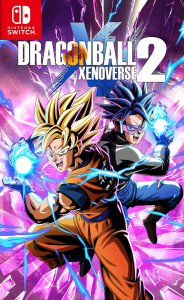
DRAGON BALL Xenoverse 2 for Nintendo Switch NSP XCI
Report Link Error
Select the broken download file, then submit the report.
Screenshots
About Game
DRAGON BALL Xenoverse 2 for Nintendo Switch NSP XCI places a custom-created fighter inside a familiar but unstable version of the series’ history. Released on September 22, 2017, this Bandai Namco Entertainment adventure, fighting, RPG, and action game turns major DRAGON BALL events into missions where the player’s warrior must defend the intended course of time.
A Time Patroller’s Mission Across the DRAGON BALL Timeline
The central role is that of a Time Patroller, a warrior assigned to investigate historical disruptions. Towa and Mira are responsible for tampering with key events, creating altered battles and dangerous outcomes that should not exist. The player’s task is not to rewrite the past for personal gain, but to restore the timeline and protect the moments that define it.
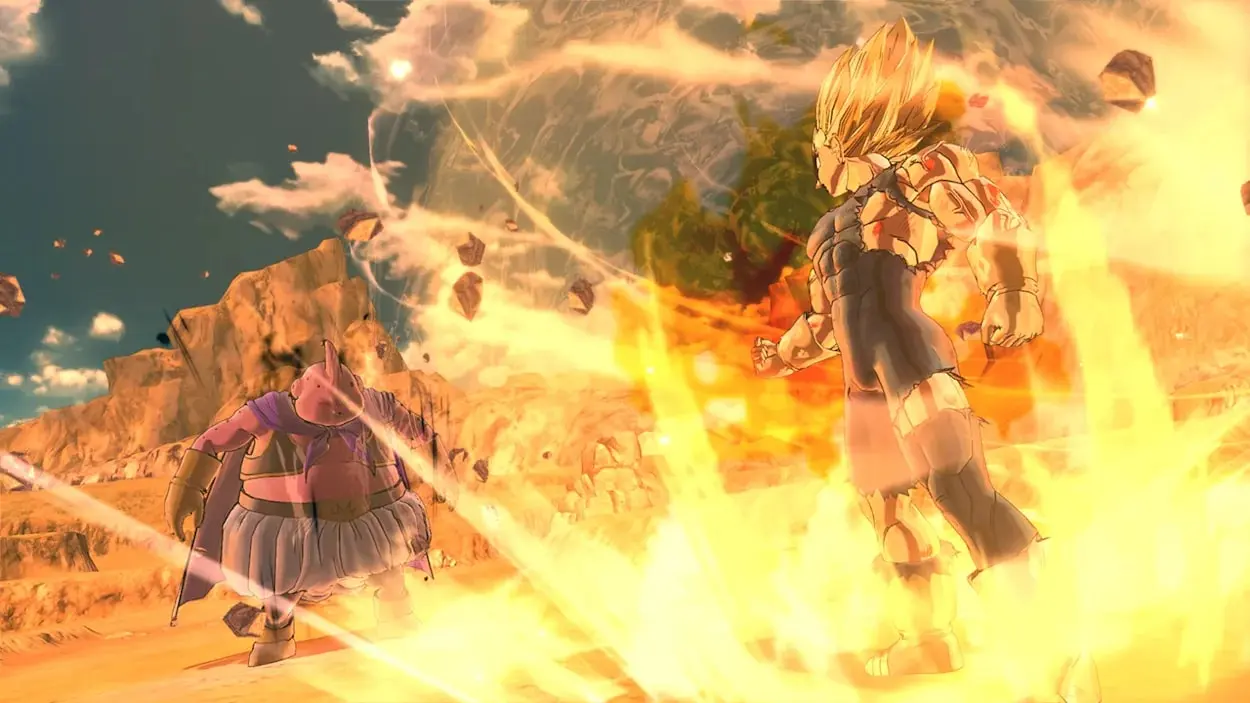
This premise gives the game an effective balance of recognition and surprise. Famous DRAGON BALL eras return as places under pressure rather than simple recreations. Frieza’s assault on Namek, the Cell Games, and Majin Buu’s awakening are among the events threatened by interference. The custom character enters these conflicts as an additional presence, helping established heroes overcome distortions without replacing their place in the story.
That structure makes the DRAGON BALL timeline feel broad and connected. Players move between eras, meet recognizable characters, and see how one altered result can put a larger piece of history at risk. Towa and Mira provide the link between these incidents, while the Time Patroller’s growing strength supports the sense that the character is becoming a meaningful defender of time.
Creating a Warrior From Five Playable Races
DRAGON BALL Xenoverse 2 character creation begins with a choice that shapes more than appearance. The available races are Earthling, Saiyan, Namekian, Frieza Race, and Majin. Each has its own abilities and stat tendencies, giving the player an early direction for how their fighter may perform in battle.
A Saiyan can suit players interested in the series’ famous transformations, including Super Saiyan. The Frieza Race also has a notable transformation in Golden Form. Namekians, Majins, and Earthlings offer their own identities, allowing a custom fighter to feel distinct from the most obvious choices. Appearance options, equipment, costumes, and learned techniques then help develop that identity over time.
The important appeal is long-term ownership of the build. Rather than selecting a fixed roster character and stopping there, players create a warrior whose combat approach can evolve through training, rewards, and collected abilities. A character can be tailored around close-range pressure, ki-focused attacks, or a mixed approach shaped by personal preference.
- Choose a foundation: Earthling, Saiyan, Namekian, Frieza Race, and Majin each provide a different starting identity.
- Build around strengths: Race-specific abilities and stats encourage different priorities in combat.
- Train for new options: Mentors add attacks and abilities that can change a warrior’s approach.
- Collect a look: Equipment and costumes let progression affect both style and function.
- Refine over time: Missions and rewards support continued experimentation with techniques.
How 3D Arena Combat Blends Movement, Ki Blasts, and Ultimate Attacks
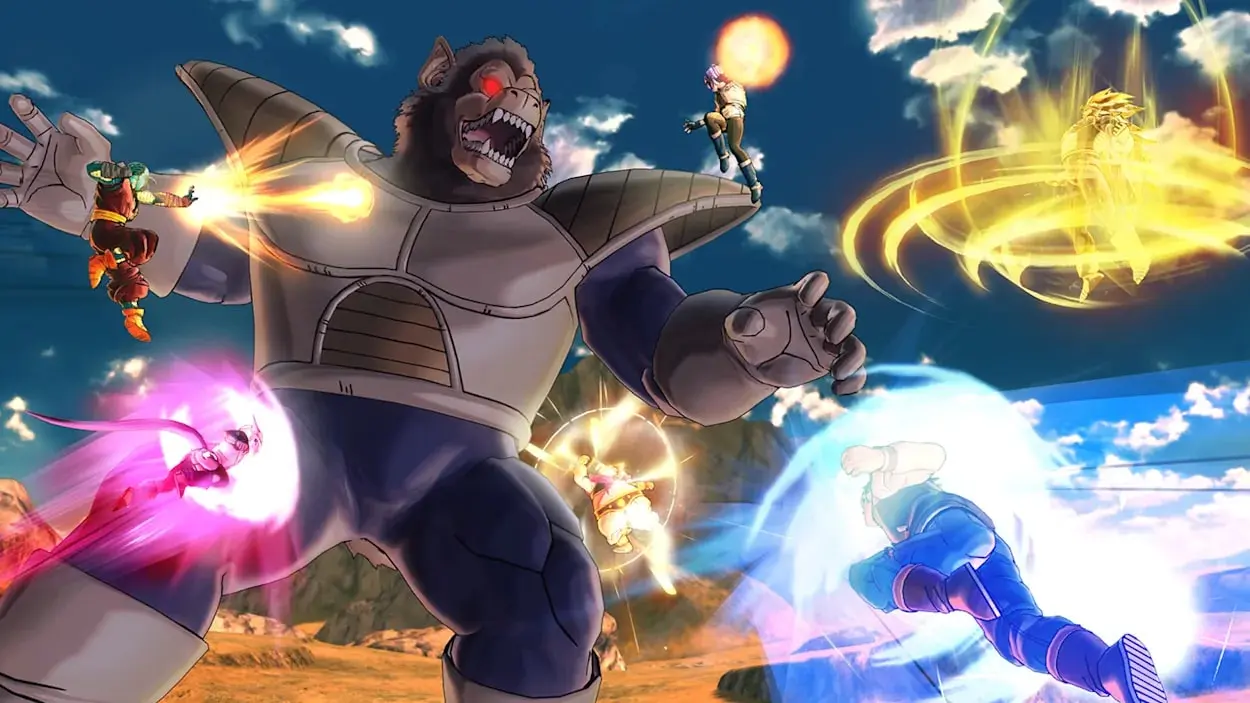
DRAGON BALL Xenoverse 2 combat is built around fast 3D arena battles where movement matters as much as direct attacks. Fighters can take combat into the air, chase opponents across the arena, and create distance before returning with a combo or a ranged technique. This gives encounters a more mobile rhythm than a strictly side-on fighting game.
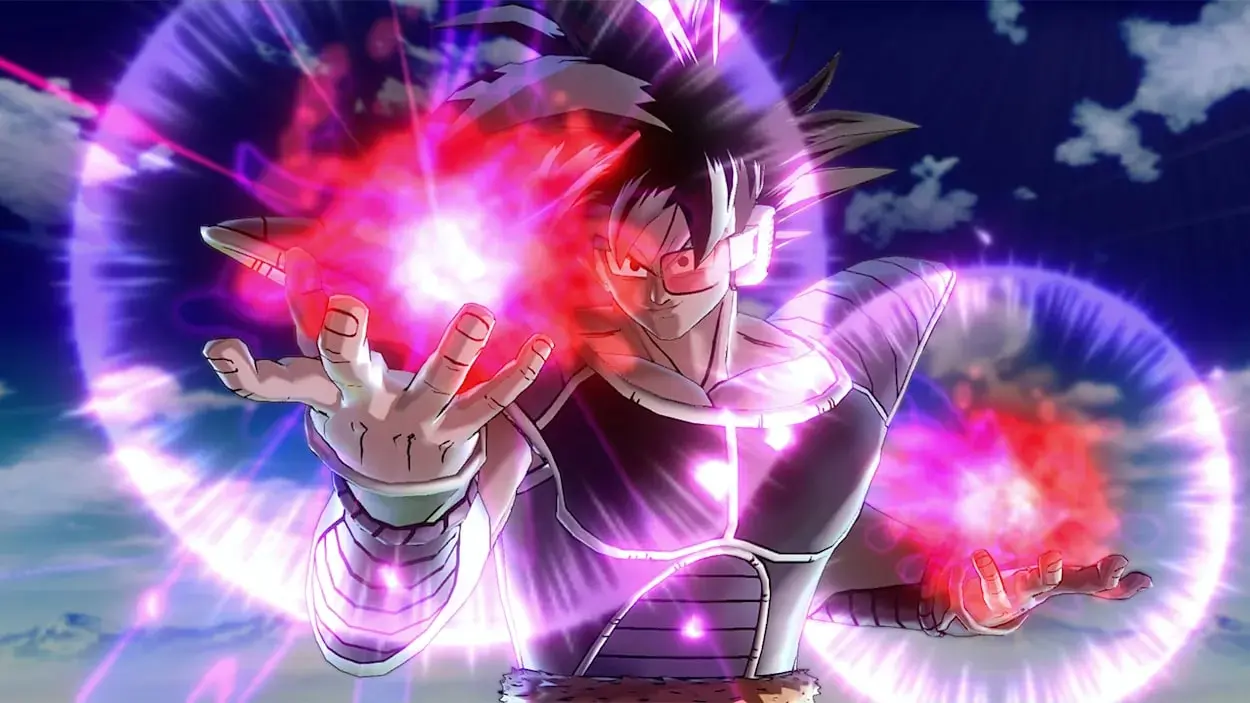
Basic exchanges involve combos, positioning, and timing, but the spectacle comes from ki blasts, special moves, and ultimate attacks. Ki techniques let players threaten from range or extend pressure after an opening. Ultimate attacks add a cinematic flourish, delivering the kind of large-scale finish associated with the DRAGON BALL series.
The system rewards an understanding of a character’s particular strengths. A fighter designed for melee may need to stay close and maintain momentum, while a ki-oriented build can create opportunities through ranged attacks. Aerial movement makes those choices more active, since opponents are rarely confined to a single plane. The result is combat with room for both quick reactions and deliberate build planning.
Conton City as the Center of Training and Preparation
Between missions, Conton City functions as the game’s main hub world. It is where the Time Patroller prepares for the next assignment, visits shops, meets NPCs, trains, and accesses activities that contribute to character progression. Rather than presenting the game as an uninterrupted chain of battles, the hub gives the adventure a place to pause and organize the next steps.
Its purpose is practical as well as atmospheric. Players can consider equipment, seek training, and look for missions before returning to the action. For a game built around a custom warrior, that preparation matters: Conton City connects the story campaign to the systems that expand a fighter’s options.
The hub also supports the social side of the experience through interactions with other players, alongside online multiplayer battles and cooperative missions. Even when the focus remains on personal progression, Conton City frames the Time Patroller as part of a larger community of fighters preparing for threats across history.
Parallel Quests and the Rewards of Side Challenges
DRAGON BALL Xenoverse 2 Parallel Quests provide a clear reason to keep fighting beyond the main story. These side missions introduce extra battles and distinct challenges, while offering rewards that can strengthen or personalize a character. They are not merely distractions; they feed directly into the collection of equipment, costumes, and techniques that defines a custom warrior.
This loop gives the game replay value without separating progression from action. A player can return to side missions in search of different rewards, test a newly learned move, or pursue a piece of gear that better suits their current build. The structure also encourages broader familiarity with the combat system, since additional battles create more chances to practice movement, combos, and special attacks.
For players who enjoy steadily expanding a character’s toolkit, these missions can be as important as the timeline-focused campaign. They make growth feel tied to continued participation rather than a fixed set of story moments.
Learning Signature Techniques Through Mentors
The mentor system brings recognizable DRAGON BALL characters into the custom fighter’s development. Through training, the Time Patroller can learn signature attacks and abilities associated with these established characters. That gives progression a personal flavor: new techniques are not simply abstract rewards, but skills connected to the wider world of the series.
For a custom warrior, those lessons create useful flexibility. A mentor’s techniques can support a preferred combat style or encourage a different one, giving players reasons to revisit their build choices. Combined with race selection, equipment, and parallel quest rewards, mentor training helps turn the character into something more specific than a visual avatar.
DRAGON BALL Xenoverse 2 for Nintendo Switch NSP XCI is suited to players who want DRAGON BALL history, character customization, and energetic arena fighting to work together. Its Time Patroller premise supplies the narrative thread, while Conton City, optional challenges, and mentor lessons keep the focus on building a warrior capable of facing the next disruption.