Card-en-Ciel Switch NSP
Report Link Error
Select the broken download file, then submit the report.
Screenshots
About Game
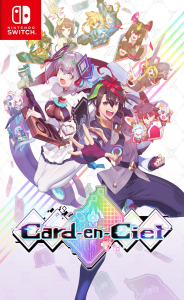
Card-en-Ciel Switch NSP brings together strategic card battles and rhythm-based timing in a digital adventure built around virtual idols, musical power, and a world under threat. Published by Inti Creates, this RPG and simulation title released in the USA region on October 24, 2024. Its combination of deck construction, turn-based encounters, and beat-conscious inputs gives the game a clear identity: planning matters, but execution matters too.
Card-en-Ciel on Nintendo Switch: Game Overview
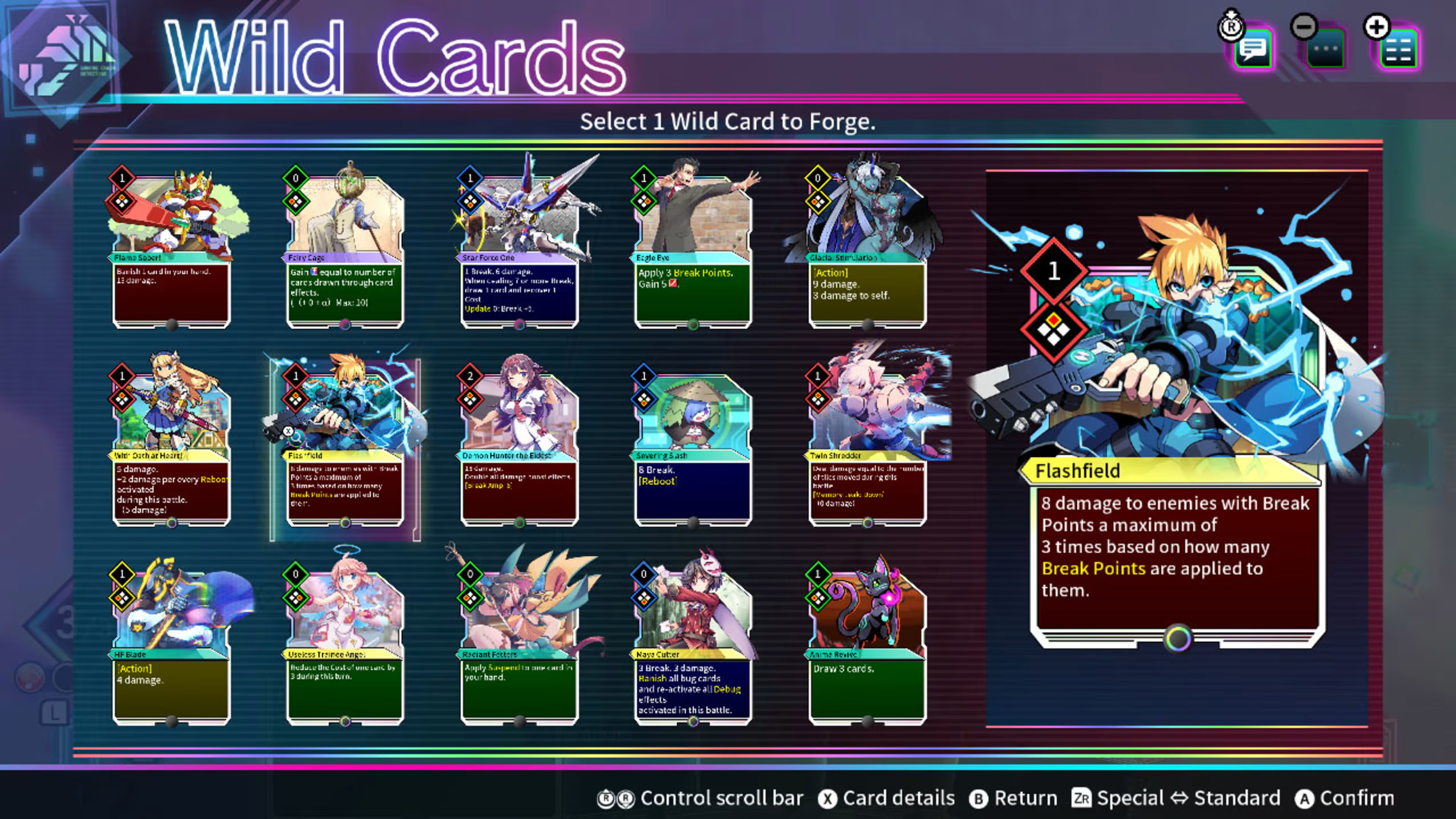
Card-en-Ciel Switch is positioned as an RPG simulation game with a strong card-game foundation. Players collect Idol Cards, assemble a deck, and take those cards into battles where their individual abilities, statistics, skills, and musical attributes influence the available tactical options. The card system is not presented as a simple collection exercise; each performer is intended to fill a different role, making selection and combination important before a fight begins.
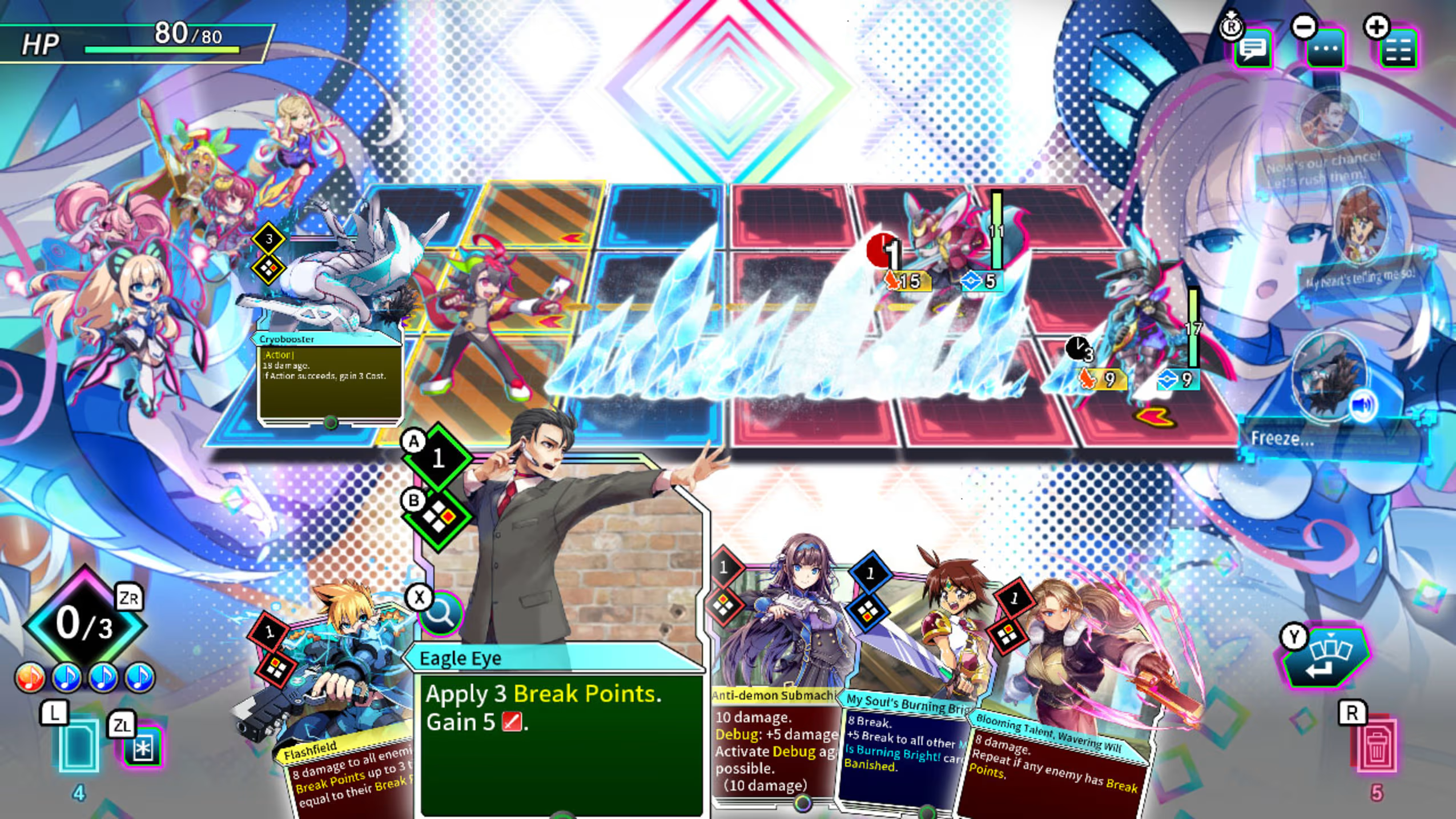
Inti Creates frames the experience around music as both a story element and a gameplay tool. Battles do not rely only on choosing the strongest available card. A rhythm interface appears during encounters, asking players to respond in time with the music to improve the effect of their decisions. That design gives the game two connected demands: build a capable deck, then use it with steady timing.
The atmosphere is rooted in a colorful virtual setting rather than a conventional fantasy world. Digital performers, corrupted data, hostile Noise, and changing areas within The Stage give the RPG structure a distinctly electronic musical context. Supported languages include English, Japanese, Korean, Chinese, and Traditional Chinese.
Pialli’s Mission in The Stage
The Card-en-Ciel story follows Pialli, a fledgling music producer drawn into a crisis affecting virtual idols. Those idols are trapped within a digital world known as The Stage, where a destructive force called the Noise is corrupting their data and silencing their songs. Pialli’s role is to help recover them by gathering Idol Cards that contain parts of the performers’ musical essence and power.
That premise gives the card collection system a direct narrative purpose. The Idol Cards are not detached pieces of equipment; they represent the performers Pialli is trying to save. As the journey progresses, the larger condition of The Stage and the intentions behind the Noise become part of the unfolding story. The setup also leaves room for encounters with different idols, each contributing their own abilities and presence to the growing deck.
The conflict is personal in scale as well as digital. Restoring music to The Stage means confronting a corruption that threatens both the idols’ identities and the world that supports them. It is a premise suited to players who enjoy RPG stories where character collection, progression, and the central quest are closely linked.
Rhythm Timing and Card Effectiveness
Card-en-Ciel rhythm combat joins turn-based card battles with a timing challenge. When notes appear during battle, successful inputs in sync with the music can strengthen the result of a card play. Well-timed actions may amplify abilities, increase attack power, provide defensive buffs, or help trigger special effects. The rhythm element therefore affects performance rather than sitting apart from the battle system.
This makes each encounter a test of more than deck strength. A useful card can become more effective when played with accurate timing, while a missed note can weaken an attack or leave the player more exposed to enemy pressure. The system asks for attention across two layers: the strategic decision of what to play and the rhythmic precision required to gain the best outcome.
That balance is especially relevant in harder encounters and boss battles. Noise bosses are designed to test deck-building choices alongside rhythm skill, so success depends on careful preparation and clean execution. Players who prefer a rhythm card game with immediate input demands may find that tension central to the appeal, while strategy-focused players still have reason to refine their card choices before entering a challenge.
Building an Idol Card Deck for Different Challenges
A strong Card-en-Ciel deck strategy begins with recognizing that different Idol Cards excel in different situations. Cards have distinct skills, statistics, and elemental properties, which creates room to experiment rather than rely on one fixed approach. Encounter types, enemies, and bosses can place different demands on a deck, making flexibility valuable as The Stage opens into new challenges.
- Compare roles: Review each Idol Card’s skills, stats, and attributes before deciding what it contributes to the deck.
- Test combinations: Mix different cards to identify effects and strengths that work well together.
- Look for synergy: Favor card pairings that support a shared battle plan instead of treating every selection separately.
- Prepare for variety: Adjust the deck when facing different enemies, environmental challenges, or major Noise encounters.
- Match timing to tactics: Use a deck whose effects can benefit from consistent rhythm inputs during combat.
Replay value comes naturally from that experimentation. The available collection of Idol Cards supports trying new combinations, while the rhythm component can change how confidently a particular setup performs in practice. A deck that looks effective in theory may ask for more reliable note timing during combat, encouraging players to revisit their choices and refine both their strategy and execution.
Idol Card Development, Skills, and Evolution
Progression in Card-en-Ciel Idol development extends beyond finding new cards. Idol Cards can be leveled up, improving their stats and unlocking additional skills. This gives individual cards a longer-term role in the player’s strategy, allowing a favored performer to become more useful as challenges grow tougher.
Some eligible cards can also evolve into stronger forms. Evolution provides another way to increase overall deck power, while new skills and improved statistics can reshape how a card fits into a battle plan. The system encourages players to consider not only which cards are useful now, but which ones may become more valuable through continued development.
Because card growth connects to deck construction, progression is not limited to raw numbers. An evolved card or a newly unlocked skill may create a better synergy with other idols, open a different tactical option, or help address a weakness against a particular enemy. This layered approach suits players who enjoy gradually shaping a team through collection, leveling, and strategic adjustment.
Exploring the Digital Environments of The Stage
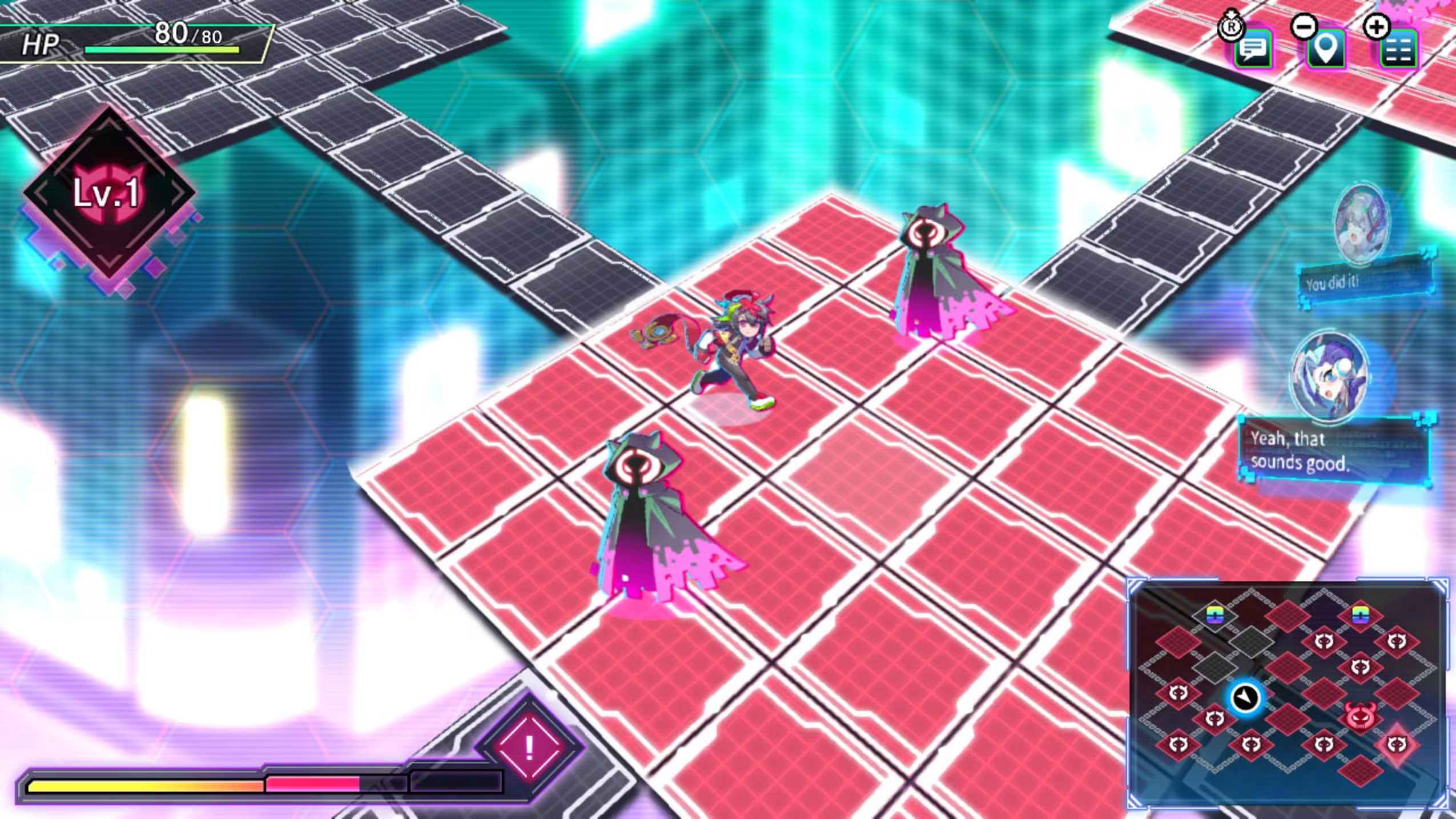
The Stage environments give the game’s card battles a broader RPG setting. Pialli travels through vibrant digital areas, each containing its own challenges, enemies, and story elements. Exploration is not only a route between fights: hidden pathways and valuable resources reward attention to the spaces within this digital world.
The changing environments also help reinforce the premise of a world affected by corruption. As players move through The Stage, they encounter the consequences of the Noise while pursuing trapped idols and learning more about the crisis. Battles, exploration, story progression, and resource discovery are tied together by the same goal of restoring harmony to the virtual performers’ world.
For players drawn to card game strategy, rhythm timing, and RPG progression in one structure, Card-en-Ciel offers a focused mix. Its strongest appeal lies in the way its systems overlap: an Idol Card deck determines the available tools, rhythmic accuracy improves their impact, and development choices shape how those tools change over time.