Capcom Arcade Stadium Switch NSP
Report Link Error
Select the broken download file, then submit the report.
Screenshots
About Game
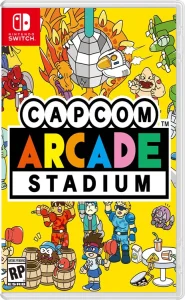
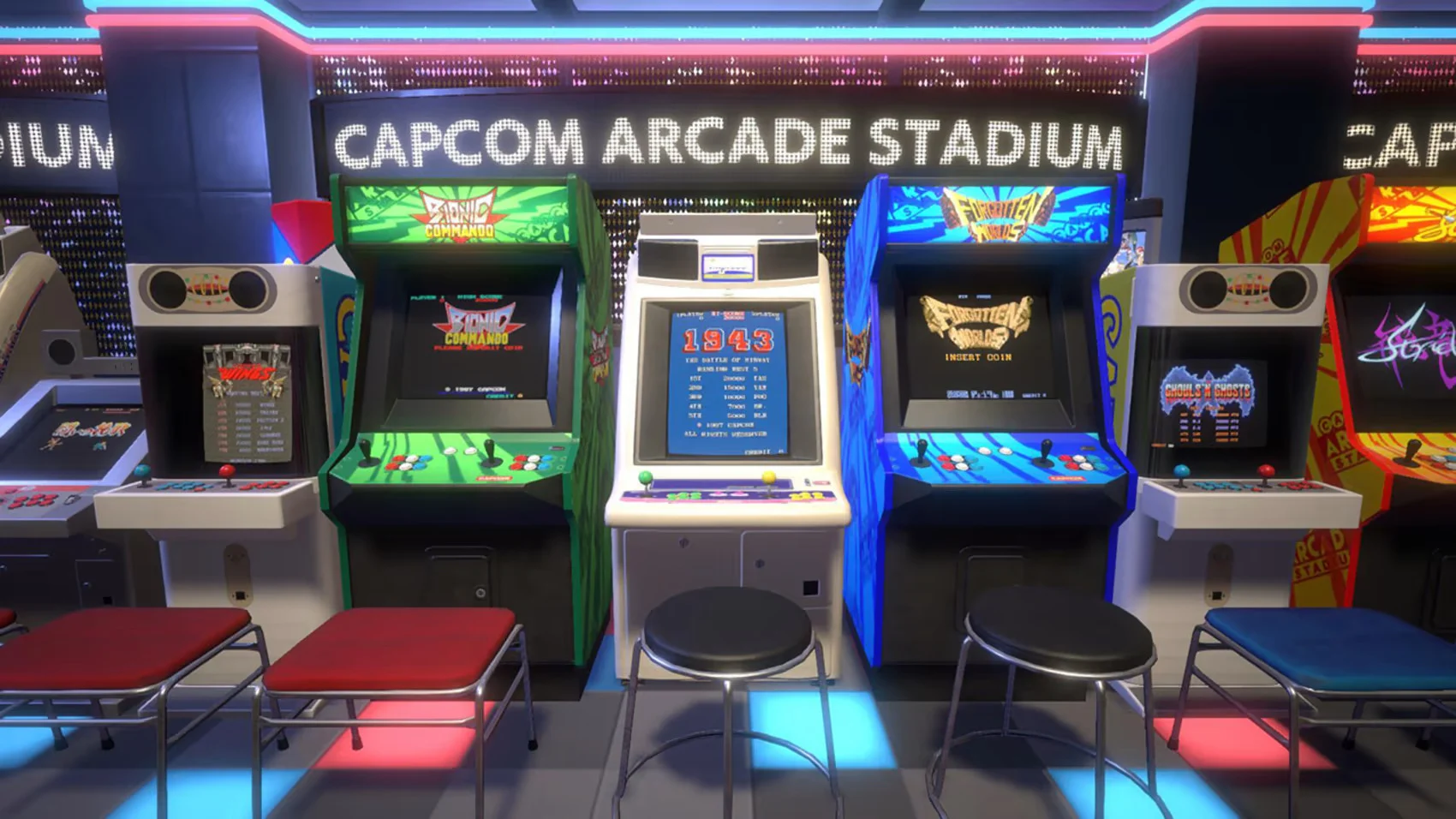
Capcom Arcade Stadium Switch NSP brings a broad selection of Capcom’s arcade legacy to Nintendo Switch, framing it as a collection rather than a single new adventure. Released in the USA on February 17, 2021, this Action and Arcade title provides a compact way to revisit the speed, pressure, and visual character associated with coin-operated games. Its appeal is rooted in preservation: these are games built around immediate rules, demanding encounters, and the desire to improve one more run.
Capcom Arcade Stadium on Nintendo Switch: A Celebration of Arcade History
Capcom arcade history covers many different kinds of experiences, and this Nintendo Switch arcade collection reflects that variety without forcing its games into one shared identity. The collection format matters because it lets each included title retain its own tone. One game may ask for sharp fighting-game reactions, while another can lean on projectile-heavy action or precise movement.
That makes the atmosphere feel less like a campaign and more like moving between cabinets in an arcade. Players can spend a few minutes chasing a higher score, settle into a longer session, or return to a familiar challenge after time away. The original arcade sensibility remains central: clear goals, quick restarts, and escalating pressure shape the experience.
Capcom Arcade Stadium supports English, French, German, Italian, Spanish, Japanese, Portuguese, Russian, Chinese, and Korean. Alongside its USA release information and Nintendo Switch format, those language options help position the collection as an accessible home for games from several eras of Capcom’s arcade output.
Why the Collection Has No Single Storyline
There is no single Capcom Arcade Stadium storyline connecting every game in the collection. Instead, its larger through-line is the history of arcade design: different genres, different settings, and different interpretations of action created across decades. Each title arrives with its own objective and mood, rather than serving one combined plot.
This structure suits classic Capcom games. A fighting game can focus on its individual matchups and rivalries, while a shooter can build its identity around survival, enemy formations, and score-building. Street Fighter II and Giga Wing illustrate that range: they belong to the same broad arcade tradition but offer distinctly different types of play.
The result is a collection that rewards curiosity. Progression does not need to mean unlocking the next chapter of one narrative. It can mean understanding another game’s pace, reaching a previously difficult stage, or turning a short-lived attempt into a more confident run.
Classic Arcade Action Across Different Game Styles
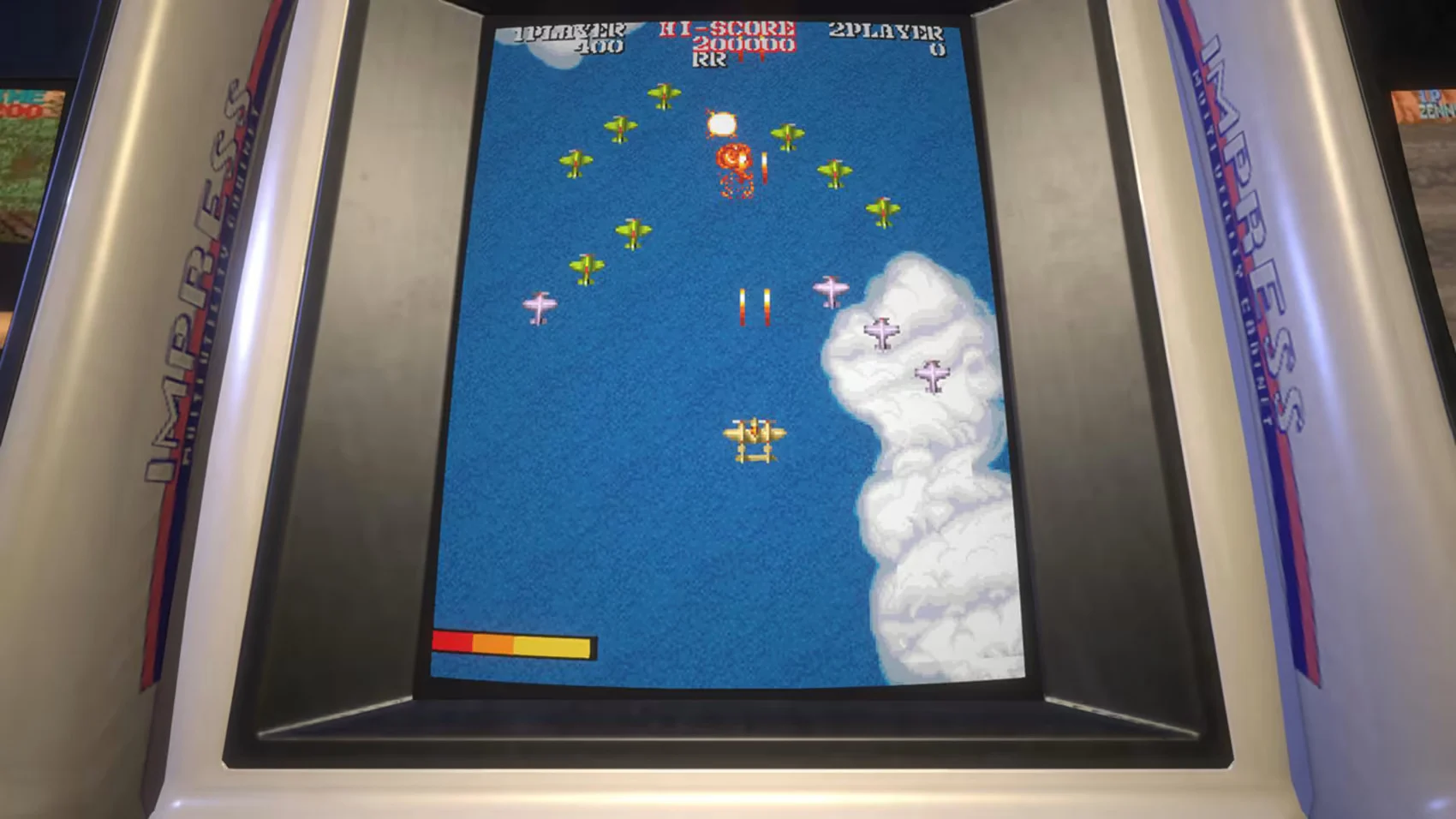
Capcom Arcade Stadium gameplay is united by its action-and-arcade focus, but the pace can change considerably from game to game. Street Fighter II represents the direct, competitive tension of one-on-one fighting, where timing and responses matter from moment to moment. Giga Wing points toward a different kind of intensity, built around the demands of arcade shooting action.
That variety gives the collection replay value beyond a single preferred genre. A player may return to Street Fighter II for its focused confrontations, then switch to Giga Wing for a faster and more crowded challenge. The collection does not require every title to play alike; its strength comes from allowing different mechanical traditions to sit beside one another.
- Immediate objectives: Arcade games tend to establish their challenge quickly, making short sessions feel purposeful.
- Skill through repetition: Repeated attempts reveal timing, routes, enemy behavior, and safer decisions.
- Different rhythms: Fighting, shooting, and other arcade styles ask players to adjust their reactions and priorities.
- Score-focused motivation: High-score pursuits give successful runs another reason to continue.
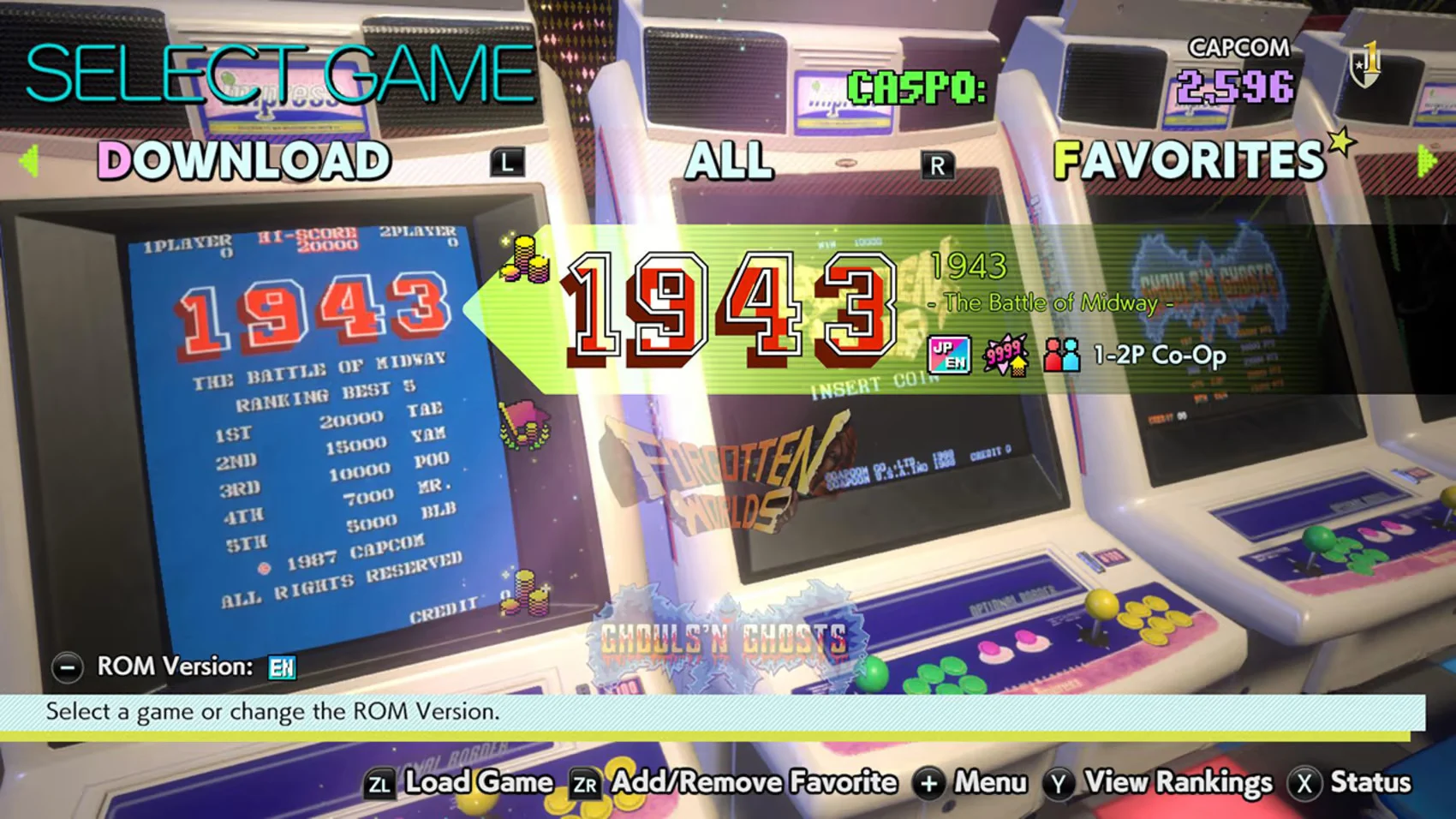
- Worldwide competition: Online leaderboards add a way to compare scores with other players on each game.
Modern Convenience Features for Challenging Classics
Older arcade games are often remembered for their difficulty, and the collection provides options that can soften that pressure without removing the underlying design. Save states allow progress to be saved at any point, which is especially useful for portable play or for returning to a demanding section without starting a whole session again.
Adjustable difficulty offers another way to shape the experience. Players learning an unfamiliar game can reduce some of the initial resistance, while those seeking a tougher test can preserve a more punishing pace. Adjustable game speed is similarly flexible: slowing a game down can create room to observe a hectic sequence, while faster settings can sharpen an already demanding run.
The second use of Capcom Arcade Stadium Switch NSP is not simply nostalgic. Its convenience features acknowledge that modern players may approach arcade challenges in shorter sessions, with different levels of experience and different goals. The original-style tension remains meaningful, but the route to learning it can be less unforgiving.
Display Settings That Shape the Retro Presentation
Presentation is part of the collection’s appeal. Capcom Arcade Stadium display settings include screen filters, frames, and aspect-ratio choices, allowing players to tailor how the games appear on the Switch screen. These options do not change the central mechanics, but they can change the feeling of sitting down with an older arcade title.
Filters can support a more retro-styled image, while frames can give the display a cabinet-inspired border. Aspect-ratio choices provide another degree of control over the game’s presentation. Some players may prefer a clean and direct screen layout; others may want a look that more closely recalls older display technology.
These adjustments help the collection serve two audiences at once. Longtime arcade players can tune the image toward a familiar presentation, while newcomers can choose a view that feels clear and comfortable for learning fast-moving action.
Using Rewind to Learn Difficult Arcade Sequences
The rewind feature is particularly useful as an arcade practice tool. Missing a jump, taking a hit during an enemy encounter, or making a poor decision in a difficult sequence does not have to end the lesson. Rewinding a few seconds lets players revisit the moment and try a different input, position, or timing.
That changes the rhythm of failure. Instead of treating every mistake as lost progress, players can examine why it happened. A missed jump may reveal that an input came too early. An enemy pattern may become easier to read after several quick attempts. Rewind supports experimentation while leaving the challenge itself visible.
For players drawn to retro game challenge but cautious about arcade difficulty, this is one of the collection’s most practical features. Save states can create personal checkpoints, while rewind can refine performance inside a single troublesome moment. Together, they make room for gradual improvement without losing the brisk, demanding character that defines these classics.
Recommended Similar Games
 River City Saga Three Kingdoms Next Switch NSPView Game
 Tales of Xillia Remastered Switch NSPView Game
 Shovel Knight Treasure Trove Switch NSPView Game
 BloodRayne Betrayal: Fresh Bites Switch NSP XCIView Game
 The Legend of Zelda: Link’s Awakening Switch NSP XCIView Game
 ASSASSIN’S CREED THE EZIO COLLECTION Switch NSPView Game
