Cadence of Hyrule: Crypt of the NecroDancer Featuring The Legend of Zelda Switch NSP XCI
Report Link Error
Select the broken download file, then submit the report.
Screenshots
About Game
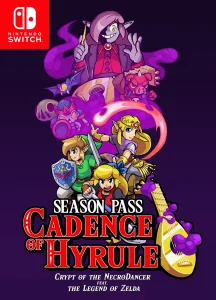
Cadence of Hyrule: Crypt of the NecroDancer Featuring The Legend of Zelda Switch NSP XCI frames Hyrule as a place where exploration, combat, and survival are governed by music. Developed by Brace Yourself Games and published by Nintendo, this adventure-music crossover brings the recognizable heroes, locations, items, and threats of The Legend of Zelda into a rhythm-led format shaped by the ideas behind Crypt of the NecroDancer.
A Zelda Adventure Built Around the Beat
Cadence of Hyrule is built on an unusual but clear pairing: a fantasy journey through Hyrule and a rule set that asks players to act in time with a soundtrack. Link, Princess Zelda, and Cadence occupy the same adventure, but the familiar sense of discovery comes with a new demand. Steps, attacks, and encounters are tied to musical timing.
The result is not simply a Zelda setting with music in the background. Rhythm affects how the adventure moves. A room full of enemies becomes a puzzle of position and tempo, while a trip through the overworld asks for awareness of the next beat as much as awareness of the next path. Familiar Zelda-style elements, including dungeons, secrets, puzzles, equipment, and boss encounters, are filtered through the pace of a rhythmic challenge.
That combination gives the game a lively presentation. Hyrule is still a land under threat, but its danger is expressed through a musical pulse that turns ordinary movement into part of the action. The crossover works because the two sides are allowed to meet directly: Zelda’s adventure structure supports exploration and progression, while Crypt of the NecroDancer’s rhythm focus gives every encounter a distinct cadence.
Octavo’s Musical Curse on Hyrule
The Cadence of Hyrule story begins with Octavo, a sorcerer who uses his lute to place Hyrule under a sleeping spell. His magic controls the land’s rhythm, leaving the kingdom in a dangerous musical hold. Link and Zelda are caught in the slumber, and the situation calls for someone outside Hyrule’s usual order of heroes.
Cadence arrives from the world of Crypt of the NecroDancer and is drawn into this unfamiliar version of Hyrule. Her arrival sets the recovery effort in motion. As the adventure develops, Cadence, Link, and Zelda work toward ending Octavo’s curse by seeking legendary instruments. The premise gives the quest a direct purpose: restore the kingdom by breaking the spell that has taken control of its rhythm.
Octavo’s role also fits the game’s central idea neatly. The antagonist does not merely threaten Hyrule with force; he turns music itself into the means of control. That makes the heroes’ beat-based movement feel connected to the story rather than added on as a separate system.
Why Every Move Depends on Musical Timing
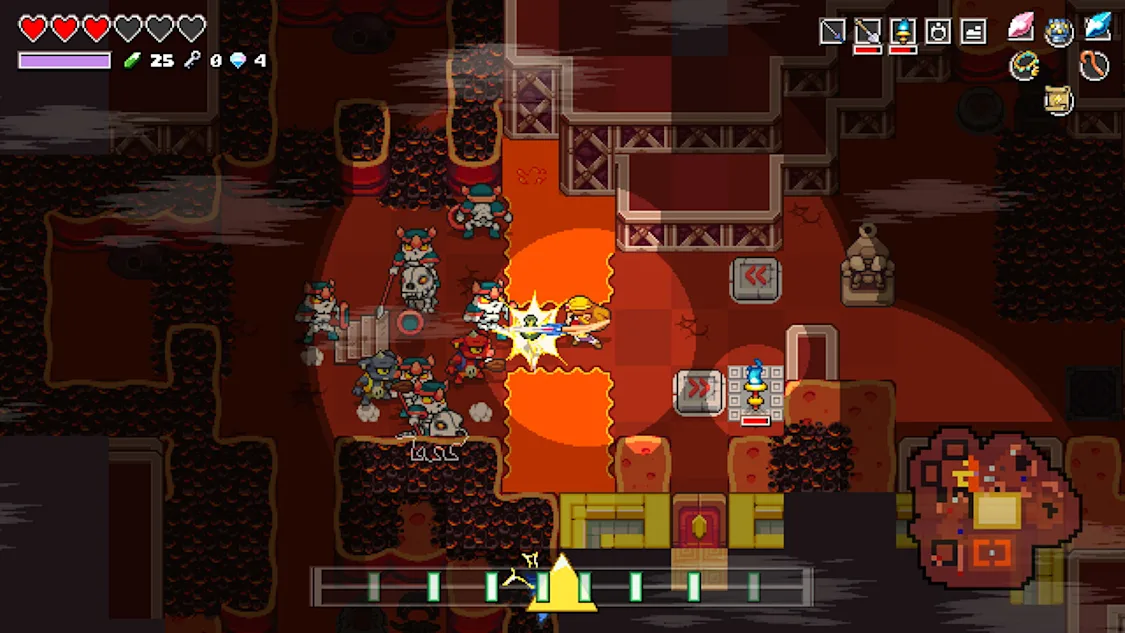
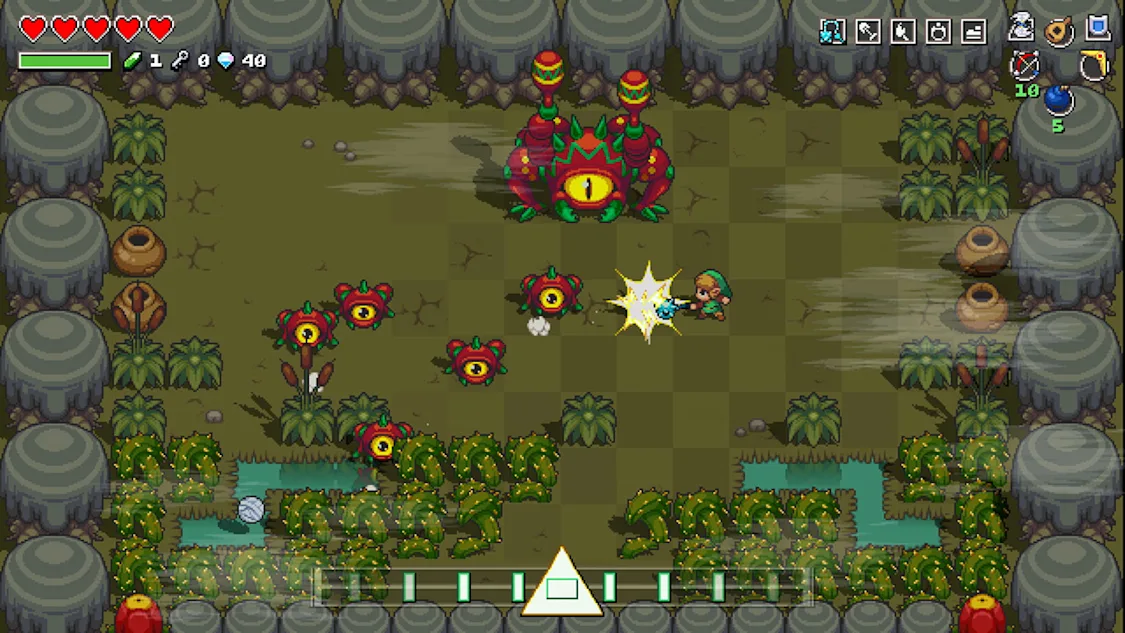
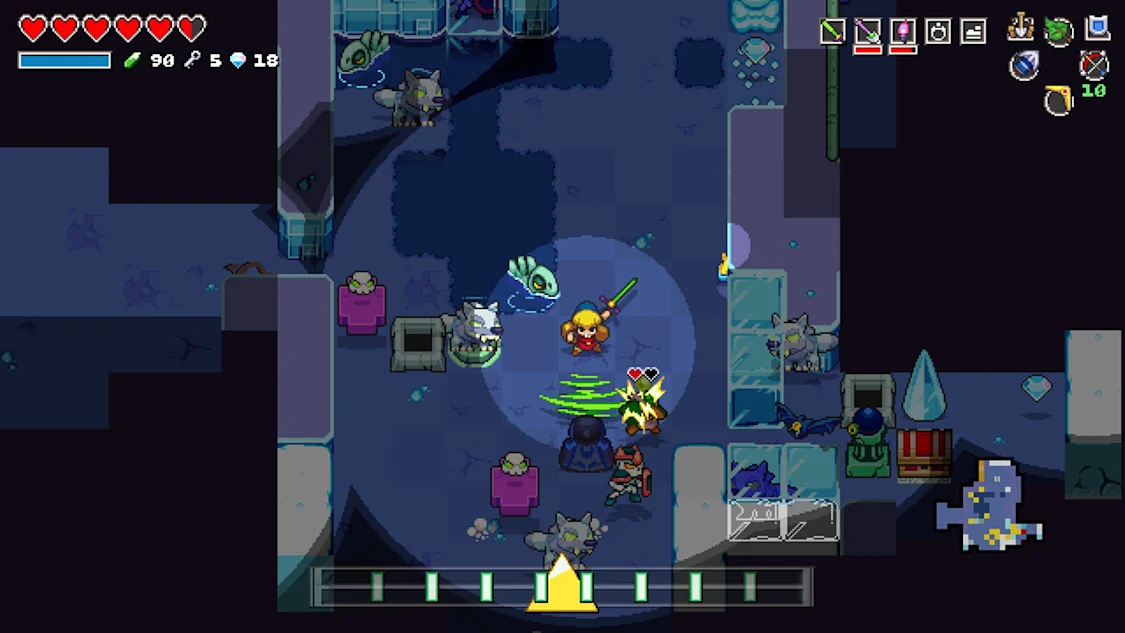
Cadence of Hyrule gameplay depends on moving and attacking in time with the soundtrack. The beat sets the pace, and successful timing helps characters travel, engage foes, and manage the pressure of combat. Missing the rhythm can leave a character exposed, giving enemies an opportunity to strike.
This makes rhythm combat more deliberate than simple button pressing. Players need to watch enemy positions, consider where to move next, and keep that plan aligned with the music. The best route through a fight may not be the fastest-looking one. A measured step can be safer than a rushed action, particularly when enemies are closing in or a boss battle demands precise responses.
Link, Zelda, and Cadence each offer distinct weapons, magical abilities, and fighting styles. Their differences encourage players to learn how each character handles the same rhythmic pressure. Collecting stronger items and gear adds another layer to progression, helping the party meet tougher foes while preserving the need for timing and strategy.
The beat therefore acts as both guide and limitation. It creates momentum, but it also asks players to pause mentally between actions. Even when the screen becomes busy, the soundtrack provides a structure for deciding what comes next.
Exploring a Procedurally Generated Hyrule
The overworld and dungeon areas are procedurally generated, so their layouts can change between playthroughs. This gives procedurally generated Hyrule a shifting quality: routes, challenges, and the shape of an expedition are not fixed in exactly the same way every time.
That design supports replayability without removing the game’s core identity. Players still search for secrets, tackle puzzles, gather useful gear, and face dangerous bosses, but the journey through those elements can feel fresh on a return visit. Changing dungeon and overworld arrangements also reward attention, since learned habits may need to be adjusted for a new layout.
Some modes include permadeath, adding a roguelike edge to the adventure. In those circumstances, careful decisions carry extra weight. A missed beat, a poor position, or a risky encounter can matter more when a run is on the line. The procedural structure and rhythm mechanics reinforce each other: both ask players to stay alert rather than rely entirely on memorized routes.
5 Rhythm Tips for a Stronger First Adventure
- Watch the indicator. Keep an eye on the on-screen beat indicator to better judge when to move or attack.
- Do not rush. Quick reactions are less useful than actions that remain in time with the soundtrack.
- Find your pace. Settle into a comfortable rhythm and let it guide exploration as well as combat.
- Try each hero. Link, Zelda, and Cadence have different abilities and fighting styles, so experimentation can reveal a better fit.
- Adjust during fights. Combat changes with enemy placement and tempo; stay aware of both before committing to the next move.
These tips reflect the game’s basic challenge: rhythm is not an optional flourish. It shapes how safely characters move through Hyrule and how effectively they respond to enemies. Players interested in a Zelda rhythm adventure can expect a game that rewards patience, observation, and a willingness to learn through repeated encounters.
Release Details and Language Availability
Cadence of Hyrule: Crypt of the NecroDancer Featuring The Legend of Zelda Switch NSP XCI was released on June 13, 2019. Nintendo published the game, and Brace Yourself Games developed it. Its listed genres are Adventure and Music, fitting its blend of Hyrule exploration and beat-driven action.
The release is listed as Region Free and supports English, German, Spanish, French, Italian, Japanese, Korean, and Chinese. Its mix of changing layouts, multiple playable characters, item progression, puzzles, and exacting rhythm combat makes it particularly suited to players who enjoy adventure games with a structured musical challenge.