Captain Tsubasa: Rise of New Champions Switch NSP XCI
Report Link Error
Select the broken download file, then submit the report.
Screenshots
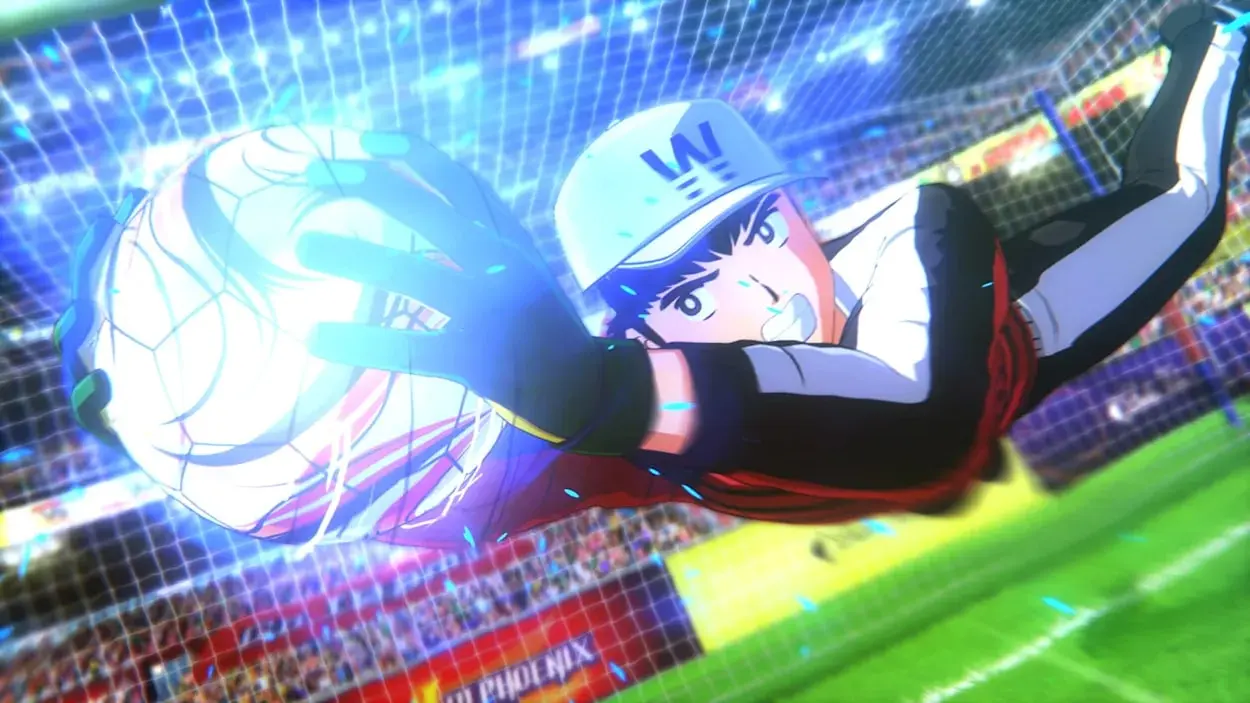
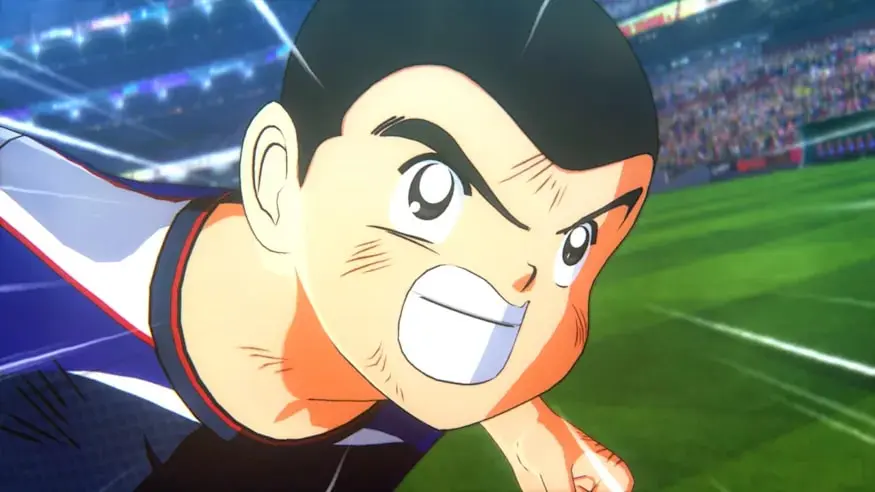
About Game
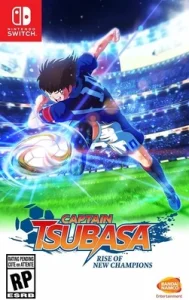
Captain Tsubasa: Rise of New Champions Switch NSP XCI brings the series’ high-energy soccer action to Nintendo Switch in a form built around dramatic techniques, fast movement, and familiar anime rivalries. Released on August 28, 2020, this sports game was published by Bandai Namco and developed by TAMSOFT CORPORATION. Its focus is not a restrained soccer simulation: matches are shaped by explosive shots, forceful defensive plays, and momentum swings that mirror the heightened tone of Captain Tsubasa.
Captain Tsubasa: Rise of New Champions at a Glance
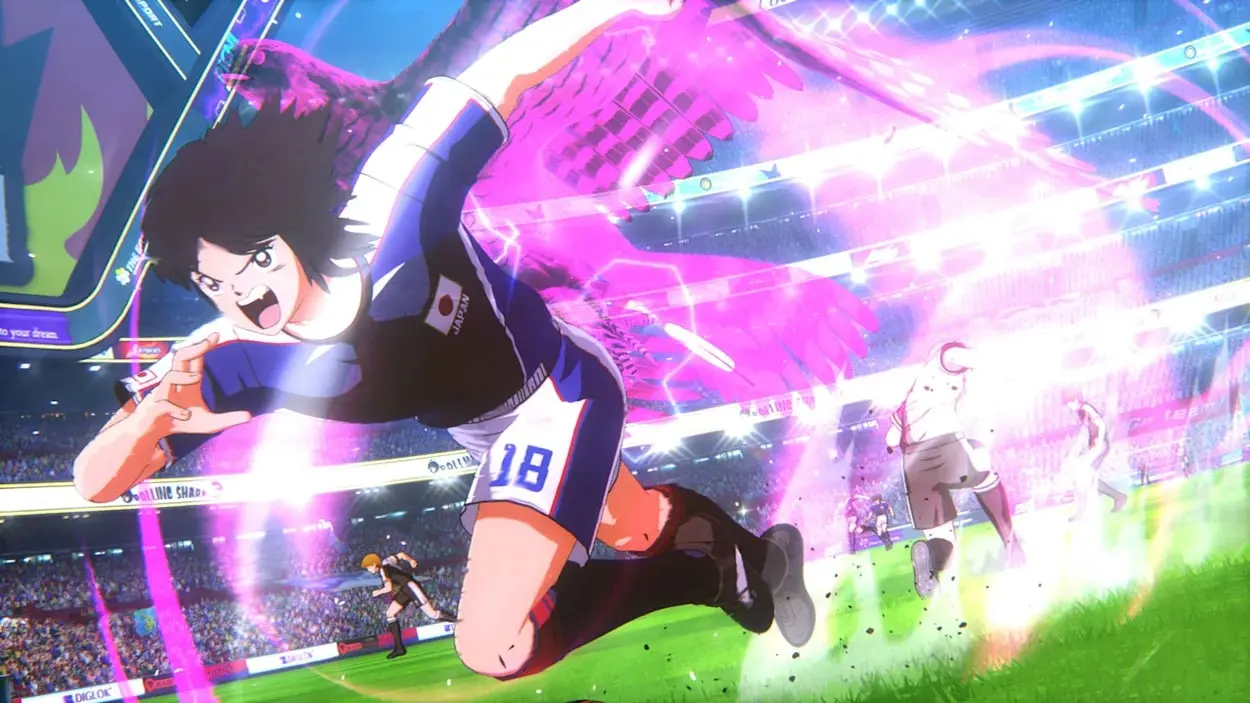
Captain Tsubasa: Rise of New Champions frames soccer as a spectacle. Players move quickly into attacking positions, challenge opponents with assertive tackles, and look for the moment to trigger a character’s defining technique. The action is arcade-oriented, with accessible controls supporting matches that can become tactical once Spirit, special skills, and team momentum enter the picture.
The anime connection is central to the game’s atmosphere. Familiar characters, stylized match action, and dramatic cutscenes give its soccer contests a larger-than-life presentation. Rather than treating a goal as a routine finish, the game makes room for super shots and defensive maneuvers that can change the feel of a match in seconds.
The Nintendo Switch release is listed for Europe, the USA, Asia, and Japan, with language support including English, French, Portuguese, German, Italian, Spanish, Japanese, Taiwan, and Chinese. That broad regional and language coverage fits a game whose appeal comes from both the long-running Captain Tsubasa world and its direct, energetic approach to competitive soccer.
Episode: Tsubasa and the Retelling of Tsubasa’s Journey
Episode: Tsubasa serves as the game’s story mode for players who want to follow Tsubasa Ozora’s established path. It traces his journey from his elementary school days toward the Junior Youth World Challenge, placing familiar rivalries and major soccer encounters at the center of the experience.
The mode’s dramatic cutscenes help carry the story between matches, maintaining the series’ heightened emotion and competitive spirit. Tsubasa’s progression is not presented as a detached season of fixtures; it is tied to the personalities and confrontations that define his journey. For players already familiar with the character, the mode offers a retelling built around recognizable events and opponents. For newcomers, it provides a clear route into the game’s world through its central protagonist.
That structure also gives the matches narrative weight. A contest is not simply a chance to improve a record, but part of a longer run through rivals and escalating challenges. The result is a story mode that connects the game’s arcade-soccer mechanics to Captain Tsubasa’s defining sense of ambition and rivalry.
Episode: New Hero Lets Players Build an Original Soccer Story
Episode: New Hero approaches the same world from a more personal angle. Instead of following Tsubasa Ozora’s established story, players create a custom character and begin an original soccer journey. The created player joins one of three high school teams, develops abilities, forms friendships with familiar characters, and works toward the New Hero League.
This mode gives progression a more individual focus. Building skills matters because the custom character is meant to become part of the team’s competitive identity. Friendships also sit alongside training and match performance, connecting the player’s advancement to the wider Captain Tsubasa cast.
The custom-character format offers a useful reason to revisit the game beyond Episode: Tsubasa. Its appeal lies in shaping a new participant within an established setting, then pursuing success through the New Hero League. That makes the mode particularly suited to players who enjoy character growth as much as decisive match moments.
The Spirit Gauge, Super Shots, and Match Momentum
Matches are driven by more than passing and shooting. The Spirit Gauge is a key resource for powerful offensive and defensive actions, so using it carelessly can leave a team without options at a crucial moment. Successful play involves recognizing when to preserve Spirit and when to spend it on a defining move.
Character-specific super shots are among the game’s most dramatic tools. Their timing can turn a difficult attack into a scoring opportunity, especially when an opponent has been forced out of position. Special skills also shape defensive and attacking choices, giving individual players distinct strengths to consider when building a team approach.
Momentum matters because the game encourages assertive action. A strong tackle can regain possession; a block can stop a dangerous attempt; a dribble can open space for a shot. These moments can quickly shift the flow of play, creating the tense, theatrical rhythm expected from a Captain Tsubasa match. The second mention of Captain Tsubasa: Rise of New Champions Switch NSP XCI is therefore less about conventional soccer tactics than about reading the instant when a powerful technique can alter the contest.
Five Match Fundamentals to Practice First
- Protect your Spirit. Treat the Spirit Gauge as a limited match resource. Save enough for meaningful offensive or defensive actions rather than spending it at the first available opportunity.
- Dribble into space. Use dribbling moves to evade opponents and create cleaner routes toward goal. Space created before a shot can be as important as the shot itself.
- Challenge aggressively. Tackles and blocks are vital for recovering possession and interrupting an opponent’s build-up. Defensive pressure can prevent a dangerous attack from developing.
- Contest the air. Aerial battles create chances to head the ball or attempt bicycle kicks. Learning when to challenge can add another threat around the penalty area.
- Activate V-Zone with purpose. V-Zone boosts the whole team for a limited time, making its timing important. It is most valuable when a team is ready to press an advantage or respond to a difficult stretch of play.
These fundamentals reflect the game’s balance between straightforward controls and deeper decision-making. Players can enjoy the immediate spectacle of super shots, but better results come from combining those moments with positioning, Spirit management, and an awareness of how each character contributes to the team.
Offline and Online Multiplayer Match Options
Beyond its two story modes, the game includes offline multiplayer and online multiplayer for competitive matches. These options shift attention away from scripted progression and toward direct contests, where players can test their command of dribbling, tackles, aerial play, and special techniques against other opponents.
Multiplayer also supports replay value because match momentum can change quickly. A well-timed super shot, a successful block, or a V-Zone activation can reshape a game, encouraging players to experiment with different character combinations and formations. Since players have distinct strengths and weaknesses, team selection can become part of the strategy rather than a purely cosmetic choice.
Captain Tsubasa: Rise of New Champions is best suited to players looking for anime-styled, arcade-soccer competition rather than a simulation-focused approach. Its story modes provide two different routes through the Captain Tsubasa setting, while multiplayer gives its dramatic techniques and tactical choices a continued competitive purpose.