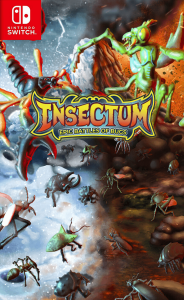
Insectum – Epic Battles of Bugs Switch NSP
Report Link Error
Select the broken download file, then submit the report.
Screenshots
About Game
Insectum – Epic Battles of Bugs Switch NSP brings insect-scale warfare to Nintendo Switch through real-time tactical combat, colony development, and a campaign built around defending a threatened homeland. Published by DevilishGames, this Action/Strategy title frames ants, beetles, spiders, and other creatures as opposing forces in battles where preparation can matter as much as a direct attack.
Insectum – Epic Battles of Bugs: A Strategy Game on Nintendo Switch
Insectum Epic Battles of Bugs takes a familiar strategy-game structure and places it in a natural world viewed from the perspective of its smallest inhabitants. Players command insect forces across tactical encounters, balancing movement, unit strengths, defensive positions, and the demands of a growing colony.
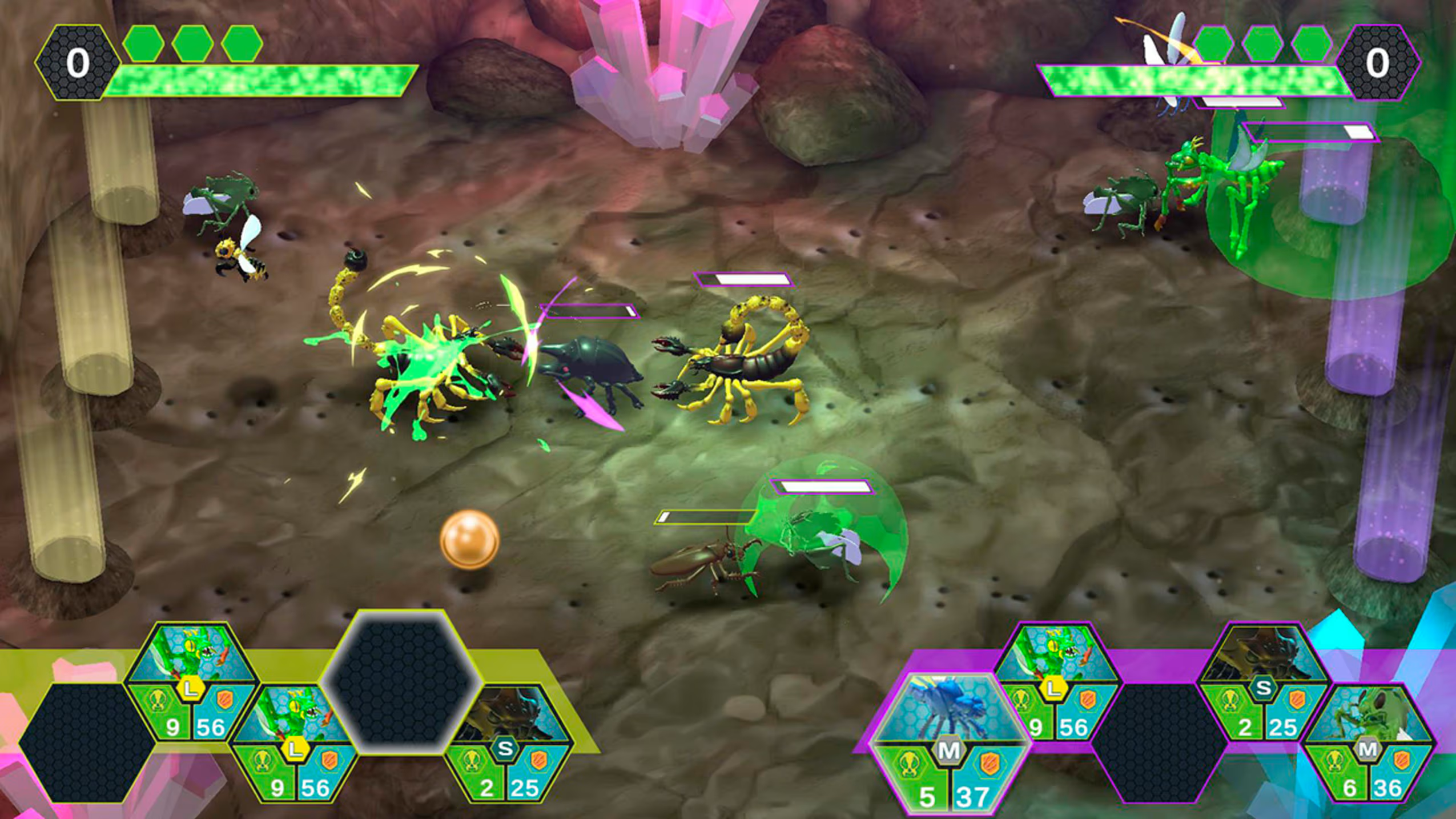
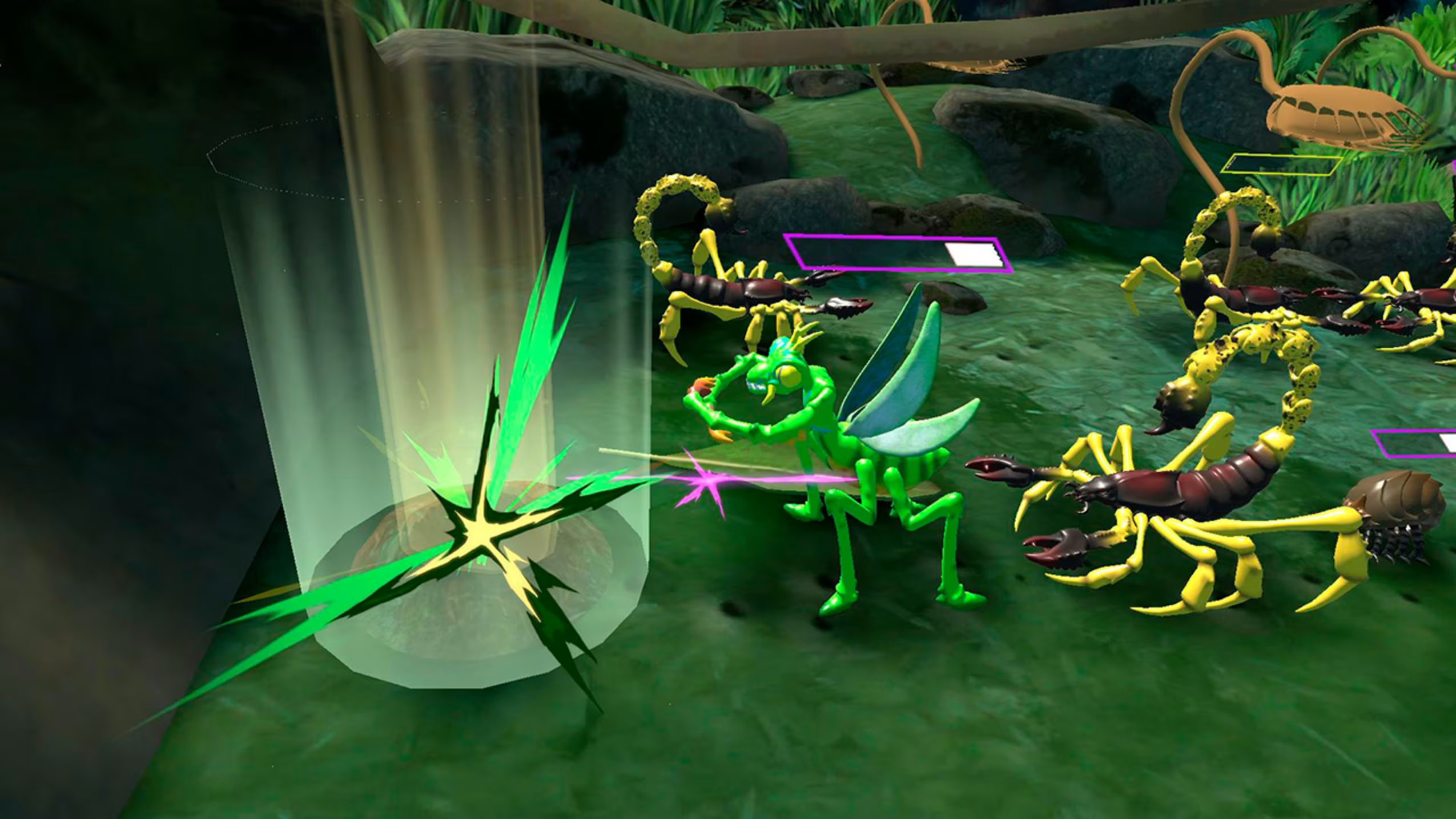
The central appeal is the contrast between the tiny scale of the setting and the larger stakes of its conflicts. Scouts can move quickly to survey threats, while tougher units such as rhinoceros beetles are suited to more direct confrontations. Different insects bring distinct strengths, weaknesses, and special abilities, making an army’s composition an important consideration before and during a fight.
As a Nintendo Switch strategy game, it is designed around accessible controls while retaining room for more deliberate tactical decisions. The player is not simply asked to send units forward. Enemy positions, environmental conditions, territory, and the survival of the colony all shape the choices made from one battle to the next.
DevilishGames presents the action through natural environments and intricate maps that give these confrontations a sense of place. The battlefield may be populated by small creatures, but the game’s purpose is clear: defend the queen, protect the colony, and press into hostile territory when the opportunity appears.
A Threat to the Bug Colonies Drives the Campaign
The Insectum story begins with peaceful bug colonies facing an expanding threat. Predatory insects move into fertile lands, disturbing the balance that had allowed the colonies to live and grow. The campaign follows a tiny warrior whose role is tied to bringing separated factions together before their homeland is lost.
That premise gives the tactical battles a straightforward motive. The player’s forces are working to defend the bug colonies, build alliances, and confront invaders whose presence becomes more dangerous as the journey continues. Ants, beetles, and formidable spiders are among the creatures encountered as the campaign moves through different territories.
The story also draws on ideas of courage, cooperation, and persistence. Ancient insect lore and a prophecy surrounding a unifying hero provide a backdrop for the campaign, while the immediate concern remains practical: stop the predatory insects, secure territory, and prevent the destruction of the insect homeland.
Its single-player structure supports that sense of forward momentum. Missions can introduce new challenges as the conflict develops, leading the player toward a final confrontation with the invading force. The narrative does not separate itself from the strategy layer; alliances, survival, and territorial control are reflected in what happens on the battlefield.
Real-Time Battles Built Around Planning and Positioning
The game’s real-time strategy focus means that decisions cannot wait indefinitely. Units must be moved, abilities used, and attacks timed while opposing forces continue to react. A battle can change quickly when a defensive line breaks, a scout discovers an opening, or a powerful unit is committed at the right moment.
Careful unit placement is a documented priority. Sending every insect into the same route may expose weaker forces, while a more measured arrangement can protect vulnerable units and create room for stronger ones to engage. Timing matters alongside placement: an ability used too early may be wasted, while a delayed response can leave a position exposed.
Scouting is equally valuable. Fast-moving units can help reveal enemy positions and give the player a clearer picture of what lies ahead. Knowing the strengths of opposing insects supports more informed choices about defenses, attack routes, and which units should take the lead.
These tactical insect battles also ask players to pay attention to the terrain and the changing state of the encounter. Dynamic environments add another consideration to combat, encouraging adaptation instead of reliance on a single fixed approach. The result is a strategy format that can welcome newcomers while giving experienced players useful decisions to weigh.
Resources, Colonies, and Army Upgrades
Battlefield success is supported by a progression loop built around resource management. Materials are gathered to help expand territory, develop colonies, and strengthen the forces available for future missions. Maintaining a supply of food and other resources is not a secondary task; it is part of sustaining an army through a campaign.
Resources can be directed toward building and upgrading colonies, giving the player a reason to consider long-term needs as well as immediate threats. A strong defense may be necessary in one mission, while another situation may call for investment in units that can take ground or respond to a particular enemy strength.
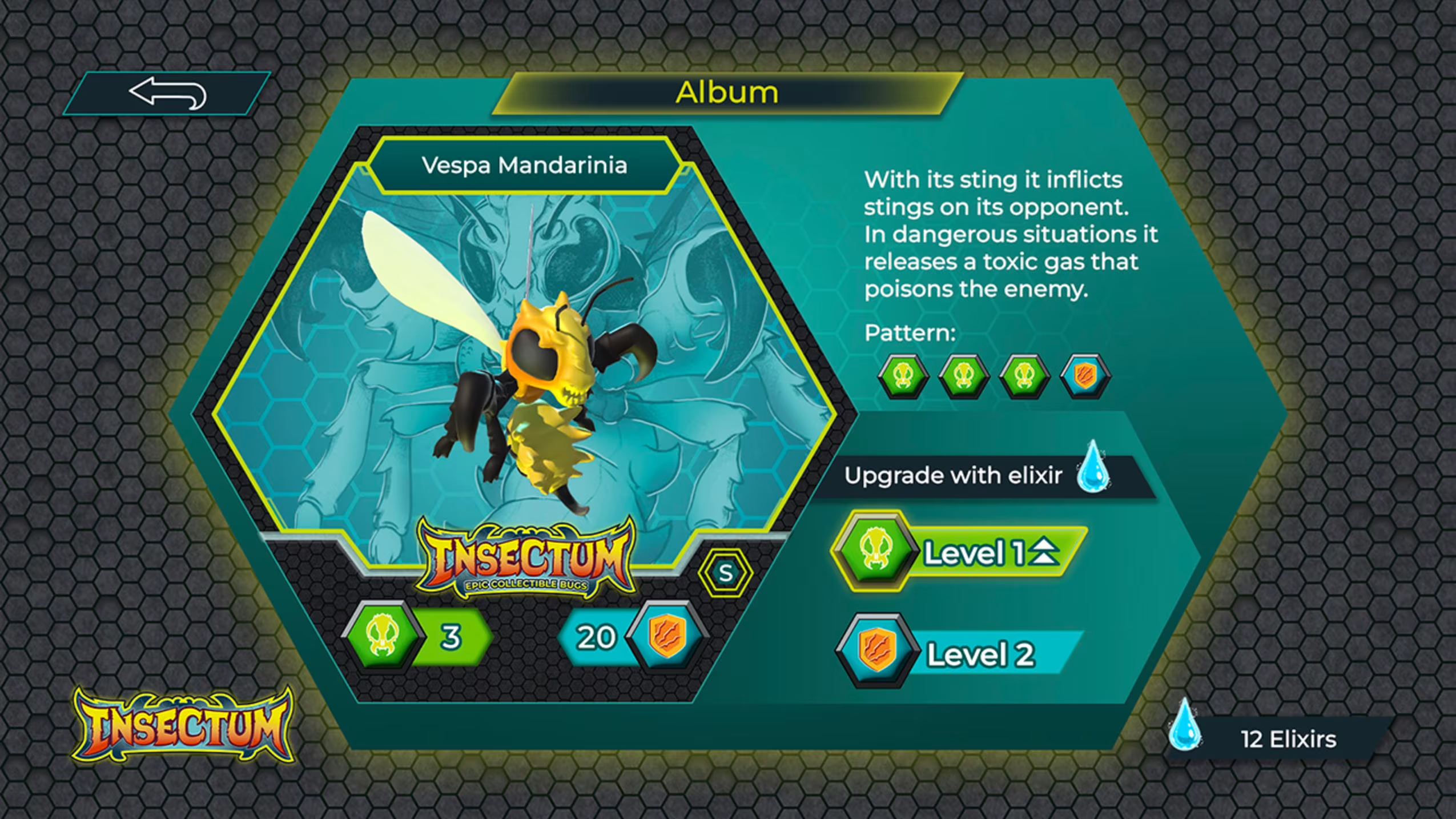
Colony upgrades and army development create a practical connection between planning and combat. As insect forces evolve, the player can make greater use of the varied roster and its special abilities. Hero bug abilities, in particular, can provide a decisive response during difficult battles when standard attacks are not enough.
The progression is therefore tied to both economy and tactics. Gathering efficiently helps maintain development; development improves the army; and a better-prepared army has more options when defending the queen, challenging an enemy stronghold, or expanding into contested land.
5 Tactical Priorities for Early Battles
- Scout before committing. Use available scouting units to locate enemy positions before moving the main force into danger.
- Read the opposition. Identify enemy strengths and weaknesses so that unit choices and attack timing are based on the situation rather than guesswork.
- Build a defensive line. Place sturdier forces where they can protect weaker units and help prevent an early collapse.
- Keep materials flowing. Maintain food and other resources so colony building, upgrades, and army support do not stall.
- Save abilities for pressure points. Special unit and hero abilities are most useful when they can change the course of a difficult engagement.
These priorities reflect the game’s larger rhythm. Aggression has its place, especially when enemy territory can be taken, but success depends on observing the field, preserving useful units, and responding to the force actually in front of the colony.
Release and Nintendo Switch Version Details
Insectum – Epic Battles of Bugs Switch NSP was released in the USA on September 28, 2024. Its listed genres are Action and Strategy, reflecting the mix of real-time combat and tactical planning described in its campaign and colony systems.
DevilishGames is the listed publisher. The Nintendo Switch release supports English, Spanish, and Italian, making the game’s insect conflict and strategic objectives available across those three language options.
For players interested in a campaign where small-scale creatures take on large-scale defensive and territorial challenges, the setting supplies a distinct frame for its mechanics. Resource gathering, colony growth, varied insect units, scouting, and real-time decision-making all serve the effort to unite the factions and protect their world from predatory invaders.
Recommended Similar Games
 Onimusha 2 Samurai’s Destiny Switch NSPView Game
 Futago Usagi no Gokinjo Turismo Switch NSP XCIView Game
 Nintendo World Championships: NES Edition Switch NSP XCIView Game
 Jujutsu Kaisen Cursed Clash Ultimate Edition Switch NSP XCIView Game
 Guilty Gear -Strive- Nintendo Switch Edition Switch NSPView Game
 Rune Factory Guardians of Azuma Switch NSPView Game
