Let’s School Switch NSP

Report Link Error
Select the broken download file, then submit the report.
Screenshots


About Game
Let’s School Switch NSP brings simulation and strategy together in a school-management setting built around repair, planning, and steady institutional growth. The player takes charge of a struggling campus, shaping its layout, staffing, finances, and educational environment while responding to the everyday pressures of keeping a school functional.
A School-Rebuilding Simulation on Nintendo Switch
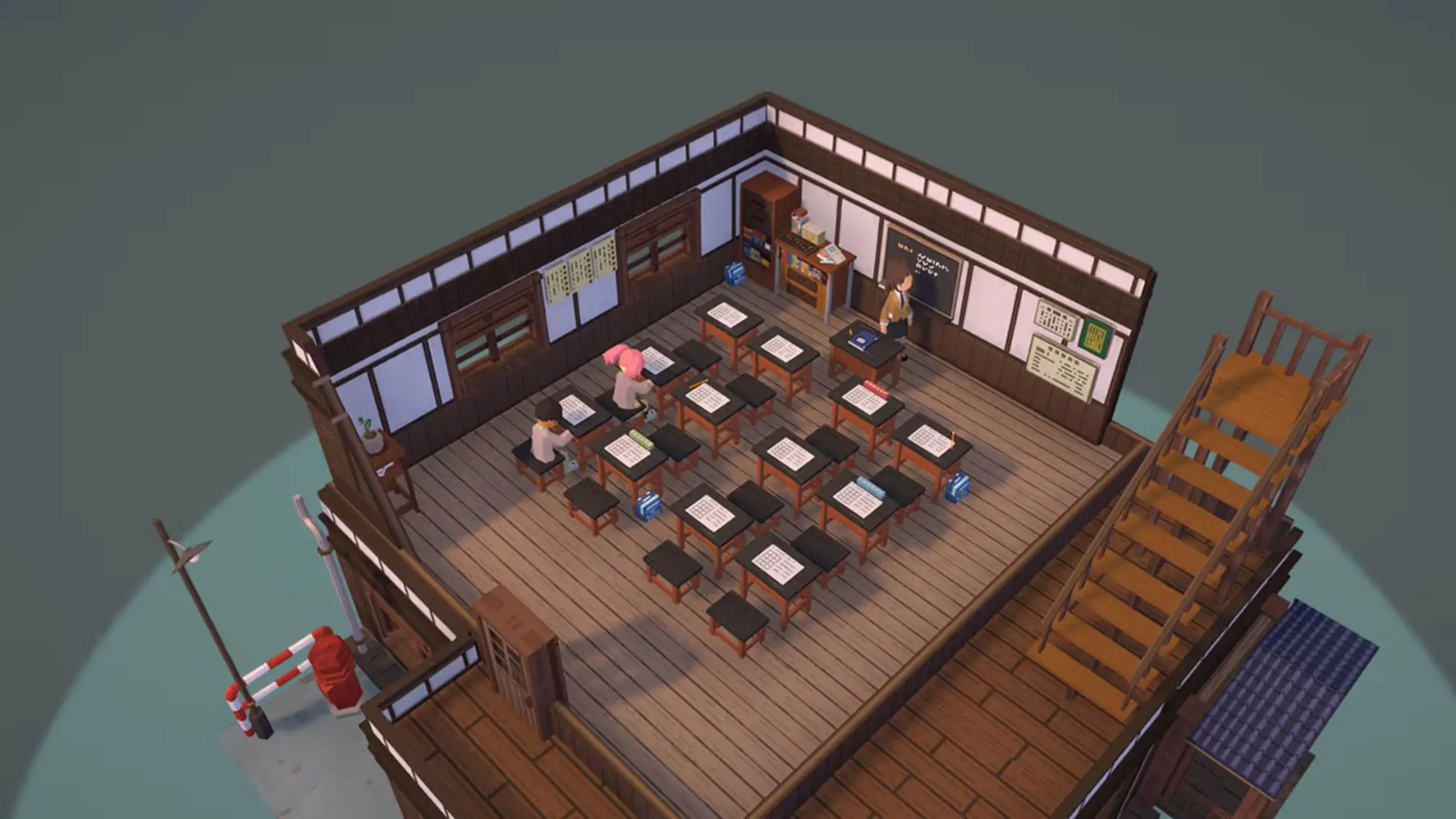
Let’s School is a school simulation game that asks players to think like both a builder and an administrator. Constructing classrooms and facilities is only one part of the work. The larger task is creating a campus that can support students and staff while continuing to develop over time.
The game’s simulation and strategy management systems are closely connected. A new building may improve the campus, but it also has to fit within a wider plan for staffing, resources, and operating costs. Classroom design, campus organization, and facility upgrades become practical decisions rather than simple decoration. The result is a school-building experience where visual customization has consequences for how the institution runs.
The Switch format suits a game structured around frequent choices and ongoing observation. Players can watch students and staff interact across the campus, then adjust their approach as new needs, challenges, and opportunities emerge. There is room for creative layouts, but progress depends on management discipline as much as construction.
From Debt-Ridden Campus to Academic Success
The Let’s School storyline begins with a difficult inheritance: a dilapidated school carrying debt and facing a declining student population. As principal, the player is responsible for reversing that decline and rebuilding the school’s reputation. The objective is not merely to make the campus look better; it is to restore confidence in an institution that has lost its footing.
This school revival places pressure on each major decision. Budget shortfalls, student concerns, and other crises can interrupt routine plans, requiring the principal to make choices under pressure. Teachers and students also bring personality to the campus, including eccentric staff members and spirited pupils with their own needs and stories.
That premise gives principal management a clear sense of direction. A successful school is one where students can thrive, staff can work effectively, and the wider community can again see the campus as a positive place. The journey from financial strain to academic success is therefore tied to both practical improvement and the atmosphere created within the school.
Balancing Budgets, Growth, and Strategic Investment
Let’s School budget management is central to the game’s strategic challenge. Money must be allocated carefully across construction, staff, facilities, and the broader needs of a growing campus. Expanding too quickly can create pressure through higher operational costs, while delaying necessary improvements can limit a school’s ability to progress.
The game encourages players to view school finances as an ongoing responsibility rather than a one-time hurdle. Hiring teachers, janitors, and counselors adds useful skills to the school, but each staffing decision belongs within a sustainable plan. The same applies to upgrades, new buildings, research, and advanced construction options.
Strategic investment is most meaningful when it supports several goals at once. An improved facility may help the campus serve students more effectively, while a well-considered expansion can create room for future programs and activities. The challenge is to make those improvements without losing control of the budget that makes them possible.
Because unexpected events can require a rapid response, a stable financial position also provides flexibility. School management is not only about spending resources to solve today’s problem; it is about leaving enough capacity to handle the next one.
Student Happiness, Performance, and Campus Atmosphere
A school’s success is measured by more than its buildings. Let’s School student happiness is influenced by the choices made around classrooms, programs, activities, facilities, and day-to-day care. Players are encouraged to look beyond construction and consider the conditions that support a positive learning environment.
Educational programs and extracurricular activities can help raise morale, while classroom decisions contribute to the broader experience of school life. Facility quality matters as well, since a campus is not simply a collection of rooms. It is a shared environment where students and staff spend their time, interact, and respond to the direction set by the principal.
Conflict resolution and attention to student needs are part of maintaining that balance. Problems cannot always be solved through expansion alone. Sometimes the better response is to address a concern directly, improve an existing area, or reconsider how resources are being used.
This emphasis on school atmosphere gives the simulation a more human focus. Watching a living campus develop helps make administrative decisions feel connected to the people affected by them. Strong performance and a happier student body are presented as linked outcomes of thoughtful planning, responsive management, and a well-supported school community.
5 Early Priorities for Building a Stable School
- Plan before placing. Consider how classrooms, facilities, and future expansion can fit together before committing to a large construction push. Early organization can make later development easier to manage.
- Watch operating costs. New facilities and staff can be valuable, but growth should not outpace the school’s ability to sustain its regular expenses.
- Set a working budget. Reserve funds for necessary improvements and unexpected challenges instead of directing every available resource into immediate expansion.
- Hire with purpose. Teachers, janitors, and counselors each contribute to campus operations. Staffing choices are most effective when they address a real need within the school.
- Expand at a steady pace. Upgrade facilities and unlock new options as the school is ready for them. Sustainable resource management is more useful than rapid, unfocused growth.
These early game strategy principles reflect the game’s larger rhythm: build, assess, adjust, and continue. Different campus layouts, staffing priorities, and investment decisions can lead players toward different approaches, giving the management systems room for experimentation without losing sight of the school’s long-term stability.
Switch Release Details and Supported Languages
Let’s School Nintendo Switch released in the USA on July 16, 2024. It is published by PM Studios and is listed in the Simulation and Strategy genres.
Language support includes English, Japanese, French, German, Russian, Korean, Simplified Chinese, and Traditional Chinese. The title is suited to players who enjoy building systems, careful budgeting, campus customization, and management games where small operational choices contribute to a larger recovery story.
For players interested in a school simulation game with financial pressure, staff oversight, student-focused planning, and gradual expansion, Let’s School Switch NSP offers a structured path from a troubled campus toward a more capable and confident institution.