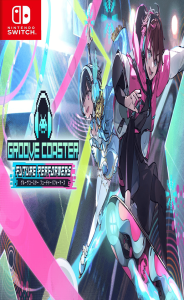
GROOVE COASTER FUTURE PERFORMAERS Switch NSP
Report Link Error
Select the broken download file, then submit the report.
Screenshots
About Game
GROOVE COASTER FUTURE PERFORMAERS Switch NSP arrives in the USA on July 30, 2025, bringing TAITO’s music-focused action to Nintendo Switch. It frames rhythm play as a fast-moving ride through vivid digital spaces, pairing timed inputs with a track that twists through each song’s visual setting. Available in English and Japanese, the game is built around reading the music, responding cleanly, and returning to tracks in pursuit of better results.
What GROOVE COASTER FUTURE PERFORMAERS Brings to Nintendo Switch
TAITO’s Nintendo Switch music game presents rhythm action with a roller-coaster-inspired sense of movement. Rather than treating songs as static note charts, it places an avatar on a travelling track, so each performance has forward momentum as well as musical timing to manage. The result is a format where the route, camera work, effects, and targets all contribute to the feeling of a staged digital performance.
The focus remains on the relationship between player and soundtrack. Inputs need to land in time, and stronger timing supports higher scores. That simple premise gives the game room to serve different approaches: a player can work through easier material to understand its systems, while more score-minded players can revisit familiar tracks to tighten accuracy and chase longer combinations.
Its Switch release also makes the control setup part of the experience. Players can use the system’s touch controls or try Joy-Con motion input, making it possible to settle on a method that matches the speed and physical feel they want from a song.
A Rhythm Journey Through a Digital Performance World
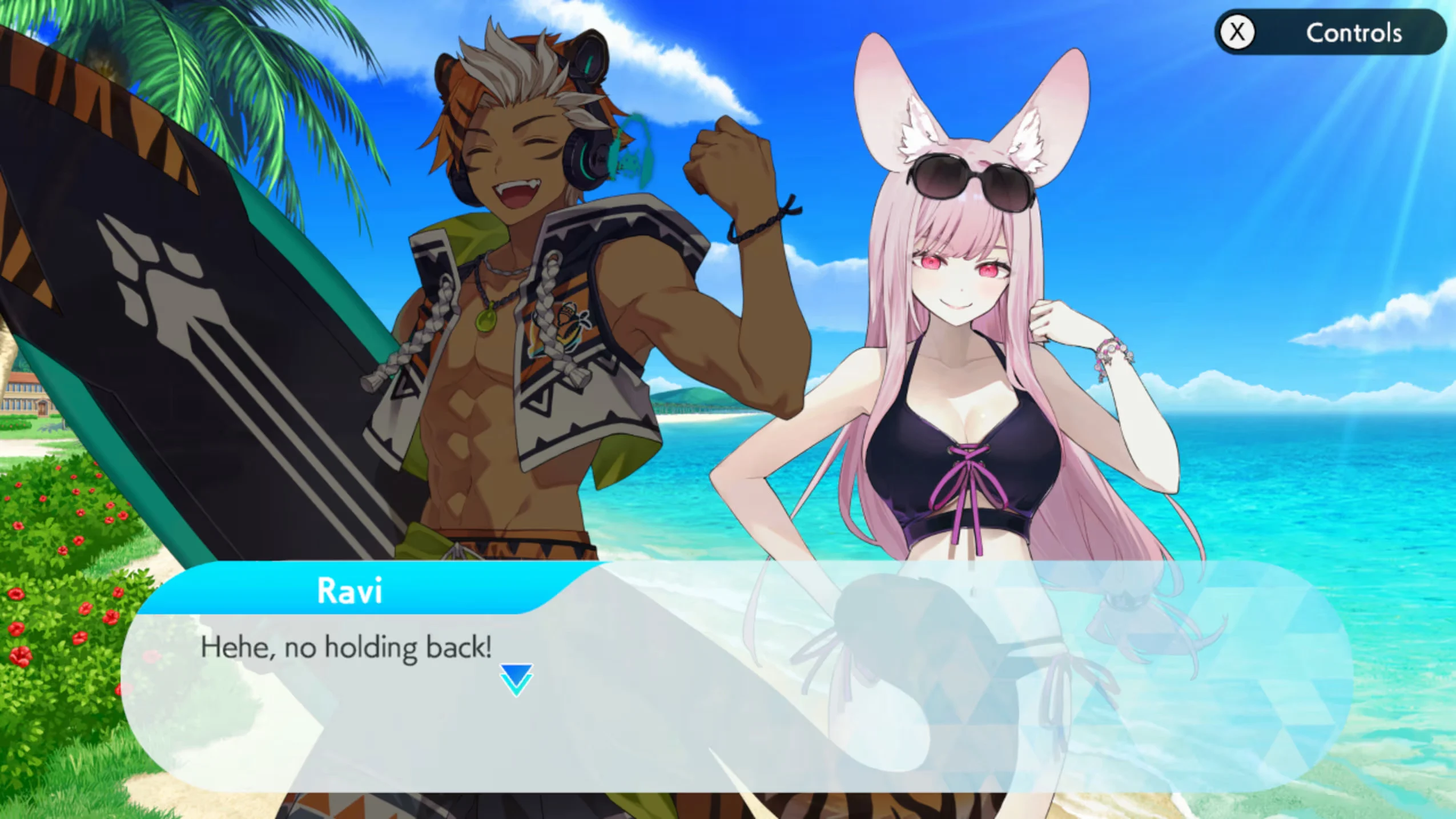
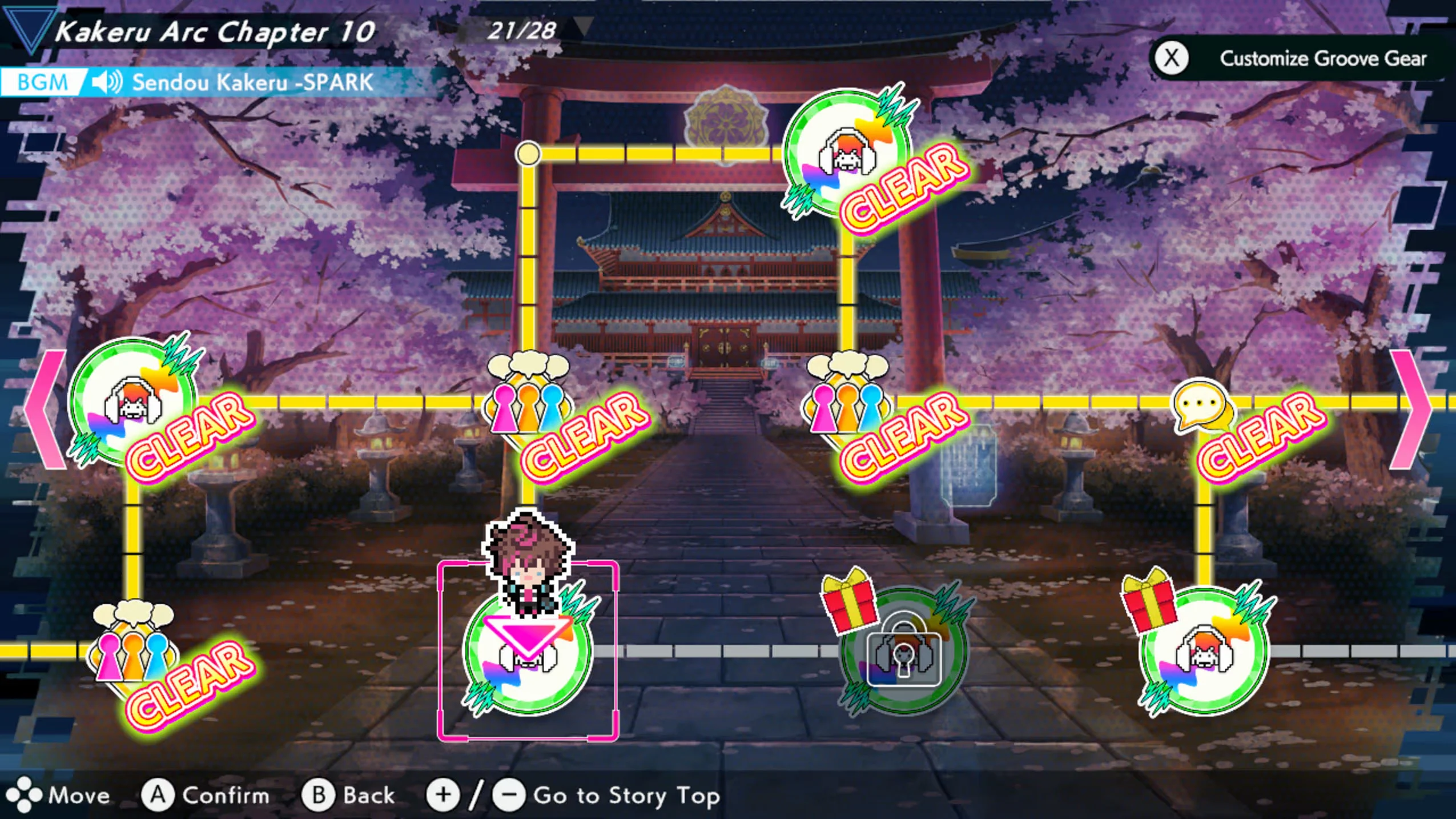
The game’s light narrative idea casts the player as a Future Performer moving through a fantastical digital universe. Progress is expressed through performance: each track introduces another environment and another rhythmic challenge, turning advancement into a journey across changing visual worlds rather than a conventional story-driven campaign.
This setup gives the music a sense of place. A new song is not only a new sequence of actions but also a new landscape to travel through. As players continue, they can unlock avatars, items, and songs, adding a layer of personal progression to the rhythm journey. Avatars and items provide ways to shape the presentation of that journey, while new content creates further reasons to keep practising.
GROOVE COASTER FUTURE PERFORMAERS Switch NSP therefore treats improvement as part of its fiction. Becoming a more capable performer means learning the flow of the tracks, dealing with tougher patterns, and gradually building the confidence to take on higher difficulty levels.
Following the Track: The Core Rhythm Gameplay
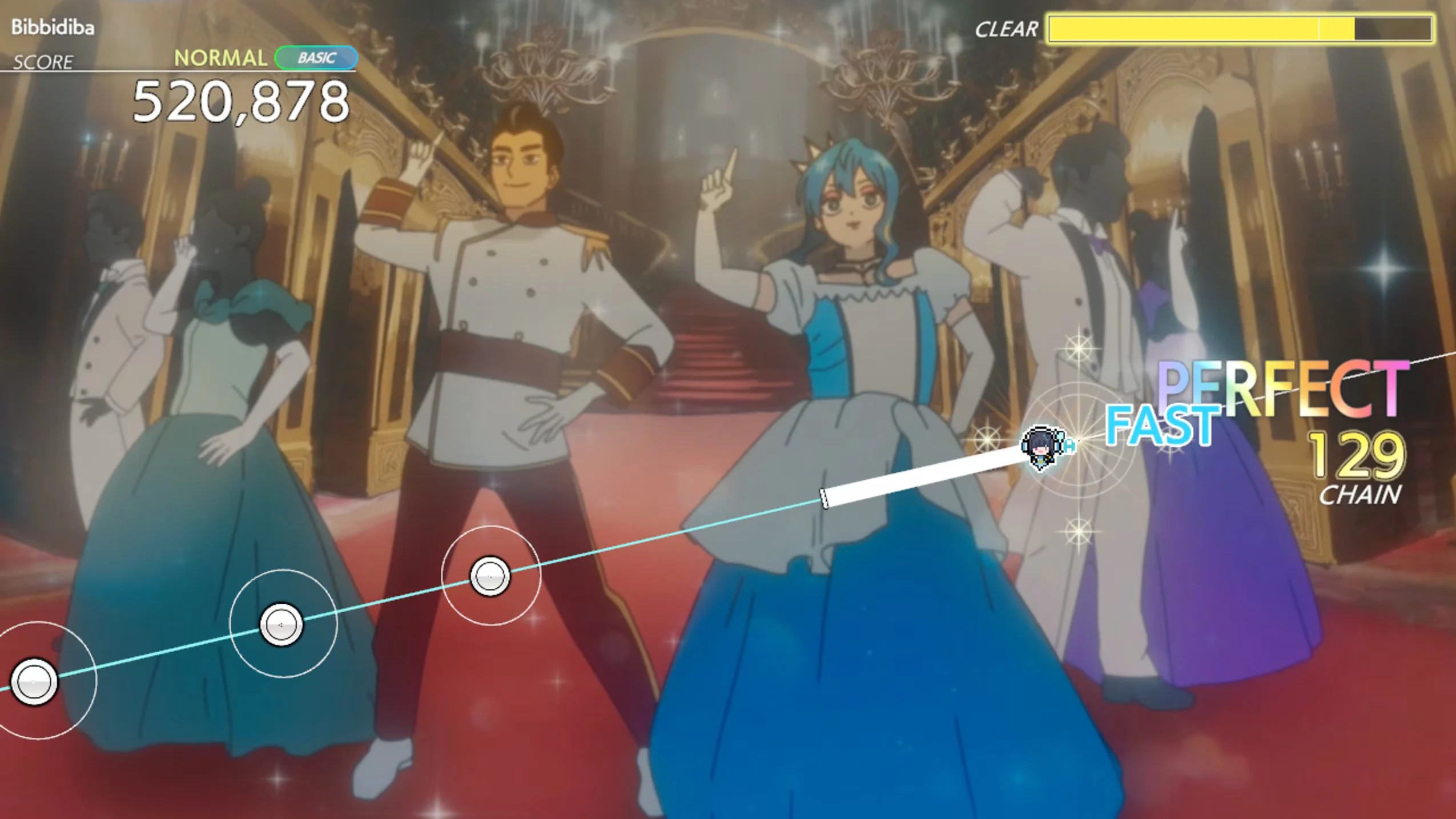
The central rhythm gameplay asks players to guide an avatar along a track and hit targets in time with the music. The track-based action can call for simple taps as well as holds and flicks, creating variation from one musical phrase to the next. Different targets and track movement ask players to keep their attention on both the timing of the soundtrack and the cues appearing ahead.
Precision matters. Clean timing is the route to stronger scores, while missed or poorly timed actions interrupt the momentum of a performance. The challenge is not just reacting quickly; it is learning to recognize patterns, anticipate beats, and maintain control when the track’s presentation becomes more active.
The game also includes Ad-Lib triggers, which offer bonus points and added visual spectacle when mastered. Alongside obstacles and unison beats, these elements give players more than one reason to replay a track. A first clear can become practice for a better score, a more secure run, or a longer combo. That score pursuit is well suited to players who enjoy refining a performance one passage at a time.
Input Options: Joy-Con Motion Controls and Touch Controls
Nintendo Switch controls give players two stated ways to approach the action. Joy-Con motion controls offer a more physical route into the music, while touch controls provide another option for matching inputs to the targets on screen. Neither approach needs to be treated as a universal answer: comfort, timing habits, and the demands of a particular song can influence which feels more natural.
Trying both methods is useful during early play. A player who wants to focus on visual cues may prefer one setup, while someone looking for a more movement-led response may spend more time with the Joy-Con option. The important point is consistency. Once a control method feels dependable, it becomes easier to concentrate on timing, note recognition, and combo building instead of the mechanics of the input itself.
Music Variety and the Roller-Coaster Visual Style
The soundtrack draws from J-Pop, electronic music, and vocaloid tracks, giving the game a range of musical textures to play through. That variety matters because the feel of a chart changes with the song: a player may need to adjust their sense of pacing, the way they read cues, and the intensity of their response from track to track.
The presentation reinforces this variety with dynamic camera angles and effects that react to performance. Each song is framed as a roller-coaster-like visual ride, with the avatar moving through its setting as the action unfolds. The reactive effects give successful play a visible payoff, making the screen feel more animated as a run comes together.
This combination of electronic spectacle and rhythm-driven movement makes the game a natural fit for newcomers who want an accessible route into music games, as well as experienced players interested in difficulty levels, score improvement, and perfect combos. Local multiplayer battles add a competitive option for players who want to compare performances with friends.
7 Steps to Improve Scores in GROOVE COASTER FUTURE PERFORMAERS
- Start simple. Begin with easier songs and lower difficulty levels to understand the track movement and the basic range of note types before moving into more demanding patterns.
- Read the cues. Learn the visual signals associated with taps, holds, flicks, and other actions. Familiar cues reduce hesitation when a chart becomes busy.
- Choose accuracy first. Do not rush for speed at the expense of timing. More precise inputs create a stronger foundation for higher scores.
- Listen ahead. Anticipate the beat instead of waiting for every target to arrive. Knowing the rhythm helps keep inputs connected to the music.
- Repeat difficult passages. Return to songs that expose weak spots. Practice turns unfamiliar sequences into patterns that are easier to recognize and execute.
- Test both control styles. Spend time with Joy-Con motion controls and touch controls, then use the option that gives you the most dependable timing for your play style.
- Build the combo. Once the basics feel comfortable, pursue longer uninterrupted runs and aim for perfect combos. This turns routine clears into focused high-score attempts.