Undernauts: Labyrinth of Yomi Switch NSP

Report Link Error
Select the broken download file, then submit the report.
Screenshots

About Game
Undernauts: Labyrinth of Yomi Switch NSP frames its role-playing adventure around an unnerving disaster scenario: a ruined Tokyo, an impossible structure beneath it, and a team sent into danger with little room for error. Its first-person dungeon-crawling format puts exploration, party planning, and careful turn-based combat ahead of haste. The result is a deliberately tense journey through a place that feels less like a conventional dungeon and more like a hostile presence.
The 1979 Tokyo Disaster and the Emergence of Yomi
The story begins in 1979, after a massive earthquake devastates Tokyo and exposes Yomi, a colossal sentient labyrinth. Yomi is not merely an ancient ruin uncovered by the quake. It is an expanding threat that devours what lies around it, turning a disaster zone into a crisis with consequences far beyond the city.
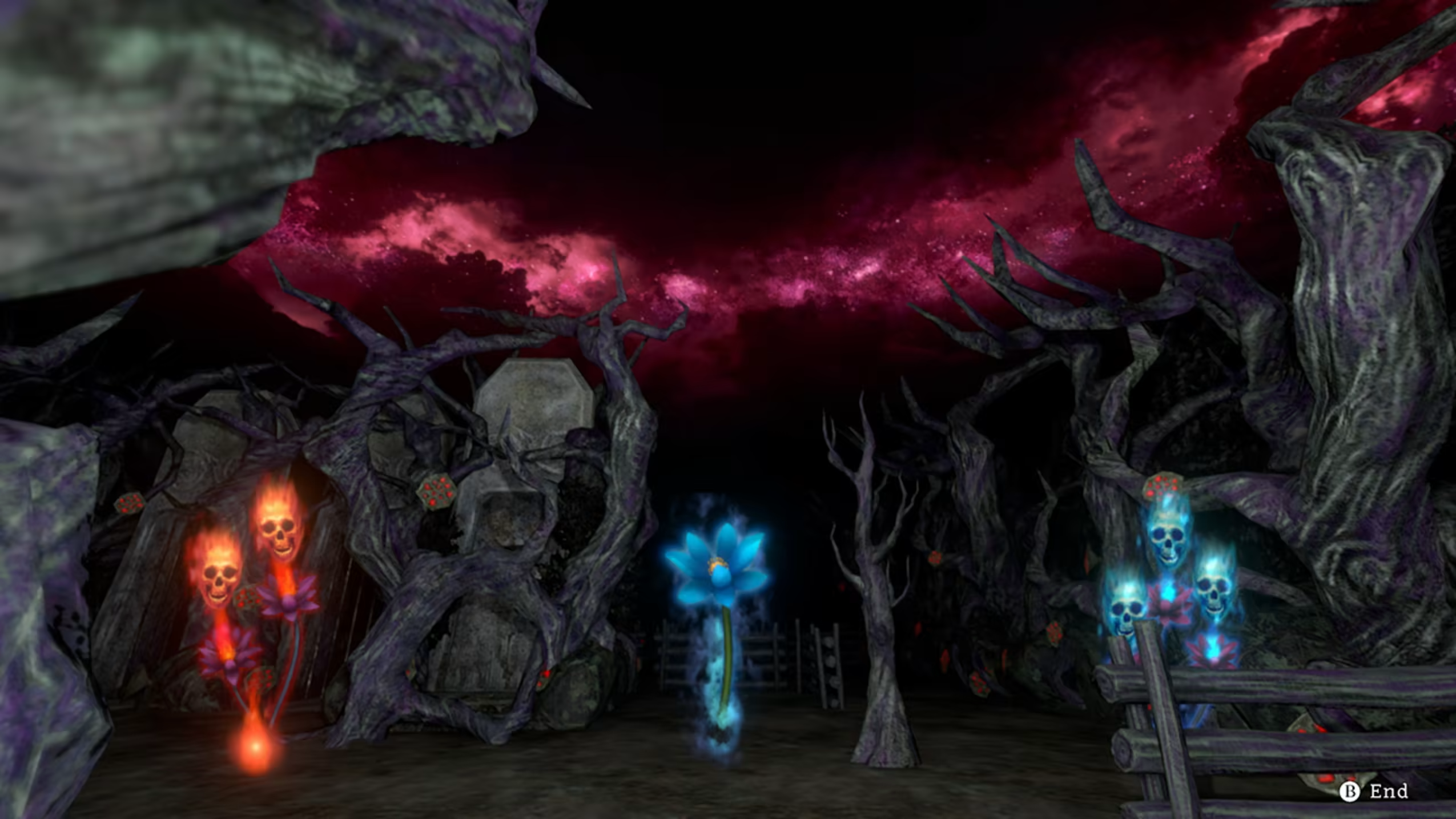
That premise gives the game’s dungeon setting its weight. The Yomi labyrinth is vast, strange, and dangerous, populated by bizarre creatures, ancient traps, and clues that suggest a deeper history. Its corridors are not presented as a neutral space for collecting rewards; they are part of an unfolding mystery. Environmental details and cryptic discoveries gradually encourage players to consider what Yomi is and why it has emerged.
The atmosphere is built around that uncertainty. Every descent carries the sense that the team is entering somewhere humanity does not understand, while the threat above continues to grow. The game’s darker tone supports a narrative in which discovery and survival are closely tied together.
Joining the Undernauts Task Force
Players enter this crisis as a new recruit in the Undernauts task force, a special government-backed unit formed to investigate Yomi and stop its expansion. The central mission is direct but daunting: venture into the labyrinth, uncover its secrets, and find a way to prevent it from consuming more of the world.
That role gives the journey a practical focus. The Undernauts are explorers as well as fighters, so advancement depends on more than winning encounters. The team must examine unfamiliar spaces, recognize useful clues, locate routes forward, and survive long enough to return with what it has learned. The larger narrative develops through these expeditions, connecting the condition of the labyrinth with the fate of Tokyo and the people attempting to contain the disaster.
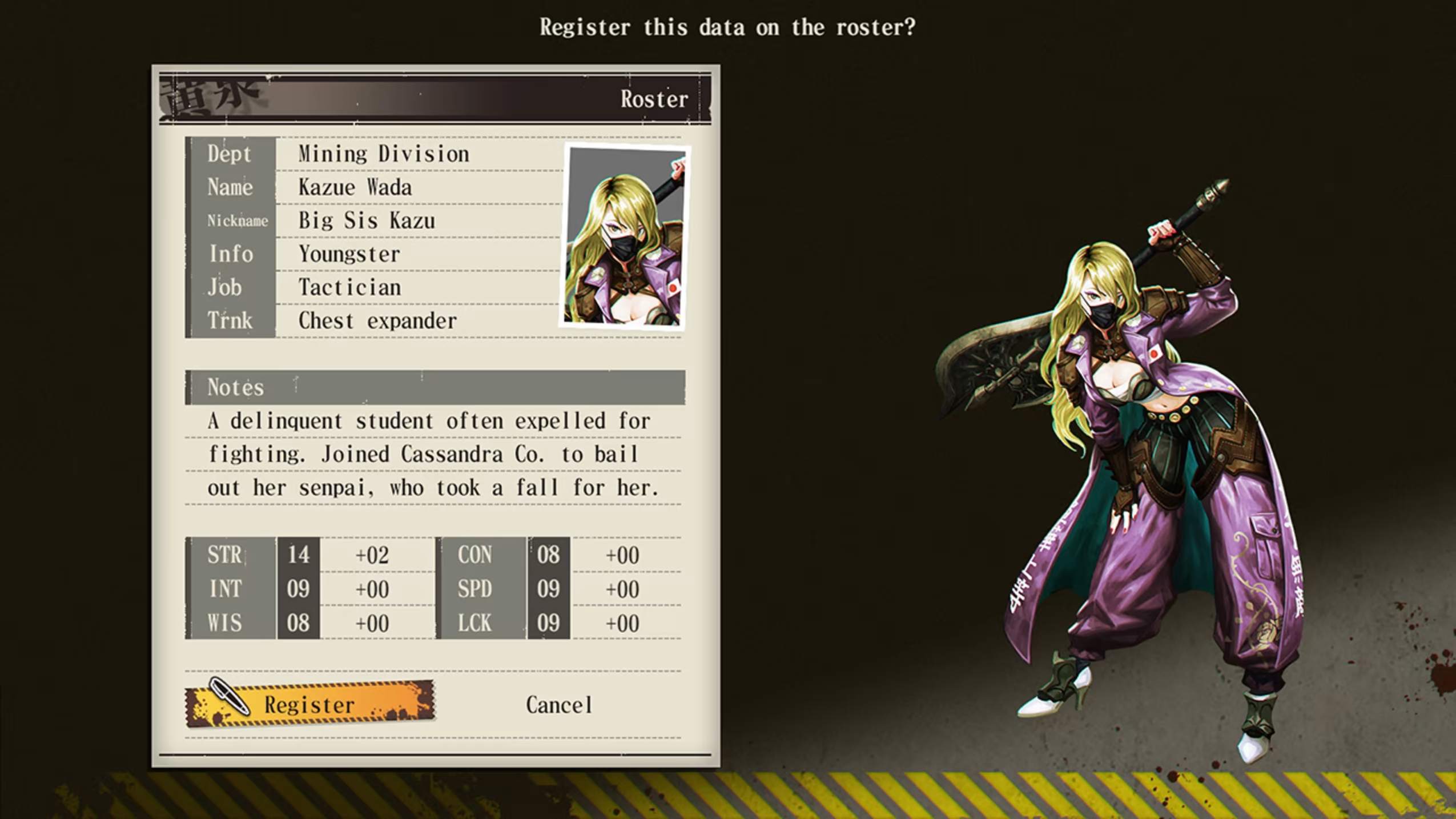
Party creation is an important part of this assignment. Players can create and customize a squad of up to six characters drawn from different classes, each contributing distinct skills and roles. A group built only for offense may struggle to endure difficult stretches, while one without enough combat ability may be unable to clear a dangerous route. The task force structure makes that planning feel appropriate to the premise: this is a specialist unit preparing for an unknown environment.
First-Person Exploration in a Living Labyrinth
Undernauts uses a first-person dungeon crawler perspective to make navigation central to the experience. The player advances through multi-layered dungeon environments one step at a time, reading corridors, intersections, barriers, and visual details for signs of danger or opportunity. The maze is not simply a backdrop between battles. It is the main arena in which the expedition succeeds or fails.
Hidden paths, secret rooms, traps, and treasure reward attentive exploration. A route that appears complete may still contain an overlooked opening or a clue pointing toward another section. Careful mapping matters because the labyrinth can branch, loop, and conceal useful spaces. Players who keep track of where they have been are better equipped to judge when to press onward and when to retreat.
This methodical pace also strengthens the game’s unsettling presentation. The Yomi feels active and unpredictable because each new area can introduce unfamiliar threats or reveal another piece of its strange nature. Exploration becomes a steady exchange between observation and risk: look closely, test a route, and be prepared for the consequences.
Resource Management for Long Yomi Expeditions
Survival in Yomi depends on maintaining a party over the course of extended dungeon runs. HP, MP, and items are limited resources, and spending them freely early in an expedition can leave a group exposed later. Even a party that handles ordinary encounters well can be placed in danger if it reaches a difficult area without enough recovery options.
This pressure gives each choice added value. Healing may be necessary, but it also reduces the supplies available for future problems. MP can support valuable skills, yet using it too aggressively may limit tactical options when stronger enemies appear. Items are useful insurance, but their value rises when the team is far from safety.
The game’s turn-based battles feed directly into this resource economy. Elemental weaknesses, status effects, and the Switch Boost system can influence how efficiently a party handles enemies. Powerful offensive and defensive maneuvers can help control a difficult fight, but a sound strategy also considers what the battle will cost the group before the next discovery, trap, or boss encounter.
7 Practical Priorities for Surviving the Yomi
- Build with roles in mind. Create a balanced party of up to six characters so that the group is equipped for different demands rather than relying on a single approach.
- Map every route carefully. First-person labyrinth exploration rewards players who remember intersections, blocked passages, return paths, and unexplored branches.
- Search beyond the obvious. Hidden paths, secret rooms, and valuable treasure can be missed when movement becomes too hurried.
- Protect expedition resources. Monitor HP, MP, and items throughout a run, especially before committing to a deeper section of the dungeon.
- Use elemental opportunities. Turn-based combat places importance on elemental weaknesses, making enemy-specific tactics more useful than simple repetition.
- Respect status effects. Conditions that disrupt the party can reshape an encounter, so tactical responses should account for more than raw damage.
- Prepare for boss fights. Bosses test party strength and strategy, making prior resource conservation and effective use of Switch Boost especially important.
These priorities do not remove the danger of the labyrinth, but they create a steadier rhythm for progression. The game asks players to treat exploration, combat, and preparation as parts of the same process. A hidden route may offer useful rewards, but reaching it can require supplies; a difficult encounter may be manageable, but only if the party enters it with the right tools available.
Release and Nintendo Switch Edition Facts
Undernauts: Labyrinth of Yomi Switch NSP is a role-playing game published by Aksys Games. The USA release date is February 25, 2022, and this edition supports English. Its Nintendo Switch release is associated with firmware version 12.1.0, and the listed file size is 1.78 GB.
The game is best suited to players who appreciate deliberate first-person dungeon exploration, party customization, and tactical turn-based battles. Its appeal comes from the tension between curiosity and caution: Yomi invites deeper investigation, but each additional step can make the return journey more difficult. For players willing to map carefully, manage supplies, and study the labyrinth’s dangers, the Undernauts mission offers a dark, methodical role-playing expedition.