Bayonetta 3 Switch NSP XCI
Report Link Error
Select the broken download file, then submit the report.
Screenshots
About Game
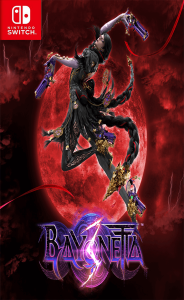
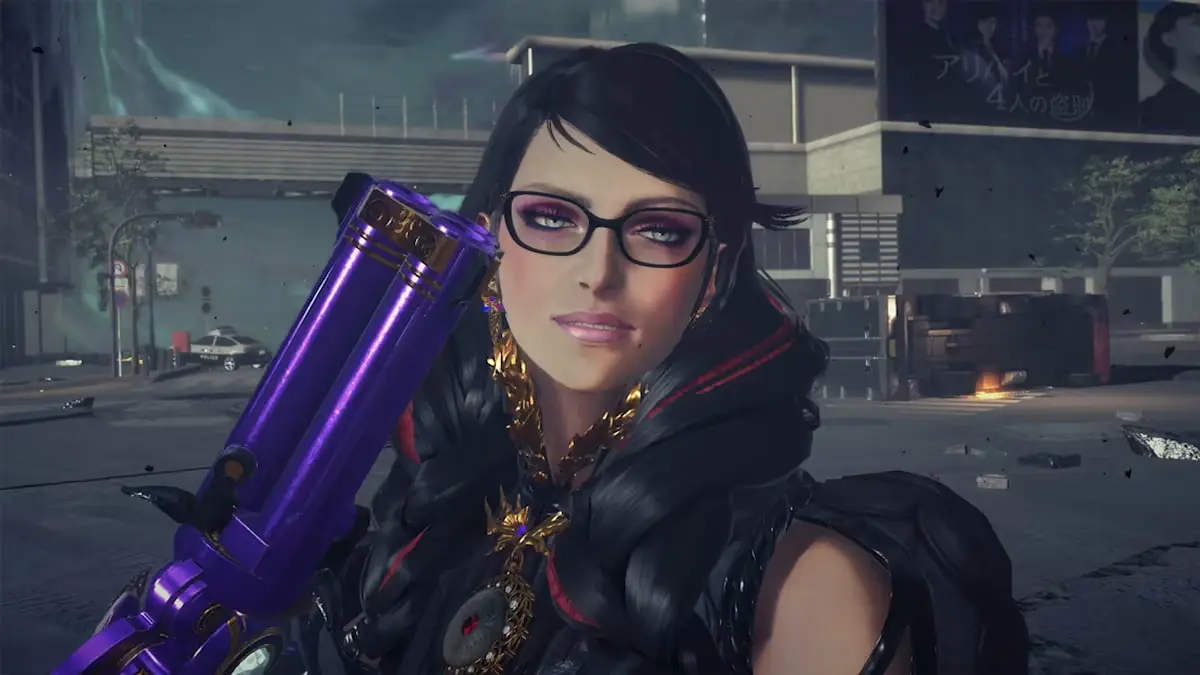
Bayonetta 3 Switch NSP XCI refers to PlatinumGames’ action game for Nintendo Switch, published by Nintendo and released on October 28, 2022. Listed for Europe, USA, Asia, and Japan, the game carries a 14GB file-size metadata entry and supports English, French, German, Italian, Japanese, Korean, Russian, Chinese, and Spanish. Its premise takes the Umbra Witch far beyond a single setting, placing her in a conflict that reaches across realities.
Bayonetta 3 at a Glance on Nintendo Switch
Bayonetta 3 is an action title built around fast movement, elaborate attacks, precise evasions, and large-scale confrontations. PlatinumGames returns to the series’ stylish combat language while expanding the scope of its world and its threats. Nintendo published the game, and its October 2022 release positioned it as a major Switch action release.
The game’s 14GB metadata reflects an adventure with multiple environments, major encounters, and a broad range of combat tools. Its regional listing covers Europe, USA, Asia, and Japan, while the language selection accommodates a wide international audience. The supplied firmware metadata lists Base – v9.2.0 and Update – v15.0.1.
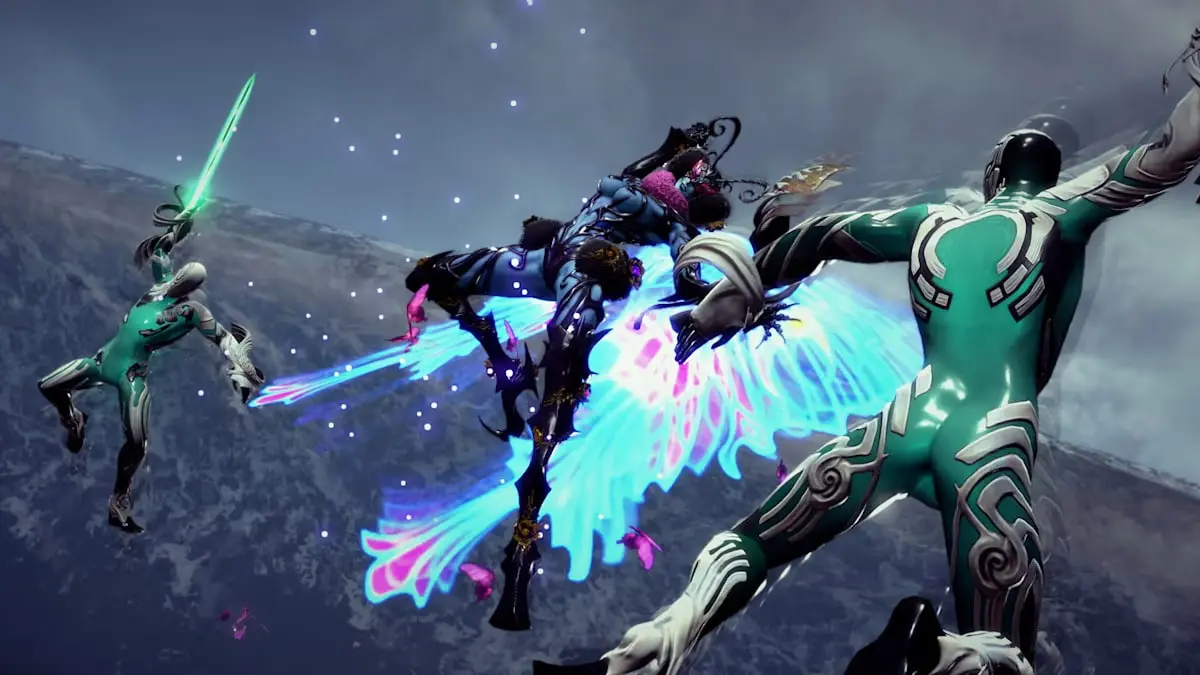
Presentation is closely tied to the scale of the action. Bayonetta’s transformations, infernal demons, varied weapons, and massive enemies give individual encounters a theatrical quality. The game retains a heightened, supernatural atmosphere, but the multiverse premise also allows its locations and versions of familiar characters to shift from one reality to another.
A Multiversal Crisis Driven by the Homunculi
The Bayonetta 3 story begins with humanity facing annihilation from the Homunculi, man-made bioweapons attacking realities throughout the multiverse. Their campaign is not limited to one city, one world, or one version of Bayonetta’s home. The danger spreads across parallel worlds, leaving destruction in its wake and making the conflict feel larger than a conventional invasion.
Bayonetta travels through these realities as the scale of the disaster becomes clearer. The Homunculi are the immediate force behind the devastation, and their presence drives both the story and many of the game’s major battles. Their grotesque design and colossal forms reinforce the sense that this is a crisis demanding more than Bayonetta’s usual confidence and flair.
The multiverse framework also gives the adventure room to change its atmosphere. Each world can present a new backdrop for exploration and combat while remaining connected to the same urgent threat: stopping the destruction of every reality before there is nothing left to protect.
Bayonetta, Alternate Selves, and Viola
Bayonetta is not alone in this fight. She joins forces with alternate versions of herself from different realities, turning the multiverse idea into more than a backdrop. These alternate Bayonettas are allies whose existence underlines how much is at stake: the crisis threatens distinct worlds and the people within them, not simply variations on the same place.
Viola, a witch-in-training, adds another perspective to the Bayonetta 3 characters. Her role is important to the unfolding conflict, and her mysterious background develops as the story progresses. Where Bayonetta arrives with experience and overwhelming poise, Viola brings a more unsettled energy to the group. That contrast gives the narrative an additional human thread amid the enormous supernatural stakes.
The changing cast also carries into play. Bayonetta and Viola are not interchangeable combatants; their move sets and combat dynamics are meaningfully different. This makes the character switch more than a story device, asking players to adjust their timing and tactics when Viola takes the lead.
- Timed escapes: Bayonetta can activate Witch Time through a precisely timed dodge, slowing enemies and opening opportunities for extended damage.
- Demonic fusion: Demon Masquerade lets Bayonetta combine with infernal demons and take on powerful demon-like forms.
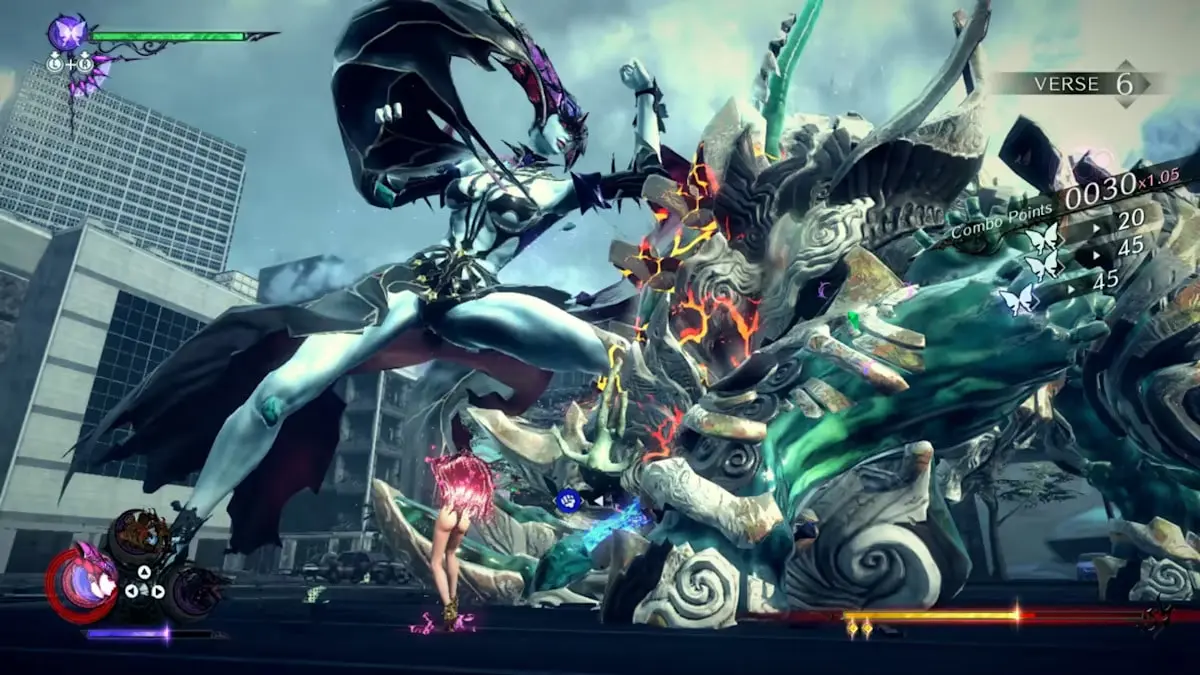
- Direct command: Demon Slave allows players to control colossal demons and use their movements and special abilities in battle.
- Weapon variety: Tools including the G-Pillar and Ignis Araneae Yo-Yo support different combo possibilities.
- A second rhythm: Viola’s sword, Cheshire, and parry-focused approach change the tempo of combat.
Singularity and the Stakes Across Parallel Worlds
As the story develops, the threat behind the multiversal crisis grows more specific. Bayonetta and her allies uncover a larger scheme orchestrated by Singularity, a being seeking to merge all realities into one. The danger is therefore not only that worlds will be destroyed by the Homunculi, but that their separate existence may be erased through forced unification.
This gives the Bayonetta 3 plot a clear escalation. The journeys across parallel worlds reveal the damage already being done, while Singularity’s plan defines the final stakes in existential terms. Bayonetta, the alternate Bayonettas, and Viola must bring their abilities together to prevent a catastrophe that would reshape reality itself.
For a series known for extravagant action, the premise supports equally extravagant confrontations. Yet the core dramatic idea remains direct: multiple realities are under attack, and the characters must stop the force attempting to end their independence.
Viola’s Sword, Cheshire, and Parry-Based Style
Bayonetta’s combat remains rooted in speed, combos, and evasive precision. A well-timed dodge triggers Witch Time, slowing opponents and creating a valuable opening. Demon Masquerade and Demon Slave broaden her options further, allowing her to transform and to command immense infernal allies during combat.
Viola combat operates differently. Her style has a punk-rock influence and centers on her sword, the demon Cheshire, and defensive parries. Unlike Bayonetta, Viola does not rely on Witch Time as the foundation of her approach. The result is a more parry-driven rhythm, where reading attacks and responding at the right moment matters greatly.
Cheshire is central to that identity. Alongside Viola’s swordplay, the demon gives her a distinct set of tools and helps separate her sections from Bayonetta’s demon-fusion spectacle. Players who enjoy mastering different timing systems have two clearly defined approaches to learn rather than one repeated combat pattern.
The exact keyword Bayonetta 3 Switch NSP XCI may draw attention to the game’s Switch listing, but the defining feature remains this contrast in play styles: Bayonetta’s evasive, transformation-led offense beside Viola’s sword-and-parry discipline.
Exploration, Collectibles, and Colossal Homunculi Battles
Combat is supported by exploration across diverse and vibrant environments. Hidden collectibles, challenges, and alternate pathways reward attention away from the main route. These elements give stages more purpose than a straight sequence of fights, encouraging players to look around each area and engage with its optional details.
Progression is also tied to halos and materials gathered during the journey. These resources can be used to upgrade Bayonetta’s abilities and weapons, connecting exploration and battle performance. New weapons and expanded combat options offer practical reasons to experiment with different combinations rather than relying on a single routine.
The most imposing tests come in boss battles against massive Homunculi. These encounters call for quick reflexes, but they also require strategic thinking, particularly when using Bayonetta’s demons and transformations. The scale of these enemies makes them a natural culmination of the game’s presentation: a multiversal threat expressed through huge, demanding fights.
Bayonetta 3 is suited to players looking for a story-driven action game with technical combat, changing character styles, collectible-focused exploration, and dramatic supernatural battles. Its systems reward careful timing, while its multiverse setting keeps the adventure moving through different realities and escalating dangers.