Rivalia: Dungeon Raiders Switch NSP
Report Link Error
Select the broken download file, then submit the report.
Screenshots
About Game
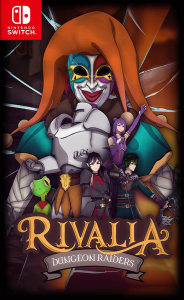
Rivalia: Dungeon Raiders Switch NSP places its action-RPG adventure in a realm pushed toward disaster by a spreading force of darkness and corruption. Developed and published by GammeraNest, this July 18, 2024 release combines dungeon exploration, hero progression, real-time battles, and cooperative challenges in a format built around repeated expeditions.
Rivalia’s Darkness-Threatened World and Central Quest
The Rivalia world is defined by an urgent conflict. Darkness is advancing across the land, corruption is taking hold, and the threat is large enough to place the entire realm in peril. Ancient prophecies point toward heroes who must rise against the malevolent forces behind that decline.
That premise gives the Rivalia story a clear shared purpose. The playable heroes arrive with their own backgrounds and reasons for joining the fight, but their immediate goal is the same: restore peace and bring light back to a realm threatened by ruin. Quests and difficult encounters move that conflict forward, while ancient secrets and formidable enemies deepen the sense that the danger has roots beyond a single dungeon.
The atmosphere is therefore not simply about clearing rooms for rewards. Each descent takes place against the wider pressure of darkness and corruption. The game frames its raids as part of a larger effort to change Rivalia’s fate, with pivotal decisions tied to the destiny of the realm.
A Diverse Hero Roster Built Around Different Playstyles
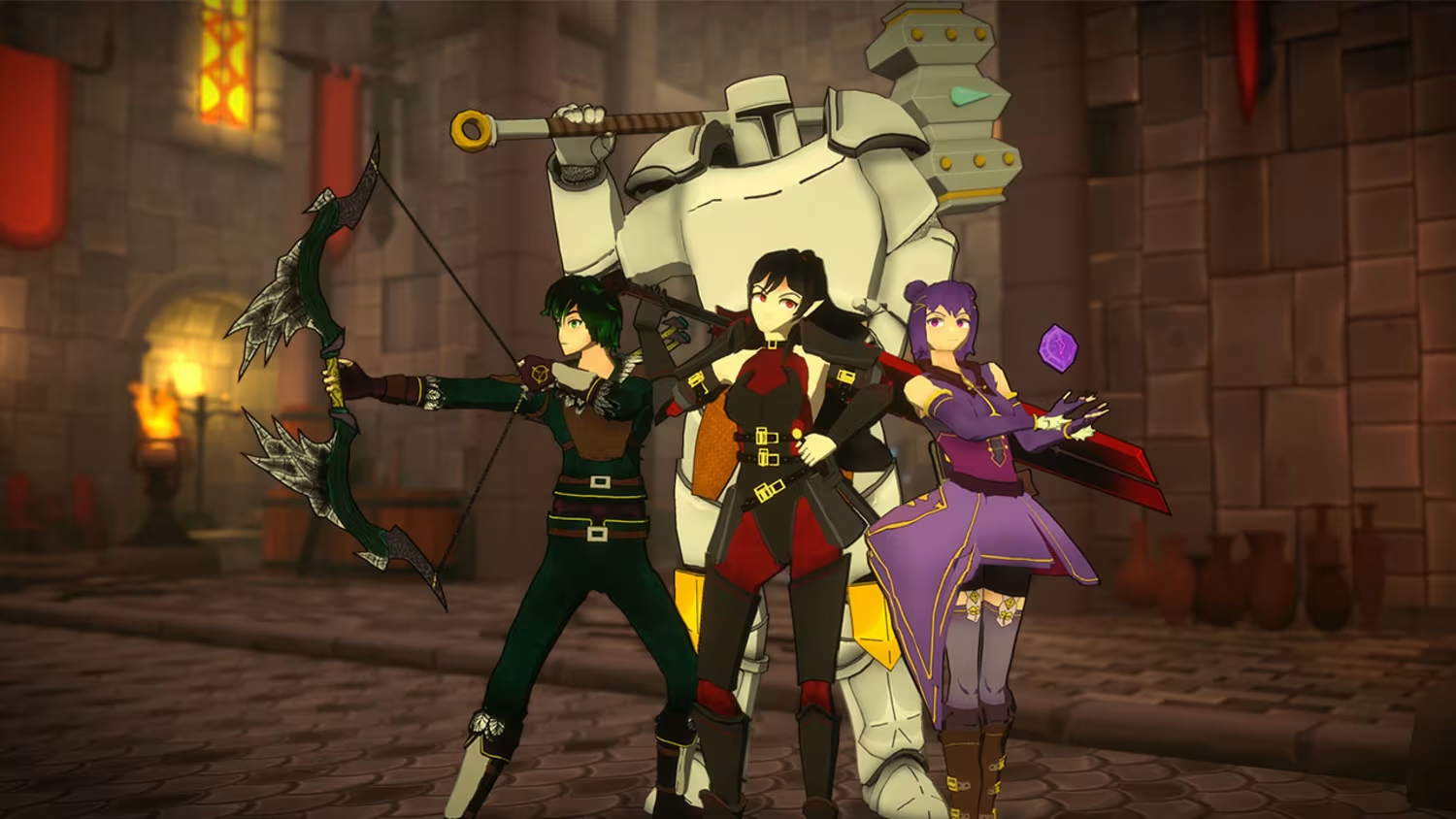
Rivalia heroes are designed to support different tactical preferences rather than a single fixed approach. The roster includes characters with distinct weapons, unique abilities, and combat styles, giving players room to choose a hero that suits how they want to confront dungeon threats.
That variety matters because progression encourages experimentation. Players can develop heroes, collect gear, and unlock talents, then use those tools to shape a more capable build. A player who prefers a particular combat approach can refine it, while someone looking for a different rhythm can try another hero and reassess how skills, equipment, and dungeon demands fit together.
The result is a progression system with practical consequences in battle. Gear and talents are not detached rewards; they help determine how effectively a hero handles enemies, survives pressure, and contributes during difficult encounters. The distinct identities of the roster also give repeated runs a different feel when players change characters or alter their builds.
Real-Time Action Combat and Strategic Skill Use
Rivalia: Dungeon Raiders Switch NSP uses real-time combat, so encounters ask for quick reactions as well as considered decisions. Players must respond to immediate threats while making deliberate use of character skills. The pace is active, but success is not presented as a matter of reflexes alone.
Effective action RPG combat depends on choosing the right moment for an ability, understanding what a chosen hero can do, and adapting to the enemies in front of the party. This makes the game’s character skills central to the experience. A useful skill at the wrong time may offer less value than a carefully timed response to a changing fight.
Boss encounters raise those demands further. These are challenging battles that call for precision, recognition of enemy patterns, and, in cooperative play, coordinated reactions. The combat loop links speed with planning: players are encouraged to remain alert in the moment without losing sight of their larger build, resources, and party strategy.
How Dynamic Dungeon Generation Shapes Every Run
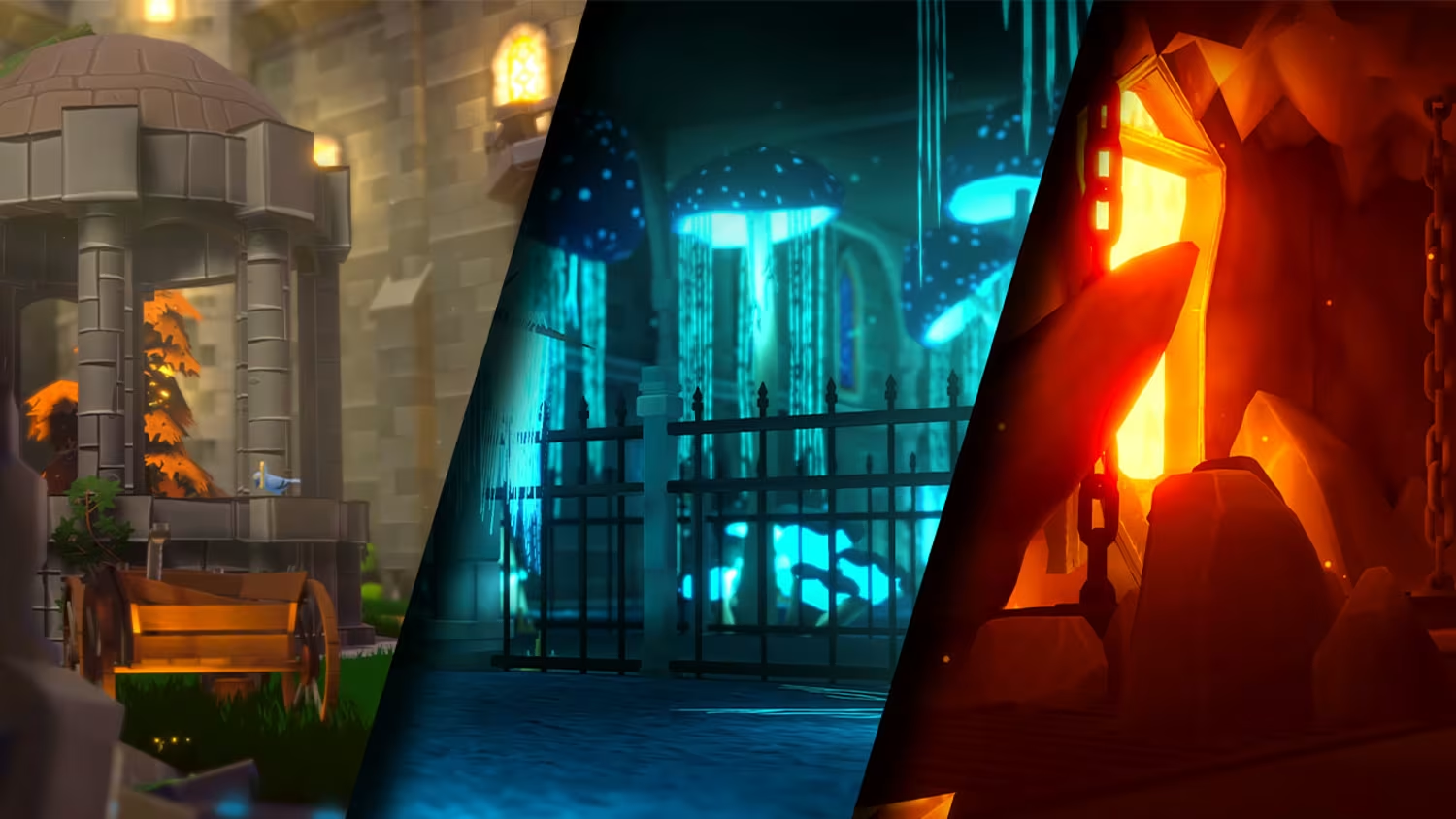
Dynamic dungeons are a major source of variety in Rivalia. The game uses procedural layouts so repeated expeditions do not follow an identical route. New configurations can change the path through a dungeon, the placement of enemies, and the loot found along the way.
This design supports dungeon replayability because familiarity with the basic premise does not guarantee an unchanged run. Players still need to explore, assess threats, and make decisions based on the conditions they encounter. A route that felt manageable on one venture may present a different set of pressures on the next.
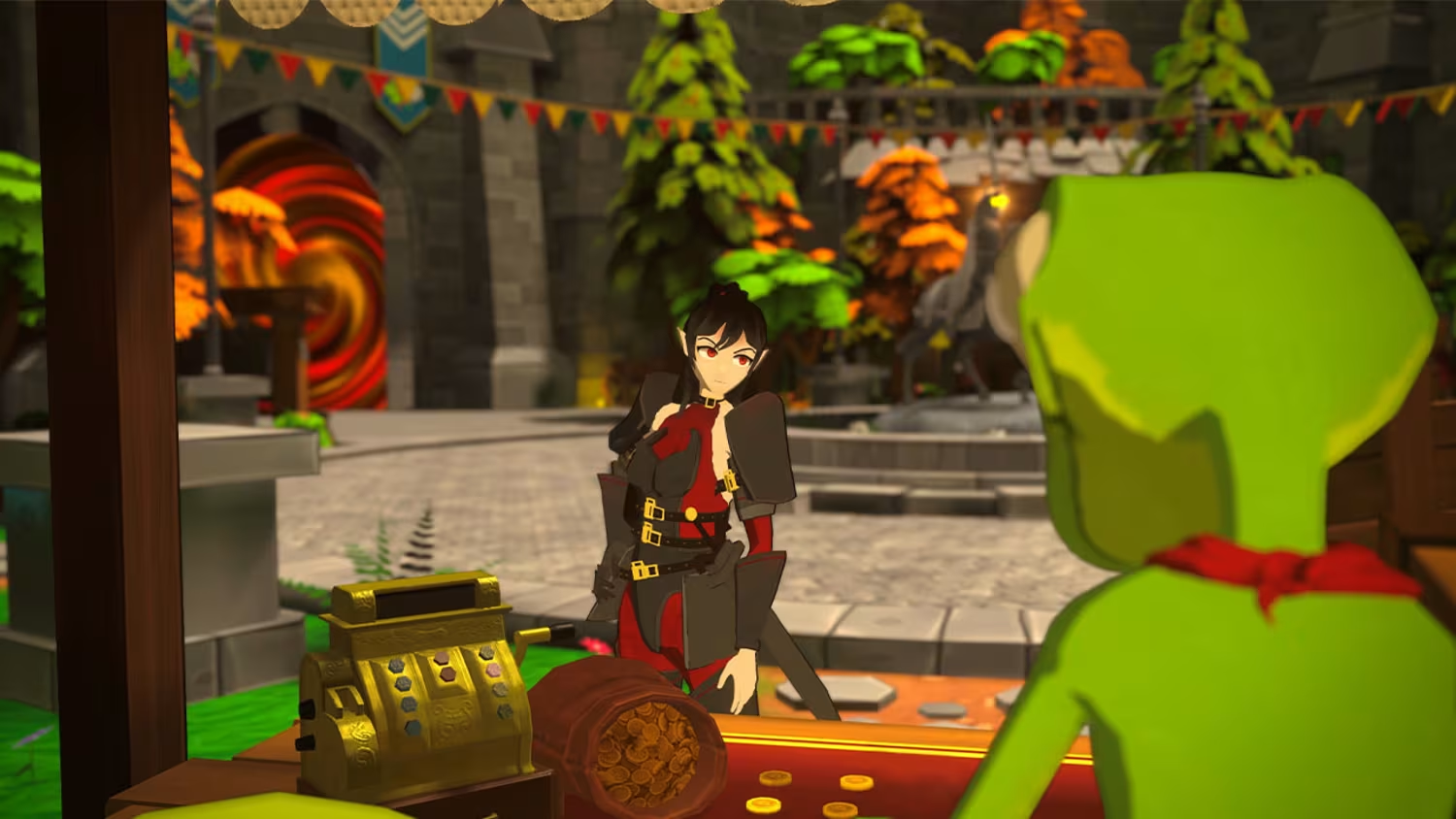
Loot further reinforces that changing structure. Powerful gear can contribute to hero progression, while collected resources can be used through the crafting system to create stronger equipment and useful consumables. The combination of procedural layouts, shifting enemy positions, and varying rewards gives each return to the dungeons a reason to remain attentive.
Co-op Dungeon Raiding and Ability Synergy
Co-op multiplayer adds another strategic layer to dungeon raiding. Players can team up to confront tougher challenges, using teamwork to make better use of the roster’s differing strengths. The game specifically emphasizes ability synergy, making coordination more meaningful than simply having more people present in a fight.
Because heroes have their own weapons, abilities, and combat styles, a group can consider how those tools work together. Timing skills around allies, responding to boss patterns as a team, and adjusting to a dungeon’s changing conditions can help a party deal with the game’s more demanding encounters.
Cooperative play is especially relevant for players who enjoy shared action-RPG decision-making. It retains the fast-moving combat while creating space for communication and group planning. For solo-minded players, the hero and build systems still provide room to experiment; for groups, the same systems become opportunities to coordinate.
5 Practical Priorities for Surviving Tougher Dungeon Runs
- Build for flexibility. Experiment with different Rivalia heroes, gear, and unlocked talents instead of relying on one unchanged setup. Distinct combat styles can be better suited to different dungeon pressures.
- Use skills with purpose. Real-time combat rewards quick reflexes, but character skills are most valuable when used deliberately in response to the threats and openings in a fight.
- Judge loot carefully. New equipment can strengthen a hero, so consider how each reward supports the build and combat approach you are trying to develop.
- Gather crafting resources. Resources collected during expeditions can be used to craft stronger equipment and valuable consumables, helping prepare for later challenges.
- Study boss behavior. Tough boss battles demand precision and pattern recognition. In co-op multiplayer, combine that awareness with teamwork and ability synergy.
With Action, Adventure, and Role-Playing elements, Rivalia is suited to players drawn to fast dungeon combat, build experimentation, procedurally changing runs, and cooperative boss challenges. It supports English and Spanish, is listed for Europe and USA regions, and carries Title ID 0100E7401F58E000.