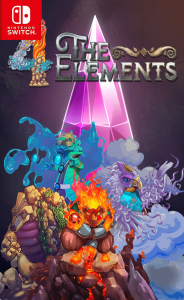
4 The Elements Switch NSP
Report Link Error
Select the broken download file, then submit the report.
Screenshots
About Game
4 The Elements Switch NSP places its puzzle adventure in a world where nature’s basic forces have fallen out of balance. Developed and published by Mito Games, this Action and Puzzle release arrived on July 18, 2024, bringing a shrine-restoration journey to Nintendo Switch players across Europe, the USA, and Japan. Its central idea is direct: learn how fire, water, earth, and air behave, then use that knowledge to move through a threatened world.
Aerthos and the Elemental Crisis
Aerthos was once held together by a stable relationship between its elemental forces. That stability has broken down because the ancient elemental shrines that regulate the world have become dormant. Fire, water, earth, and air no longer act in harmony; instead, their uncontrolled power threatens the land with destruction.
This crisis gives the game a clear sense of pressure without moving away from its puzzle-platforming focus. The shrines are not simply background lore. They are the source of Aerthos’s disorder and the destinations that shape the adventure. Each reawakened shrine represents progress toward repairing the world, while also opening more of the story behind the elemental imbalance.
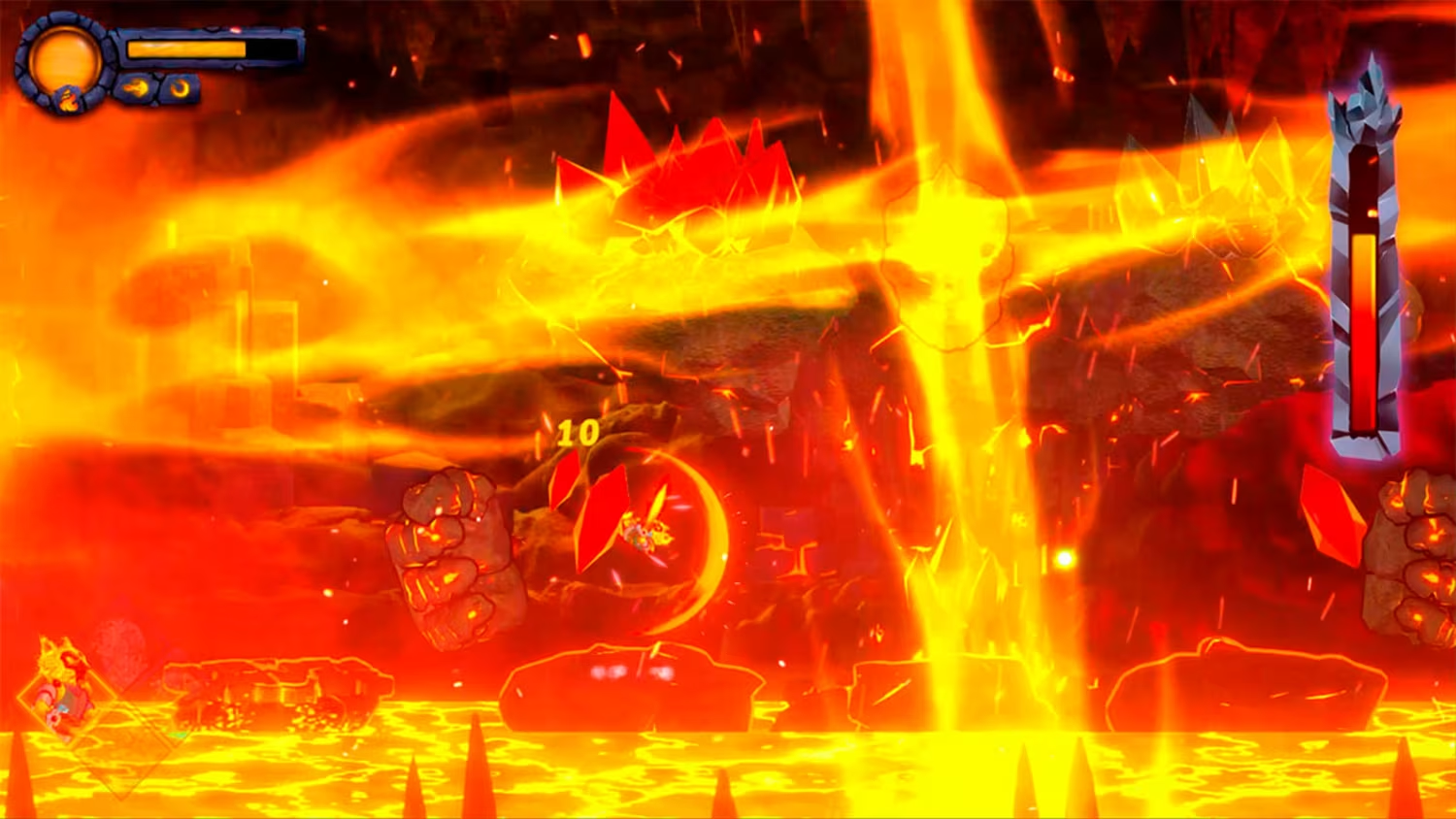
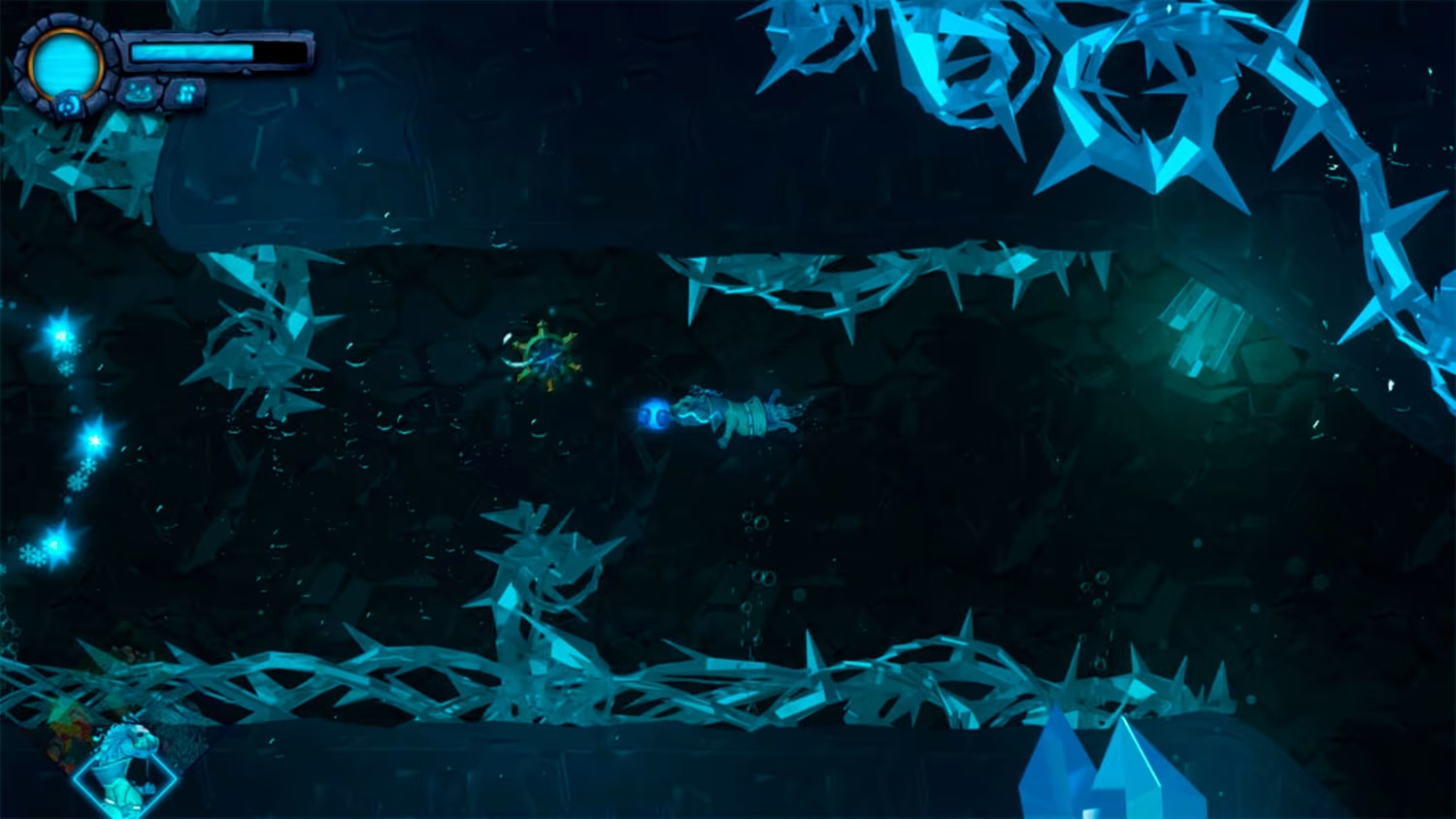
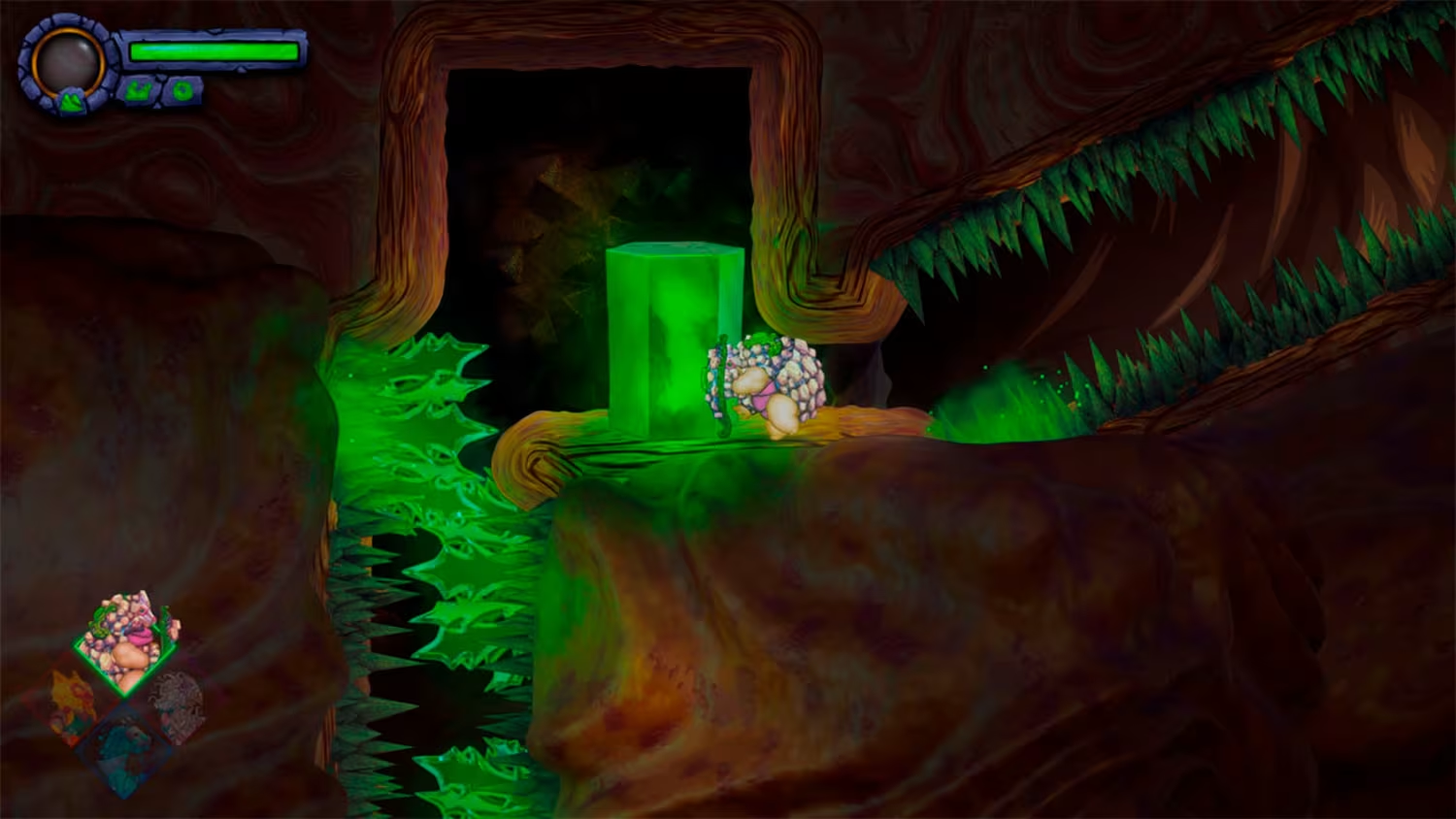
The journey crosses varied environments, including volcanic caverns and watery plains. These locations support the game’s four-element premise by making the terrain itself part of the challenge. A dangerous flame, a blocked passage, a gap, or a heavy obstruction can become a problem with a different answer depending on the elemental form available at that moment.
Elara’s Quest to Restore the Shrines
The player controls Elara, a young elemental guardian selected by an ancient prophecy. Her task is to travel through perilous landscapes, revive the dormant shrines, and restore harmony to Aerthos before the spreading imbalance becomes catastrophic.
Elara’s role connects the story to the mechanics. She is not merely visiting elemental locations; she can assume forms aligned with the forces disrupting the world. This makes her journey feel like an effort to understand and direct the powers that have become chaotic. Her encounters with corrupted elemental spirits and other hostile creatures reinforce the idea that the crisis has affected both places and inhabitants.
The prophecy-driven quest also has a personal dimension. As Elara progresses, she uncovers long-lost knowledge about the elements and learns more about her own lineage. Each shrine moves her closer to the truth behind the impending disaster, giving the campaign a continuing narrative reason to push into the next biome, solve the next contraption, and confront the next obstruction.
Switching Between Fire, Water, Earth, and Air
The defining mechanic in 4 The Elements Switch NSP is element switching. Elara can shift between four forms, with each one offering distinct movement and interaction tools. The game asks players to assess an obstacle, choose the appropriate element, and sometimes change forms several times to complete a route.
Fire is associated with melting and attacking, making it useful when heat or direct force is needed. Water can float and douse flames, helping Elara respond to hazards that fire cannot safely cross. Earth provides shielding and lifting abilities, which can be important around threats or heavy objects. Air allows gliding and pushing, offering ways to travel across spaces or influence parts of the environment from a different angle.
This puzzle platforming structure means that traversal is rarely just about reaching the right edge of a screen. A platform may need to be created, a fire may need to be extinguished, or an object may need to be moved before a path becomes usable. The fluid form changes encourage players to treat the four elements as a connected toolkit rather than four isolated abilities.
Environmental Puzzles and Elemental Combinations
The game’s environmental puzzles depend on careful reading of the surroundings. Traps, obstacles, enemies, and elemental contraptions are placed throughout the levels, and their purpose is often revealed through how they relate to a particular power. Water can address flames, earth can create platforms, and air can alter movement or push objects into place. The important question is not only what a form can do, but when it should be used.
Some challenges call for elemental combinations rather than a single obvious action. A player may need to protect Elara with earth before moving an object, use air to reach a higher route, or switch quickly to handle changing environmental conditions. The game encourages experimentation because puzzle solutions can have more than one approach.
That flexibility gives exploration value to its levels. Hidden pathways and optional challenges reward curious play with upgrades and lore fragments. Hidden glyphs and relics can also improve Elara’s elemental powers, so searching beyond the most direct route can support both progression and a fuller understanding of Aerthos. Players who revisit an area with a better grasp of the forms may notice routes or solutions that were previously easy to miss.
Light Combat Against Corrupted Creatures
Combat is a lighter layer than the puzzle solving, but it keeps the elemental abilities relevant when danger appears. Elara faces corrupted creatures and elemental adversaries created or affected by the world’s imbalance. These encounters ask players to apply their forms beyond navigation and environmental manipulation.
Fire’s attacking capability gives it an obvious combat role, while earth’s shielding can offer protection. Other forms retain their practical qualities, which helps preserve the game’s emphasis on situational thinking. An enemy-filled area can still be part of the wider elemental challenge rather than a separate system detached from the adventure’s main ideas.
The result is a game suited to players who enjoy deliberate exploration, accessible action, and puzzles built around a small set of abilities that gain meaning through repeated use. Its appeal lies less in complex combat and more in the satisfaction of recognizing how a landscape, obstacle, or creature can be addressed through the right elemental response.
5 Practical Tips for Solving Elemental Challenges
- Pause and observe. Before switching forms, look at the full area for flames, gaps, movable objects, traps, and possible higher routes. Environmental details often suggest which elemental power is relevant.
- Test each interaction. Fire, water, earth, and air have different strengths, so try a form even when the first solution seems obvious. Water may douse a hazard, while earth may reveal a safer way through it.
- Think beyond one answer. Many puzzles can have multiple solutions. A route that works may not be the most efficient one, and a different elemental combination may expose an optional reward.
- Search for side paths. Hidden routes, glyphs, relics, optional challenges, and lore fragments reward exploration. Check unusual ledges, spaces beyond obstacles, and areas that become reachable through gliding or lifting.
- Learn the forms fully. Keep the practical identity of every element in mind: fire melts and attacks, water floats and douses, earth shields and lifts, and air glides and pushes. Strong puzzle strategies come from knowing when each strength matters.