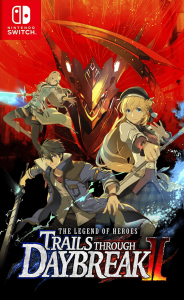
The Legend of Heroes: Trails through Daybreak II Switch XCI
Report Link Error
Select the broken download file, then submit the report.
Screenshots
About Game
The Legend of Heroes: Trails through Daybreak II Switch XCI continues Van Arkride’s story in the Calvard Republic, placing its professional problem-solver protagonist in a new chain of mysteries, political unrest, and conflicts involving powerful organizations. The sequel pairs its narrative focus with a combat structure that moves between real-time action and tactical command decisions, giving its RPG foundation a more immediate rhythm.
Why the Sequel’s Character Drama Matters
Van Arkride’s role remains central to the story. As a Spriggan, he works across social boundaries as a detective, negotiator, and bounty hunter, taking on problems for clients with very different needs. That position naturally puts him close to the tensions running through Calvard, where political intrigue and shadowy groups continue to create instability.
The sequel examines the consequences of major prior events rather than treating them as distant background. Its character development is tied to the aftermath: decisions have weight, relationships are tested, and the larger situation in the republic continues to evolve. Van’s resolve is challenged by moral dilemmas, while new adversaries add pressure to an already complicated web of conspiracies.
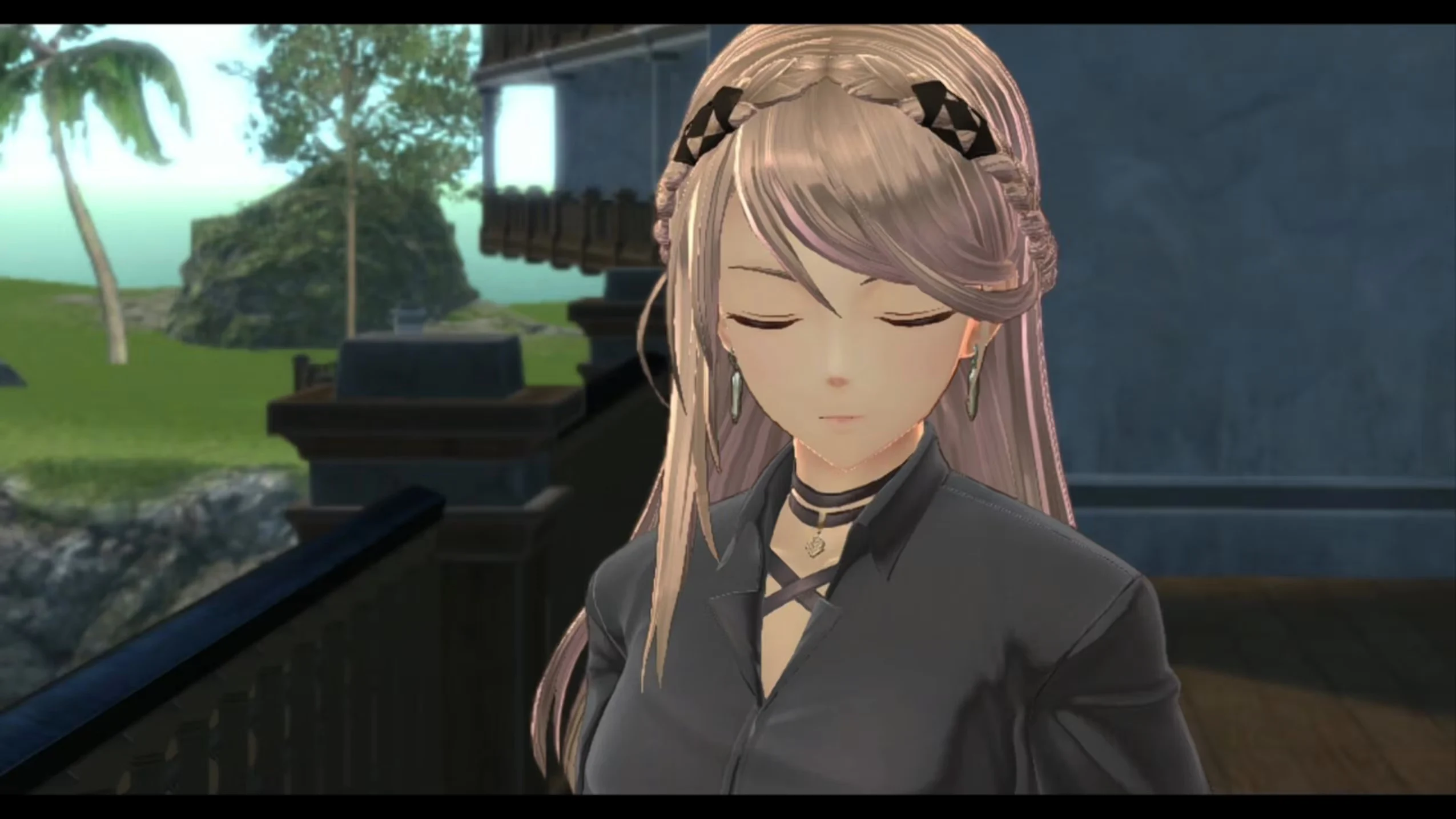
Returning and new characters both have important roles in expanding the plot and its lore. Dialogue and story events are not merely pauses between battles; they contribute to the continuing Trails saga, adding context to the mysteries facing Van and the wider struggle surrounding Calvard. The Bracer Guild and secret societies are again part of this unsettled landscape, reinforcing the sense that local cases can connect to far-reaching conflicts.
That emphasis makes the story suitable for players who value an RPG with conversation, investigation, and political tension alongside combat. The stakes concern more than a single mission, with the fate of Calvard positioned as part of the unfolding conflict.
Action Meets Tactical Command Combat
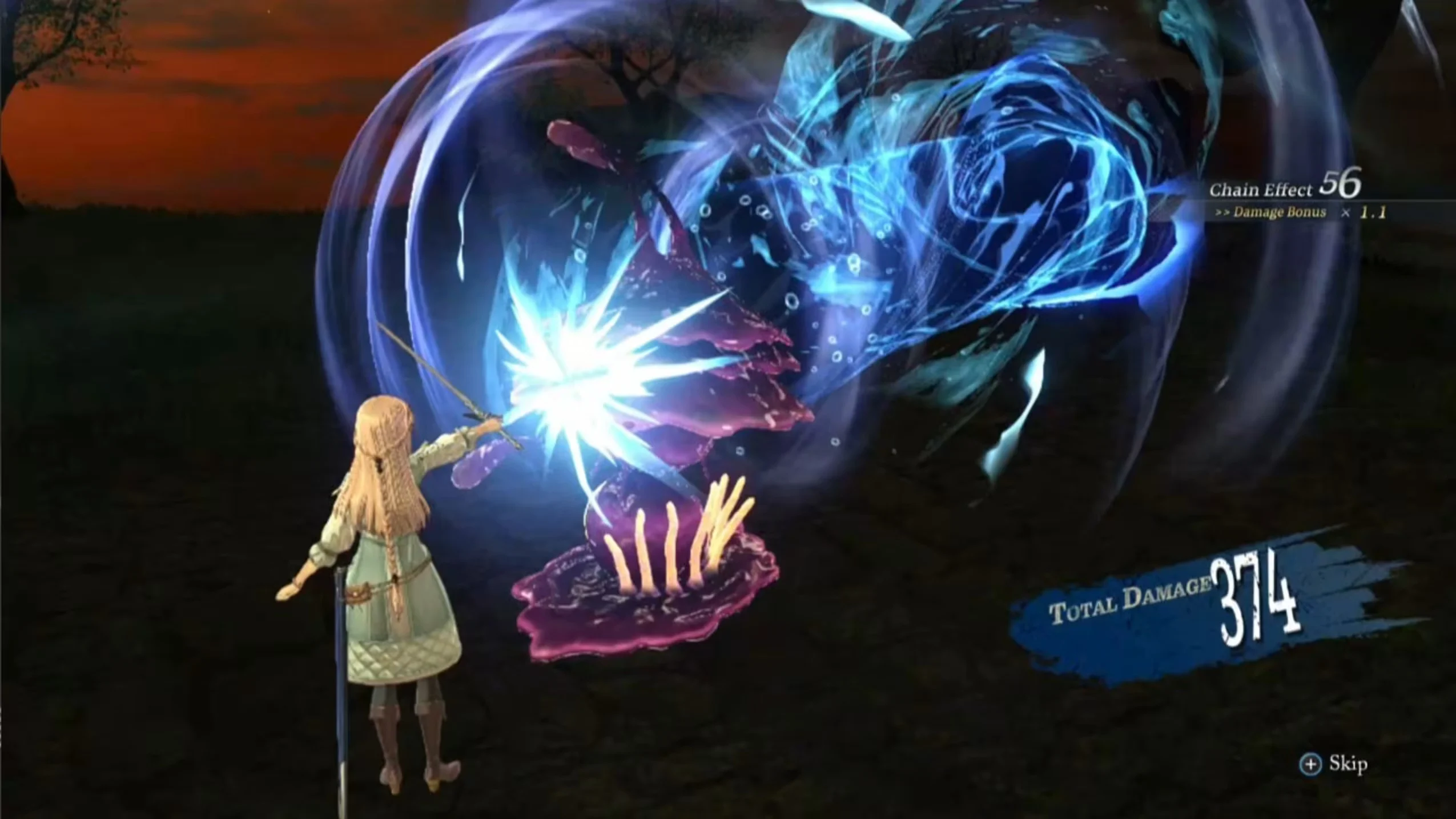
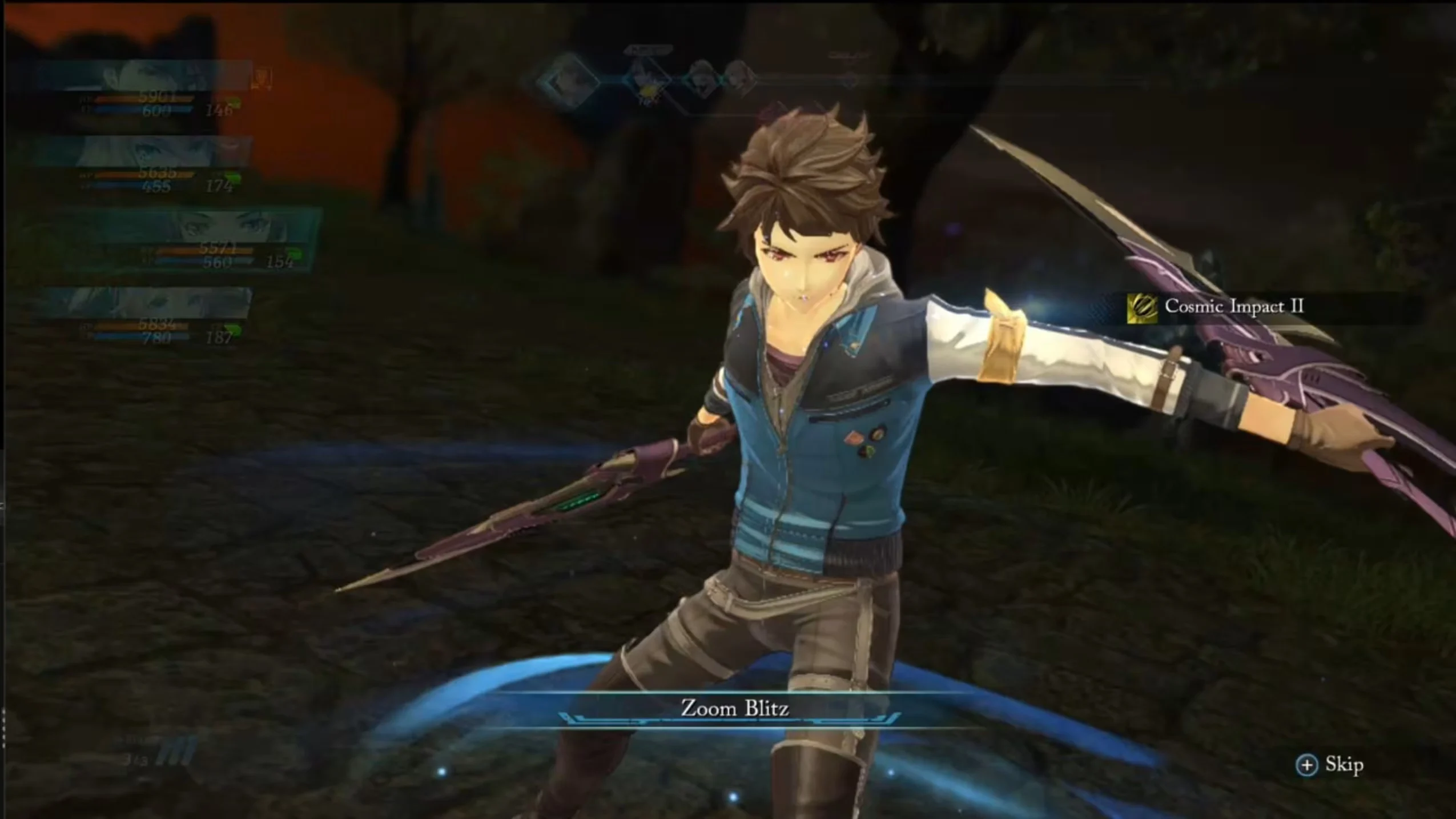
The battle design combines action combat with command-based combat, creating fluid transitions between field encounters and more deliberate tactical play. Rather than presenting exploration and battle as entirely separate experiences, the system is built to move smoothly between them.
This blend gives encounters two distinct demands. Real-time action brings a dynamic quality to fighting in the field, while command-based combat opens room for planning. Players can consider their available options, adjust their approach, and make tactical choices based on the threats in front of the party.
The same design supports exploration across interconnected areas of the Calvard Republic. Players can travel through detailed environments, meet NPCs, uncover hidden treasures and lore, and take on side quests that provide rewards while broadening the narrative context. These activities help link combat progression to the world itself, rather than reducing advancement to a sequence of isolated fights.
Using the Enhanced S.C.L.M. Combat System
The enhanced S.C.L.M. combat system is the framework behind the game’s mix of speed and control. It incorporates dynamic real-time action while also providing tactical pause features, allowing the pace of battle to shift when a more considered response is needed.
That tactical pause is important because it gives command decisions a clear place within dynamic battles. Players are not limited to reacting in the moment; they can pause to assess the situation and work through their options. The result is a system designed around both momentum and planning.
Its appeal lies in that contrast. Fast-moving action can make encounters feel active, while the pause feature supports a measured approach when the battle demands attention. The system therefore complements the game’s broader emphasis on strategy without removing the energy of real-time combat.
Building a Strong Party Through Orbments
Character progression centers on extensive party customization. The updated Orbment system is a key part of shaping a team’s abilities, giving players room to create varied character builds rather than relying on a single fixed setup.
For difficult encounters, configuration matters. Abilities, gear, and Arts all contribute to a party’s readiness, and the source material identifies mastering the Orbment system as crucial to optimizing the team. Stronger preparation can mean refining how characters function together, not simply relying on one powerful attack.
Arts and gear are also presented as important tools against tougher foes. The game’s progression encourages players to consider how their party is equipped before entering demanding battles, especially when formidable enemies require more than a quick field approach. The flexibility of the system gives party customization a practical role in combat strategy.
5 Combat Priorities for Tough Encounters
- Learn the transition. Get comfortable moving between real-time field action and command-based combat so that the shift in pace supports, rather than interrupts, your decisions.
- Pause with purpose. Use the S.C.L.M. tactical pause feature to assess the encounter and make deliberate choices when dynamic battles become more demanding.
- Refine character builds. Treat the Orbment system as a central part of progression, adjusting abilities to better optimize the party for difficult fights.
- Prepare gear and Arts. Configure equipment and powerful Arts before challenging encounters, since both are identified as essential resources against the toughest opposition.
- Reserve S-Crafts. Save devastating S-Crafts for formidable enemies, where their power can be most valuable within a broader combat strategy.
Nintendo Switch Release Details for Trails through Daybreak II
For players following the series’ continuing Calvard storyline, The Legend of Heroes: Trails through Daybreak II Switch XCI brings together character-focused drama, investigation, exploration, and a combat system built around both immediate action and tactical command. Its strongest focus is on managing a customizable party while navigating a story shaped by conspiracies, consequences, and difficult choices.