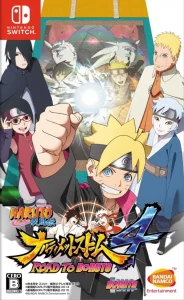
NARUTO SHIPPUDEN : Ultimate Ninja STORM 4 ROAD TO BORUTO Switch NSP XCI
Report Link Error
Select the broken download file, then submit the report.
Screenshots
About Game
NARUTO SHIPPUDEN : Ultimate Ninja STORM 4 ROAD TO BORUTO Switch NSP XCI brings together the closing chapters of Naruto Shippuden and a later story centered on Boruto Uzumaki. The result is a broad anime-inspired fighting adventure that moves from the Fourth Great Ninja War to the challenges facing a new generation of shinobi, with cinematic clashes, familiar faces, and a large selection of playable fighters.
What Road to Boruto Adds to Ultimate Ninja STORM 4
The Road to Boruto expansion changes the shape of the Ultimate Ninja STORM 4 story by extending it beyond Naruto’s original era. The base narrative deals with major Shippuden events, while the expansion follows Boruto Uzumaki, Naruto’s son, in an adventure set after the main series. That added perspective gives the package a sense of transition rather than a simple ending.
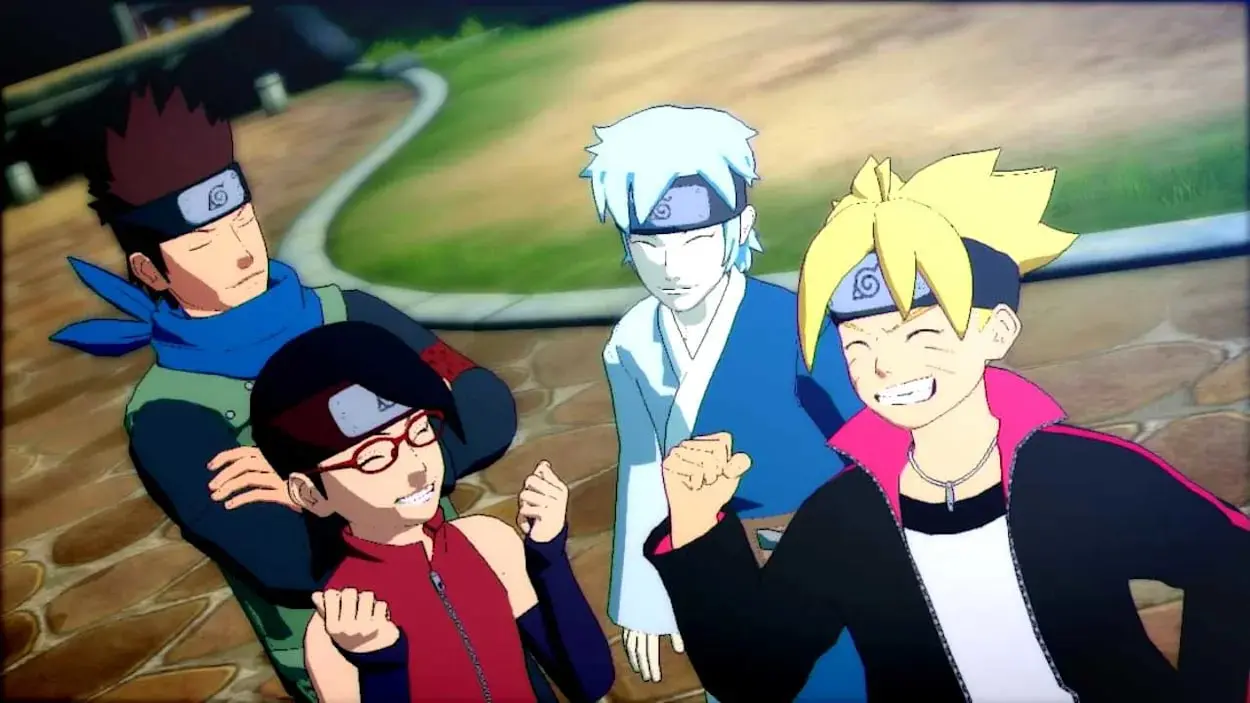
Boruto’s presence is important because it introduces characters and conflicts from a later point in the Naruto timeline. The focus shifts from the long-running struggles that defined Naruto’s generation toward the next generation ninjas and their own formidable opponents. It is a continuation built around inheritance: the world has changed, but the pressure of protecting it remains.
This structure also gives returning players a reason to revisit the story in a different context. Naruto’s journey reaches significant points of closure, while Boruto’s material opens fresh character arcs and new confrontations. The two eras are connected, yet they retain distinct emotional weight.
The Fourth Great Ninja War at the Center of the Story
The Naruto Shippuden narrative is anchored by the Fourth Great Ninja War, a conflict that gathers many of the series’ central characters and long-running tensions into a single high-stakes setting. Its ninja war battles provide the dramatic backbone for the story, bringing together major confrontations and revelations that affect Naruto and the people around him.
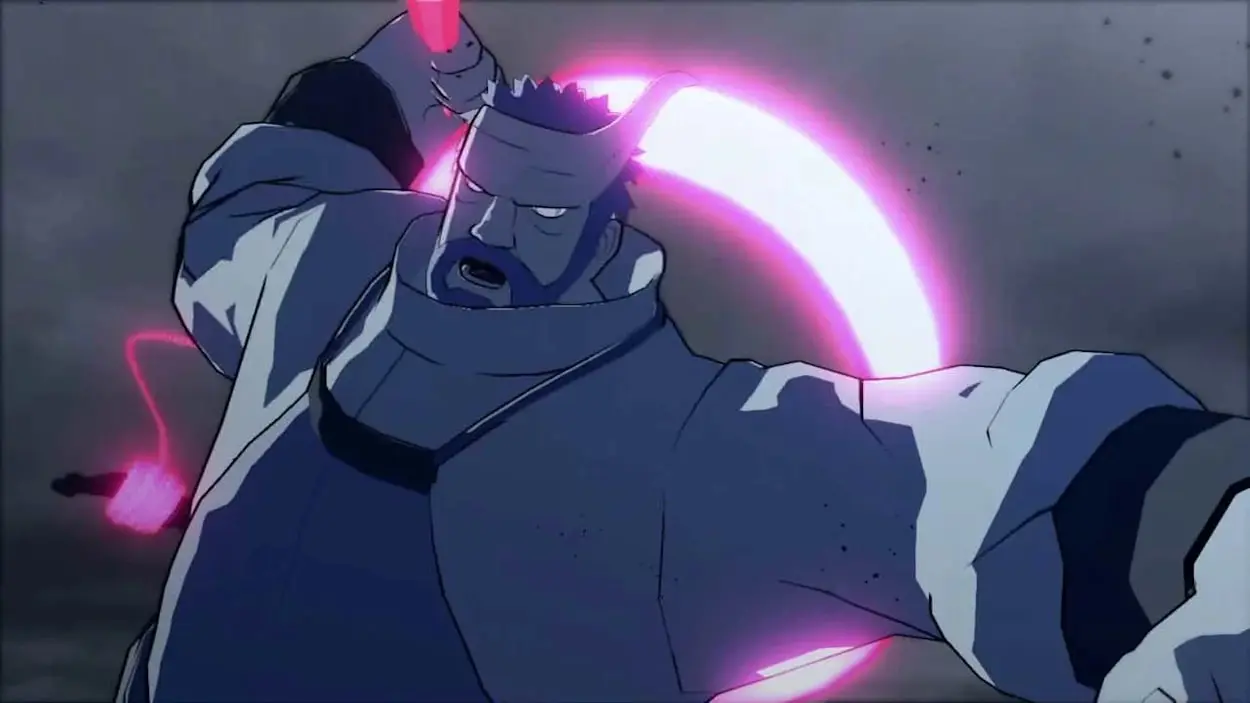
Rather than treating the war as background spectacle alone, the story uses it to bring established character arcs toward resolution. The conflict carries the accumulated history of the series: rivalries, alliances, personal losses, and questions about what kind of future the characters want to build. Encounters involving powerful adversaries such as Kaguya Otsutsuki give the narrative a larger-than-life scale while keeping the emphasis on the characters caught in the struggle.
That balance matters to the game’s atmosphere. Battles are flashy and dramatic, but the appeal is not only in the visual force of a technique landing. The story is also shaped by emotional revelations and by the sense that many familiar relationships have reached decisive moments.
From Naruto’s Era to Boruto’s New Adventure
The timeline-spanning approach lets players move through important events from Naruto’s story before reaching the Boruto story. It creates a useful contrast between two periods of the same world. Naruto’s era is defined by the enormous pressure of war and the culmination of established conflicts; Boruto’s later-era material presents a younger cast confronting problems that belong to their own time.
Momoshiki Otsutsuki is among the powerful adversaries tied to this later material, reinforcing that the transition to Boruto is not merely a quieter epilogue. The next generation inherits a world shaped by Naruto’s victories, but it also inherits threats that demand new responses.
For audiences familiar with both eras, this arrangement offers a concentrated journey through key moments without separating Naruto and Boruto into unrelated experiences. For players more interested in the broad story than in a single period, the game’s progression offers a clear path from the conclusion of one major saga to the beginning of another.
Fast-Paced Arena Combat and Accessible Ninja Techniques
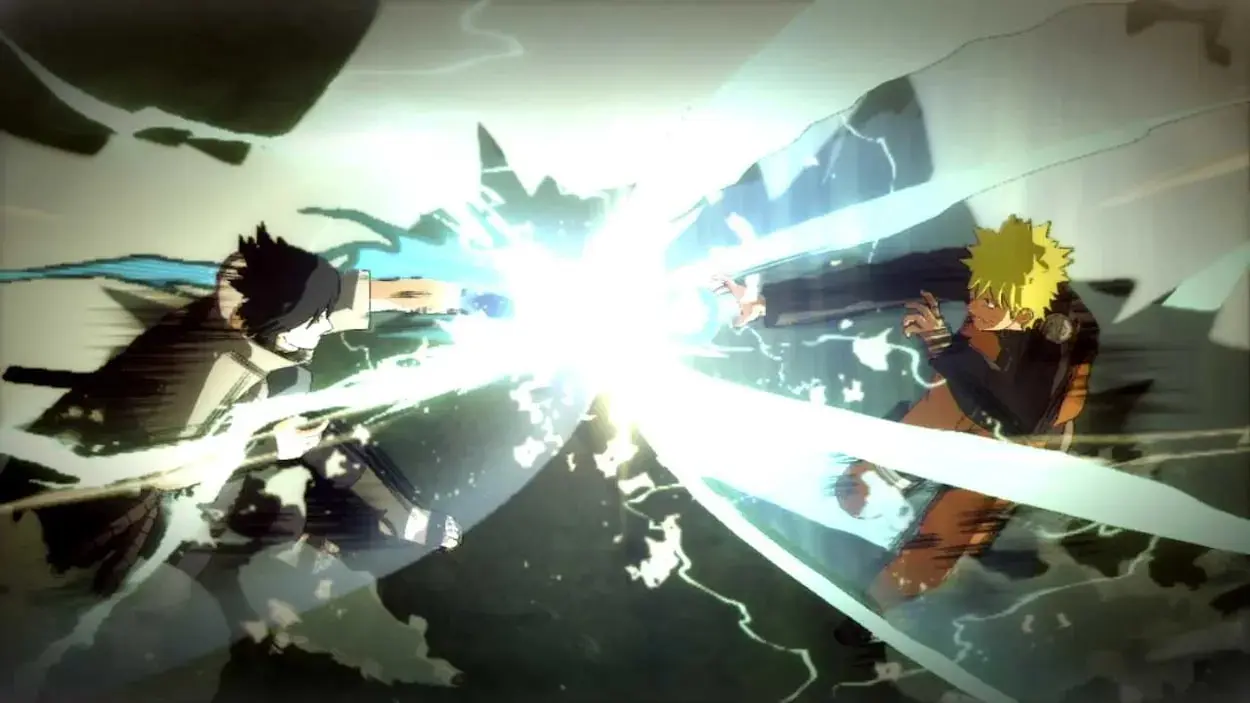
Combat is built around quick, arena-based ninja combat designed to look as energetic as the source material. Accessible controls make it possible to perform elaborate attacks without turning every encounter into a technical barrier, while the battles still leave room for tactical decisions through team selection and character switching.
Elemental jutsus, defensive options, transformations, and cinematic finishers give the fighting a strong sense of presentation. Players can use substitution jutsu and counter attacks to escape pressure or reverse momentum, while Awakening Mode pushes characters into more powerful states. Ultimate Jutsus deliver the most theatrical moments: signature special attacks presented with the visual impact expected from a major anime confrontation.
- Build a team: Choose fighters with styles that fit the way you want to approach a match.
- Switch at key moments: Changing team members during combat can create tactical opportunities.
- Use the arena: Wall running and environmental interactions add movement and attack possibilities.
- Defend with purpose: Substitution jutsu and counter attacks can interrupt an opponent’s momentum.
- Save the spectacle: Ultimate Jutsus and awakenings provide powerful, cinematic turning points.
The presentation favors speed and impact. Characters move through vibrant environments, and the combat system continually returns to the visual language of anime battles: sudden bursts of movement, recognizable techniques, and attacks meant to feel decisive. This makes it suitable for players seeking accessible action with a strong emphasis on spectacle, as well as for fans who want to see established techniques performed by a wide range of characters.
A Large Playable Roster Across Naruto and Boruto
The Naruto character roster includes over 100 characters drawn from the Naruto and Boruto universe. That scale supports replay value because the available fighters are not limited to one generation or one story chapter. Boruto characters sit alongside combatants associated with Naruto Shippuden, allowing teams to reflect different periods of the series.
Varied fighting styles help keep matches from feeling identical. A player can return to the same battle format with different characters, team combinations, and special techniques, while the story material and additional modes provide other reasons to spend time with the roster. Adventure Mode adds story replay and side quests, and collecting items or unlocking new characters contributes to a longer progression loop.
Online multiplayer is also included for players who want to test their chosen teams against others. The game’s large cast, team-based combat, and emphasis on recognizable moves make competitive matches a natural extension of the single-player experience.
Nintendo Switch Release Details for Road to Boruto
NARUTO SHIPPUDEN : Ultimate Ninja STORM 4 ROAD TO BORUTO Switch NSP XCI is listed for Nintendo Switch with a release date of April 24, 2020. Bandai Namco Entertainment is credited as both publisher and developer. The listed region is Japan, with English and Japanese language support.
Its genre tags are Adventure, Fighting, RPG, and Action, which reflects the mix of story progression, arena battles, exploration, side activities, and character collection. The listed file size is 12GB, and the Title ID is 010084D00CF5E000. For players drawn to the Naruto Shippuden finale, Boruto’s later adventure, or a large roster of anime fighters, this edition presents both generations in one connected package.
Recommended Similar Games
 Mega Man X Legacy Collection 2 Switch NSPView Game
 Donkey Kong Country Returns HD Switch NSPView Game
 Daymare: 1994 Sandcastle Switch NSPView Game
 FINAL FANTASY TACTICS – The Ivalice Chronicles Deluxe Edition Switch NSPView Game
 Sid Meier’s Civilization VI Switch NSP XCIView Game
 My Hero One’s Justice Switch NSP XCIView Game
