KATANA KAMI A Way of the Samurai Story Switch NSP

Report Link Error
Select the broken download file, then submit the report.
Screenshots
About Game
KATANA KAMI A Way of the Samurai Story Switch NSP frames its samurai drama around an urgent, personal problem: Kijiro, a skilled but indebted swordsmith, must recover his daughter after she is held as collateral by a moneylender. His answer is not a single heroic march, but a demanding routine of craftsmanship, commerce, and dangerous nighttime journeys into the Netherworld.
KATANA KAMI A Way of the Samurai Story: A Debt-Driven Samurai Tale
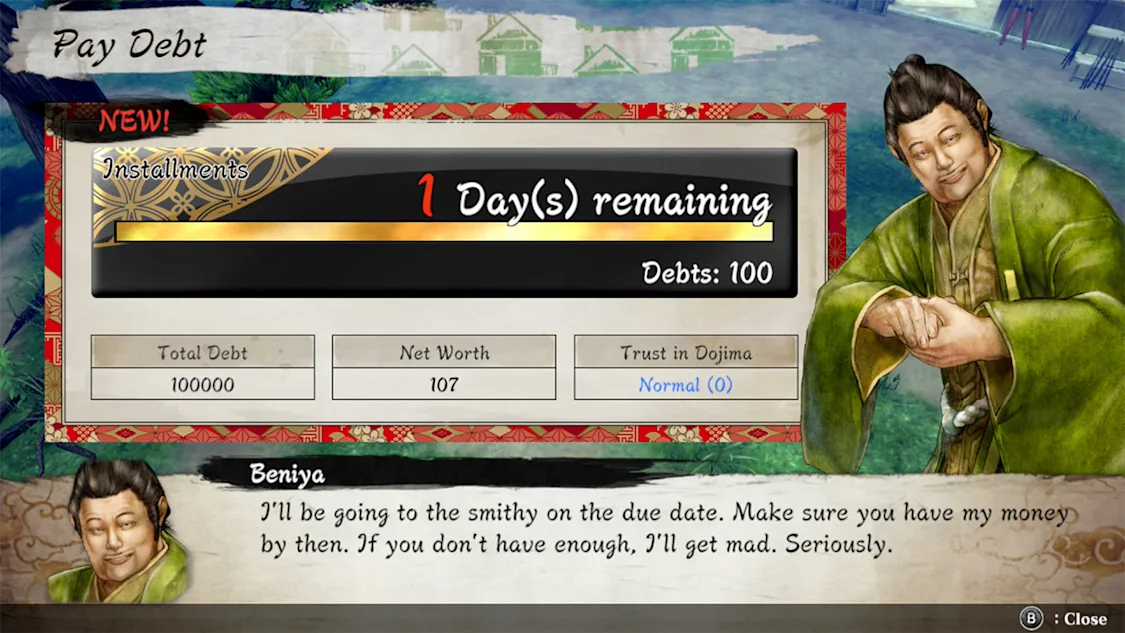
Kijiro’s predicament gives this samurai story a grounded emotional center. The debt hanging over him is not an abstract number; it is tied directly to his daughter’s safety. That pressure turns every successful sale, recovered material, and completed expedition into part of a larger effort to bring her home.
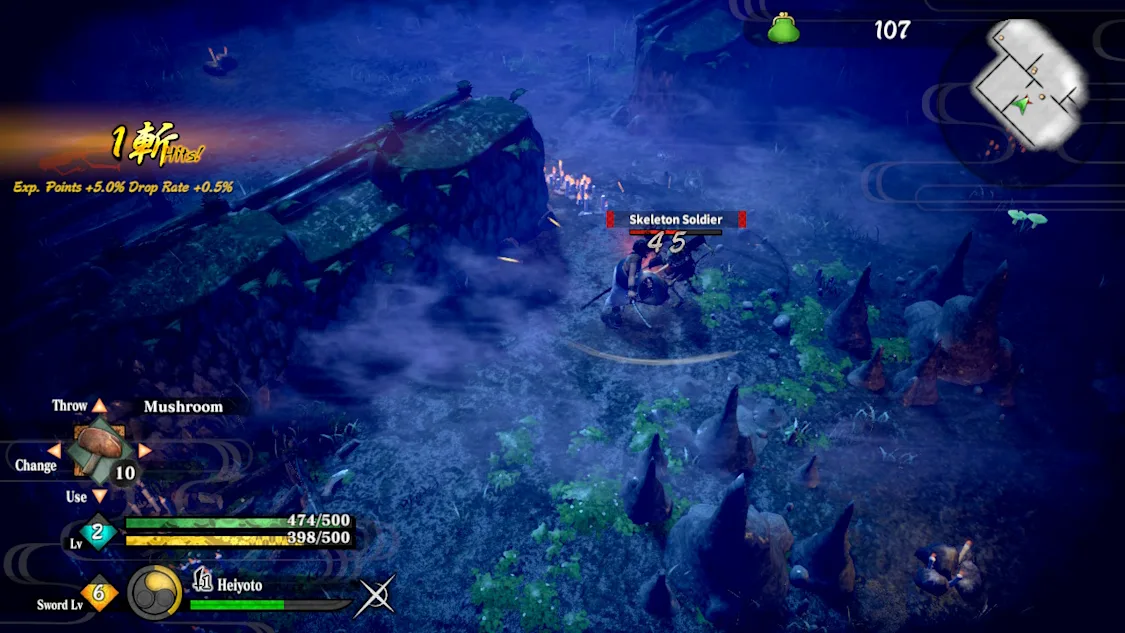
The Netherworld supplies the game’s darker side. Each night, Kijiro enters this dangerous realm to confront supernatural threats and seek resources that can support his work as a swordsmith. Yokai and other enemies make those expeditions risky, while the materials found below can help improve the blades that support his livelihood above ground.
This setup creates an atmosphere shaped by obligation rather than simple conquest. Kijiro is a man trying to solve a crisis through the skills he knows best: wielding, repairing, and making swords. The stakes give the adventure a focused sense of purpose, even as the player’s decisions can lead the story in different directions.
The Day-and-Night Loop: Swordsmith by Day, Explorer by Night
The central structure moves between two distinct roles. During the day, Kijiro manages his swordsmith shop. He can craft weapons, repair and upgrade equipment, sell swords, and keep track of the money needed to address his debt. Shop work is not merely a pause between battles; it is a major part of progression.
Nighttime shifts the game into dungeon crawling. Kijiro descends into procedurally generated areas of the Netherworld, where changing layouts keep expeditions uncertain. Combat rewards and gathered materials feed back into the daytime business, creating a practical connection between survival underground and success behind the counter.
This day and night cycle makes the game an action RPG with a management-minded rhythm. A strong expedition can provide useful resources, but staying out too long or returning with damaged equipment may complicate the next day’s work. The player is continually asked to judge risk, prepare for the next night, and make each shop day count.
KATANA KAMI A Way of the Samurai Story Switch NSP therefore treats progress as more than defeating enemies. It also depends on keeping the swordsmith operation functional, turning recovered materials into better weapons, and finding enough financial stability to keep Kijiro moving toward his goal.
Katana Combat, Stances, and Blade Maintenance
Katana combat is built around sword styles and combat stances. Different approaches can be more effective against particular opponents, making enemy weaknesses an important consideration in the Netherworld. Encounters are not simply about carrying a powerful weapon; they also ask the player to understand how to use it.
That emphasis gains weight through weapon durability. Kijiro’s swords require attention, and a neglected blade can break. Maintaining a reliable katana is therefore part of combat preparation, not an afterthought. Repairing, upgrading, and enchanting weapons gives swordsmithing a direct connection to the action.
The result is a progression system where equipment has practical value beyond its appearance or damage output. Materials gathered during expeditions can support the forging process, while the shop provides a place to keep weapons in working order. A well-maintained sword can make a difficult night more manageable; a poorly managed one can turn danger into disaster.
Combat also fits the game’s broader mood. Kijiro is not separated from the tools of his trade. The swords he uses, repairs, and sells all belong to the same cycle of work and survival, giving the action a meaningful place within his daily struggle.
Choices, Relationships, and Multiple Story Paths
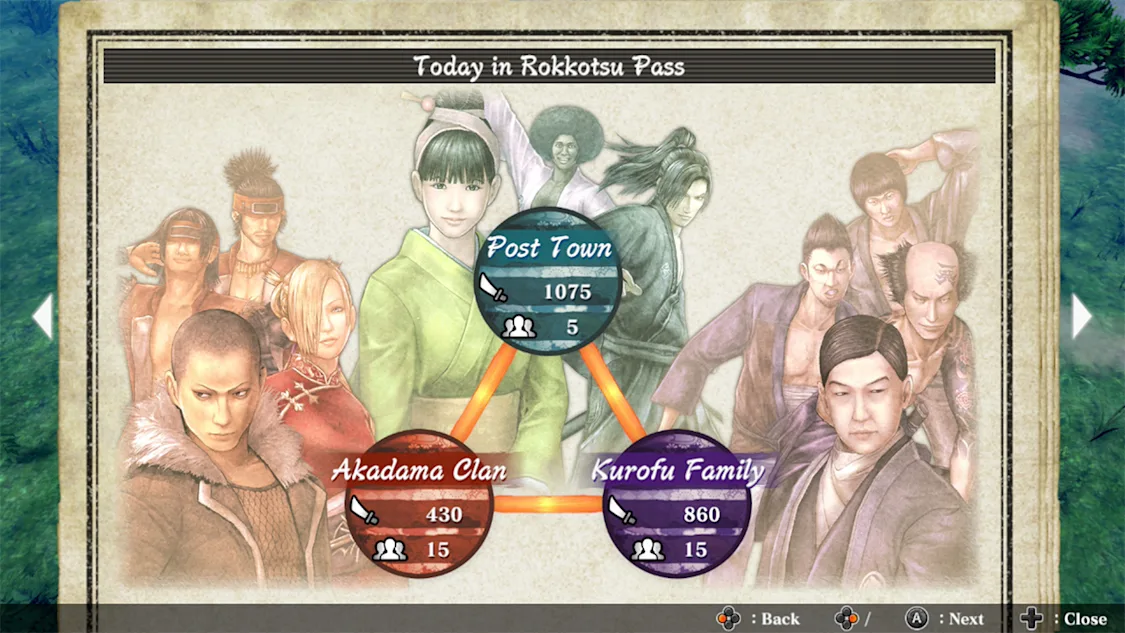
Kijiro’s route is shaped by more than debt repayment. Player choices and interactions with other characters can influence how the story develops. Helping certain people and building trust may open new opportunities, adding a relationship-building element to the game’s mix of combat and shop management.
These decisions support a branching narrative with multiple endings. That structure gives the story replay value, since a later playthrough can involve different choices, different relationships, and a different path for Kijiro. The personal stakes remain the same, but the player has room to shape how he responds to the people and pressures around him.
The multiple endings also suit the game’s day-to-day design. Choices made during ordinary shop life can matter alongside decisions made in dangerous dungeon expeditions. For players interested in a samurai tale where actions can affect the destination, that connection between routine, relationships, and narrative direction is a significant part of the appeal.
5 Priorities for a Strong Early Survival Plan
- Balance the schedule. Treat the day and night cycle as a single system. Dungeon expeditions provide materials and opportunities, while the swordsmith shop supports the financial side of Kijiro’s mission.
- Protect the blade. Watch weapon durability closely. Weapon maintenance matters because a sword that is not properly cared for can break when Kijiro needs it most.
- Gather with purpose. Materials from the Netherworld can support forging, repairing, upgrading, and enchanting katanas. Bring back resources that can strengthen future expeditions.
- Respect shop finances. Selling crafted swords is tied to repaying the debt. Managing money carefully helps keep the shop useful rather than allowing the nightly risks to go unrewarded.
- Consider people. Character interactions may build trust and unlock opportunities. Relationship building can matter alongside combat skill and shop work, especially in a branching narrative.
Nintendo Switch Version: Release and Game Details
KATANA KAMI A Way of the Samurai Story released in Japan on February 20, 2020. It is an Action and Role-Playing Game developed by Acquire and published by Spike Chunsoft. The Nintendo Switch release supports English, Japanese, and Chinese languages.
The listed regional release is Japan, and the stated firmware requirement is version 9.1.0. Its file size is listed as 1.7GB. For players drawn to sword-focused action, dungeon exploration, weapon care, and the measured demands of a working swordsmith shop, the game offers a distinctive blend of pressures: fight effectively at night, work intelligently by day, and keep Kijiro’s larger debt-driven goal in sight.