Nobody Saves the World Switch NSP
Report Link Error
Select the broken download file, then submit the report.
Screenshots
About Game
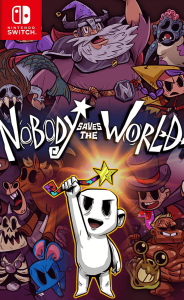
Nobody Saves the World Switch NSP presents an action adventure role-playing journey built around an unusual hero: a character called Nobody, who wakes with no memories, a mysterious wand, and a problem far larger than a rundown shack. The world is facing the Calamity, while the Guild of Heroes has disappeared, leaving Nobody to discover what happened and find a way forward.
Nobody’s Awakening and the Calamity Threat
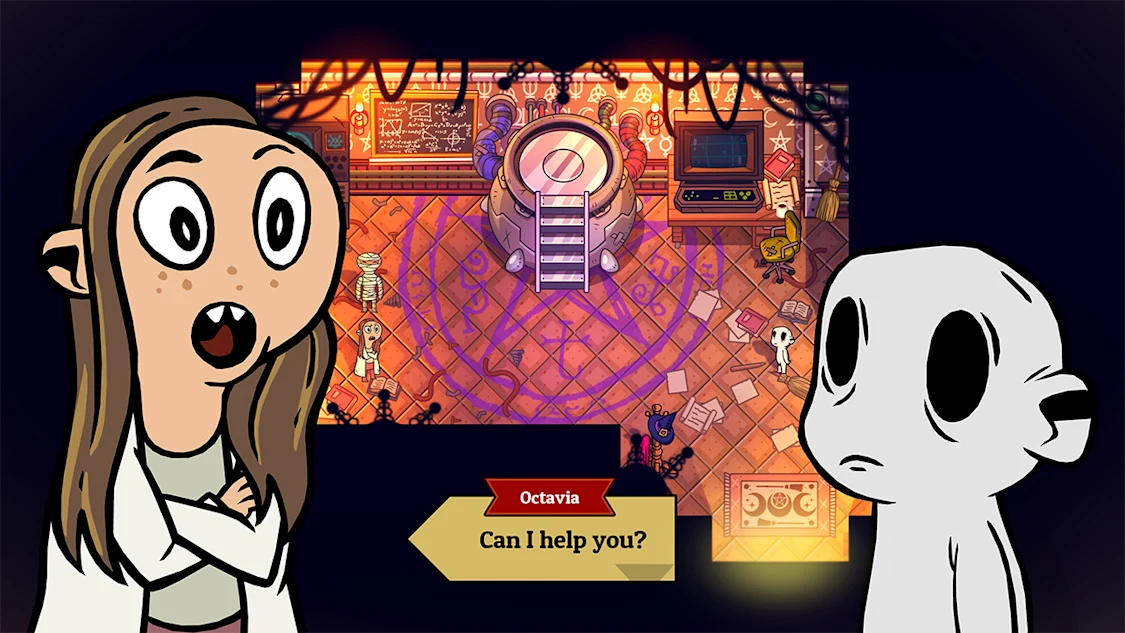
The Nobody Saves the World story begins from a deliberately modest position. Nobody is not introduced as an established warrior or chosen champion. Instead, the character awakens without memories in a shabby shack and comes into possession of a wand with the remarkable ability to grant transformations. That power becomes the foundation of both the adventure and Nobody’s identity.
The wider situation is considerably more urgent. A dark force known as the Nobody Saves the World Calamity threatens the land, and the Guild of Heroes has vanished when its protection is needed most. Nobody’s journey involves learning about this danger, seeking to restore the missing Guild, and confronting the crisis facing the world.
This setup gives the game room for a lighter, stranger tone alongside its stakes. The path introduces quirky characters, competing concerns, and factions with their own problems. Nobody’s role is not simply to defeat enemies; it is also a process of self-discovery, in which a blank-slate protagonist gradually becomes the person capable of helping a troubled world.
Form-Shifting as the Core Action RPG System
The defining feature of the action RPG gameplay is form shifting. Players begin as Nobody, then unlock a range of forms with different combat options, special abilities, and passive skills. The transformation system turns character choice into an active part of every encounter rather than a cosmetic change.
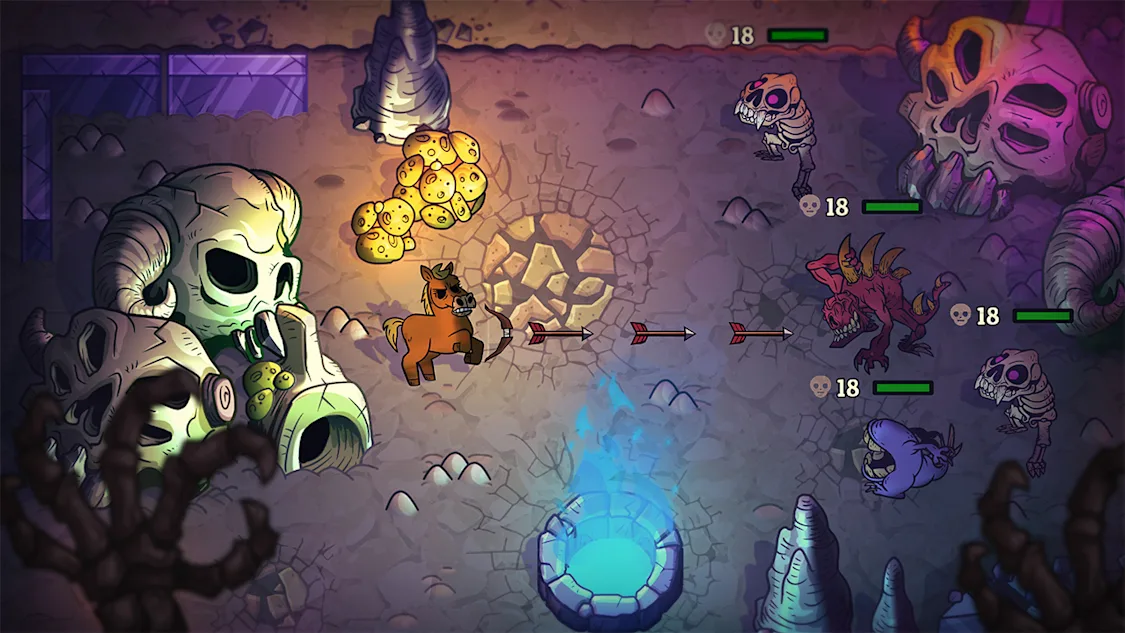
Known examples of Nobody Saves the World forms include the Rat, Ranger, Ghost, and Dragon. Each brings its own style of play. A form can offer particular attacks, useful abilities, or passive advantages that suit a given enemy group, puzzle, or dungeon condition. The value lies in adapting rather than relying on a single approach from start to finish.
Forms also develop over time. As they gain experience, additional abilities become available, and the game allows skills from different forms to be combined into custom loadouts. This gives progression a practical purpose: new unlocks can reshape how a familiar form functions. A player may pair an offensive option from one transformation with a defensive skill from another, creating a build suited to a preferred combat rhythm or a specific challenge.
That flexibility encourages experimentation. Instead of treating a new form as a temporary novelty, the game invites players to test where it fits, what it can solve, and how its abilities might work alongside those learned elsewhere.
Dungeons, Puzzles, and Real-Time Combat Challenges
The hand-drawn world contains quests, secrets, enemy encounters, and Nobody Saves the World dungeons. Dungeons are not framed solely as combat arenas. They also contain puzzles and changing demands that can reward a thoughtful transformation choice. A form that is effective against one group of foes may not be the best answer to the next obstacle.
Combat unfolds in real time, giving encounters a direct and active pace. The game’s different forms help keep those battles varied: attacks, special moves, and passive skills can be adjusted as players learn what works against particular enemies. This is an action adventure RPG where changing tactics is part of the expected response to difficulty.
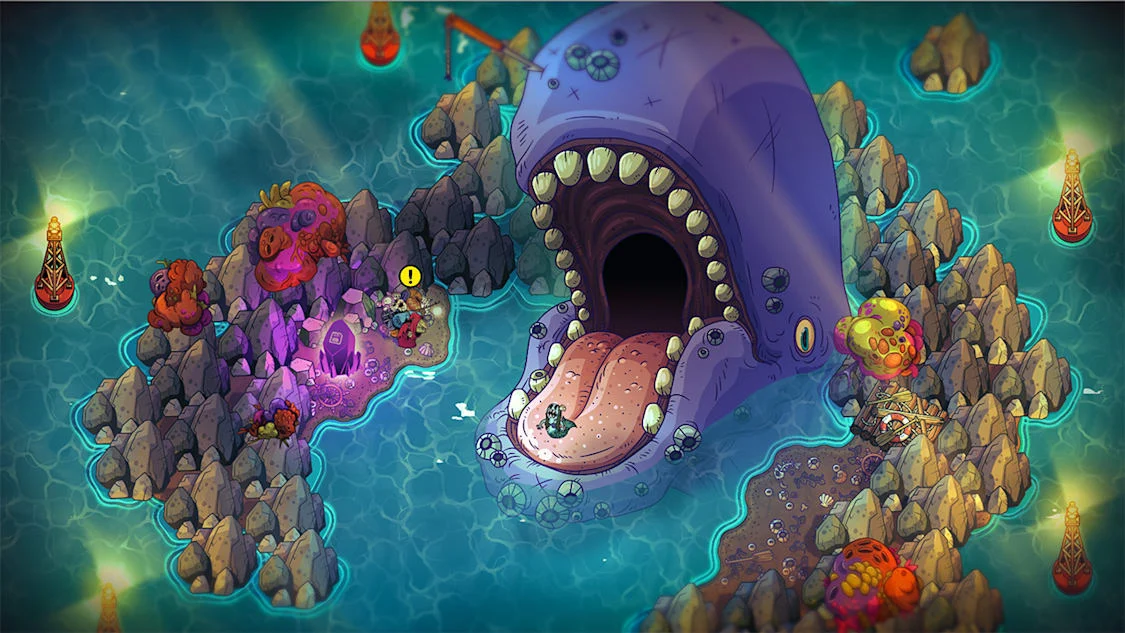
The presentation supports that variety with a hand-drawn setting full of unusual places and characters. Its world is built for exploration as well as progression, with dungeons and quests providing reasons to move between areas and investigate the problems encountered along the way. The Calamity supplies the larger threat, but the immediate experience comes from navigating a world that is colorful, odd, and full of practical challenges.
Quest Progression and Form Leveling
Nobody Saves the World quests provide a central route through the adventure. Completing them advances the story while also contributing to form experience, new forms, and additional abilities. Progress is therefore connected to both narrative movement and the expanding set of tools available to the player.
Form leveling makes the transformation system more than a list of unlocked identities. Forms improve as quests are completed and enemies are defeated, opening further possibilities for customization. Because abilities can be mixed across forms, each new reward can have value beyond the transformation where it originated.
A useful approach is to pay attention to multiple objectives at once. Pursuing several quest goals during exploration can make progress more efficient, while the quest log helps clarify the next available targets. This structure gives players reasons to revisit their available forms and reconsider their loadouts as fresh abilities arrive.
The result is a progression loop that supports continued experimentation. A challenging dungeon or encounter may prompt a different combination of skills; a new quest may provide the experience needed to improve a favored form. The game rewards curiosity about its systems without requiring every situation to be handled in exactly the same way.
Playing the Adventure Together in Local or Online Co-op
Nobody Saves the World co-op allows two players to take on the adventure together through local or online play. The option applies to the game’s exploration, combat, quests, and dungeons, making it possible to share both the immediate action and the longer process of unlocking and developing forms.
Co-op suits the game’s flexible design because two players can bring different transformations and abilities into the same situation. One player may favor a form built for direct combat while the other uses a different set of skills, creating more room for coordination when enemies or dungeon puzzles demand a change in approach.
For players looking for an action RPG that supports a shared session without leaving its central systems behind, local co-op and online co-op extend the same form-focused adventure rather than separating it into a different mode.
5 Essential Facts About Nobody Saves the World on Nintendo Switch
- Release date: Nobody Saves the World arrived on Nintendo Switch on April 14, 2022.
- Studio behind it: DrinkBox Studios is listed as both the publisher and developer.
- Genre mix: The game is categorized as Action, Adventure, and Role-Playing.
- Regional and language support: It is listed for Europe, USA, and Japan, with English, Japanese, French, German, Italian, Korean, Russian, Chinese, Spanish, and Portuguese language support.
- Switch details: The listed file size is 725MB, and the base firmware requirement is v13.2.1.
For players interested in a character-driven adventure with real-time fighting, dungeon puzzles, substantial quest progression, and a system built around creative skill combinations, Nobody Saves the World Switch NSP offers a distinctive premise. Its strongest appeal is the way Nobody’s many forms turn experimentation into the route through the world, its challenges, and the threat of the Calamity.
Recommended Similar Games
 Atelier Sophie: The Alchemist of the Mysterious Book DX SWITCH NSPView Game
 Bright Lights of Svetlov Switch NSPView Game
 Sonic Colors: Ultimate Switch NSP XCIView Game
 Artis Impact Switch NSPView Game
 FATAL FRAME / PROJECT ZERO: Maiden of Black Water Switch NSP XCIView Game
 Mario & Luigi Brothership Switch NSPView Game
