Tunic Switch NSP
Report Link Error
Select the broken download file, then submit the report.
Screenshots
About Game
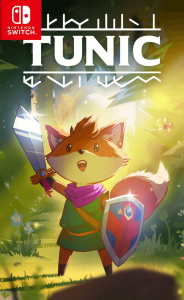
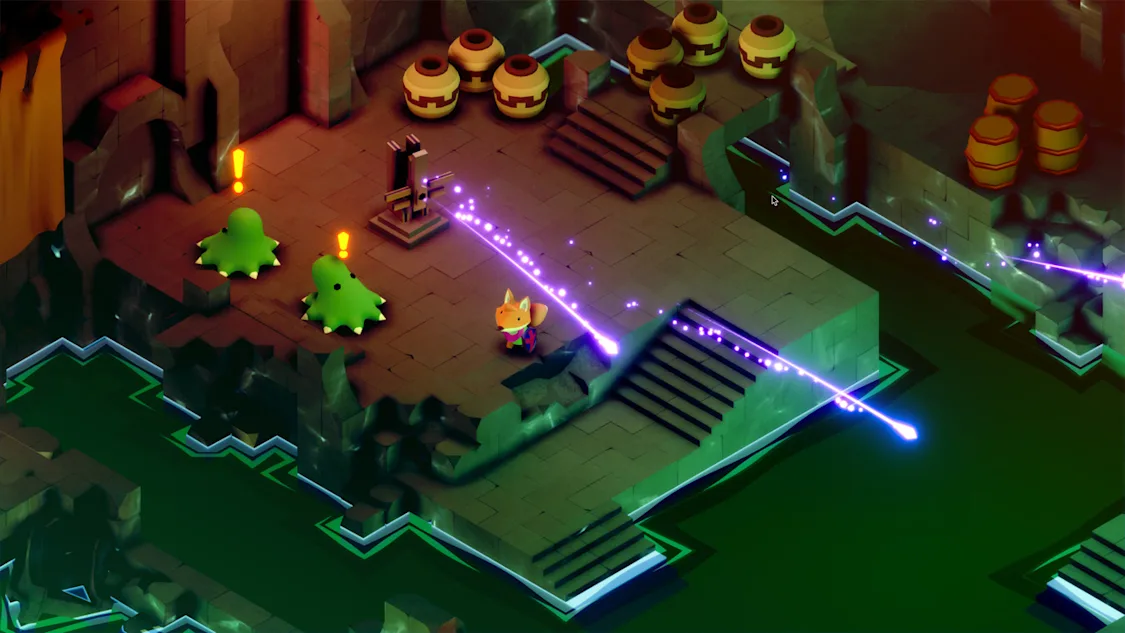
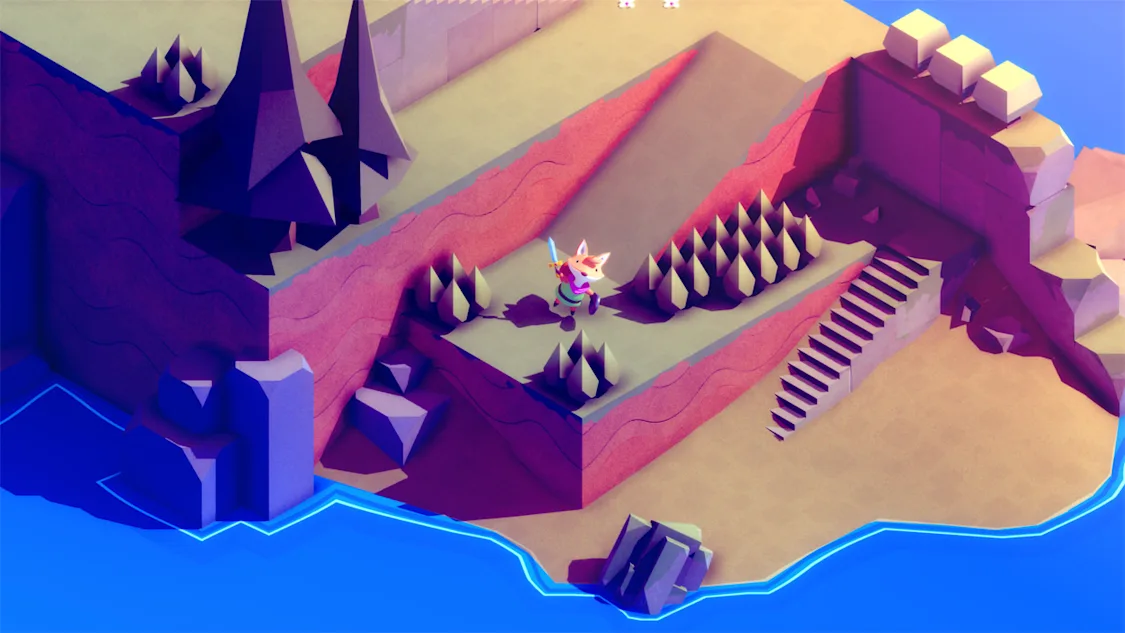
Tunic Switch NSP refers to Finji’s action-adventure game on Nintendo Switch, a compact but layered journey through a mysterious ruined land. Seen from an isometric perspective, it places players in control of a small fox whose path unfolds through exploration, combat, environmental puzzles, and the gradual recovery of knowledge that the world has left behind.
Tunic on Nintendo Switch: A Mystery-Driven Action-Adventure
Tunic Switch builds its identity around discovery rather than lengthy explanation. The fox protagonist awakens in an ancient-looking world marked by ruins, strange symbols, concealed routes, and fragments of forgotten lore. Instead of laying out every goal in direct terms, the game lets its setting, collectible information, and player observation shape the journey.
The isometric viewpoint gives the land a clear, storybook-like presentation while also supporting its central sense of uncertainty. A path may appear to end before it reveals another route; an overlooked corner may hold a useful secret; a familiar place can take on a different meaning once new information has been found. That approach gives Finji Tunic a deliberate pace. Curiosity is not separate from progression—it is part of the progression.
Action is woven into this exploratory structure. The fox faces mystical creatures in combat that calls for careful movement, dodging, attacking, and effective use of a shield and sword. These encounters bring tension to a world that can otherwise feel quiet and inviting. The result is an adventure built from several connected demands: reading the environment, understanding unusual clues, navigating dangerous spaces, and responding precisely when enemies close in.
- Look closely: Small environmental details can point toward routes, interactions, or puzzle solutions.
- Test the edges: Areas that seem complete may still hide paths and shortcuts.
- Keep manual pages: Their illustrations and text provide more than basic instruction.
- Connect discoveries: A clue found in one location may matter somewhere else.
- Stay patient: Some answers emerge after further exploration or new understanding.
Release Details, Regions, and Supported Languages
The Tunic Switch release date was September 27, 2022. Its listed regions are Europe, USA, Asia, and Japan, making the Nintendo Switch release available across a broad set of territories.
The listed Tunic Switch languages are English, Dutch, French, German, Italian, Japanese, Korean, Portuguese, Russian, Chinese, and Spanish. This language selection suits a game whose communication is intentionally unusual: the world contains cryptic text and symbols, while the manual pages use visual design and partial information as part of their appeal.
For players interested in its basic classification, Tunic is listed in the Action and Adventure genres. That pairing is useful because neither side is merely decorative. Exploration and puzzle-solving drive the journey forward, while combat asks for concentration and timing. The game’s mystery-led structure gives both elements a shared purpose.
Exploring Tunic’s Interconnected Ruined World
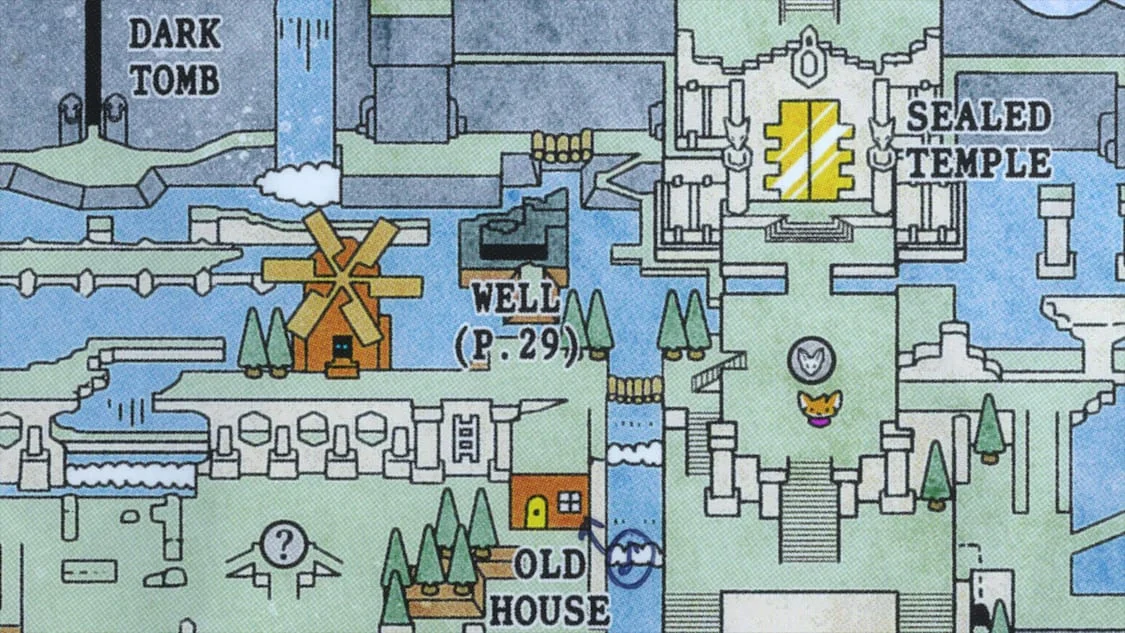
Tunic exploration is defined by an interconnected world rather than a sequence of isolated spaces. The ruined setting encourages players to revisit places, search beyond obvious routes, and notice how different areas link together. Shortcuts can reshape the map in practical ways, while hidden paths reward the willingness to investigate a wall, ledge, staircase, or distant landmark more carefully.
This design supports an atmosphere of quiet intrigue. The fox is small within a landscape that suggests a larger past, and the player is invited to understand that past gradually. The game does not rely on constant exposition to make its world feel significant. Its sense of scale comes from the contrast between the hero’s size, the remnants of the environment, and the unanswered questions scattered throughout the journey.
Tunic hidden paths are also part of its pacing. Discovery can lead to new areas, useful upgrades, or a more efficient way back through territory already explored. That makes observation feel productive even when no immediate battle or major destination is visible. The world encourages attention, experimentation, and occasional backtracking when a newly found clue changes what seems possible.
The In-Game Manual as a Core Discovery Tool
The collectible manual is one of Tunic’s most distinctive ideas. Rather than functioning only as a conventional tutorial, its pages are gathered through exploration and gradually form an in-game reference filled with controls, mechanics, lore, illustrations, and puzzle-related information.
Tunic manual pages preserve some of the game’s mystery even as they explain it. Their text can be cryptic, and their illustrations may contain details that matter beyond the immediate page. A page found early may seem incomplete or puzzling; later discoveries can make its purpose clearer. The manual therefore becomes both a guide and another layer of the game’s larger puzzle.
This presentation fits the fox’s journey through an unfamiliar land. The player is not simply receiving instructions from outside the world. Instead, the information is treated as an artifact to uncover, study, and interpret. That makes each page feel like a meaningful piece of progression rather than a detached menu item.
How Tunic’s Puzzles Reward Observation and Logic
Tunic puzzles ask players to pay attention to environmental details, unusual symbols, visual hints, and information collected elsewhere. Solutions are not always presented in a direct sequence. The game often benefits from a patient approach: explore, inspect the manual, compare clues, try an idea, and return later if a connection is still unclear.
The strongest puzzle moments come from this process of linking information. An illustration may hint at a mechanic. A route may be concealed in plain sight. A cryptic piece of text can become more useful when paired with something seen in the world. Tunic’s design treats observation and logic as active tools, placing the player in the role of an investigator as much as an adventurer.
That makes the game particularly suitable for players who enjoy being trusted to work through uncertainty. It does not depend on constant direction, and its secrets are designed to reward persistence. Combat skill matters, especially in difficult encounters and boss battles, but careful reading of the world is just as important.
Nintendo Switch Technical Metadata for Tunic
For reference, the Tunic Switch Title ID is 0100DA801624E000. The listed file size is 2.8GB. Its technical metadata lists base firmware v14.1.2 and update firmware v15.0.1.
Published and developed by Finji, Tunic combines a fox-led action-adventure structure with an unusually hands-on form of discovery. Tunic Switch NSP is best understood through that balance: a ruined world to explore, demanding encounters to survive, and a manual full of clues that asks players to slow down and think.