Formula Retro Racing Switch NSP
Report Link Error
Select the broken download file, then submit the report.
Screenshots
About Game
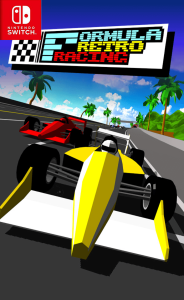
Formula Retro Racing Switch NSP presents a focused return to the fast, colourful spirit of 1990s arcade racers. Released for Nintendo Switch on March 31, 2023, it favours immediate competition over elaborate framing: pick a retro-inspired vehicle, learn the circuit, and chase the satisfaction of a cleaner line, a sharper overtake, or a quicker lap.
Formula Retro Racing on Switch: A 90s Arcade Racing Homage
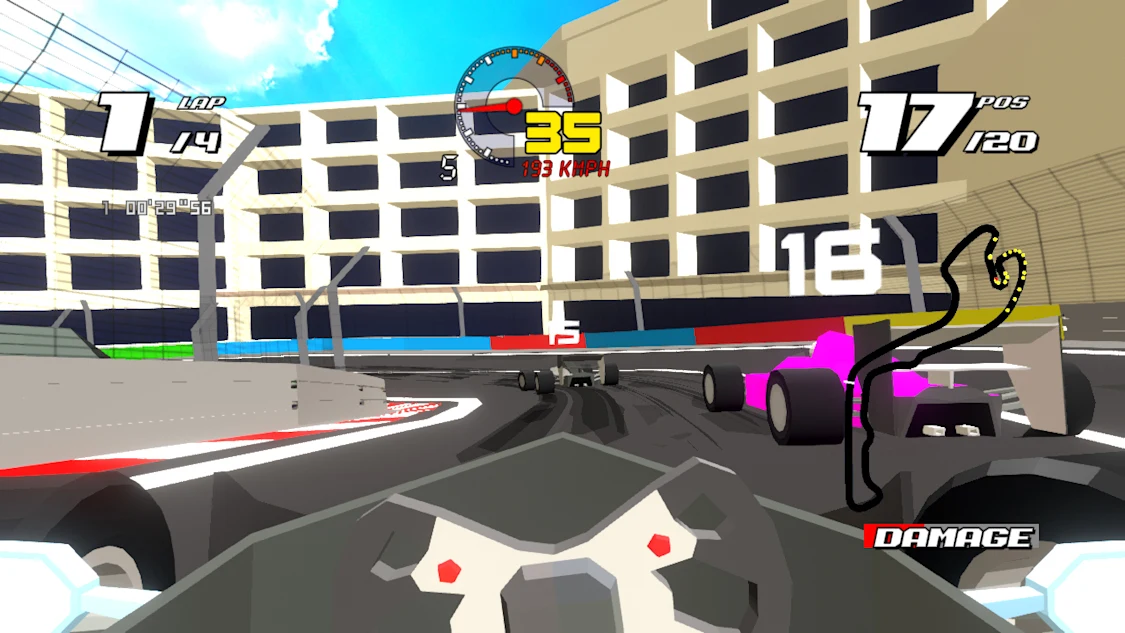
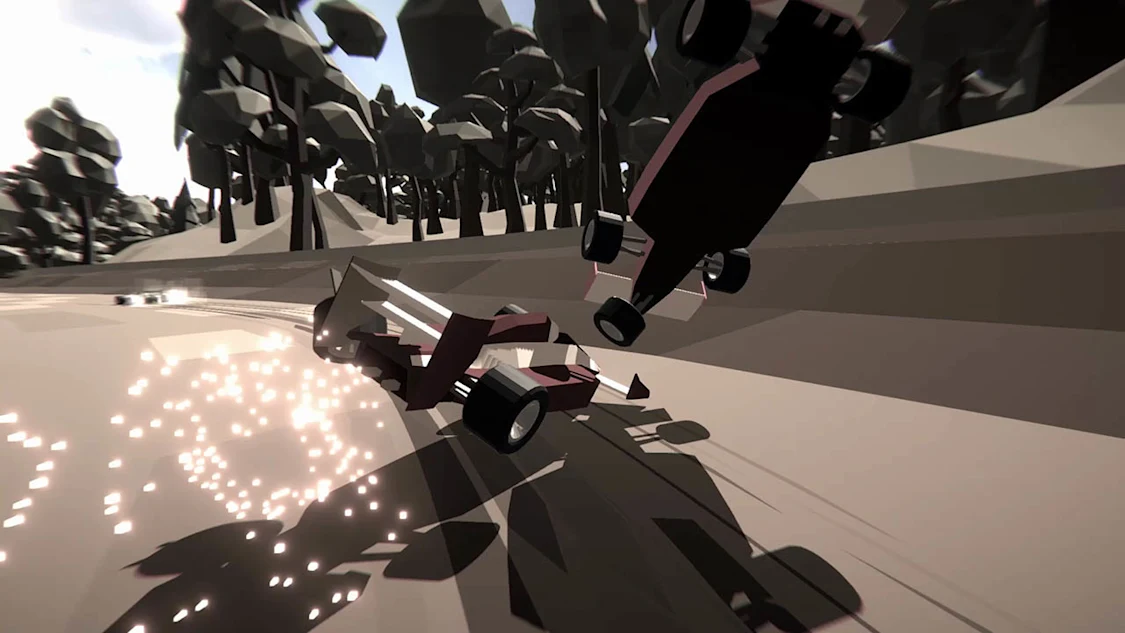
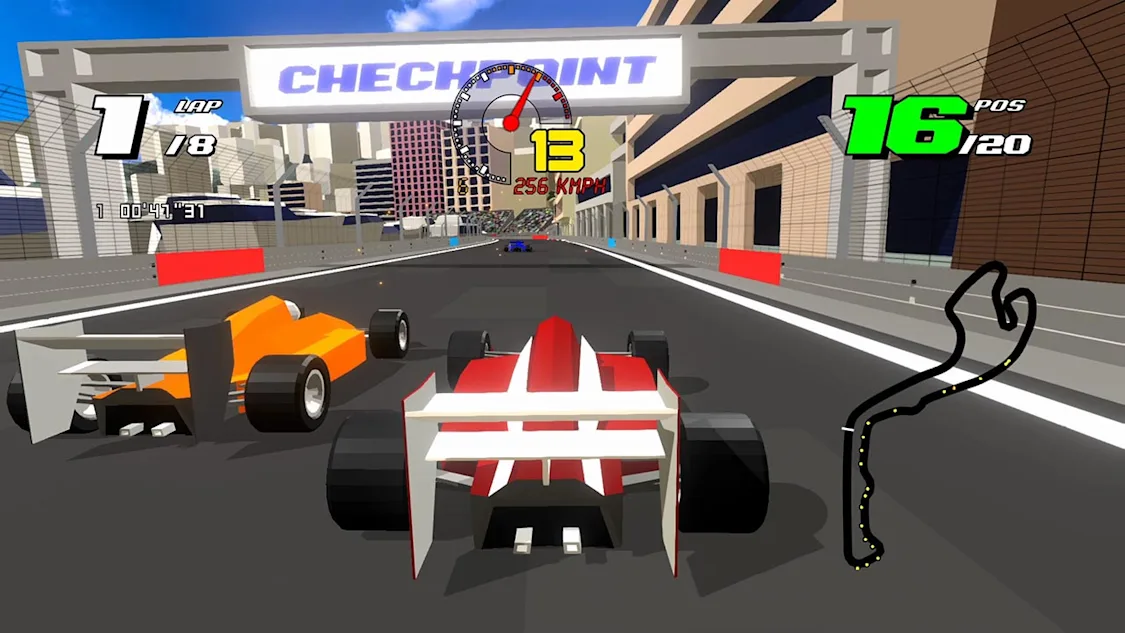
Formula Retro Racing is an action, arcade, and racing title built around high-speed events and a deliberately retro visual identity. Its pixelated presentation and arcade-led approach recall an era in which racing games made speed, handling, and circuit knowledge the main attractions. The atmosphere comes from that directness. There is little need for a long setup when the appeal is already clear in the next braking zone.
As a Nintendo Switch racing game, it combines retro-inspired vehicles with tracks designed to test different aspects of driving. The listed experience includes smooth 60fps gameplay, a useful fit for a game where small steering corrections and split-second decisions matter. Different vehicles have distinct handling, giving races a practical reason to revisit familiar circuits and adjust to a new feel behind the wheel.
The nostalgia is not simply visual. Formula Retro Racing leans into the classic arcade idea that controls should be approachable while mastery takes time. A player can get moving quickly, but consistently strong results depend on recognising corners, controlling slides, and carrying speed into the next section of track.
A Career Built on Championships Rather Than Story Cutscenes
Formula Retro Racing championships provide the game’s sense of forward motion. Rather than presenting a traditional plot, the career structure frames the player’s goal as becoming a retro racing champion. Progress comes through winning races, advancing through different series, and facing their particular challenges and opponents.
That minimal framing suits the game’s arcade priorities. The narrative is found in performance: a difficult circuit finally becoming familiar, a rival being passed after several attempts, or a championship result opening the way to new content. Cars and tracks can be unlocked through championship progress, making improvement both a personal goal and a route to more racing options.
Its replay value follows naturally from this structure. A race does not have to be the final word on a circuit; it can be another opportunity to improve a time, refine a route through a corner, or approach the event with a different vehicle. Players interested in the process of getting faster have a clear reason to return.
- Learn the series: Progress through championships to encounter new challenges and unlock additional cars and tracks.
- Read each circuit: Track familiarity helps reveal safer braking points and more efficient routes through difficult turns.
- Protect momentum: A controlled exit can be more valuable than forcing speed into a corner.
- Use the drift: Drift mechanics reward practice when turns demand a different approach.
- Chase the time: Faster laps come from repeated refinement, not just one aggressive overtake.
The Core Driving Challenge: Cornering, Drifting, and Momentum
The central challenge is not merely finishing ahead of AI opponents. Formula Retro Racing drifting, precise braking, and clean racing lines are all part of the effort to reduce lap times. The game encourages drivers to consider how one corner affects the next: entering too quickly can compromise an exit, while an early, controlled approach can preserve speed where it matters most.
Clean driving is especially important because the game’s pace leaves little room for casual corrections. Learning optimal braking points helps create more consistent laps, and maintaining momentum through turns is a key part of reliable performance. The supplied guidance notes that briefly releasing the accelerator can help maintain control without sacrificing too much speed, a small adjustment that reflects the game’s emphasis on measured input.
Drifting adds another layer to arcade racing cornering. It is not simply a visual flourish; it is a mechanic to master in pursuit of better control and performance. The best results come from understanding the circuit and choosing when to slide rather than treating every turn in the same way. This makes the game suitable for players who enjoy accessible controls but want a meaningful skill curve beneath them.
How Strategic Boosting Can Shape a Fast Lap
Boosting is another tool that turns a straightforward race into a more considered contest. Formula Retro Racing asks players to use boosts strategically, particularly when pursuing fast lap times or looking for a chance to overtake. A boost has greater value when it supports a clean section of driving than when it is used without regard for the corner or traffic ahead.
That creates a simple but effective form of arcade racing strategy. Drivers can weigh the immediate benefit of extra speed against the need to remain composed through the next sequence. Good boost management works alongside braking, drifting, and line choice rather than replacing them. A fast lap is built from connected decisions: where to slow down, how to exit, when to accelerate, and when extra speed will have the greatest effect.
For competitive players, this focus gives leaderboard climbing a clear practical appeal. For less experienced racers, it offers a useful next step after learning the basic controls. The same track can become more rewarding as confidence grows and each boost is used with more purpose.
Arcade, Grand Prix, and Eliminator Modes Explained
The game includes Arcade, Grand Prix, and Eliminator modes, providing several ways to engage with its retro arcade racing format. Arcade mode suits immediate sessions, placing the emphasis on getting into a race and enjoying the circuit-to-circuit challenge. It is a natural fit for players who want quick competition without making championship progress the sole focus.
Formula Retro Racing Grand Prix mode better matches the career-minded side of the game, connecting races through championship-focused competition. This is where progression toward the retro racing champion goal has its strongest context, with advancing series, opponents, and unlockable content giving results added weight.
Formula Retro Racing Eliminator offers another competitive option within the mode selection. Together, these formats keep the racing centred on what the game does most directly: high-speed events, AI competition, varied tracks, and the pursuit of improved performance. They also help the game serve both short play sessions and longer runs through championships.
Switch Release Details and Language Availability
Formula Retro Racing Switch NSP refers to the Nintendo Switch release from CGA Studio Games, which is listed as both publisher and developer. The release date is March 31, 2023, and the available regions are Europe, USA, Asia, and Japan. Its genre listing is Action, Arcade, Racing.
The game supports English, French, German, Italian, Japanese, Korean, Portuguese, Spanish, and Traditional Chinese. That language range broadens access to a racing game whose main appeal is communicated through driving rather than a dense story. For players drawn to retro arcade racing, championship progression, and the repeatable challenge of shaving seconds from a lap, Formula Retro Racing offers a compact, skill-led route back to the circuit.