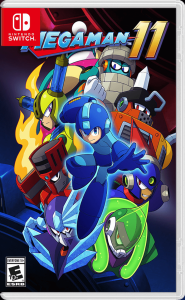
Mega Man 11 Switch NSP
Report Link Error
Select the broken download file, then submit the report.
Screenshots
About Game
Mega Man 11 Switch NSP refers to Capcom’s 2018 return to the Blue Bomber’s side-scrolling roots on Nintendo Switch. Released on October 2, 2018, the platformer pairs familiar running, jumping, shooting, and sliding with a brighter modern presentation and a central new mechanic: the Double Gear system. The result is a game built around precision, repeated practice, and quick decisions when a stage’s traps or enemies begin to close in.
Mega Man 11 on Nintendo Switch: A Modern Take on Blue Bomber Platforming
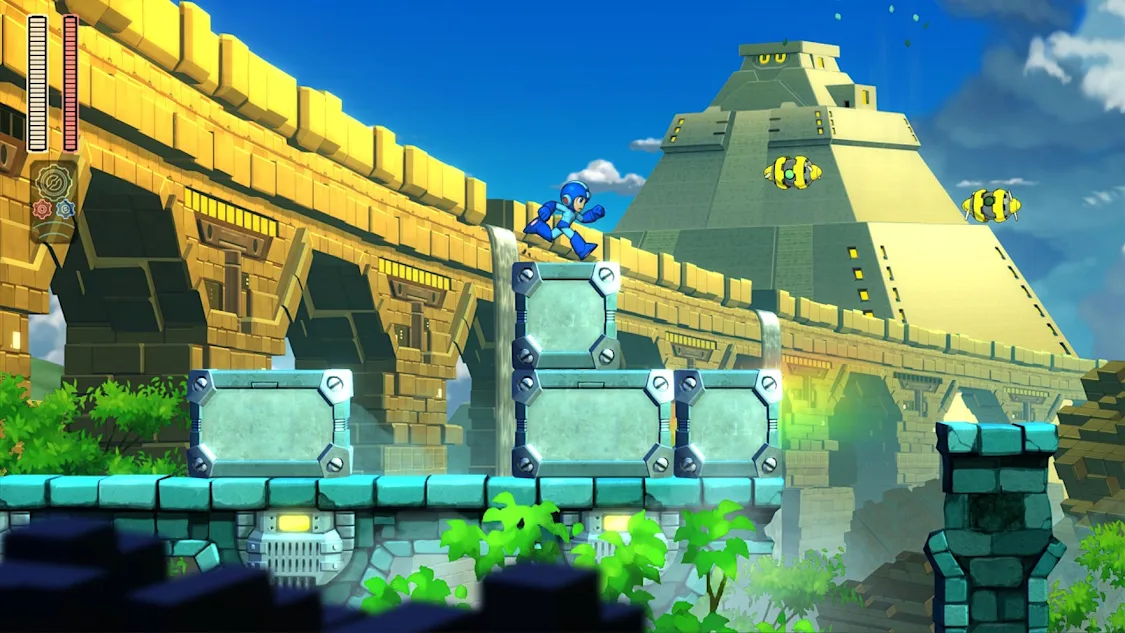
Capcom developed and published Mega Man 11 as a platformer that respects the series’ classic structure while adding new strategic options. Mega Man moves through side-scrolling levels filled with hazards, enemy types, difficult jumps, and routes that demand careful timing. Every stage builds toward a confrontation with a Robot Master, making progress feel tied to both platforming consistency and combat awareness.
The story again places Mega Man against Dr. Wily, who has revived the Double Gear system, an invention originally developed by Dr. Light and considered too dangerous. Wily equips eight Robot Masters with the technology, forcing Mega Man to make use of the same system in response. It gives the familiar conflict a practical gameplay focus: the new power is not simply part of the narrative, but a tool that changes how players approach attacks, obstacles, and boss encounters.
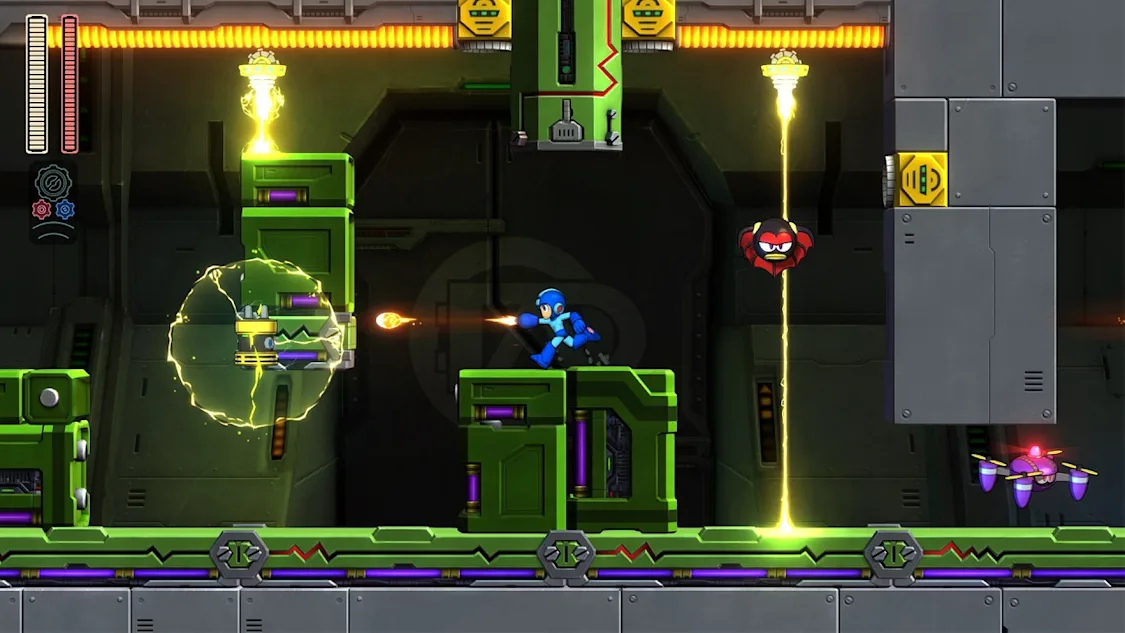
Presentation supports that balance of old and new. The stages are vibrantly designed, while the action remains centered on clear platforming fundamentals. Tight controls are especially important when a jump needs to be made through a trap sequence or when a player must slide away from an incoming attack. The game’s rhythm can shift quickly from measured observation to rapid reactions, which helps its modern additions fit the established Mega Man format.
Speed Gear and Power Gear: Two Tools for Different Challenges
The Double Gear system gives Mega Man two distinct abilities with different purposes. Speed Gear slows the action down, creating valuable room to react. It is useful when a platforming section becomes crowded, an enemy attack needs to be avoided, or the timing of a jump feels particularly demanding. Slowing the moment does not remove the need for accuracy, but it can make a dangerous situation easier to read.
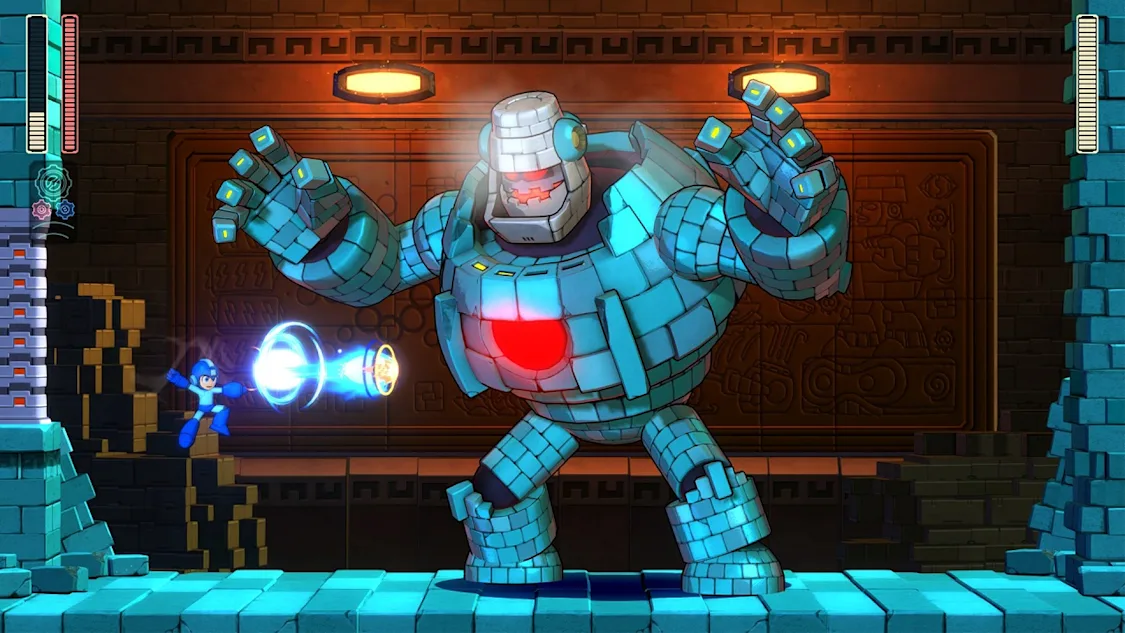
Power Gear, by contrast, amplifies Mega Man’s shots. Its value is most obvious in combat, where extra offensive force can help create a burst of damage against a difficult foe. The two gears therefore encourage different habits: Speed Gear supports survival and positioning, while Power Gear rewards committing to an attack window.
This contrast gives Mega Man 11 gameplay a more deliberate edge. Instead of treating every encounter with the same standard shot and movement pattern, players can assess what the situation asks of them. A hazardous sequence may call for slowed action; a boss opening may call for stronger firepower. Learning to change gears with purpose is a major part of mastering the game.
Eight Robot Master Stages and Their Platforming Challenges
The game contains eight distinct Robot Master stages. Each one combines enemies, traps, and intricate platforming segments before ending in a Robot Master battle. This structure gives the adventure a steady sense of progression: completing a level is not only about reaching the end, but also about learning the particular demands of its obstacles and enemies.
Platforming challenges ask players to judge jumps, avoid hazards, and maintain control under pressure. Enemy encounters can complicate those sequences, particularly when attacks arrive during a difficult movement section. Careful play matters, but so does learning from failure. A missed jump or poorly timed dodge can reveal the pace of an obstacle and make the next attempt more informed.
Defeating Robot Masters also provides unique abilities. Those weapons are important for exploiting the weaknesses of other Robot Masters and can help with challenges found throughout the stages. That creates a useful progression loop: clear a stage, gain a new ability, and apply it where it can make a future confrontation or obstacle more manageable. Revisiting difficult encounters with better knowledge and a larger set of tools adds replay value without changing the game’s essential focus on skillful execution.
Choosing the Right Mega Man 11 Difficulty Setting
Mega Man 11 offers four difficulty settings: Newcomer, Casual, Normal, and Superhero. Their inclusion allows the game to meet players at different levels of platforming experience while retaining the same core systems of movement, weapons, stage hazards, and Double Gear use.
Newcomer mode is a sensible place for people getting used to the game’s controls, stage design, and pace. Casual offers another accessible option for those who want room to learn the eight stages and their boss encounters. Normal is suited to players seeking the intended challenge of careful jumps, enemy patterns, and strategic gear use. Superhero mode is the option for players looking for the game’s most demanding level of difficulty.
The range matters because Mega Man 11 asks for practice. A lower setting can provide a comfortable setting for learning when to slide, shoot, and activate a gear, while the more demanding choices give experienced players greater reason to refine those habits. Difficulty selection does not change the value of observation; every setting rewards knowing a stage before trying to force a path through it.
5 Practical Ways to Use Double Gear More Effectively
- Practice both gears. Spend time switching between Speed Gear and Power Gear so their different roles become familiar during active play. Each is designed for a different kind of problem.
- Slow down danger. Use Speed Gear when traps, attacks, or demanding jumps create a moment where extra reaction time can help with positioning and timing.
- Save power for openings. Activate Power Gear when a combat opportunity calls for amplified shots, particularly during a difficult enemy or Robot Master encounter.
- Watch the patterns. Observe how enemies attack and how hazards operate before committing to a response. Better information makes gear use more purposeful.
- Apply it to the whole stage. Double Gear is useful beyond boss fights. Bring it into tough platforming sequences as well as combat situations rather than treating it as a last-resort tool.
Mega Man 11 Switch Release Details and Supported Regions
Release date: October 2, 2018
Genre: Platformer Game
Developer: Capcom
Publisher: Capcom
Title ID: 0100B0C0086B0800
Supported regions: USA, EUR, JPN, Asia
Languages: English, French, Italian, Japanese, Taiwan, Chinese
Firmware: Base – v5.0.0 | Update – v5.1.0
For players looking at Mega Man 11 Switch NSP as a reference point, the key appeal is its combination of classic Mega Man discipline and flexible modern tools. Its eight-stage structure, weapon progression, adjustable difficulty settings, and Double Gear decisions make it appropriate for newcomers learning precision platforming as well as experienced players prepared to take on Superhero mode.
Recommended Similar Games
 Ori and the Blind Forest Definitive Edition Switch NSP XCIView Game
 Shovel Knight Shovel of Hope Switch NSPView Game
 Broforce Switch NSPView Game
 Crash Bandicoot N. Sane Trilogy Switch NSP XCIView Game
 Little Nightmares Complete Edition Switch NSP XCIView Game
 Crash Bandicoot 4: It’s About Time Switch NSP XCIView Game
