Steins;Gate 0 Switch NSP XCI
Report Link Error
Select the broken download file, then submit the report.
Screenshots
About Game
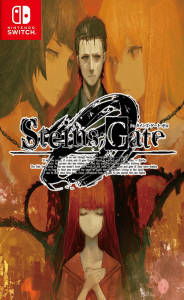
Steins;Gate 0 Switch NSP XCI is the Nintendo Switch edition of a science-fiction Adventure game built around regret, memory, and the consequences of changing a timeline. Released on December 10, 2019, it brings a darker chapter of the Steins;Gate story to the system, with a dialogue-led format that asks players to follow conversations closely and make decisions that can change the route ahead.
Steins;Gate 0 on Nintendo Switch: Release and Platform Details
Steins;Gate 0 arrived on Nintendo Switch on December 10, 2019. Spike Chunsoft served as both publisher and developer for this release, which is listed for Europe and the USA. Its genre is Adventure, though its structure is firmly rooted in the visual novel format: the experience is driven less by action sequences than by reading, character interaction, and moments of player response.
The Switch version suits a story designed to be taken in over long stretches of dialogue. Scenes move through character exchanges, private thoughts, messages, and calls, giving the player room to absorb the emotional weight of each development. The presentation supports a narrative that is deliberately dense, with its science-fiction ideas closely tied to the personal consequences faced by its cast.
For players coming to the series through this entry, the central appeal is not speed but attention. Steins;Gate 0 takes time with its characters and its branching structure, making its important choices feel connected to the wider struggle over the future.
How Steins;Gate 0 Builds on the Original Story
Steins;Gate 0 presents another perspective on the Steins;Gate series story, focusing on an alternative future shaped by Rintaro Okabe’s failure to save Kurisu Makise in the Alpha worldline. Rather than treating that outcome as a simple plot point, the game explores the lasting effect it has on Okabe. He is burdened by memory, regret, and trauma while attempting to live a quieter, more ordinary life.
That attempt is complicated by the absence of the energetic “Hououin Kyouma” persona he once embraced. The result is a more melancholic view of a familiar protagonist, one whose past decisions remain impossible to leave behind. The story deepens established relationships while also bringing new characters into the conflict, expanding the emotional and practical pressures around Okabe and his friends.
Worldline shifts remain a major part of the drama. They are not simply abstract science-fiction devices; they frame a difficult fight for a future free from disaster. Steins;Gate 0 alternative future material is shaped by loss and resilience, using its branching narrative to show how fragile a better outcome can be.
The Amadeus System and Kurisu’s Stored Memories
The Amadeus System becomes a key force in Steins;Gate 0. It contains Kurisu’s stored memories, allowing Okabe to interact with a version of her presence even after the event that defines this storyline. Those exchanges carry obvious emotional strain, but they also push the narrative forward by drawing him back toward the unresolved conflict surrounding time travel and worldlines.
Amadeus is more than background technology. Conversations connected to the system can influence progression and help open different story branches. For Okabe, the possibility of speaking with Kurisu’s memories creates fresh dangers as well as difficult decisions. It keeps the past immediate, turning remembrance into something that can actively shape the present.
- A painful connection: Kurisu’s stored memories give the story a direct link to Okabe’s grief and unresolved choices.
- Messages that matter: Calls and messages tied to Amadeus can affect the direction of the narrative.
- Branching consequences: Player responses help determine which routes and outcomes become available.
- Renewed conflict: The system brings the time-travel struggle back into focus for Okabe and his friends.
- Personal stakes: The technology reinforces the game’s interest in memory, absence, and the cost of hope.
Visual Novel Gameplay Centered on Dialogue and Choices
Steins;Gate 0 gameplay follows the visual novel tradition closely. Players spend much of their time reading extensive dialogue and character thoughts, then responding when the story presents a choice, message, or call. The pace is intentionally text-heavy, making careful reading important for anyone who wants to understand the characters and follow the shifts in the plot.
The choices are central to progression. Interactions can guide the story toward different branches, and those branches lead to multiple endings. This gives the game replay value for players interested in seeing more than one outcome, especially because choices connected to conversations can have a significant effect on where the narrative goes.
Its Adventure label is therefore best understood through narrative participation. The player does not merely watch Okabe’s situation unfold; they respond within it. The format is suited to readers who enjoy character-focused science fiction, complex timelines, and stories where seemingly small decisions can carry larger consequences.
Artwork, Character Design, and Soundtrack Atmosphere
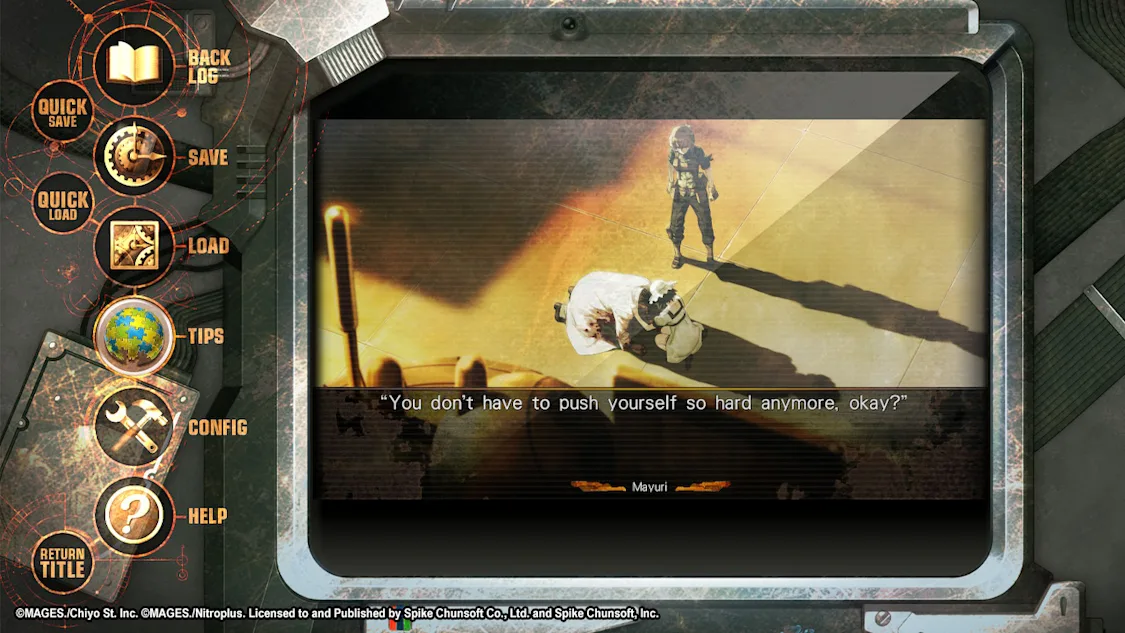
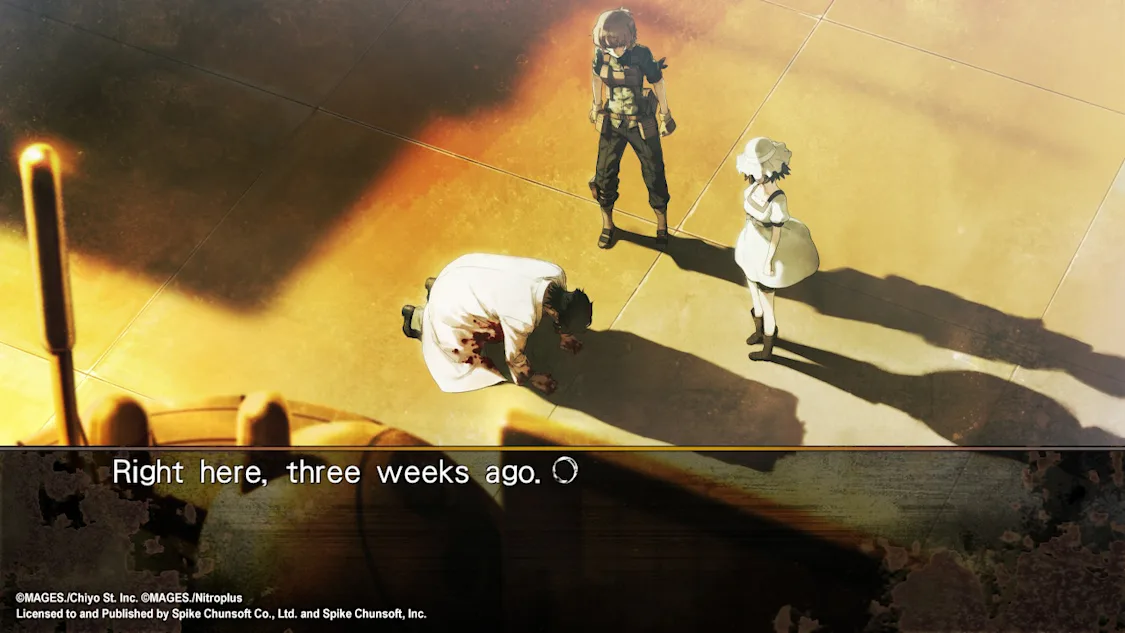
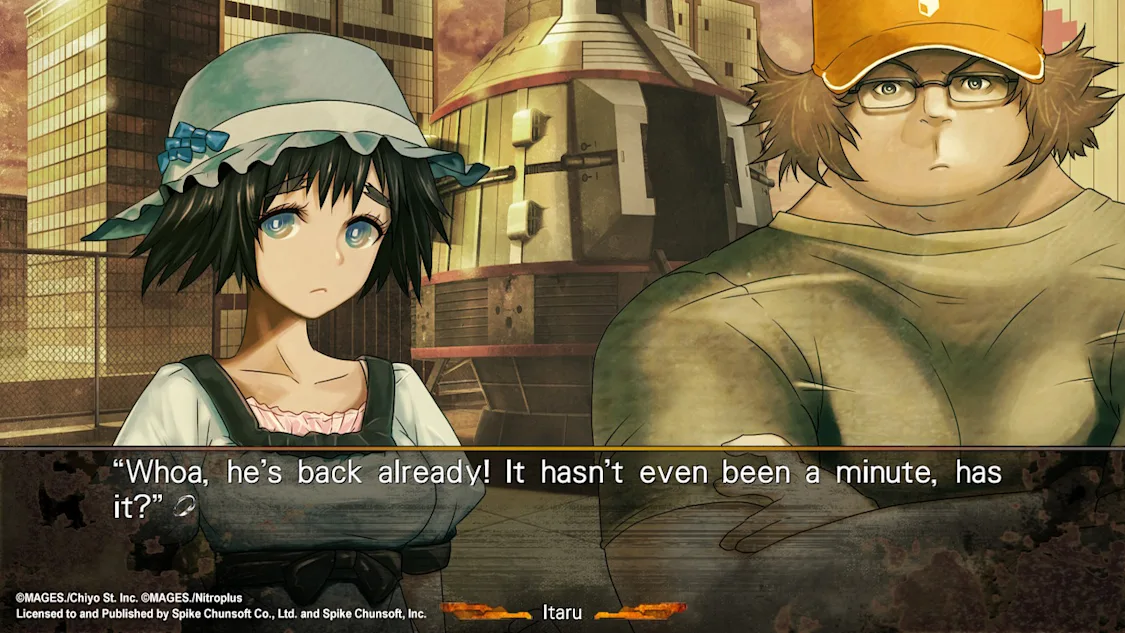
Steins;Gate 0 uses illustrated artwork and character designs to support its emotionally heavy science-fiction setting. The visual presentation gives the cast a strong presence during long conversations, helping scenes retain their personal focus even when the plot turns toward worldlines, technology, and future disaster.
The soundtrack adds to that atmosphere. Its evocative tone supports the game’s mix of melancholy, tension, and reflective drama, reinforcing the feeling that Okabe is navigating both a complicated external conflict and an intensely private loss. Together, the Steins;Gate 0 artwork, Steins;Gate 0 characters, and Steins;Gate 0 soundtrack help maintain a consistent mood through the many hours of reading and decision-making.
This presentation is particularly effective for a story that depends on emotional context. Expressions, character art, and music help underline what dialogue leaves unsaid, while the branching structure encourages players to consider the consequences behind each response.
Language and Regional Information for the Switch Release
The Nintendo Switch release is listed for Europe and the USA. Steins;Gate 0 Switch languages include English and Japanese, giving players in those regions two supported language options for following its dialogue-driven story.
With a December 10, 2019 release date, Spike Chunsoft handling both development and publishing, and a narrative centered on branching conversations and Kurisu’s stored memories, this edition is aimed at players prepared for a patient, emotionally demanding visual novel. Its strongest appeal lies in following the details: every conversation, response, and worldline turn contributes to the larger search for a future that can still be saved.