Zombie Soup Switch NSP
Report Link Error
Select the broken download file, then submit the report.
Screenshots
About Game
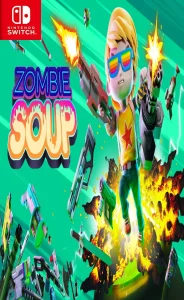
Zombie Soup Switch NSP brings a brisk, top-down survival adventure to Nintendo Switch, pairing grotesque mutant enemies with a darkly humorous tone and a story built around a strange outbreak. Developed and published by Astrolabe Games, it follows Ricky, a masked college student whose ordinary life is disrupted by an apocalyptic event. His search for answers unfolds through fast combat, exploration, upgrades, and repeated runs through changing maps.
Zombie Soup on Nintendo Switch: Release Details and Supported Regions
Zombie Soup Switch released on August 10, 2023. Astrolabe Games handled both development and publishing, placing the game firmly in the studio’s action-focused indie catalogue. Its listed genres are Action, Adventure, and Role-Playing, a combination reflected in its combat-led structure, exploratory progression, and upgrade-driven decisions.
The game is available across Europe, the USA, Asia, and Japan. Its language support is broad, including English, French, German, Italian, Japanese, Korean, Portuguese, Simplified Chinese, Spanish, and Traditional Chinese. That range suits a game whose appeal rests less on a single dialogue-heavy premise than on readable action, enemy recognition, movement, and repeatable combat challenges.
The setup has a deliberately offbeat edge. Ricky is not presented as a conventional hardened survivor; he is a college student pulled into a crisis involving hordes of bizarre creatures and mutant monstrosities. The narrative mixes clues, unsettling discoveries, quirky characters, and a grim comic sensibility. That atmosphere gives the violence a stylized, eccentric frame rather than treating the outbreak as purely bleak horror.
How Twin-Stick Shooting and Hack-and-Slash Combat Work Together
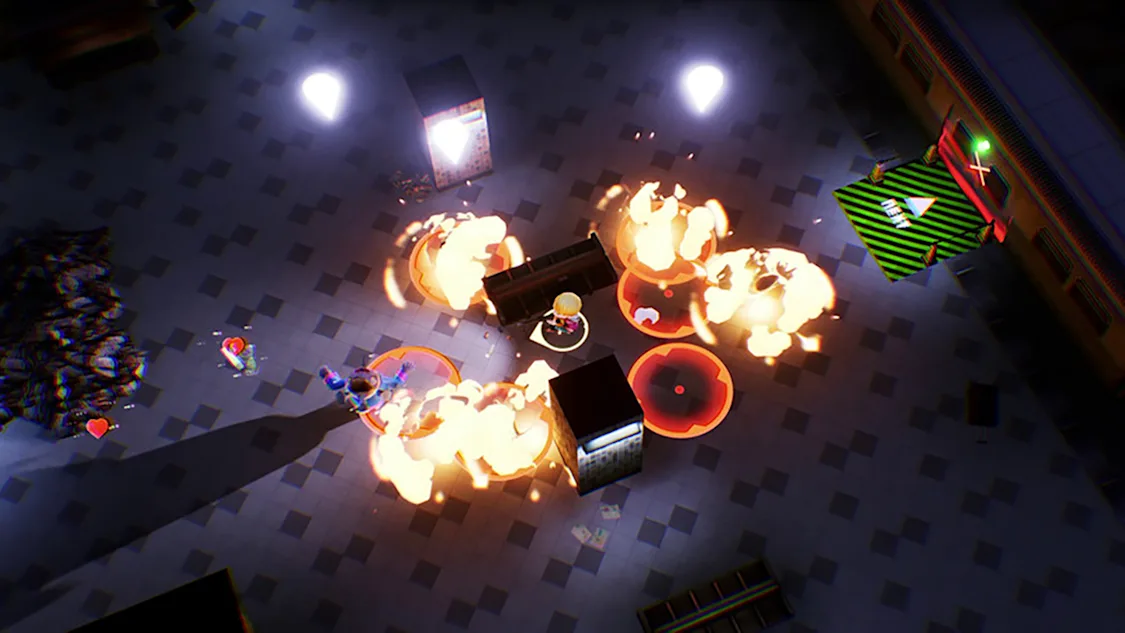
Zombie Soup combat combines twin-stick shooting with hack-and-slash action, creating encounters where distance matters as much as damage. Melee weapons allow Ricky to engage enemies at close range, while firearms give him a way to pressure threats from farther away. The important choice is not simply which option is stronger, but which tool fits the immediate situation.
Close-quarters attacks can be useful when space is limited or enemies are within reach, while ranged gunplay can help manage threats before they crowd the player. Weapons have different attributes, and the available selection includes bats and firearms. This gives each run room for practical experimentation: a player may prefer a weapon suited to controlling groups, then pair it with something more effective against a single dangerous enemy.
Movement is central to the rhythm. Combat is described as fluid and responsive, but survival still depends on reading the battlefield rather than treating every fight as a straight rush. Dodging and parrying are key defensive actions, particularly when enemy types have distinct attack patterns and weaknesses. The top-down perspective supports that awareness, letting players track incoming pressure, openings, and possible escape routes.
Procedurally Generated Maps and Roguelite Replayability
Zombie Soup procedurally generated levels ensure that maps do not play out in exactly the same way every time. Routes, encounters, and challenges can shift between playthroughs, asking players to adapt instead of relying on a fixed memorized path. That changing structure is a major part of the game’s roguelite identity.
For Zombie Soup roguelite play, the value of a run comes from more than reaching the next fight. Players need to assess what the map offers, what resources they can gather, and what risks are worth taking. A changing layout can alter the pressure of an encounter or place useful discoveries on a different route, making observation valuable from one attempt to the next.
This structure supports Zombie Soup replayability without suggesting that every run will demand the same strategy. A reliable combat habit can help, but procedural variation encourages flexible weapon choices, careful health management, and a willingness to alter plans when the current map becomes crowded or dangerous. The result is an action game suited to players who enjoy learning through repeated, unpredictable challenges.
Exploration, Hidden Secrets, and Unlockable Abilities
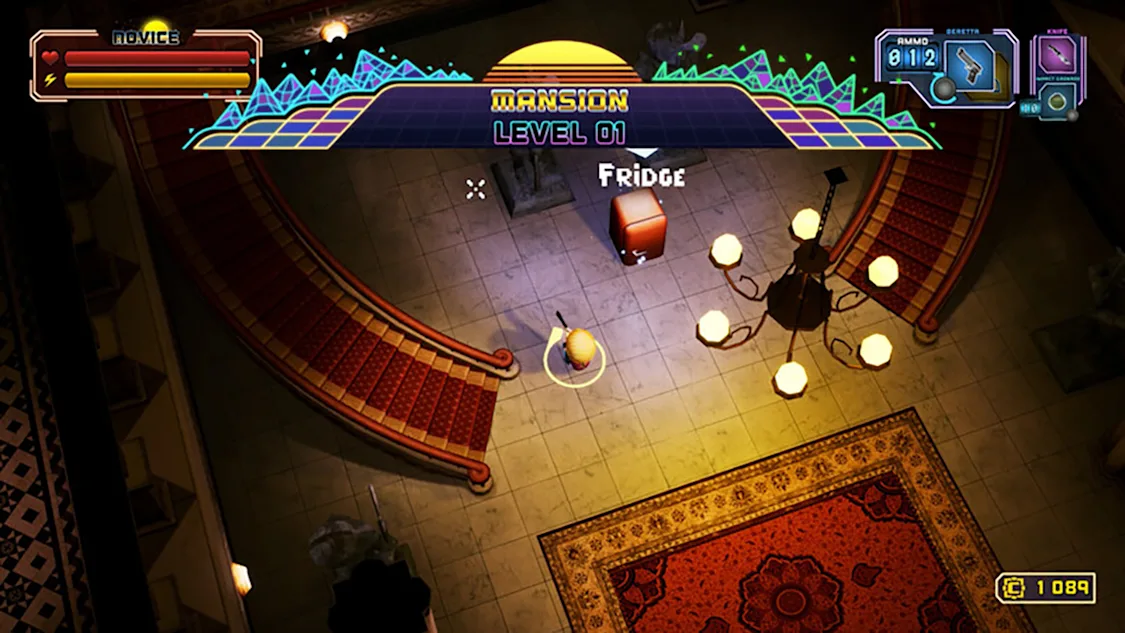
Combat drives the action, yet Zombie Soup exploration has a clear role in progression. Players can search maps for hidden secrets, gather scrap and components, and find resources that support their chances of surviving deeper into the game. Moving through an area is therefore not only about locating the next enemy group; it is also about deciding where to look and what to preserve.
Scrap and components can be used to craft upgrades and customize a loadout. Those upgrades connect exploration to combat preparation, giving resources a practical purpose beyond collection. Finding a useful component may influence which weapons a player emphasizes or how they approach a future encounter.
Zombie Soup hidden secrets also add another reason to inspect procedurally generated maps rather than simply sprint through them. As players delve further into the game’s mysterious world, they can unlock new abilities. These additions reinforce the adventure and role-playing elements: Ricky’s journey develops through discoveries as well as through defeating enemies.
Why Zombie Soup’s Boss Battles Demand Adaptation
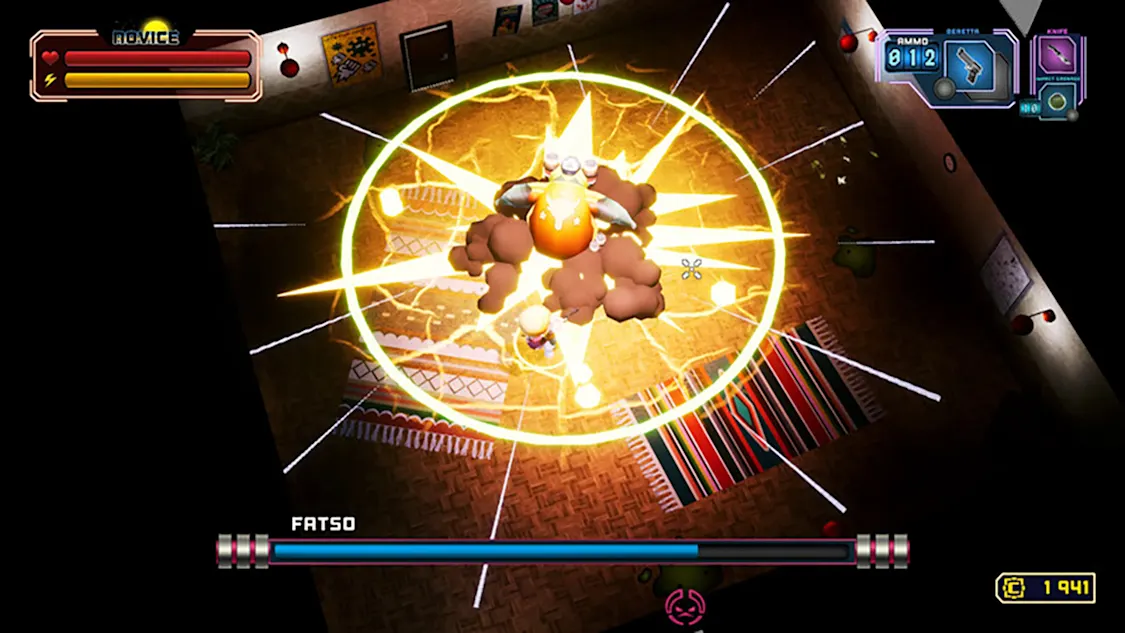
Zombie Soup boss fights raise the stakes of the game’s core systems. Major encounters demand quick reflexes and tactical thinking, making weapon selection, positioning, and timing more important than they may be against routine enemy groups. A boss battle is not just a larger version of standard combat; it is a test of how well the player has learned to react under pressure.
Attack-pattern awareness matters because enemies have their own behaviors and weaknesses. Dodging can keep Ricky clear of immediate danger, while parrying offers another defensive option when the timing is right. Good positioning helps prevent a player from becoming trapped, and choosing between melee and ranged attacks can affect how safely damage is dealt.
The most useful Zombie Soup strategy is situational rather than rigid. A loadout that feels comfortable for general exploration may need a different approach when a powerful target demands more focus, more space, or more careful movement. Bosses reward players who recognize that weapons serve different roles and who stay alert rather than committing blindly to one attack pattern.
7 Survival Priorities for Early Zombie Soup Runs
- Read the room. Observe enemy types and their attack patterns before committing to an attack, since awareness supports cleaner dodges and better decisions.
- Respect groups. Avoid rushing into clusters without a plan. Even basic zombie-like enemies can overwhelm Ricky when they close in together.
- Use defense actively. Practice dodging and parrying instead of treating movement as a way to travel between fights; these actions are essential to surviving pressure.
- Compare weapon roles. Experiment with melee weapons and firearms, noting which choices help with crowd control and which are more useful for single-target damage.
- Protect health. Conserving health is tied to careful enemy reading, measured engagement, and refusing unnecessary risks when a map becomes dangerous.
- Gather scrap. Search for scrap and components that can support upgrades and loadout customization as progression continues.
- Prepare for bosses. Enter major encounters with a plan for positioning, weapon use, dodging, and recognizing attacks rather than relying on raw aggression.
Zombie Soup Switch NSP is best suited to players looking for fast top-down action with both melee and ranged options, along with procedurally generated routes that keep repeated runs unsettled. Its mix of mutant creature designs, dark humor, secrets, upgrades, and demanding bosses gives the adventure a lively but tense character.
Recommended Similar Games
 El Shaddai ASCENSION OF THE METATRON HD Remaster Switch NSP XCIView Game
 The Walking Dead: Destinies Switch NSP XCIView Game
 the Game of LIFE for Nintendo Switch Switch XCIView Game
 Dracamar Switch NSPView Game
 Baldur’s Gate & Baldur’s Gate II: Enhanced Editions Switch NSP XCIView Game
 Romance of the Three Kingdoms 8 : Remake Switch NSPView Game
