Archetype Arcadia Switch NSP
Report Link Error
Select the broken download file, then submit the report.
Screenshots
About Game
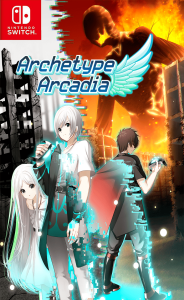
Archetype Arcadia Switch NSP presents a story-led adventure built around a damaged future, uncertain identity, and the fear of losing the memories that define a person. Released in the USA on October 21, 2021, this KEMCO title brings its visual-novel-focused journey to Nintendo Switch with English and Japanese language support.
Archetype Arcadia on Nintendo Switch: Release Details at a Glance
Archetype Arcadia is an Adventure game published by KEMCO for the USA region. The Switch release carries Title ID 010019C0155D8000, supports En and Ja, and lists firmware version 12.1.0 as its requirement. Its file size is listed as 1.35 GB.
Those details frame a game whose focus is not action spectacle but narrative momentum. Archetype Arcadia Switch is structured around reading scenes, meeting characters, examining clues, and making decisions that can change the course of Yuuki’s journey. As a KEMCO Adventure game, it places dialogue and story discovery at the centre of the experience.
A World Shaped by the Great Calamity
The setting begins in the shadow of The Great Calamity, a global catastrophe that has left humanity struggling to endure. Survivors live in isolated cities that remain technologically advanced, but that sophistication has not removed the danger facing what is left of the world. A new crisis has emerged, and it reaches beyond physical illness into the foundations of consciousness itself.
That crisis is Arcadia Syndrome. The premise gives the story an immediate tension: the world is already defined by loss, and now people can lose their pasts as well. The contrast between surviving cities and the digital space of Arcadia gives Archetype Arcadia story material that moves between human vulnerability and technological unease.
Yuuki enters this situation from an especially exposed position. He wakes within Arcadia without knowing who he is, how he arrived, or what happened before. His first steps in the virtual world are therefore not simply an exploration of a new environment; they are an attempt to rebuild a missing self.
Arcadia Syndrome and the Fragility of Memory
Arcadia Syndrome erases its victims’ memories and confines their minds within the virtual world called Arcadia. This makes memory more than background lore. It is the story’s central pressure point, affecting Yuuki’s understanding of his own life, the people he encounters, and the larger truth behind the digital realm.
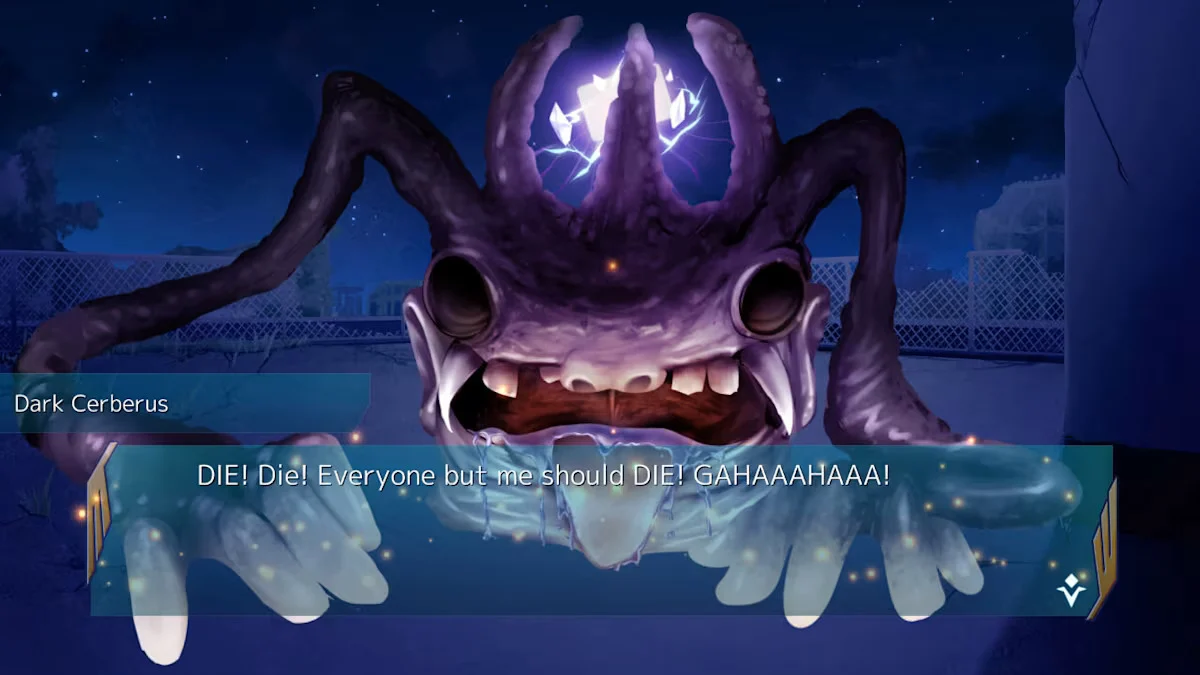
Yuuki has only limited direction when he awakens: a cryptic message and the need to find his younger sister, who has also been affected by the syndrome. That search gives his progress a personal purpose amid a much wider crisis. As he travels through Arcadia’s beautiful but dangerous spaces, he faces corrupted data, broken recollections, and revelations that challenge easy assumptions about reality.
The idea of fragmented memory also supports the game’s themes of identity and humanity’s future. If memories can be removed, altered, or scattered, certainty becomes difficult to hold onto. The virtual world Arcadia may appear sophisticated and compelling, yet its hidden purpose remains a question with consequences far beyond Yuuki alone.
Visual-Novel Storytelling With Player Decisions
Archetype Arcadia visual novel storytelling is driven by extensive dialogue, character interaction, and choices that affect more than the tone of a scene. Players guide Yuuki through conversations and decisions that can influence relationships as well as plot progression. This approach makes individual encounters matter, especially when characters bring their own secrets and motivations into the story.
Exploration also has a place in the adventure gameplay. Certain moments allow players to look for environmental details and hidden clues, supporting the investigation of Arcadia Syndrome and Yuuki’s past. Curious exploration can reveal new dialogue paths or story branches, tying progression to attention as well as decision-making.
The game’s branching narrative gives major choices weight. Different decisions can alter the plot and lead to multiple endings, while bonds and rivalries with the supporting cast develop along the way. Archetype Arcadia Switch NSP is therefore suited to players who enjoy reading-focused adventures in which they can reconsider scenes, pursue different relationship outcomes, and return to the story for alternate paths.
Visuals and Music in the Digital Realm of Arcadia
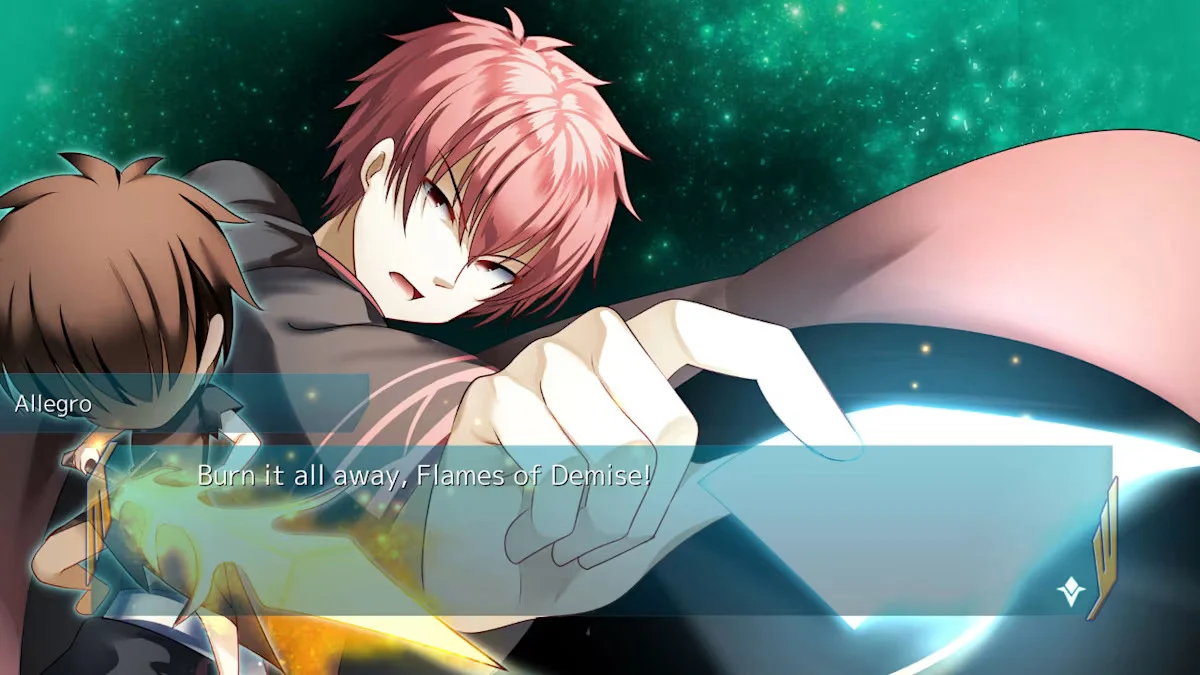
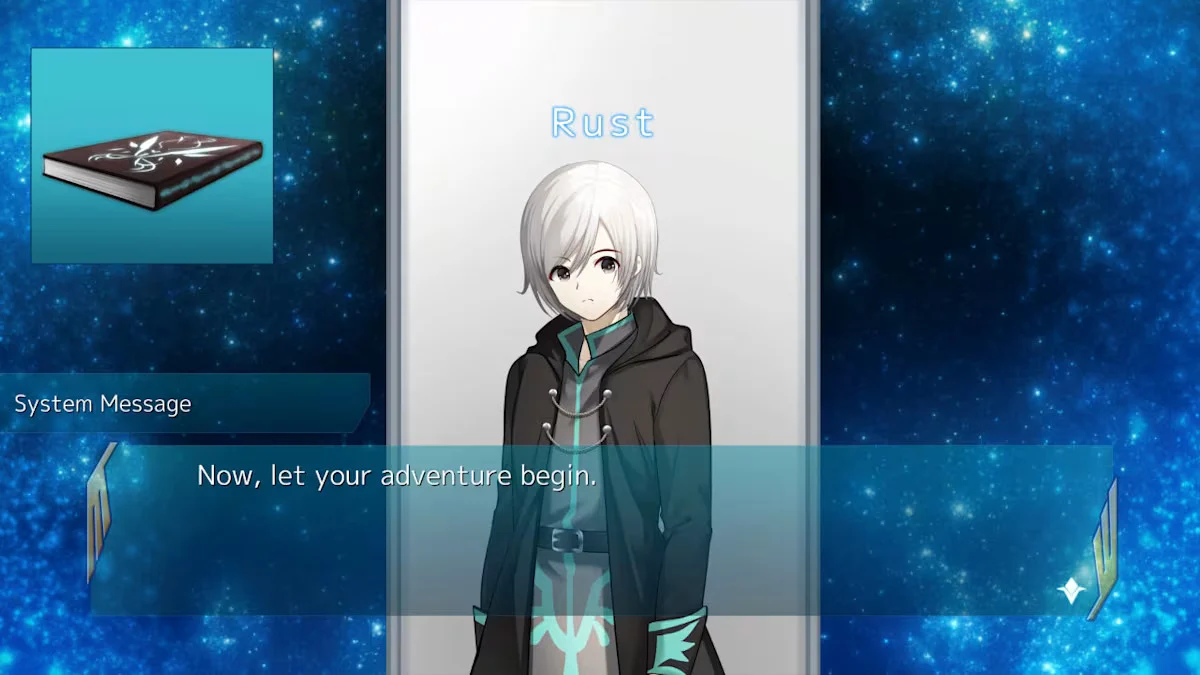
Arcadia’s atmosphere depends on presentation as much as premise. Detailed character artwork helps place emotional emphasis on conversations and confrontations, while evocative backgrounds establish the changing mood of the virtual world. The setting can be visually beautiful, but its beauty is complicated by corrupted data, lost memories, and the suspicion that something darker sits beneath the surface.
The soundtrack supports those shifts in mood. Its role is to reinforce the emotional highs and lows of Yuuki’s search, from uncertainty and isolation to moments of discovery and difficult revelation. Together, the artwork, background design, and music help the game maintain an unsettling digital-realm atmosphere without losing sight of the people caught inside it.
For an audience interested in narrative adventures, the appeal lies in that blend: a science-fiction mystery with intimate stakes, presented through visual-novel scenes and choice-based progression. Players looking for fast-paced combat are not the focus here; players drawn to character drama, branching routes, investigation, and memory-based mysteries are better aligned with the game’s strengths.
5 Story Elements to Watch for in Archetype Arcadia
- Lost memories: Yuuki begins inside Arcadia with no recollection of his past, making every clue part of a search for personal identity.
- Arcadia Syndrome: The disease erases memories and traps minds in the virtual world, turning a technological setting into a threat to humanity’s remaining survivors.
- Yuuki’s search: His effort to locate his younger sister gives the wider mystery an urgent and emotional direction.
- Corrupted data: Dangerous digital distortions and fragmented memories complicate exploration while pointing toward truths that Arcadia does not readily reveal.
- The virtual world’s purpose: The hidden reason behind Arcadia, and the secrets surrounding the syndrome, may determine the fate of all humanity.
These elements make Archetype Arcadia plot progression inseparable from discovery. The story asks players to follow Yuuki through uncertainty, weigh decisions carefully, and piece together a reality where memory cannot be taken for granted.