Rough Justice 84 Switch NSP

Report Link Error
Select the broken download file, then submit the report.
Screenshots

About Game
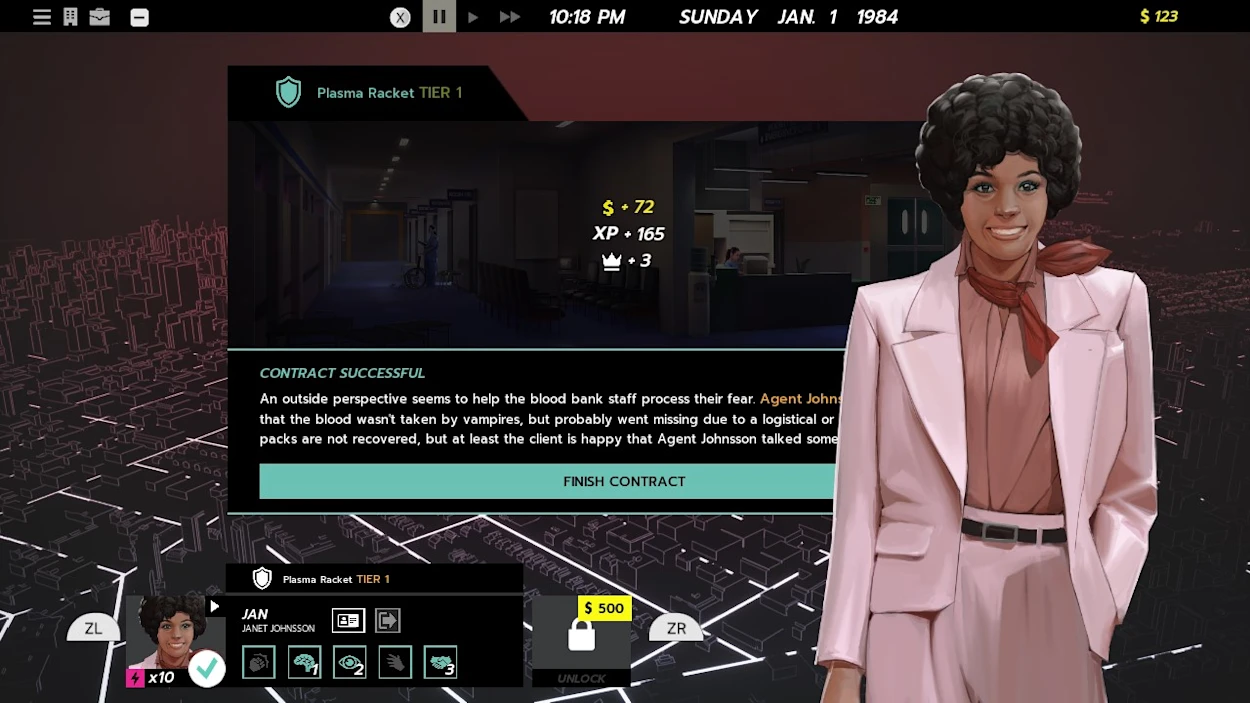
Rough Justice 84 Switch NSP refers to the Nintendo Switch release of Rough Justice ’84, a Puzzle and Strategy game published by eastasiasoft. Set around the pressures of operating a private security business in 1980s America, it combines agency management, case investigation, personnel decisions, and turn-based confrontations when criminal activity escalates.
Rough Justice ’84 on Nintendo Switch: Essential Release Details
Rough Justice ’84 Nintendo Switch launched in the USA region on December 21, 2023. eastasiasoft is listed as the publisher, while the game’s verified genre classification is Puzzle and Strategy. The release supports English, Japanese, French, German, Korean, Simplified Chinese, and Traditional Chinese.
The title ID is 010055201BB44000. Its listed firmware requirement is 16.1.0, and the file size is 3.50 GB. Those technical details sit alongside a game built around planning work, managing a growing organization, and responding to increasingly dangerous jobs across a crime-ridden city.
A Private Security Agency in a Crime-Ridden 1980s City
The story places players in charge of a struggling private security agency in an American city shaped by crime, money problems, and wider conspiracies. The agency begins in a precarious position, with financial pressure and a weakened reputation making every contract important. Work can range from surveillance and insurance-fraud investigations to protection assignments with higher stakes.
The 1980s setting gives the game its particular atmosphere: a vibrant city with a gritty criminal underside, where gangs, corrupt officials, and hidden connections complicate the agency’s work. Cases are not presented as isolated errands. As new jobs are accepted and investigated, the larger criminal underworld gradually becomes more visible.
That setup makes business survival part of the narrative tension. Keeping the agency active means taking opportunities where they appear, but each assignment can carry risks for personnel, finances, and reputation. Moral decisions also influence the agency’s standing and the direction of the storyline.
Recruiting Agents and Assigning the Right Team
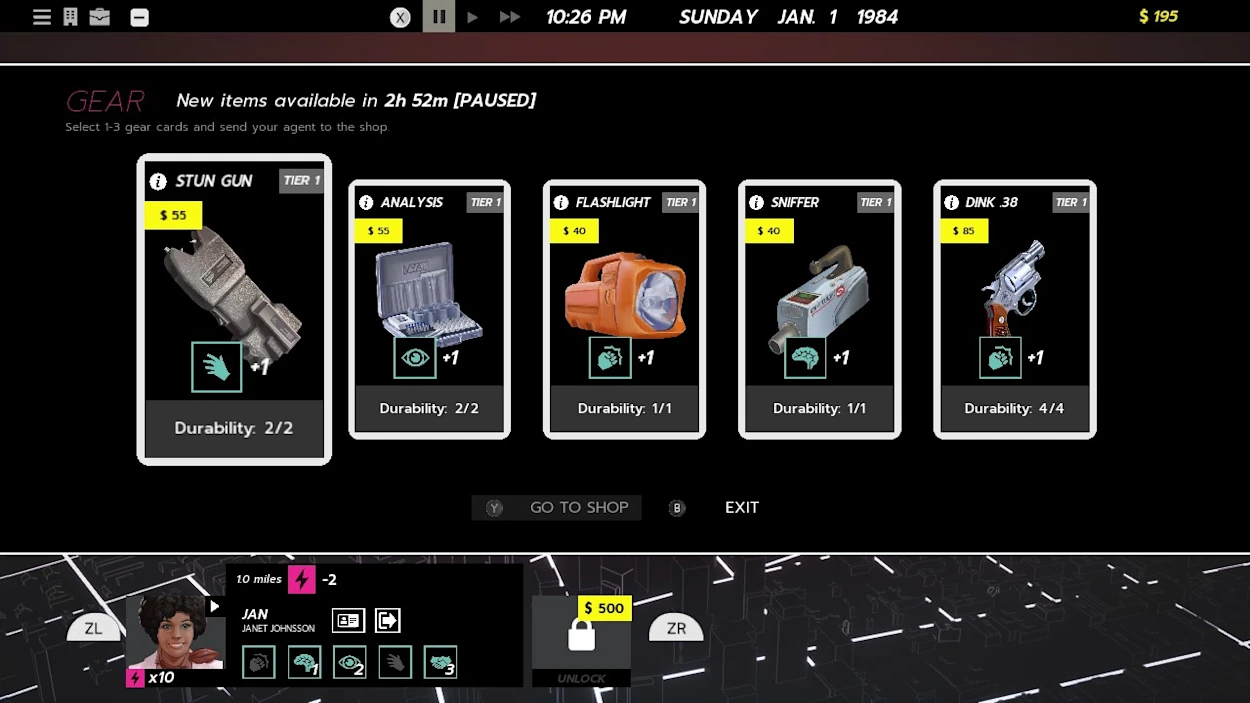
Building a capable roster is central to the agency-management side of Rough Justice 84 Switch NSP. Players recruit security agents with different skills and personalities, then decide who is suited to each contract. A team that fits one job may not be the best choice for another, especially when the work moves from routine observation to an involved investigation or protection detail.
Assignments are handled from the agency headquarters, making personnel management more than a background system. Agents must be matched to the demands of work around the city while the business maintains enough resources to continue operating. Their performance can also be supported through headquarters improvements and new facilities.
This structure gives recruitment a practical purpose. The goal is not simply to collect more agents, but to develop a team that can respond to a changing mix of contracts and threats. Individual abilities matter, as do the wider needs of the agency at a given moment.
Turn-Based Tactical Combat When Cases Turn Dangerous
Not every case can be settled through investigation and planning. When criminals turn a situation violent, Rough Justice ’84 shifts into turn-based tactical combat. Players command their assigned agents against opponents, using positioning, character abilities, and the surrounding environment to create an advantage.
These encounters extend the importance of earlier management decisions. The agents selected for a contract bring their own strengths into the confrontation, so preparation can shape how a dangerous job unfolds. Tactical choices during combat can change the result, particularly when opponents must be outmaneuvered rather than approached without a plan.
The combat system also helps connect the game’s management and investigative sides. A contract is not only an item on a schedule or a financial opportunity; it can become a direct test of the team assembled to handle it.
9 Priorities for Running a Stronger Agency
- Protect the budget. Manage cash flow carefully so the agency can sustain its operations while financial pressure remains a concern.
- Recruit with purpose. Look for agents whose skills and personalities can strengthen the team rather than treating every recruit as interchangeable.
- Match people to contracts. Assign agents with the demands of surveillance, investigations, protection work, and other jobs in mind.
- Build the headquarters. Improve facilities to support agent performance and give the agency a stronger operational base.
- Follow the evidence. Investigate cases, piece together clues, and remain alert to the connections behind the city’s crimes.
- Plan beyond the next job. Protect clients, prepare for tactical encounters, consider reputation and moral choices, and adapt as criminal threats become more serious.
These priorities reflect the game’s layered structure. A successful agency needs financial discipline, suitable personnel, and careful case planning, but it also needs the flexibility to react when a routine assignment reveals something more dangerous.
Why Rough Justice ’84 Blends Puzzle and Strategy Elements
The Puzzle and Strategy classification fits the way Rough Justice ’84 brings several decision-making systems together. Investigation asks players to work through clues and mysteries. Contract planning requires attention to available resources and the particular demands of each job. Recruiting and assigning agents introduces another strategic layer, since team composition affects how the agency approaches its work.
The strategy component becomes especially clear in tactical encounters, where agents use their abilities, movement, and the environment against criminals in turn-based situations. Headquarters upgrades, agency finances, reputation, and difficult moral choices further connect short-term decisions to longer-term progress.
Its progression comes from expanding the agency’s capabilities while uncovering more of the city’s criminal activity. The changing contracts, different agent qualities, and range of investigative, protection, and combat situations can encourage players to reconsider how they organize the team from one stretch of work to the next.
This makes the game most suitable for players interested in a 1980s crime setting where management choices, detective work, and tactical planning are closely linked. Rather than focusing on only one discipline, it asks players to keep an agency afloat while dealing with the people and dangers behind its cases.