Demon Slayer – Kimetsu no Yaiba – Sweep the Board! Switch NSP XCI

Report Link Error
Select the broken download file, then submit the report.


Screenshots
About Game
Demon Slayer – Kimetsu no Yaiba – Sweep the Board! Switch NSP XCI brings the series into a different kind of Nintendo Switch format: a Party game built around dice rolls, board spaces, mini-games, and demon encounters. Published by SEGA, it released in the USA on April 26, 2024, inviting players to revisit the Demon Slayer setting through a social, turn-based board-game adventure.
What Demon Slayer – Kimetsu no Yaiba – Sweep the Board! Brings to Switch
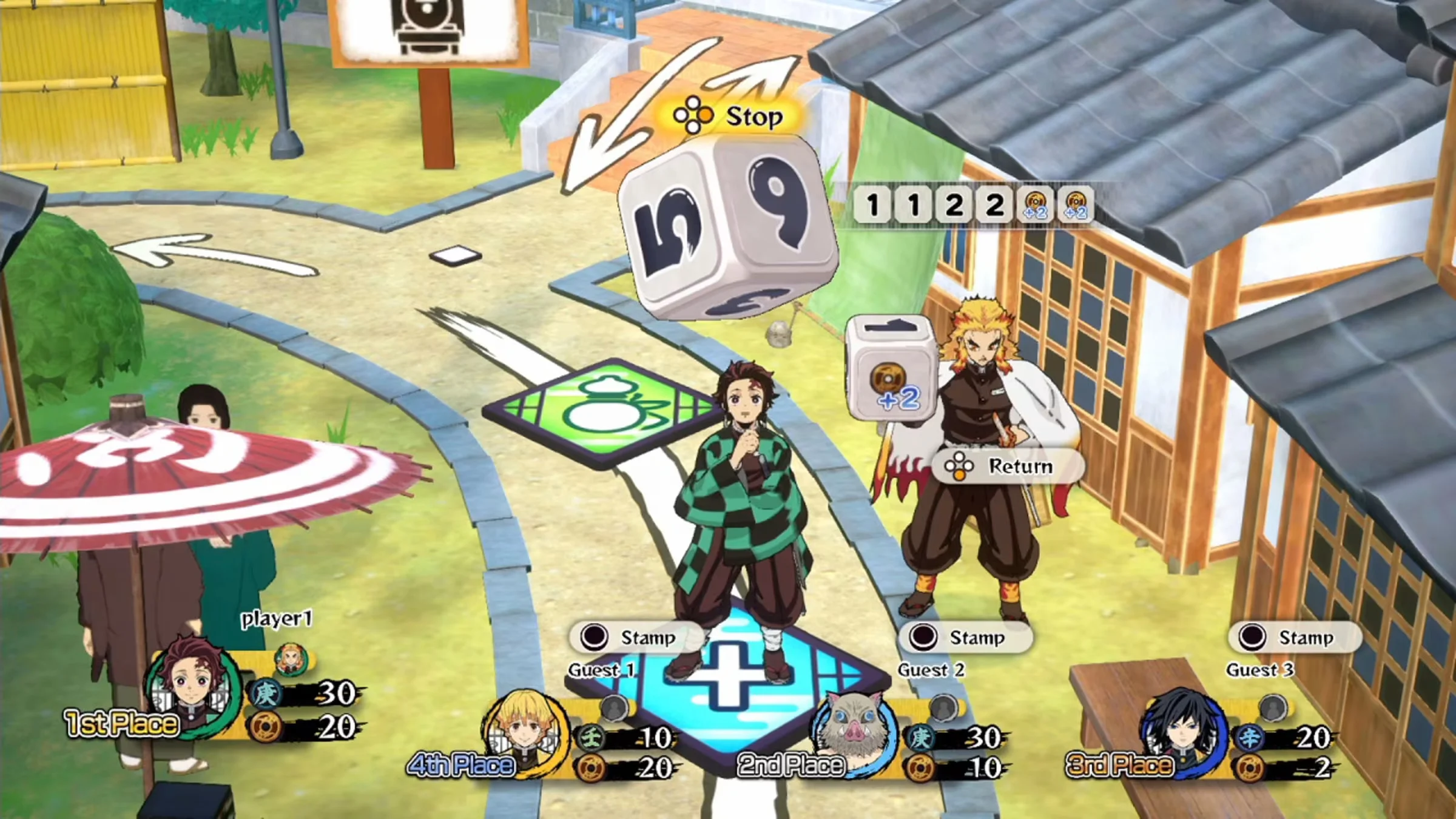
This Nintendo Switch Demon Slayer game shifts the focus from a straightforward action format toward a lively digital board game. Players move through themed boards, make decisions at event spaces, collect helpful resources, and take part in challenges that can change the direction of a run. The Party genre suits the material because the experience combines recognizable characters and locations with competitive and cooperative multiplayer options.
Its structure gives each turn a clear rhythm. A dice roll determines movement, but the outcome is not only about reaching the next point on the board. Spaces can bring rewards, risks, challenges, or opportunities to prepare for later encounters. That mix of chance and planning gives the SEGA party game a lighter, more communal pace while still asking players to consider their route, items, and character advantages.
The game supports English, Japanese, Spanish, French, German, Italian, Simplified Chinese, and Traditional Chinese. Its USA release metadata lists Title ID 0100A7101B806000, firmware 17.0.1, and a 2.74 GB file size.
Anime-Inspired Boards and the Journey Through Key Locations
The Demon Slayer board game approach is rooted in locations and events associated with the anime. Each board represents an important place or moment, turning familiar surroundings into a route filled with spaces to navigate. Training, demon encounters, mysteries, and board-event challenges all contribute to the sense that the players are moving through a stylized version of the series’ journey.
These anime-inspired game boards are more than visual backdrops. Their spaces shape decision-making from turn to turn. A favorable route may lead toward money, power-ups, or special items, while another path can involve danger or an unexpected challenge. Players are encouraged to plan movement carefully, weighing immediate gains against possible trouble ahead.
The presentation is designed around colorful boards inspired by notable anime scenes. That makes the game appropriate for players who enjoy seeing the Demon Slayer world reworked into a more playful setting, while the presence of demons and narrative-inspired events preserves some of the series’ tension. Sweep the Board locations give the adventure a changing sense of place without abandoning the board-game format.
Playable Demon Slayers and Character-Specific Advantages
Tanjiro, Nezuko, Zenitsu, and Inosuke are among the playable characters. Their inclusion gives the board action a character-driven dimension: each has unique abilities and dice bonuses that can affect how effectively they travel, respond to challenges, or approach strategic choices.
For a player using Tanjiro in Demon Slayer – Kimetsu no Yaiba – Sweep the Board! Switch NSP XCI, the important consideration is not simply moving as far as possible. Character abilities and dice bonuses make it useful to think about what a chosen Slayer does well and how that strength fits the current board state. The same principle applies to Nezuko, Zenitsu, and Inosuke. A strong choice can depend on the event ahead, the rewards available, and the demands of an upcoming battle.
This system helps give repeated sessions variety. Changing characters can alter the decisions a player makes, while multiplayer sessions add another layer of uncertainty through cooperation or competition. The goal is not just to roll well, but to make the most of the tools attached to a chosen Slayer.
Breathing Techniques and Turn-Based Demon Battles
Board movement can lead directly into combat. Demon encounters use turn-based battles in which players deploy signature Breathing Techniques for powerful attacks. These clashes bring a more tactical element to the Party framework, asking players to consider how to use their available abilities against formidable foes.
The combat system connects board preparation with battle performance. Items, cards, power-ups, and progression can all matter when a difficult encounter appears. A resource earned through a mini-game or collected from a board space may become useful later, while a poorly timed decision can leave a player less prepared for a demon challenge.
Breathing Techniques also keep the game tied to the identity of Demon Slayer. Rather than treating battles as separate from the board adventure, the game uses them as part of the journey: move, encounter an event, build resources, and be ready when combat interrupts the route.
Character Progression and Building Stronger Slayers
Progression extends beyond a single turn. Players can level up their selected Slayers, unlock new abilities, and improve stats. These systems offer a reason to pay attention to long-term development, especially when boards and battles present increasingly useful opportunities to build a stronger character.
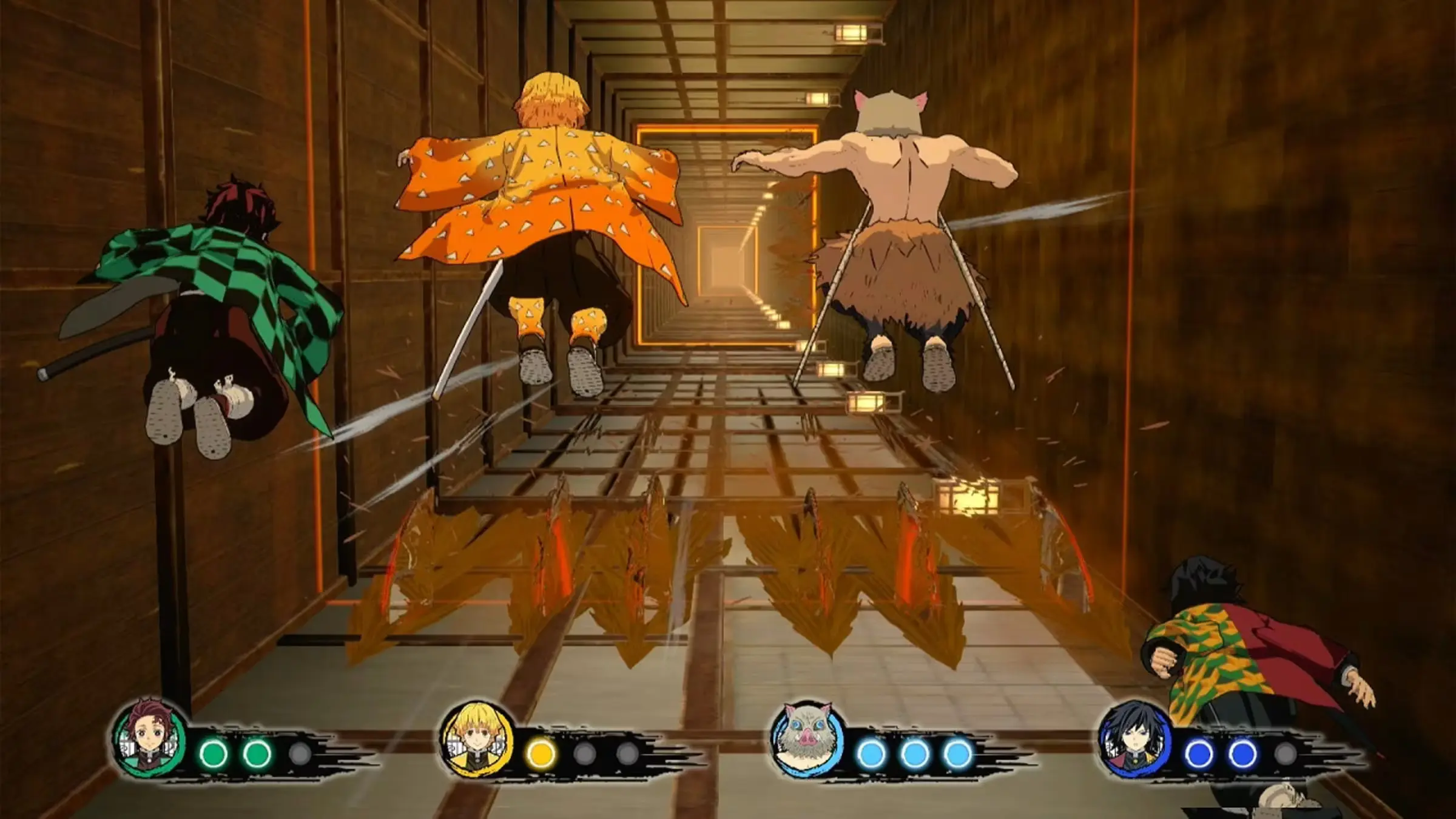
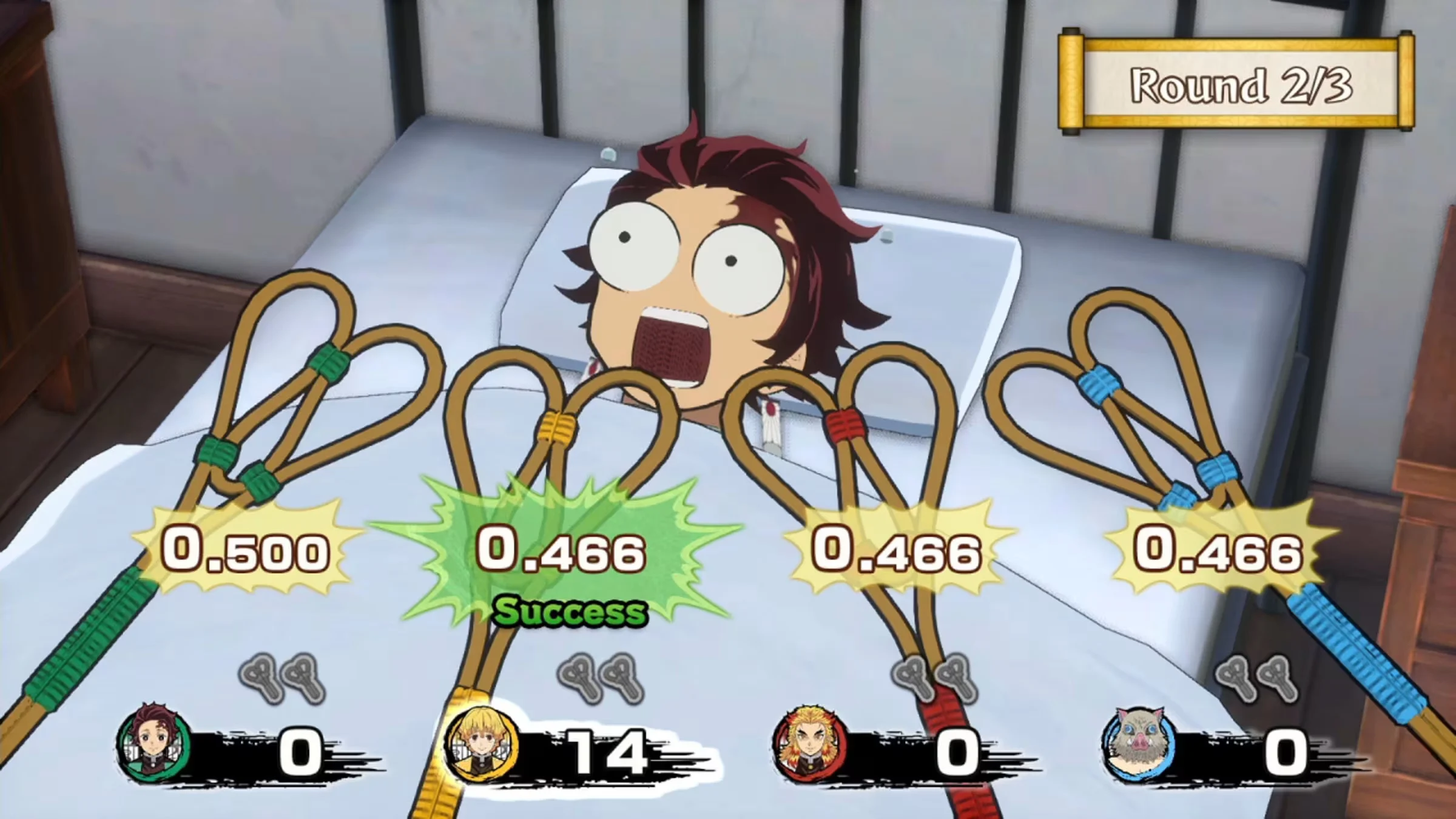
Mini-games play a practical role in that loop. Quick challenges can award money, power-ups, and special items, making them more than brief diversions between dice rolls. Timing and precision matter in these activities, and better results can provide resources that support later movement, board events, or demon battles.
The resulting replay value comes from the combination of boards, character choices, events, mini-games, and multiplayer modes. It is suited to Demon Slayer fans who want a more social adaptation of the setting, as well as groups looking for a Party game with turn-based choices rather than continuous action.
7 Strategy Priorities for Stronger Board Runs
- Know your Slayer. Learn the strengths, abilities, and dice bonuses of the character you choose before committing to a board strategy.
- Read the board. Plan movement around possible benefits and dangers instead of treating every dice roll as a simple race forward.
- Adapt quickly. Board events and demon encounters can change the situation, so adjust plans when a new challenge appears.
- Protect resources. Money, power-ups, cards, and special items can influence later turns and battles, making careful management valuable.
- Practice mini-games. Better timing and precision can improve rewards, giving players more options for the rest of the journey.
- Use items with purpose. Strategic power-ups can affect battles or alter board conditions, so save them for moments where they can make a real difference.
- Coordinate with friends. In cooperative play, share priorities and respond to threats together; in competitive play, remain alert to rivals’ advantages.