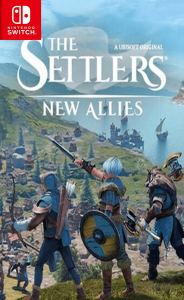
The Settlers: New Allies Switch NSP
Report Link Error
Select the broken download file, then submit the report.
Screenshots
About Game
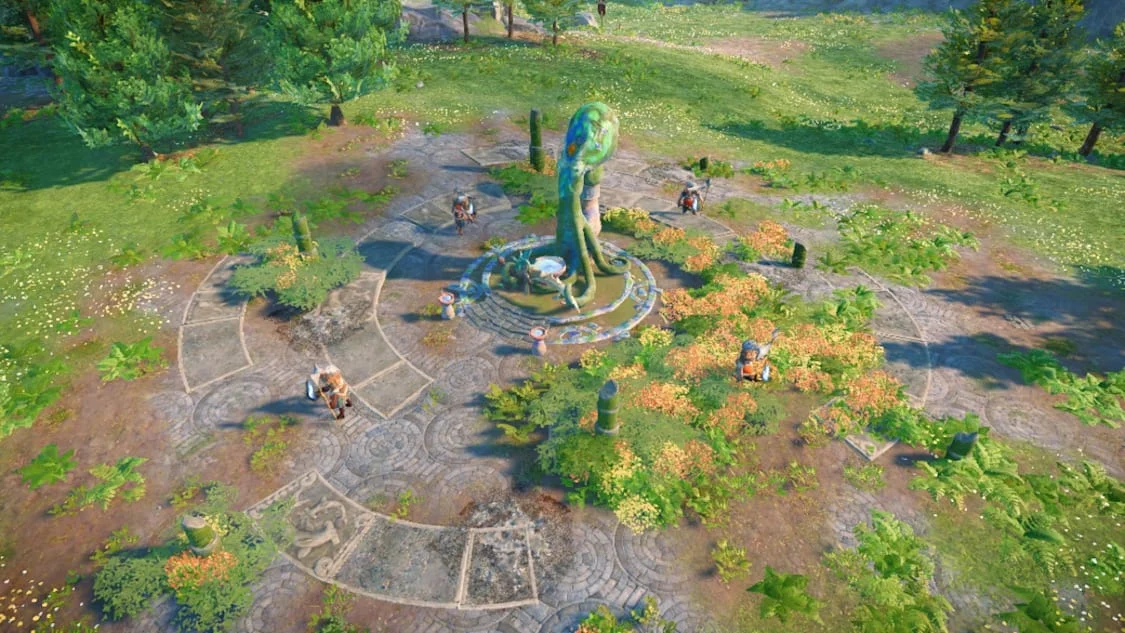
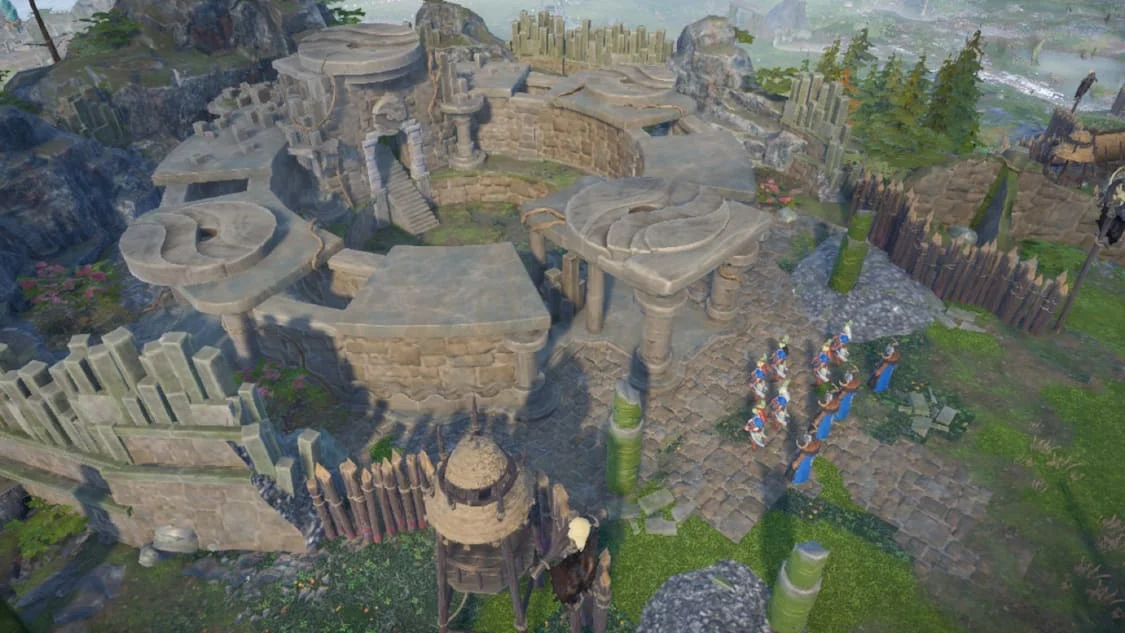
The Settlers: New Allies Switch NSP follows a displaced people trying to turn an uncertain arrival into a lasting home. Its central appeal lies in the connection between settlement growth, careful resource handling, exploration, and the practical work of keeping an expanding community supplied. The Elari do not begin from a position of comfort; they arrive in unfamiliar territory after a disaster has taken away their homeland, making each new building, route, and resource source part of a wider effort to create stability.
The Elari’s Search for a New Home
The Settlers: New Allies story begins with the Elari, a people forced from their homeland by a devastating and mysterious cataclysm. Their journey carries them across the sea to lands they do not know, where survival is only the first challenge. The longer task is to establish a secure and prosperous new homeland while facing difficult landscapes, natural obstacles, and encounters with other groups.
This premise gives the settlement work a clear sense of purpose. The Elari settlers are not simply occupying open ground; they are trying to rebuild after loss. Missions gradually reveal more of their situation, including the secrets surrounding the event that drove them away. Progress therefore comes from both physical development and the continued search for answers about the cataclysm.
The mood suggested by this setup is one of cautious discovery. New territory can offer room to grow, but it can also present fresh demands on planning. A settlement must become productive enough to support its people before it can confidently reach farther into the surrounding world.
Building a Settlement From Basic Resources
The early economic loop is grounded in familiar materials: wood, stone, and iron. These resources form the starting point for expansion, and the settlement depends on converting raw materials into goods that support further development. Buildings are not isolated pieces of a town plan; they belong to connected production chains that require steady inputs and organized movement of supplies.
Workers take on specialized jobs, including lumberjacks, miners, bakers, and soldiers. Their roles make population management an important part of the process. A lumberjack needs access to the work required to obtain wood, while a miner depends on deposits and the tools necessary to do the job. Bakers, meanwhile, contribute to the food supply that helps sustain the wider community.
Settlement building is therefore less about placing structures without consequence and more about creating dependable relationships between gathering, processing, transport, and service buildings. A useful building can still become inefficient if its workers travel too far or if essential goods arrive too slowly. Food, tools, housing, and other citizen needs all contribute to the health of the developing economy.
For players interested in a measured management experience, this structure encourages attention to the small links that keep a larger settlement functioning. The aim is not merely to accumulate materials, but to make sure those materials reach the people and places that need them.
Exploration, New Regions, and Resource Opportunities
Growth does not stop at the first settlement boundary. The Settlers: New Allies exploration sends the Elari across large maps in search of useful space, resource deposits, and new opportunities. Finding wood, stone, or iron is valuable, but locating those materials is only part of the challenge. The player must also consider how new areas can be connected to the existing economic network.
New regions can change the direction of development. A promising deposit may encourage an expansion of mining or production, while an open area may offer room for buildings that no longer fit comfortably near the original settlement. Each discovery can create a practical choice: develop the resources already available, or invest in reaching farther territory with potentially greater rewards.
The Elari also encounter other cultures during their journey. These meetings add another element to the unfamiliar nature of the world around them. Exploration is not presented simply as a way to reveal more map space; it is part of the process of learning what lies beyond the new settlement and deciding how to respond to changing circumstances.
The Optional Combat Layer
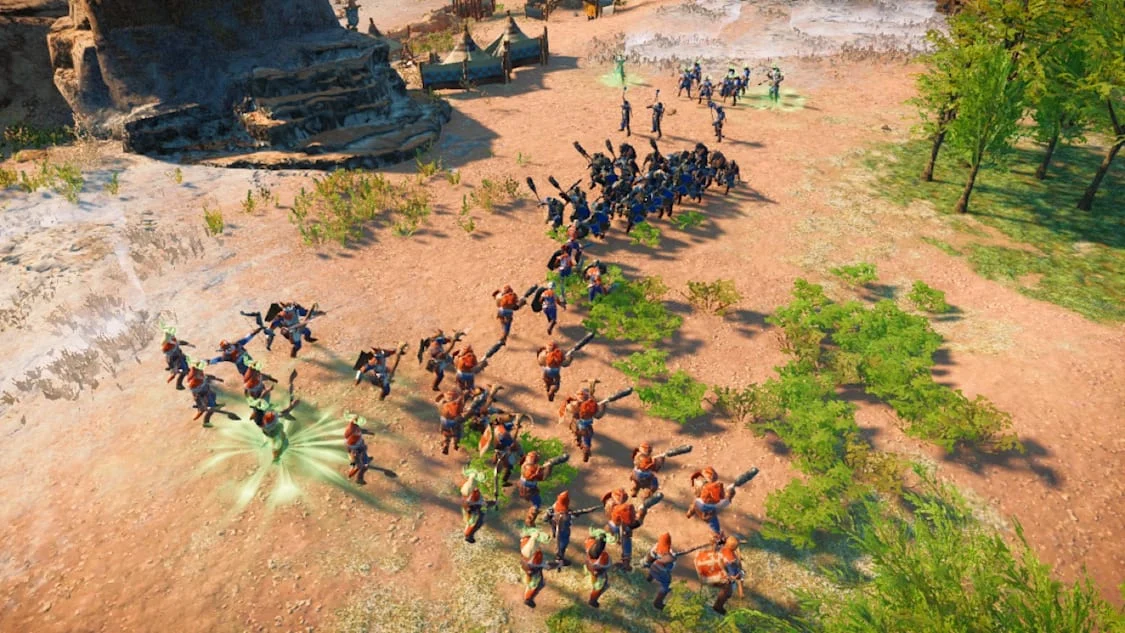
Combat is an added strategic consideration rather than the sole purpose of development. Soldiers can be trained for military tasks, and tactical conflict can be used to defend territory or extend influence. This gives settlement decisions another consequence: a community that needs to protect its borders must also support the people assigned to that responsibility.
The combat layer sits alongside the economic systems instead of replacing them. Training soldiers still depends on the settlement having the resources and organization to sustain specialized roles. A decision to expand through contested or uncertain space may therefore affect material use, worker priorities, and the broader pace of growth.
Players can approach strategic expansion with an eye on both security and development. A strong economy supports more options, while a well-protected territory can give the Elari room to continue building. The balance between these concerns is part of what makes each new region meaningful.
5 Planning Priorities for a Strong Settlement
- Place with purpose. Keep related buildings sensibly positioned to reduce the distance settlers must travel while gathering, producing, and delivering goods.
- Protect food and tools. Maintain dependable supplies for workers, since specialized roles need the right support to remain productive.
- Secure basic materials. Build stable production around wood, stone, and iron before committing too heavily to wider expansion.
- Organize transport routes. A growing settlement relies on goods moving between resource sites, production buildings, and the people who use the finished results.
- Adapt to change. Resource shortages, unfamiliar regions, and encounters with others may require the plan to shift rather than remain fixed.
These priorities reflect the economic strategy behind the Elari’s progress. Efficient building placement can save time, while reliable material chains prevent workers from being left without what they need. The larger the settlement becomes, the more important those underlying systems are.
Nintendo Switch Release and Verified Game Details
The Settlers: New Allies Switch NSP is associated with a Nintendo Switch release dated June 22, 2023. Ubisoft is listed as both publisher and developer. The game is available for the Europe and USA regions, with English listed as the supported language.
- Title ID: 0100F3200E7CA000
- Release date: June 22, 2023
- Genre: Adventure
- Publisher and developer: Ubisoft
- Regions: Europe and USA
- Language: English
- Base firmware: v16.0.1
Its focus on resource chains, specialist workers, settlement planning, exploration, and optional tactical defense makes it most relevant to players who enjoy guiding a community through practical challenges. The Elari’s search for safety gives those systems a narrative frame, while the need to keep materials, routes, and workers in balance provides the ongoing strategic pressure.