Shining Resonance Refrain Switch NSP XCI
Report Link Error
Select the broken download file, then submit the report.
Screenshots
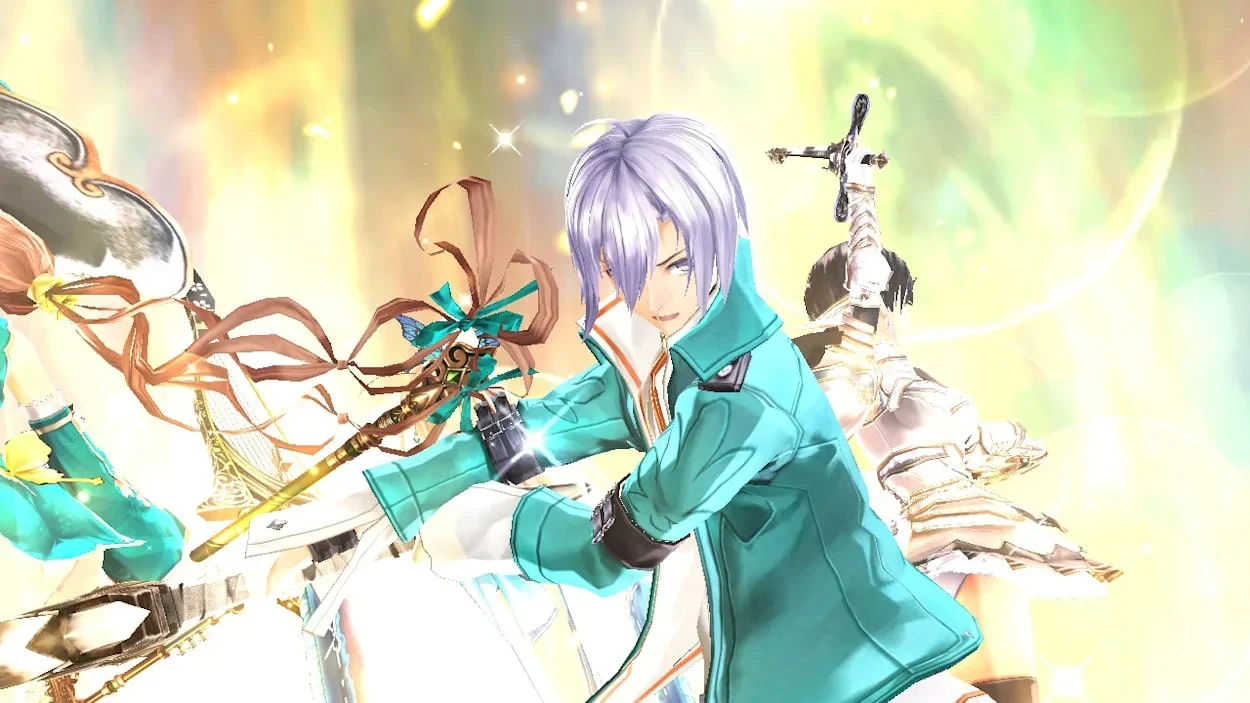
About Game
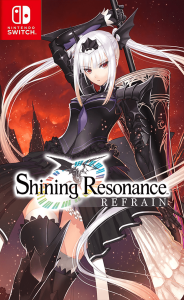
Shining Resonance Refrain Switch NSP XCI refers to SEGA’s July 10, 2018 Nintendo Switch release of the action role-playing game Shining Resonance Refrain. Available in the USA and Europe with English language support, it brings a dragon-centered fantasy adventure to the system with real-time combat, party-based tactics, relationship events, and a strong musical theme woven into its battle systems.
Shining Resonance Refrain on Nintendo Switch: Release and Game Details
Published and developed by SEGA, Shining Resonance Refrain is an Action RPG set in the fantasy land of Alfheim. Its July 10, 2018 Switch release gave players in the USA and EUR regions access to a story about dragons, magic, political conflict, and a group of companions trying to protect someone carrying extraordinary power.
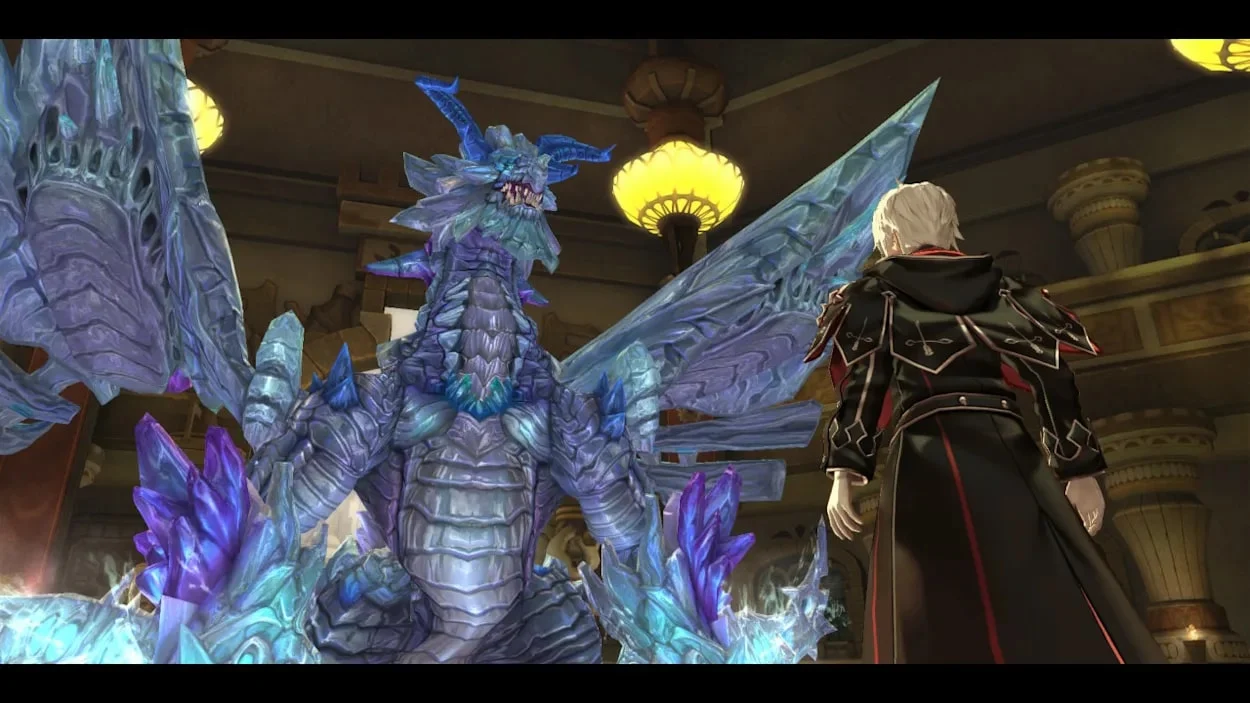
The game’s setting is shaped by the absence of dragons, once revered creatures that have become nearly extinct. That history gives the world a sense of uncertainty: dragon power is not simply a source of wonder, but a force that competing groups want to control. The Empire and the Church both pursue that power, while the heroes around Yuma Ilvern work to keep it from being exploited.
For players searching the exact phrase Shining Resonance Refrain Switch NSP XCI, the useful context is the game itself: a SEGA Action RPG built around direct battles, character growth, and a story in which personal bonds matter alongside the larger conflict facing Alfheim.
Yuma Ilvern and the Soul of the Shining Dragon
The Shining Resonance Refrain story follows Yuma Ilvern, a shy and withdrawn young man who carries the soul of the legendary Shining Dragon. His condition makes him unusually powerful, but it also places him in constant danger. The Empire and the Church seek to capture Yuma and use his dragon abilities for their own aims.
Yuma does not face that danger alone. Sonia Blanche, the Princess of Astoria, gathers Dragon-Slayers and mages to protect him. Their struggle is not only about keeping Yuma safe; it is also about preventing the Empire from using dragon power to bring chaos to the continent. Yuma’s existence becomes a point of tension for every faction involved, a source of hope to his allies and a prize to those who would turn his strength toward destruction.
The premise gives the adventure room for themes of destiny, friendship, and self-discovery. Yuma’s withdrawn personality is important because his journey is not merely about gaining strength. It is also about learning to rely on companions whose decisions, support, and relationships influence the path around him.
Real-Time Action Combat and Party Switching
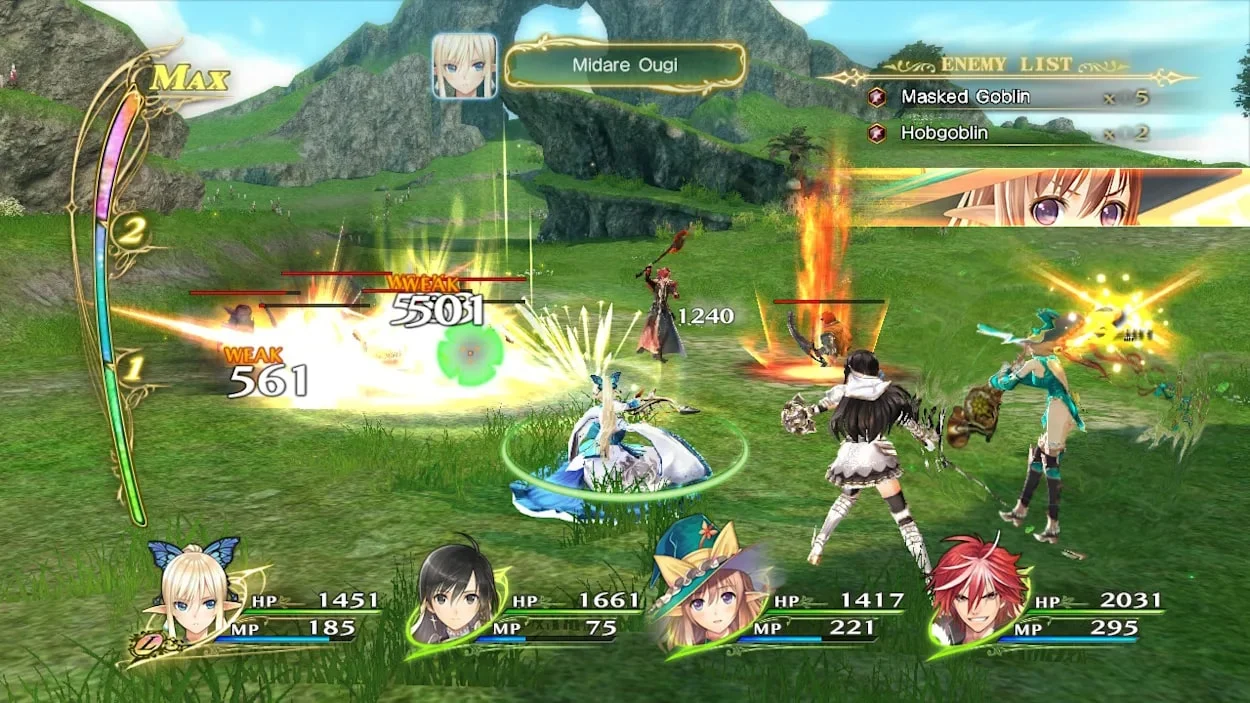
Shining Resonance Refrain combat uses a real-time action RPG structure rather than a purely turn-based one. Players directly control party members during fast-moving encounters, using attacks, combos, and magic to respond to enemies in the moment. The system encourages active positioning and timing, especially when tougher opponents demand more than simple repeated attacks.
Party switching adds another layer to battles. Different characters bring their own abilities and battle styles, allowing the group to approach encounters in varied ways. One character’s strengths may suit a particular situation better than another’s, and changing control can help players make practical use of the party’s full range of skills.
This balance of direct action and party choice gives combat a strategic rhythm. Combos and powerful magic provide immediate options, while character selection asks players to consider who is best suited to the fight. The result is a battle system that supports experimentation without leaving the action behind.
How the B.A.N.D. Performance System Supports the Party
Music has a practical role in battle through the B.A.N.D. Performance System. During combat, characters can take part in musical B.A.N.D. sessions that grant buffs and abilities to the entire party. Rather than functioning only as a visual flourish, these performances can strengthen the group when a fight becomes more demanding.
The system fits the game’s larger emphasis on teamwork. A B.A.N.D. performance does not focus on one fighter acting alone; it supports the party as a unit. That makes the timing of a session meaningful, since its benefits can help reinforce a chosen battle plan, enhance the group’s effectiveness, and create opportunities to press an advantage.
It is also one of the game’s more distinctive ideas. In a world built around dragons and magic, musical performances become another expression of the allies’ connection, linking the game’s character-driven tone to its combat mechanics.
Bonding, Choices, and M.O.E.S. Character Relationships
Outside of battle, the M.O.E.S. System develops the connections between Yuma and his allies. Through choices and events, players can deepen bonds with party members. These relationships unlock special scenes and can improve allies’ combat effectiveness, giving the social side of the adventure a clear mechanical purpose.
Shining Resonance Refrain bonding is therefore not separated from progression. Spending time with companions can reveal more of their role in Yuma’s journey while also helping the group perform more effectively in the field. The system supports a more personal view of the party: these are not only combat roles, but characters whose growing trust has consequences.
This focus also adds replay value through relationship choices and special events. Players interested in seeing how different bonds develop have reason to engage with the cast beyond the main conflict. The inclusion of Refrain Mode from the start further offers an alternative perspective, with Excella and Jenius available as party members.
5 Gameplay Systems That Shape Shining Resonance Refrain
- Direct action: Real-time combat lets players control party members, use combos, cast magic, and react quickly during encounters.
- Musical support: B.A.N.D. performances provide buffs and battle abilities for the full party, making coordinated support part of the fight.
- Growing bonds: The M.O.E.S. System uses choices and events to build character relationships, unlock special scenes, and improve allies in combat.
- Dragon power: Yuma can use Dragon Shifts to transform into the Shining Dragon, gaining immense power while needing to manage the risk of going berserk.
- Flexible builds: Runes and Aspect of Dragons, or AODs, can enhance character statistics and abilities, allowing players to tailor the party to their preferred approach.
These systems suit players looking for a fantasy RPG where action combat is tied to a wider party experience. The journey through Alfheim combines the pressure surrounding the Shining Dragon with a cast whose bonds affect both story moments and battle performance. Its strongest appeal lies in that combination of fast combat, character interaction, dragon transformations, and musical group support.