GRID Autosport Switch NSP XCI
Report Link Error
Select the broken download file, then submit the report.


Screenshots
About Game
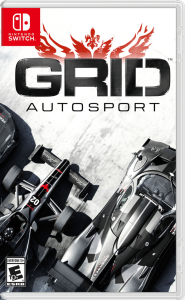
GRID Autosport Switch NSP XCI brings a motorsport-focused racing experience to Nintendo Switch, placing its emphasis on varied disciplines, measured driving, and the satisfaction of improving from race to race. Published by Codemasters and developed for the platform by Feral Interactive, it arrived on September 19, 2019, offering a portable take on professional circuit and street competition across Europe, USA, and Japan.
GRID Autosport on Nintendo Switch: A Portable Motorsport Focus
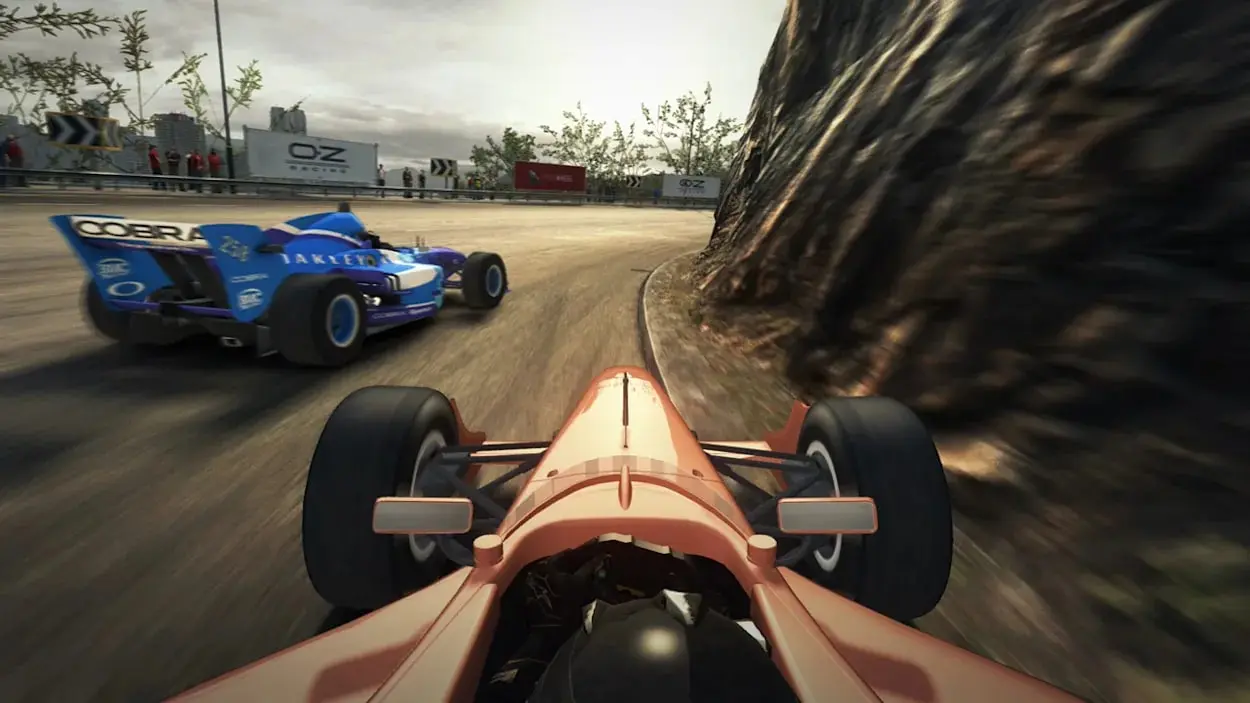
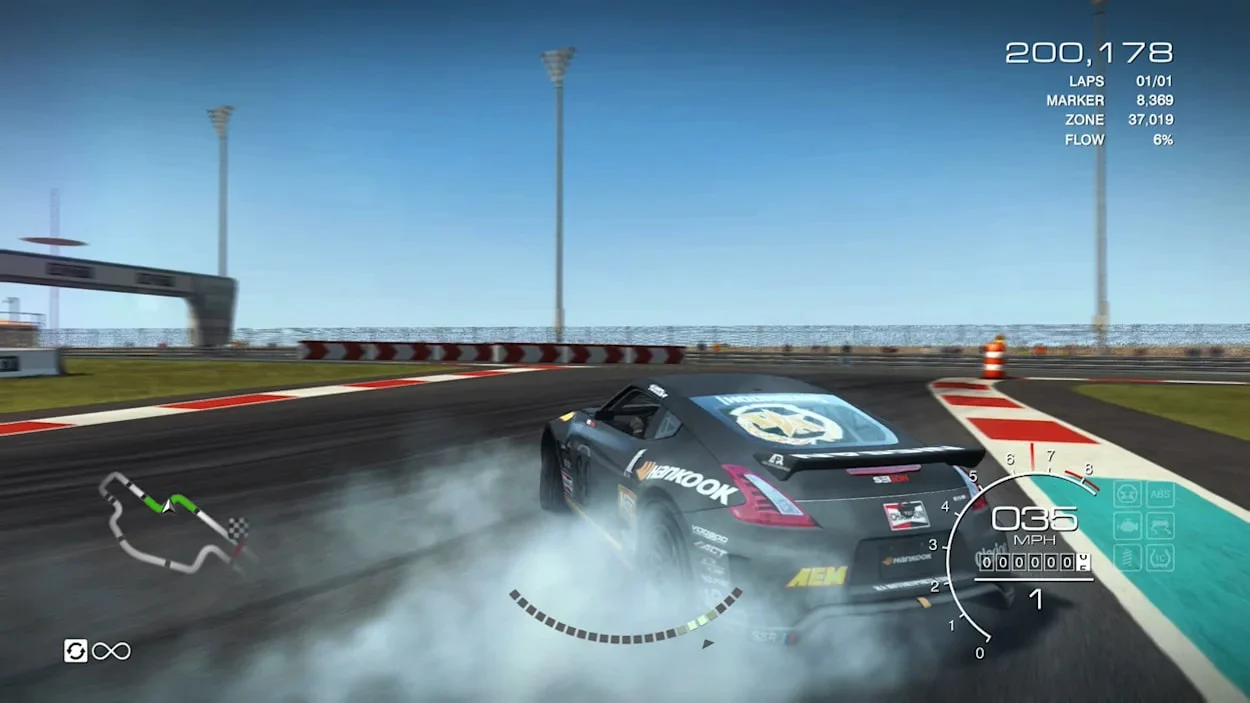
GRID Autosport is built around racing rather than a conventional story campaign. Its setting is the competitive world of motorsport, where different vehicle classes and event formats demand different habits behind the wheel. Touring cars encourage close, forceful battles for position, while open-wheel competition places greater importance on precision. Endurance, Tuner, and Street events further widen the range of racing styles available.
That variety gives the Nintendo Switch version a focused identity. It is a racing game with simulation-minded handling, but it also allows players to shape the challenge through difficulty choices and driving assists. The result is an experience that can accommodate a player learning braking points and corner exits as well as someone seeking more demanding races.
The portable context is significant. Motorsport games often ask players to learn circuits, car behavior, and race craft over time, and GRID Autosport supports that gradual process in a format suited to shorter sessions or longer championship progress. Its presentation draws on real-world tracks and city circuits, with 22 locations and more than 100 routes providing a broad set of environments for repeated competition.
A Career Built on Reputation, Contracts, and Team Objectives
The GRID Autosport career mode frames progression as a climb through professional racing. Players begin as a rookie and build a personal path through seasons, teams, and racing disciplines. Rather than following a fixed narrative, the career develops through results: victories, difficult losses, completed objectives, and the reputation earned along the way.
Team contracts give that progress a practical structure. Each team carries its own expectations, so success is not only about finishing first. Meeting objectives helps strengthen a driver’s standing and contributes to a growing reputation. That creates a useful reason to pay attention to each event beyond the final position, particularly when working through different race formats and vehicle categories.
- Start as a rookie: Build experience through early events and establish a place in the racing world.
- Sign with teams: Take on contracts linked to team expectations and objectives.
- Earn reputation: Strong performances and completed goals support career advancement.
- Adapt across disciplines: Move between Touring, Endurance, Open-Wheel, Tuner, and Street racing.
- Progress through seasons: Continue pursuing new challenges as the racing career develops.
This structure supports replay value because a racing career is shaped by performance and choices. Different teams, cars, routes, and disciplines can alter the rhythm of a season, while a player’s own improvement remains central to the experience.
More Than 100 Cars Across Multiple Racing Styles
With more than 100 cars, GRID Autosport gives its disciplines distinct personalities. The roster ranges from classic muscle cars to modern supercars, and the cars are not treated as interchangeable selections. Each has its own handling character, asking players to adjust their approach as they change vehicles.
A heavy, powerful muscle car invites a different kind of control from a modern supercar, while open-wheel machinery places the emphasis elsewhere again. This variety is one of the game’s most important mechanical strengths: success depends on more than memorizing a route. Drivers must also understand how a selected car reacts under braking, through a corner, and when accelerating back into the racing line.
The changing vehicle behavior also gives the game’s locations more value. A familiar route can feel different when approached in another class, particularly when the demands of a city circuit contrast with those of a real-world track. The game does not rely on a single type of motorsport fantasy; it moves between several forms of racing and asks the player to adjust accordingly.
How Damage, Opponents, and Handling Shape Every Race
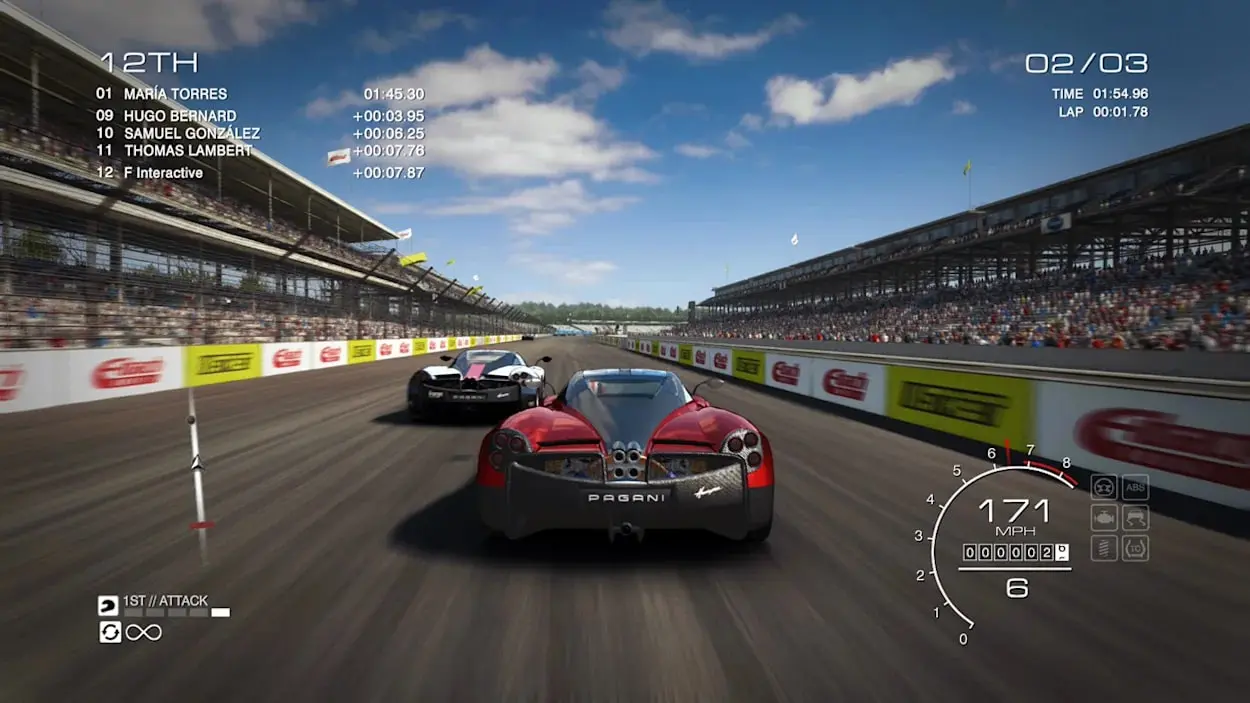
Races gain tension from a dynamic damage model that affects both a vehicle’s appearance and its performance. Contact is therefore more than a visual interruption. A damaged car can change the practical demands of a race, making clean driving, awareness of nearby competitors, and careful positioning more important.
Computer-controlled opponents add another source of pressure. They are designed to provide challenging and unpredictable races, which matters in a game centered on close competition. A race can shift through traffic, aggressive wheel-to-wheel moments, or the need to protect a position after a mistake.
Precise handling connects these systems. Braking points and throttle control are meaningful because different cars and disciplines respond in different ways. A clean lap is not simply about speed; it is about carrying momentum without losing control, managing space around other cars, and adapting when damage or traffic disrupts an intended line.
Tuning Difficulty and Assists for Different Skill Levels
GRID Autosport does not treat simulation-minded racing as a single fixed challenge. Difficulty and driving assists can be customized, allowing players to find a balance that fits their confidence and experience. This flexibility is useful because the game covers several disciplines whose demands can vary considerably.
For a newer player, assists can help make the transition between car types less overwhelming. For someone more familiar with racing games, reducing that support can place greater responsibility on braking, steering, and throttle management. The important point is that the same career structure and broad event selection can be approached at different levels of intensity.
That makes it suitable for players interested in a more grounded racing simulation without requiring every session to begin at the highest level of challenge. Learning a route, improving lap times, and mastering a car can remain rewarding even before a player is ready for stricter conditions.
Multiplayer Competition and the Appeal of Global Racing
Single-player career mode gives GRID Autosport its long-term progression, but multiplayer changes the focus. Instead of working through contracts and reputation, players can test their driving against competitors from around the world. The emphasis shifts toward direct comparison: race craft, consistency, control under pressure, and the ability to respond when another driver challenges for the same corner.
That contrast gives GRID Autosport Switch NSP XCI two complementary forms of competition. Career racing offers a structured journey through teams, seasons, objectives, and varied disciplines. Multiplayer puts the spotlight on immediate competitive racing. Together, they suit players looking for a portable Nintendo Switch racing game with a substantial car roster, adjustable challenge, dynamic damage, and a motorsport career that rewards steady improvement.