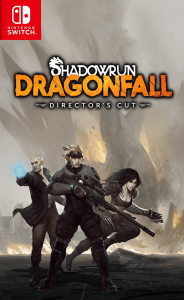
Shadowrun: Dragonfall – Director’s Cut Switch NSP
Report Link Error
Select the broken download file, then submit the report.


Screenshots
About Game
Shadowrun: Dragonfall – Director’s Cut Switch NSP brings a tactical cyberpunk role-playing adventure to Nintendo Switch in the USA. Published by Paradox Interactive and released on June 21, 2022, this English-language version places turn-based squad combat, branching conversations, and character development inside a world where advanced machinery exists alongside returned magic. Its listed genre is Action, but its moment-to-moment identity is strongly shaped by tactical RPG decision-making and story-led progression.
Shadowrun: Dragonfall – Director’s Cut on Nintendo Switch: Game Overview
Shadowrun: Dragonfall – Director’s Cut is set in the Shadowrun universe, a harsh future shaped by corporate power, cybernetics, spellcasting, and life in the margins. The player leads a group of shadowrunners: mercenary specialists who take dangerous work in a city marked by inequality, surveillance, decay, and competing interests.
The Switch release supports English and arrives as a compact but substantial adventure centered on dialogue, exploration, squad management, and tactical encounters. Rather than treating combat as a separate attraction, the game connects battles to a larger investigation. Conversations can open opportunities, reveal useful information, alter relationships, and affect which missions become available.
Its atmosphere comes from the contrast built into the setting. Grimy streets and corporate high-rises sit beside magical threats and virtual systems. That mix gives Dragonfall a distinctive tone: technology can be a weapon, a source of control, or a way into hidden information, while magic is not distant fantasy but part of everyday danger.
A Dangerous Journey Through the Free State of Berlin
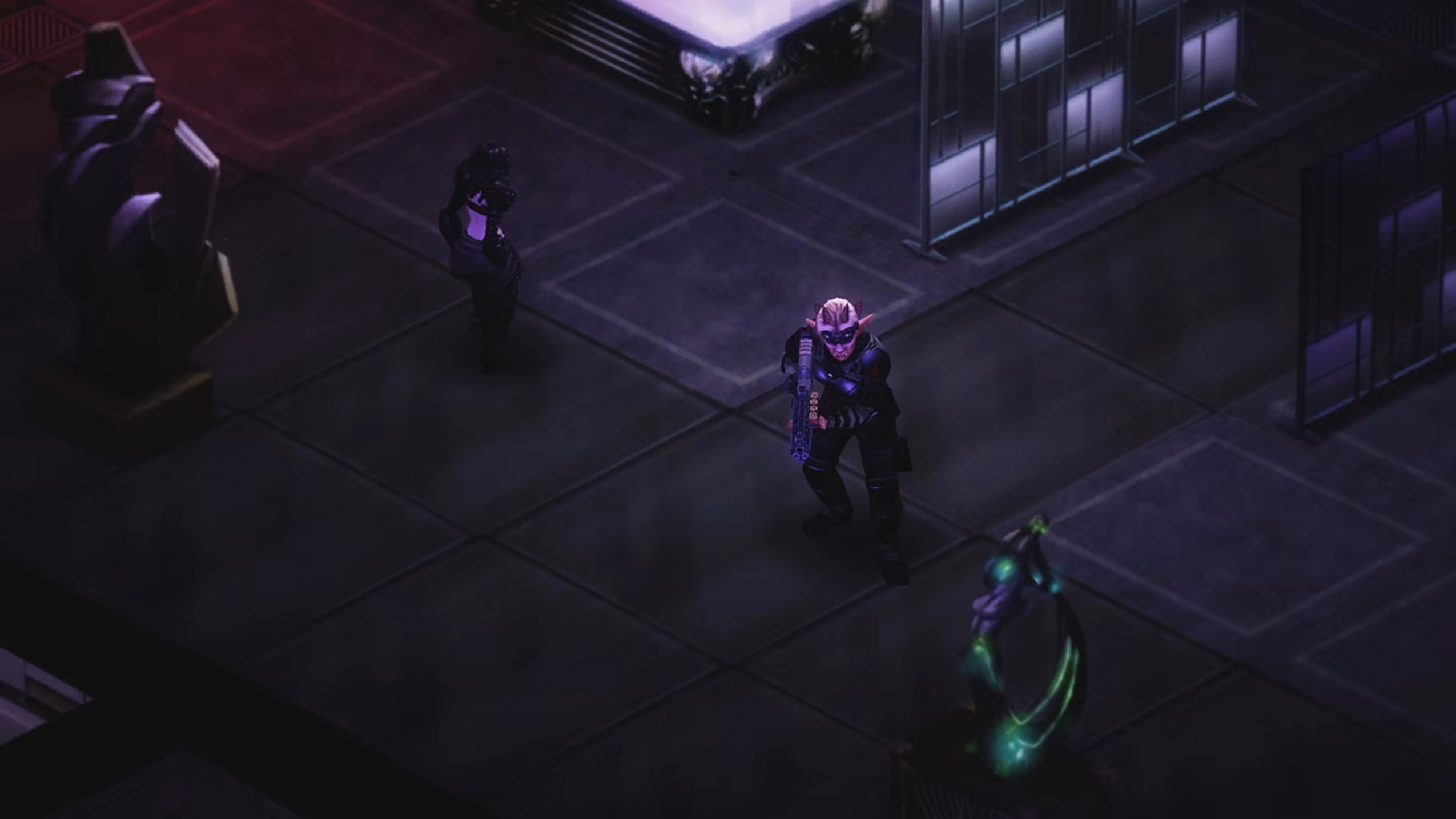
The story unfolds in the Free State of Berlin, a cyberpunk Berlin where shadowrunners work beneath the influence of corporations and powerful megacorporations. Urban decline, corporate espionage, and the uneasy presence of magic shape the city’s mood. Berlin is presented through detailed locations that range from alleys to imposing corporate spaces, giving the journey a sense of movement between street-level survival and much larger schemes.
The team’s trouble begins with a data heist that goes wrong. From there, the return of an enigmatic figure known as Flux draws the runners into a conspiracy with consequences for the city. The narrative moves through questions of loyalty, betrayal, survival, and old threats that have not stayed buried.
This is not a setting in which strength alone solves every problem. Corporate influence can make an apparent ally unreliable, and a conversation may carry as much weight as an encounter. The tension between magic and technology is central to Berlin’s identity, making the city feel like more than a backdrop for missions.
Create a Shadowrunner for Your Preferred Playstyle
Players begin with a custom protagonist and can choose an archetype suited to their preferred approach. Examples include the Street Samurai, the Decker, the Shaman, and the Mage. Each points toward a different role in the team, helping define how the protagonist approaches combat, dialogue situations, and the wider challenges of Berlin.
Character progression draws on skills, spells, cybernetics, and equipment. A build can therefore reflect direct combat priorities, magical options, technological expertise, or a blend of different strengths. Equipment management also matters, with weapons, armor, and consumables forming part of the preparation for difficult missions.
The protagonist is not alone. The game asks players to manage a diverse team of shadowrunners, each with unique abilities and personal backgrounds. That makes squad composition meaningful. A capable team is not just a collection of damage dealers; it is a set of tools for dealing with enemy positions, tactical pressure, and situations that reward a particular specialist.
Dialogue Choices and Branching Mission Paths
Dragonfall’s conversations are built around branching dialogue and tangible consequences. Choices can influence the course of the story, the player’s reputation, alliances, and the missions that become available. The result is a campaign that encourages attention to people and context rather than treating every exchange as a simple route to the next fight.
Non-linear mission progression supports that sense of agency. Decisions made in one part of the story can shape later opportunities, while alliances may affect how the player navigates Berlin’s competing interests. The game also includes multiple possible endings based on those decisions.
That structure adds replay value without needing to reduce every choice to a visible score. A different protagonist archetype, a changed response during a key conversation, or a different route through available missions can create a fresh perspective on the same conspiracy. Shadowrun: Dragonfall – Director’s Cut Switch NSP is therefore best approached with an interest in consequences as well as combat efficiency.
The Matrix as a Virtual Battlefield for Deckers
The Matrix extends the game’s technology-driven setting into a virtual battlefield. For a Decker, hacking is more than background flavor: it offers a way to access systems and extract data. That role fits naturally within a story driven by heists, corporate espionage, and information that powerful groups would prefer to keep hidden.
Matrix activity reinforces one of Dragonfall’s strongest ideas: knowledge can be as valuable as firepower. Data extraction can support the team’s wider objectives, while the Decker gives the squad a technological identity distinct from the magical options offered by Shamans and Mages. The contrast between spellcasting, cybernetics, and hacking helps each specialization feel connected to the wider world.
7 Tactical Priorities for Surviving Berlin’s Missions
- Plan first: Review the squad’s abilities and equipment before committing to a mission. Preparation matters when combat encounters demand careful decisions.
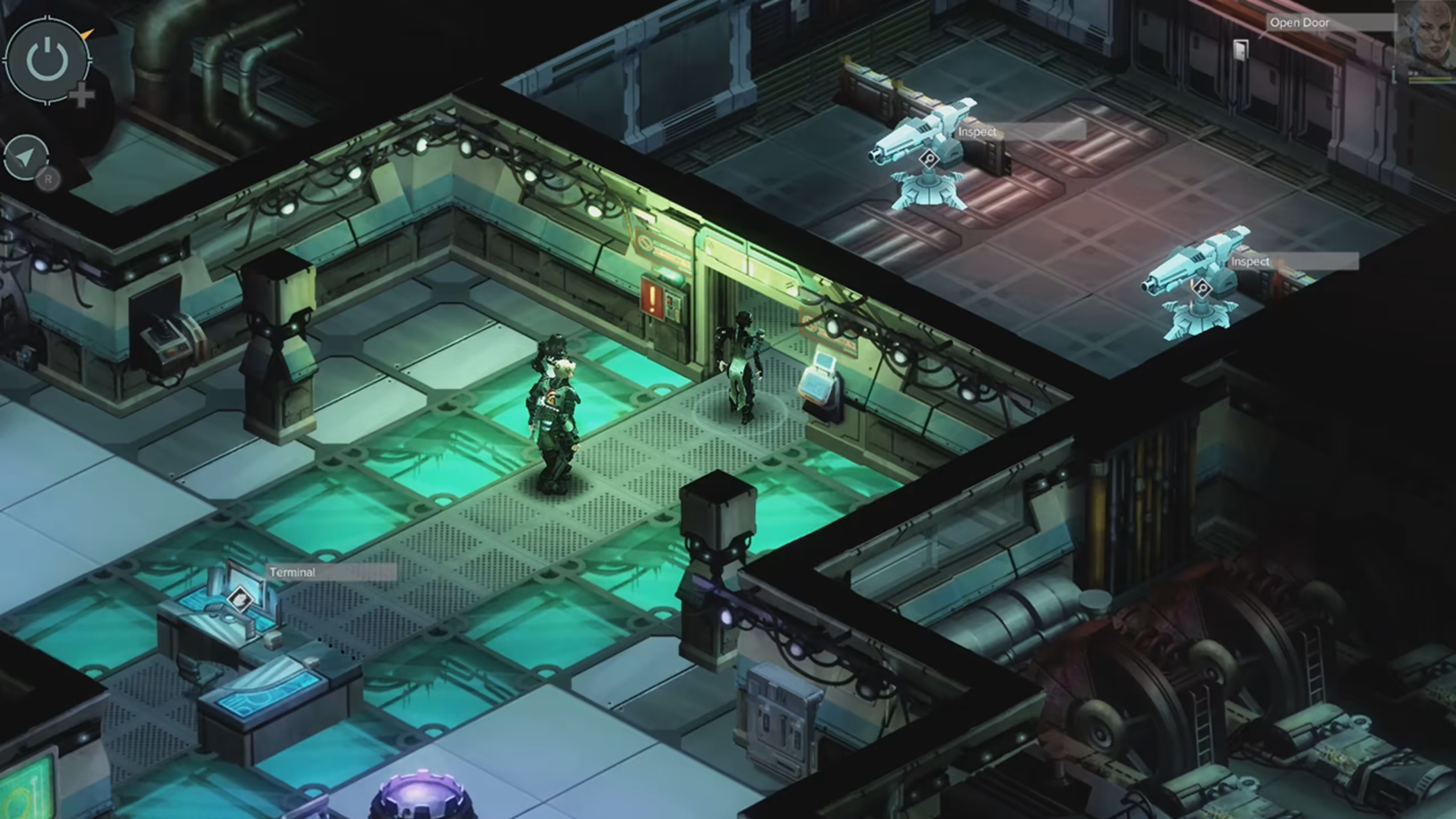
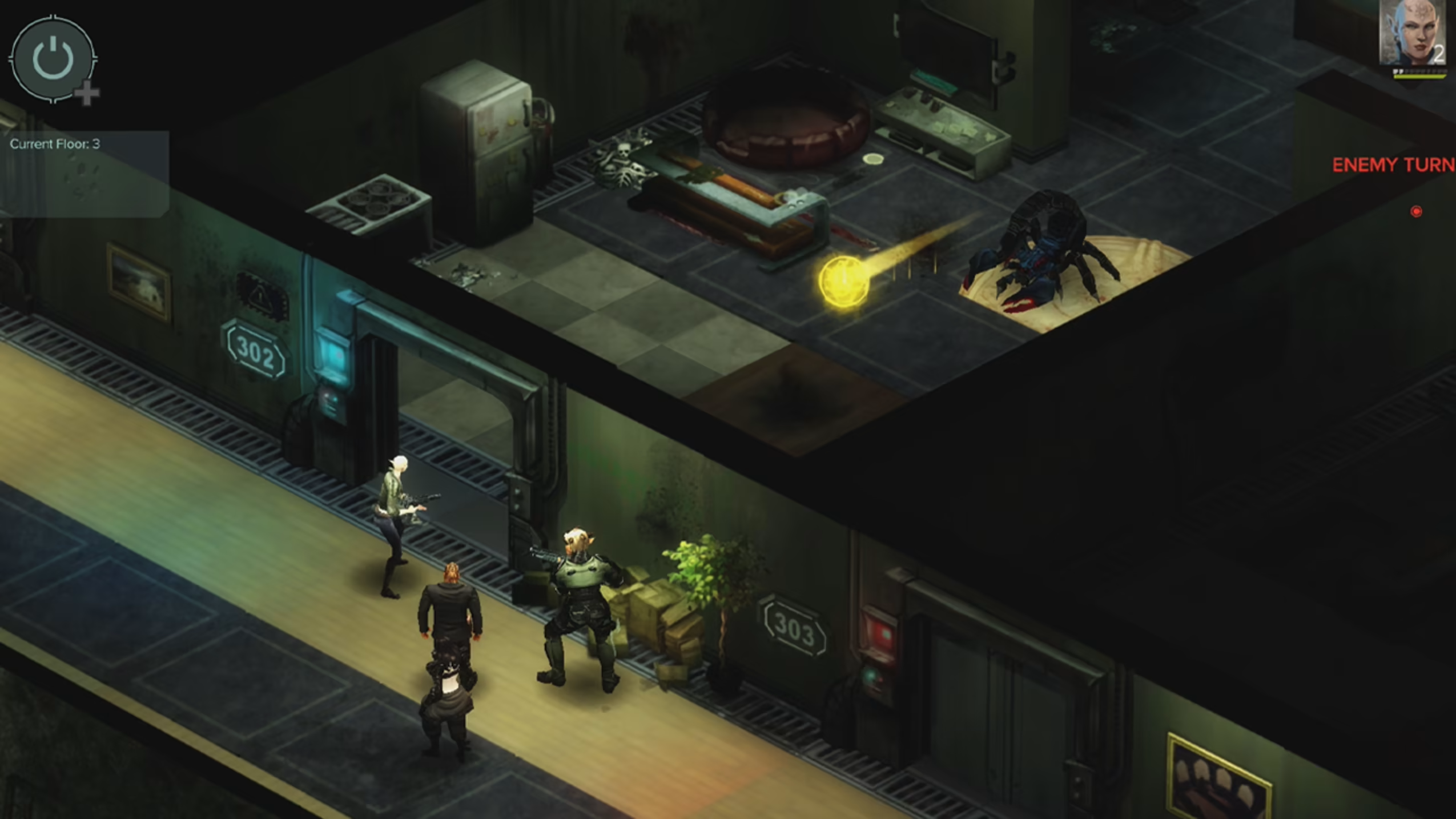
- Use cover: Positioning behind cover can help the team endure hostile fire and avoid unnecessary exposure during turn-based battles.
- Place the squad deliberately: Keep each shadowrunner where their strengths are useful, rather than pushing every character into the same danger.
- Match tools to threats: Skills, spells, cybernetics, and specialist abilities are most effective when used against the right enemy weakness or situation.
- Maintain equipment: Weapons, armor, and consumables are part of the tactical equation, not just background inventory.
- Build team strengths: A Street Samurai, Decker, Shaman, or Mage can contribute in different ways, so consider how individual roles support the full squad.
- Think beyond the fight: Dialogue choices can affect reputation, alliances, mission availability, and the route toward the game’s possible endings.
For players drawn to cyberpunk Berlin, story consequences, and deliberate squad tactics, Dragonfall offers a focused combination of narrative pressure and strategic combat. Its appeal lies in the way those elements reinforce one another: decisions shape the journey, the journey determines the risks, and each mission asks the team to survive a city where magic and technology are equally dangerous.