The Oregon Trail Switch NSP
Report Link Error
Select the broken download file, then submit the report.
Screenshots
About Game
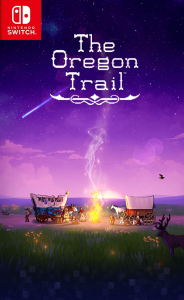
The Oregon Trail Switch NSP brings a familiar westward-travel premise to Nintendo Switch through Gameloft’s modern interpretation of a classic journey. The destination is Oregon’s Willamette Valley, but the route begins in Independence, Missouri, with a family, a wagon, limited provisions, and a long series of choices that can turn hope into hardship.
A Modern Oregon Trail Journey on Nintendo Switch
This Gameloft Oregon Trail follows the broad shape of an iconic pioneer story while presenting it through strategy, resource management, narrative choices, and interactive activities. The trail is not simply a route to complete. It is a chain of practical decisions: what to pack, how quickly to travel, when to seek more provisions, and how to respond when the journey changes without warning.
The atmosphere comes from the contrast between ambition and uncertainty. A family is moving west toward a new life, but every stretch of the Oregon Trail journey can introduce pressure through weather, rivers, illness, scarce supplies, or encounters with other people. The American frontier is presented as a place of wide landscapes and possibility, but also one where preparation does not remove every risk.
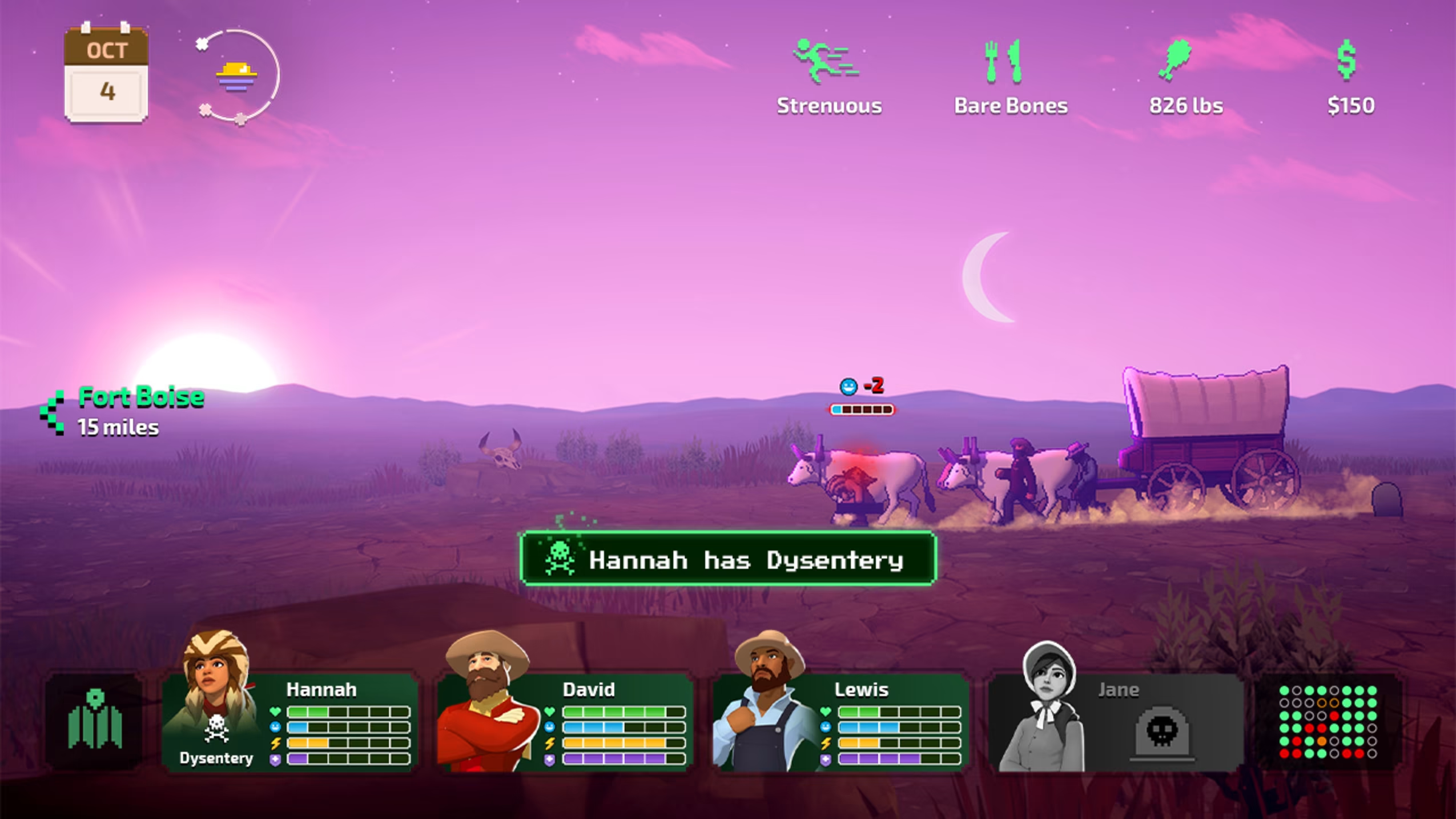
Gameloft’s version also uses new art and enhanced animations to give the journey a fresh visual presentation on Switch. That presentation supports the changing tone of the trek, from moments of routine wagon management to difficult crossings and sudden setbacks. The accessible interface keeps attention on the party’s needs and the decisions in front of the player.
Leading a Family Through the American Frontier
The Oregon Trail storyline is historically inspired and focused on guiding a family from Missouri to Oregon. Survival matters, but the journey is not framed only as avoiding failure. Prosperity, health, morale, and forward progress are all connected, making the party’s condition as important as the distance remaining.
This American frontier game finds drama in changing circumstances rather than a fixed sequence of outcomes. Dangerous rivers may interrupt progress. Illness can affect the group’s well-being. Unpredictable weather can reshape plans that seemed sensible only moments earlier. Each challenge reinforces the vulnerability of a wagon party traveling far from certainty.
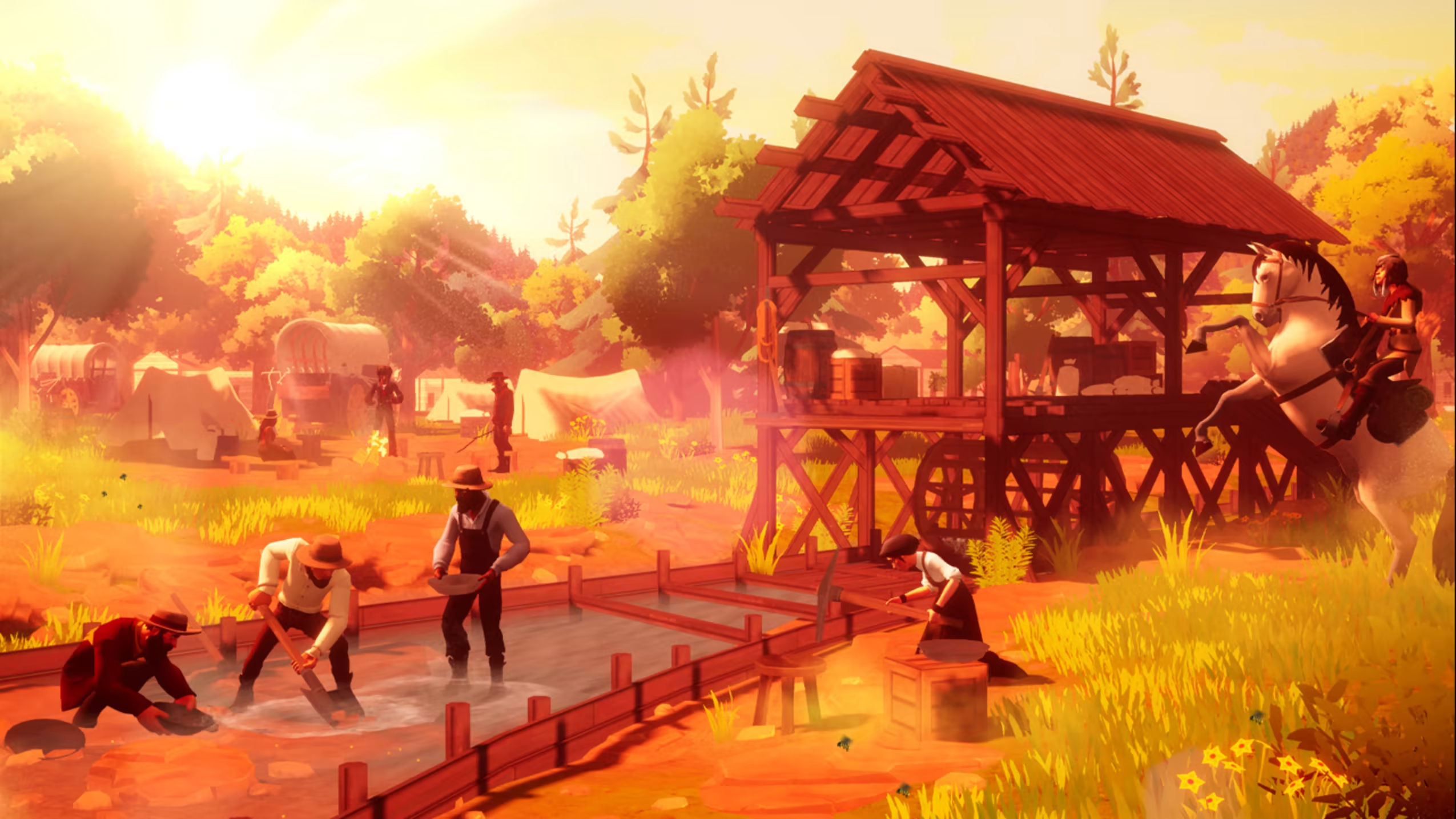
Character interactions and community encounters add another layer to the westward journey. Some meetings can create opportunities to trade goods or seek assistance, while others enrich the sense that the trail is populated by people facing their own circumstances. These encounters help the trip feel like a developing narrative rather than a purely mechanical march toward a destination.
The result is a story about pioneering hardship as much as pioneering spirit. Reaching the Willamette Valley is the long-term aim, yet the memorable moments can be the smaller ones: deciding how to respond to a shortage, recovering from an illness, or choosing a cautious approach when conditions become dangerous.
Resource Management That Shapes Every Mile
The Oregon Trail resources are central to the expedition. Food, water, ammunition, medicine, and other supplies all demand attention, because scarcity can force difficult trade-offs. A party that looks well prepared at the beginning may become vulnerable after unexpected events or an extended period without replenishing essential goods.
This wagon survival strategy asks players to consider both immediate needs and future consequences. Carrying supplies is only part of the task; the party must also use them carefully. Health and morale can be affected by the conditions of travel, while a shortage of food water ammunition medicine can limit the options available during later challenges.
Travel pace is another meaningful choice. Moving faster may push the expedition onward, but conditions on the trail are not static. Slower or more cautious decisions may be valuable when the party is strained, supplies are low, or a difficult obstacle lies ahead. The game’s management systems make each mile feel connected to the choices made before it.
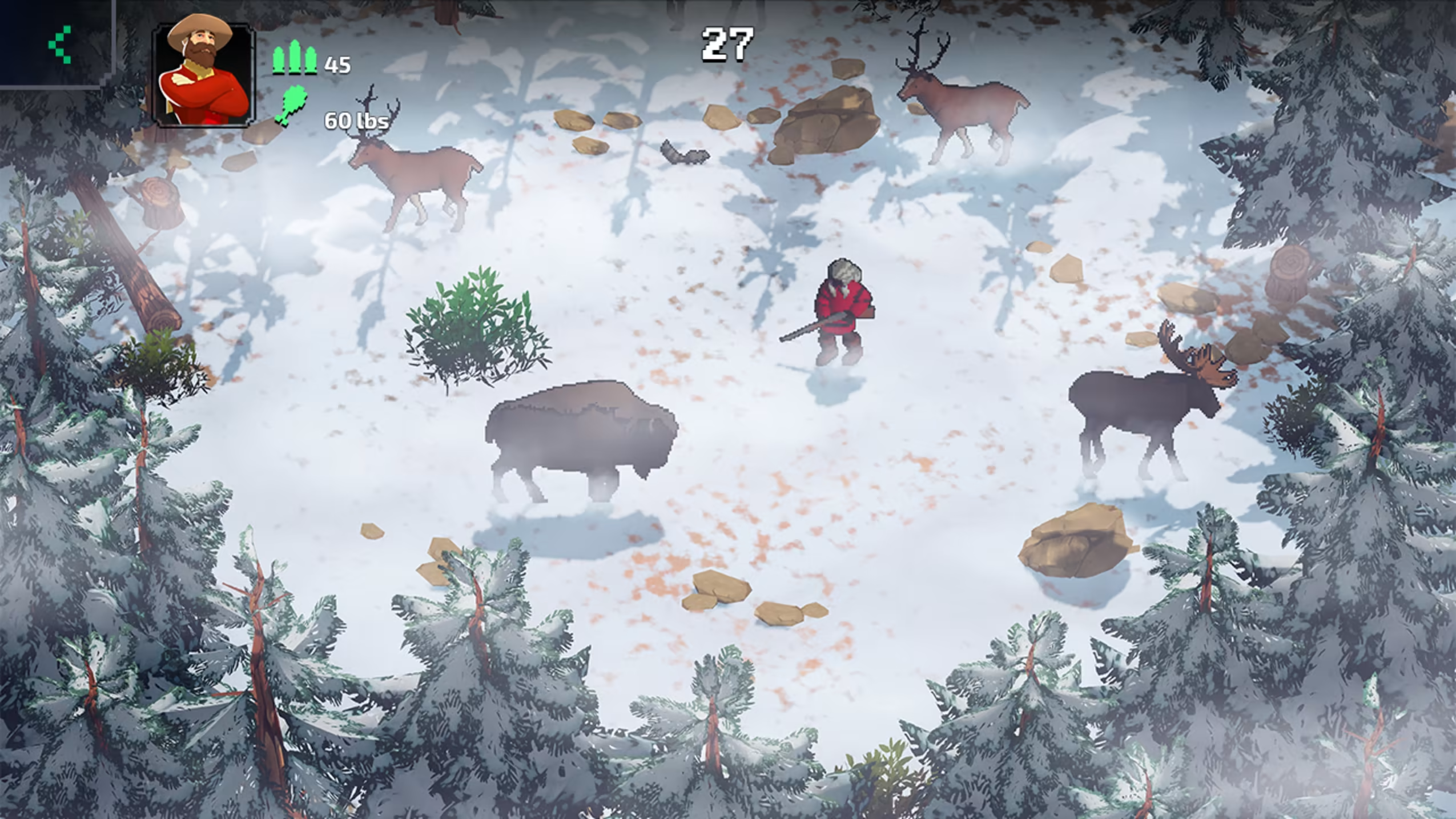
Hunting and fishing provide interactive ways to gather additional provisions. These mini-games add a skill-based element to resource collection, offering more than one way to address a dwindling food supply. Trading can also matter when the right opportunity appears, especially when a needed item is more valuable than what the wagon currently carries.
Why No Two Westward Journeys Feel the Same
The Oregon Trail replayability comes from dynamic events, changing conditions, decisions, and interactions that can alter the shape of each trek. A successful approach in one journey may not solve the next one, because weather, health concerns, river crossings, animal attacks, and resource demands do not arrive in an identical pattern every time.
These dynamic events encourage adaptability. A player may begin with a clear plan for supplies and travel speed, then need to revise it after illness, a difficult crossing, or an unexpected shortage. The strongest response is rarely a single fixed strategy; it is the ability to read the party’s condition and adjust.
Unique trail journeys also emerge from the people encountered along the way. Trading, assistance, and other character interactions can influence both the practical side of the trip and its narrative texture. Combined with different player choices, these moments create a journey that can feel personal even when the destination remains the same.
That variability gives failed attempts a useful role. An unsuccessful expedition can reveal where preparation fell short, which resources were neglected, or when a decision carried more risk than expected. The next journey can begin with that knowledge, without promising that the trail will be any less unpredictable.
7 Practical Priorities for a Stronger Trail Expedition
- Prepare with purpose. Consider the party’s likely needs before setting out, especially the supplies that support health, travel, and recovery from setbacks.
- Watch the wagon stores. Keep food, water, ammunition, medicine, and other provisions in view, since a small shortage can become a major problem later.
- Choose pace carefully. Travel speed affects progress, but a cautious decision may be wiser when the family is struggling or conditions are uncertain.
- Adapt to the trail. Weather, illness, rivers, and other dynamic events can change the situation quickly, so revise plans instead of relying on one routine.
- Use hunting and fishing. These activities can provide additional provisions and help relieve pressure on food supplies.
- Value trading chances. Encounters with characters and communities may offer goods or assistance that better fit the expedition’s current needs.
- Learn from setbacks. A difficult or unsuccessful journey can show which choices, supplies, or responses need to change on the next attempt.
Switch Release Details and Supported Languages
The Oregon Trail Switch NSP is associated with a USA release date of November 14, 2022. It is published by Gameloft and classified in the Education genre. Its mix of historically inspired travel, decision-making, and supply management makes it suitable for players interested in a frontier journey where planning and observation matter as much as forward momentum.
- Title ID: 0100B080184BC000
- Release date: November 14, 2022
- Publisher: Gameloft
- Genre: Education
- Region: USA
- Supported languages: English, German, Spanish, French, Italian, Japanese, Korean, Dutch, Portuguese, Russian, and Chinese
- Firmware: 14.1.2
- File size: 962 MB
Recommended Similar Games
 Dexter Stardust: Adventures in Outer Space SWITCH NSPView Game
 The Smurfs: Learn and Play Switch NSPView Game
 Big Brain Academy™: Brain vs. Brain Switch NSPView Game
 Yonder: The Cloud Catcher Chronicles Switch NSP XCIView Game
 Game Builder Garage Switch NSPView Game
 Racing Car Chaos: Extreme Stunt Showdown Switch NSPView Game
