Roman City Tycoon Switch NSP
Report Link Error
Select the broken download file, then submit the report.
Screenshots
About Game
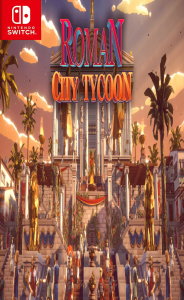
Roman City Tycoon Switch NSP places the player in the role of a Roman governor charged with turning unsettled land into productive, populous cities. Its premise is rooted in the expansion of the Roman Empire: each settlement is another opportunity to extend influence, meet imperial demands, and decide what kind of city will emerge from the wilderness.
Roman City Tycoon on Switch: A Roman Governor’s City-Building Premise
The central appeal is the responsibility attached to the governor’s role. New cities are not simply decorative projects; they are working settlements expected to support Rome’s broader ambitions. Imperial objectives can ask for practical achievements, from feeding a rising population to developing military strength or completing impressive construction.
That context gives city-building decisions a clear purpose. A settlement might develop as a commercial center, a defensive base, or a culturally important city marked by public buildings and monumental projects. The game’s historically inspired Roman setting frames these choices without reducing them to a single route to success. The future of each city is shaped by planning, resources, and the ability to respond when conditions become difficult.
The premise also suits a strategy game built around gradual responsibility. Early choices affect later expansion, while the Emperor’s demands provide goals beyond simple population growth. Prosperity, influence, and stability must work together if a governor’s settlement is to become a meaningful part of the Empire.
From Wilderness to Metropolis: Establishing New Roman Settlements
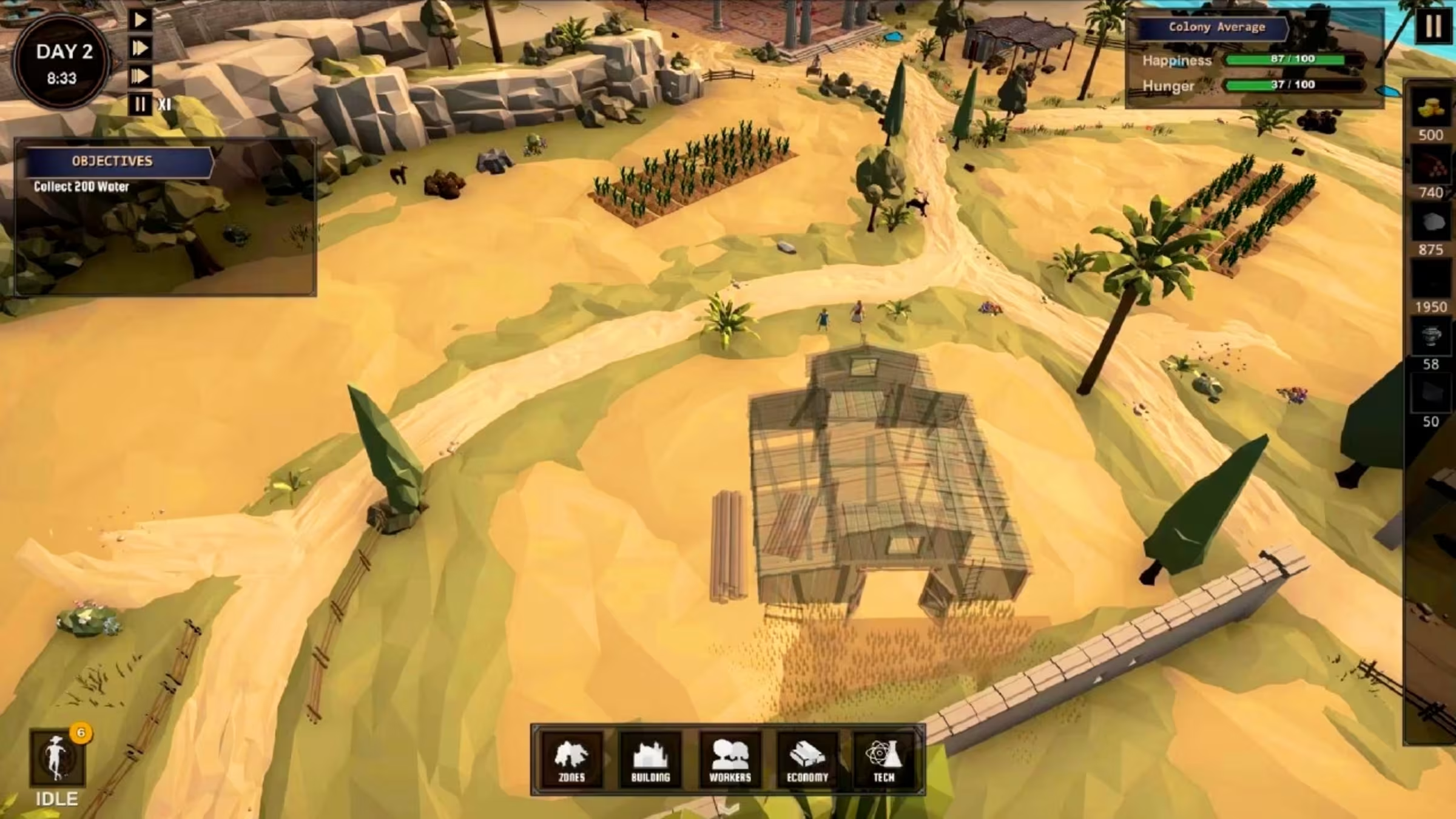
Roman City Tycoon begins on a small plot of land, where the first task is to establish the foundations of a settlement. From there, growth depends on attracting citizens, providing necessities, and creating the services that allow a modest outpost to become a busy city.
Expansion is not presented as a uniform process. New locations bring different geographical and economic challenges, asking players to consider the landscape before committing to a plan. A strong layout in one area may not be as useful in another, especially when production, infrastructure, and access to basic resources all need attention.
This progression gives the city-building loop a sense of scale. Humble housing and early production are only the beginning; as the population grows, so do expectations. Larger public structures, more complex industry, and landmark-style construction become part of the picture. The move from wilderness to metropolis is therefore both visual and strategic, built through a sequence of connected decisions rather than a single expansion push.
Food, Water, and Materials: Managing the Core Resource Economy
Roman City Tycoon Switch NSP makes resource management central to the health of a settlement. Food, water, and raw materials are vital to sustaining citizens and supporting development. A city that expands faster than its supplies can support risks undermining the prosperity it is trying to create.
Farms provide food, mines supply raw materials, and workshops turn production into manufactured goods. These systems require balance: citizens need essentials, but they also need work, while the city needs enough output to maintain its economy and pursue growth. Production cannot be treated in isolation from demand.
Trade, taxation, and valuable goods add further economic considerations. A governor must look beyond immediate shortages and think about how the city can build a dependable base for future construction. Water management is equally important, since a growing population places greater pressure on essential services. The result is a Roman city economy where careful provisioning matters as much as ambitious building.
Building a Functional Roman City: Roads, Housing, and Public Structures
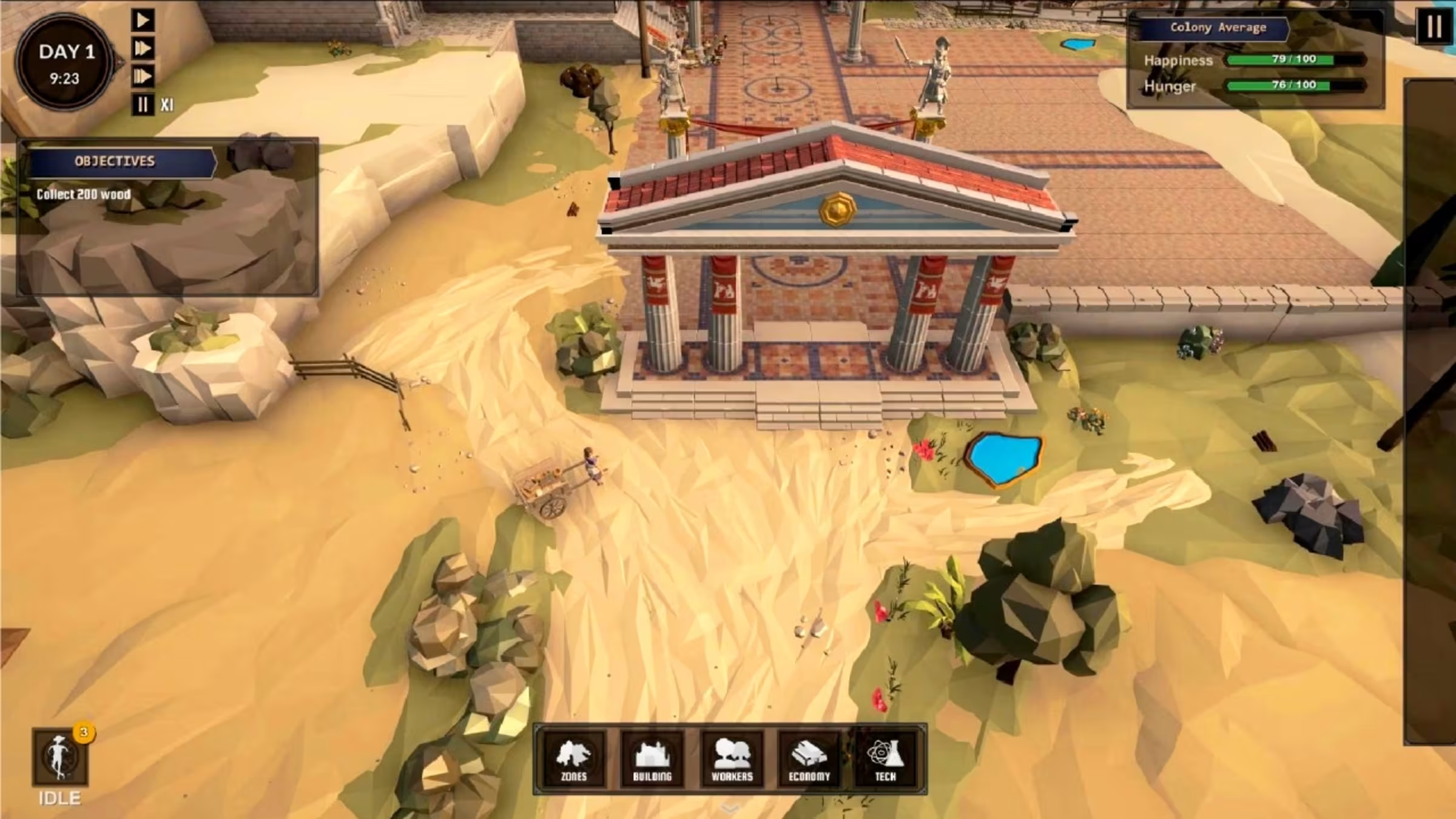
A flourishing settlement needs more than resources. Roads and infrastructure help organize city operations, linking housing, workplaces, and public areas into a functional whole. Planning these networks is a practical concern, but it also supports the impression of a city becoming more established over time.
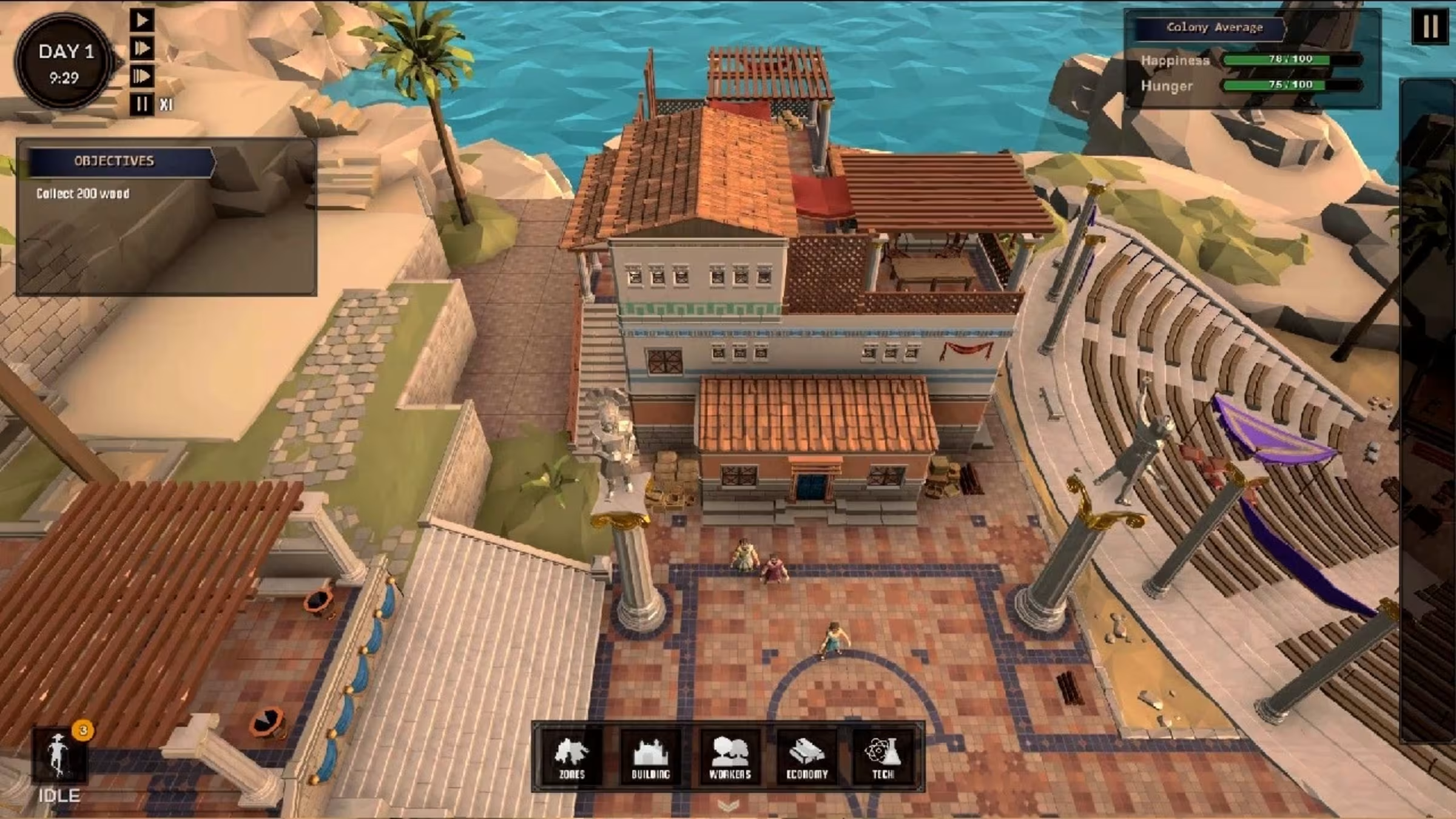
Housing accommodates the citizens needed to drive expansion, while temples, forums, and entertainment venues contribute to morale and cultural prestige. These buildings give the city a distinctly Roman character and remind the player that public life matters alongside production. A settlement full of workshops but lacking services and civic spaces may struggle to keep its population satisfied.
The available construction ranges from humble dwellings to grand coliseums and other major structures. Advanced building options can be opened through research, adding a progression layer to planning. New technologies and building types allow a city to move beyond its first necessities and pursue more ambitious forms of development.
Responding to Fires, Crime, Disasters, and Unrest
Prosperity is never entirely secure. Fires, crime, and natural disasters can disrupt a city’s rhythm, while internal unrest creates pressure from within. These threats make preparation important, but they also demand quick responses when plans are interrupted.
Such problems reinforce the value of balanced development. Employment, essential services, entertainment, and steady supplies all relate to citizen happiness, while infrastructure and defense support the wider safety of the settlement. External threats must also be considered, particularly when a city is expected to protect its people and contribute to Rome’s strength.
The challenge is not merely to recover from a crisis. Effective governance means protecting the conditions that made growth possible in the first place: reliable resources, workable city organization, and a population with reasons to remain content. That pressure adds strategic tension to the quieter work of construction and economic management.
Six Priorities for a Prosperous Roman City
- Feed the population. Establish farms early and keep food production aligned with citizen demand as the settlement grows.
- Protect the water supply. Treat water as a core service rather than an afterthought, especially when expanding housing and public facilities.
- Connect the city. Plan roads and infrastructure that support efficient operations between homes, production sites, and civic structures.
- Create useful work. Use mines and workshops to secure materials, manufacture goods, and provide employment for citizens.
- Maintain public morale. Add temples, forums, entertainment venues, and essential services so prosperity is shared by the population.
- Answer Rome’s demands. Balance local needs with imperial objectives, including trade, defense, advanced construction, and mission rewards.
Roman City Tycoon is suited to players who enjoy strategy shaped by connected systems rather than isolated building. Its Roman setting, varied settlement challenges, research progression, and imperial objectives offer reasons to revisit the work of founding cities across different landscapes. Success comes from more than constructing impressive landmarks; it depends on creating a stable place where production, public life, security, and expansion can endure.
Recommended Similar Games
 Borderlands: Game of the Year Edition Switch NSP XCIView Game
 Mega Man Zero/ZX Legacy Collection Switch NSPView Game
 SD Gundam G Generation Cross Rays Platinum Edition Switch NSP XCIView Game
 Mega Man X Legacy Collection 2 Switch NSPView Game
 Bright Memory: Infinite Gold Edition Switch NSPView Game
 Knight vs Giant: The Broken Excalibur Switch NSPView Game
