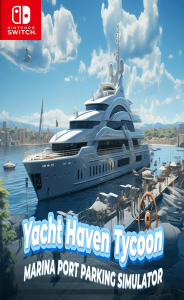
Yacht Haven Tycoon: Marina Port Parking Simulator Switch NSP
Report Link Error
Select the broken download file, then submit the report.


Screenshots
About Game
Yacht Haven Tycoon: Marina Port Parking Simulator Switch NSP places players in charge of a small coastal site with an ambitious destination: turning it into a respected, efficient marina for yacht owners and visitors. Its premise combines construction planning, service management, traffic control, and careful boat handling, making the port’s growth feel tied to a steady chain of practical decisions rather than a traditional character-led story.
From Modest Dock to Prestigious Yacht Haven
The progression in Yacht Haven Tycoon begins with limited waterfront space and develops through expansion, upgrades, and better services. The goal is not simply to fill the shoreline with structures. Players are asked to build a marina that can welcome increasingly notable yachts while remaining functional for the people working and visiting there.
That gives marina development a useful sense of direction. A small local port can become a larger, more luxurious destination as new docks, services, and visitor facilities are added. Reputation and profitability are connected to the decisions made along the way, so growth depends on more than visual expansion. A marina that lacks essential services or has poorly arranged routes may struggle to deliver the smooth experience expected by its clients.
The game does not present a conventional linear storyline with named characters driving events. Instead, its narrative comes from the manager’s progress: creating a personal waterfront operation, responding to the changing needs of yacht traffic, and shaping a coastal location into a high-status yacht haven. That approach suits the management format, as each new section of the marina becomes part of the player’s own development story.
Designing a Marina That Works Efficiently
Marina design is the foundation of daily operations. Players decide where to place docks, fuel stations, repair shops, and other facilities, with each location influencing how effectively the port can operate. The available space must serve arriving yachts, staff activity, customer services, and facilities intended to attract visitors.
Dock placement is especially important because berths are where yachts are received and parked. A clear arrangement can support smoother movement through the harbor, while services positioned with purpose can help keep the marina practical rather than merely decorative. Fuel stations and repair shops are part of the operational network, giving the port useful services beyond a simple place to moor.
The planning side also supports a measured pace. Rather than treating every new structure as an automatic improvement, the game encourages players to consider what the marina needs next. Expanding dock capacity may be useful, but service upgrades, staff management, or visitor facilities can be equally relevant. This makes the port management simulator side feel connected to the layout itself.
Managing Yacht Arrivals, Berths, and Port Traffic
Once yachts begin arriving, the focus shifts from construction to marina logistics. Incoming and outgoing vessels need to be directed, assigned to berths, and moved through the harbor without creating unnecessary disruption. The operation is therefore active even after the main facilities have been built.
Berth assignment gives players a direct role in matching yachts with suitable space. A busy marina must handle vessels of different sizes while keeping navigation manageable around docks and other structures. Swift service matters, but so does keeping the wider port organized. The challenge is to make the marina feel prepared for demand instead of reacting too late when traffic builds.
Unexpected events and economic factors add further pressure to management. Players can set service prices and invest in profitable ventures, while also reacting to challenges that affect the operation. These systems give the marina a changing workload and help preserve replay value: a new layout, a different investment choice, or a revised service plan can lead to a different rhythm for the same waterfront site.
The Parking Simulator Element and Precision Challenges
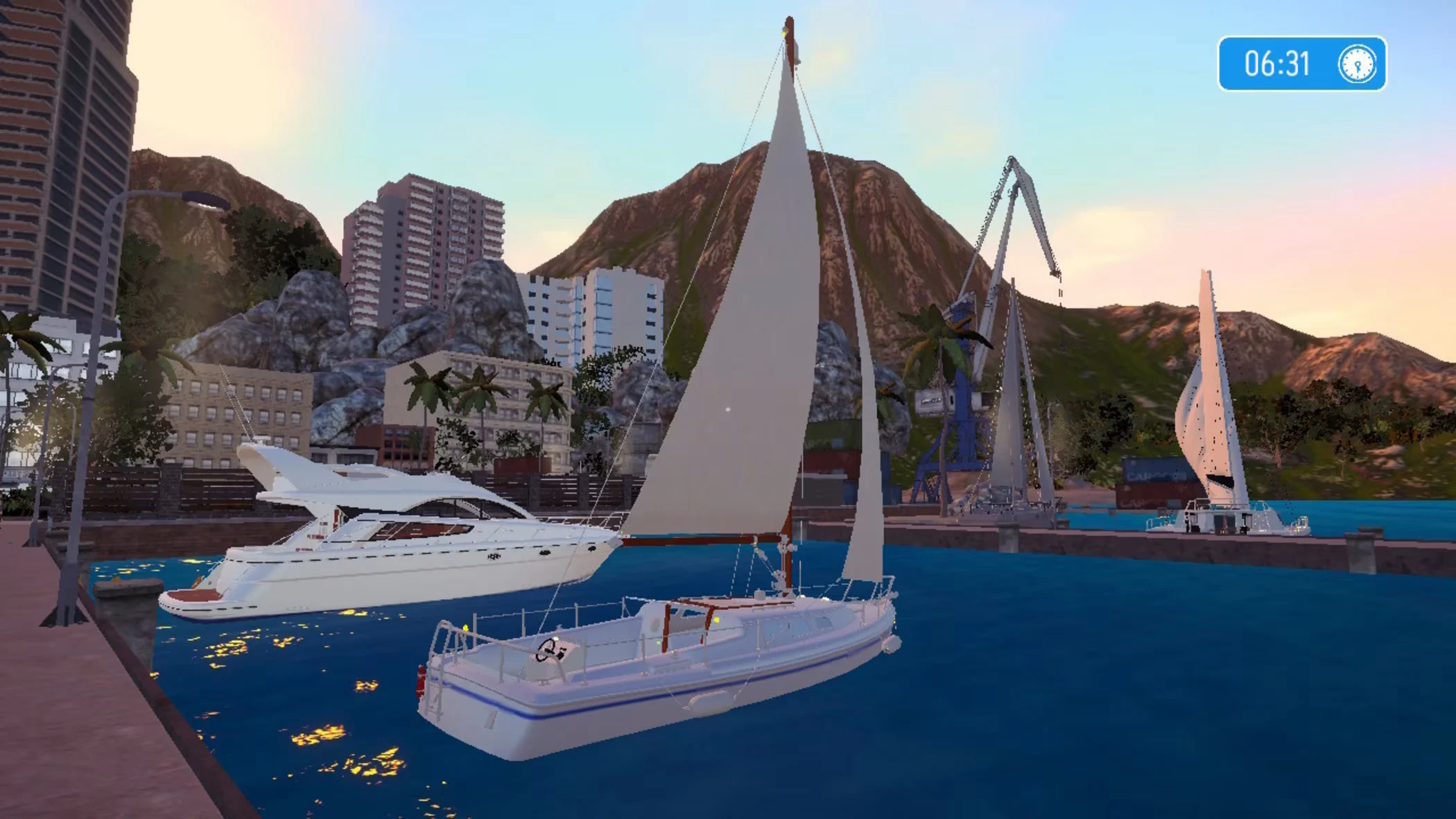
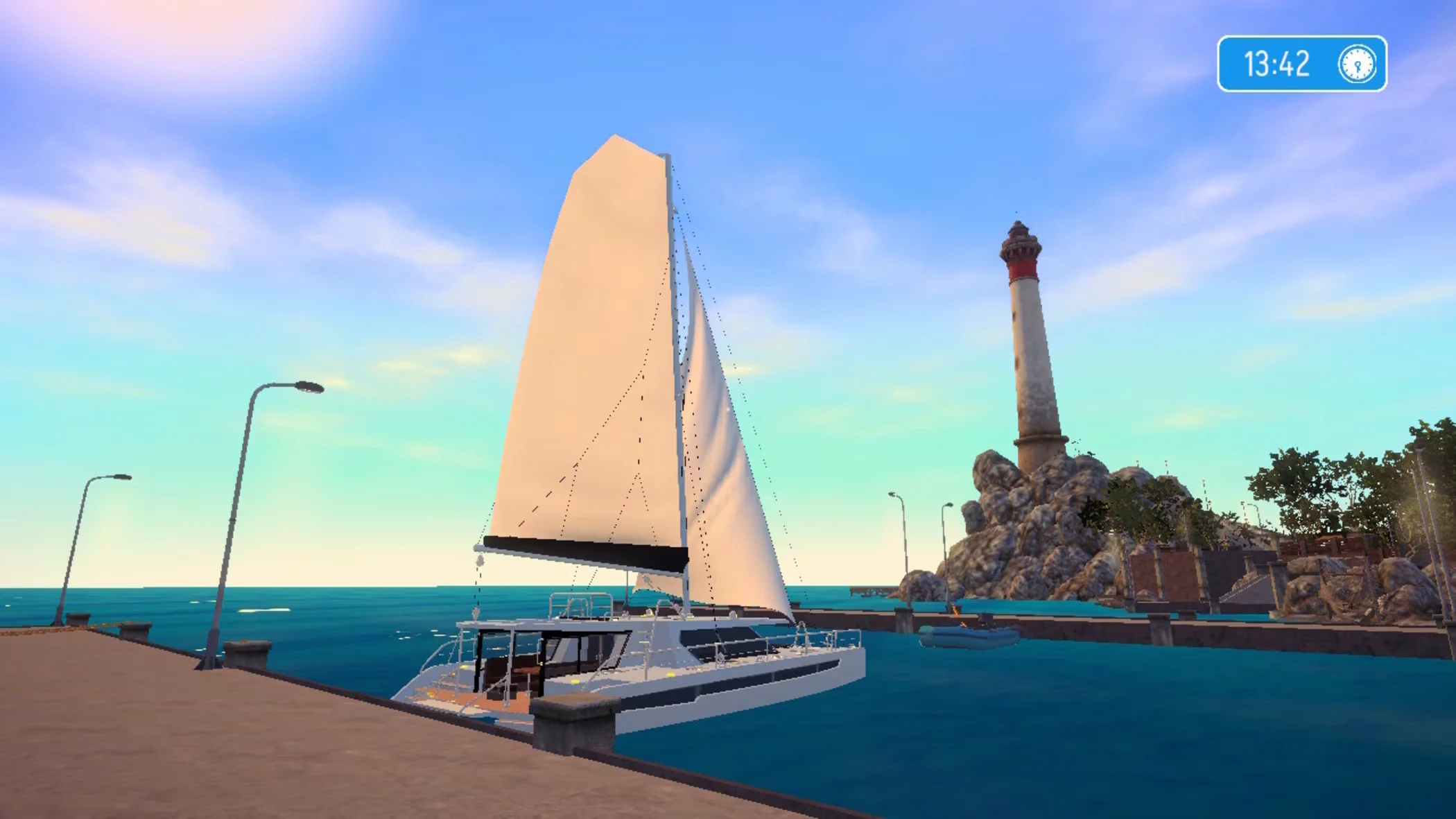
The parking simulator element brings a more hands-on task into a game otherwise centered on management. Yacht maneuvering requires careful placement within the harbor, asking players to handle vessels precisely as they approach their designated locations. It is a practical complement to the broader strategy of building and operating the marina.
Different yacht sizes make precision parking more demanding. A berth that appears convenient on a planning screen still needs to work when a yacht is being guided into position. Spatial awareness becomes important around docks and harbor routes, especially when the marina has expanded into a busier operation.
This element helps separate the game from a purely menu-driven tycoon experience. Players are not only choosing where facilities should go; they are also involved when yachts arrive and need to be handled carefully. The result is a blend of planning and execution, with the satisfaction of a well-organized port supported by precise boat maneuvering.
Building Visitor Appeal with Luxury Amenities
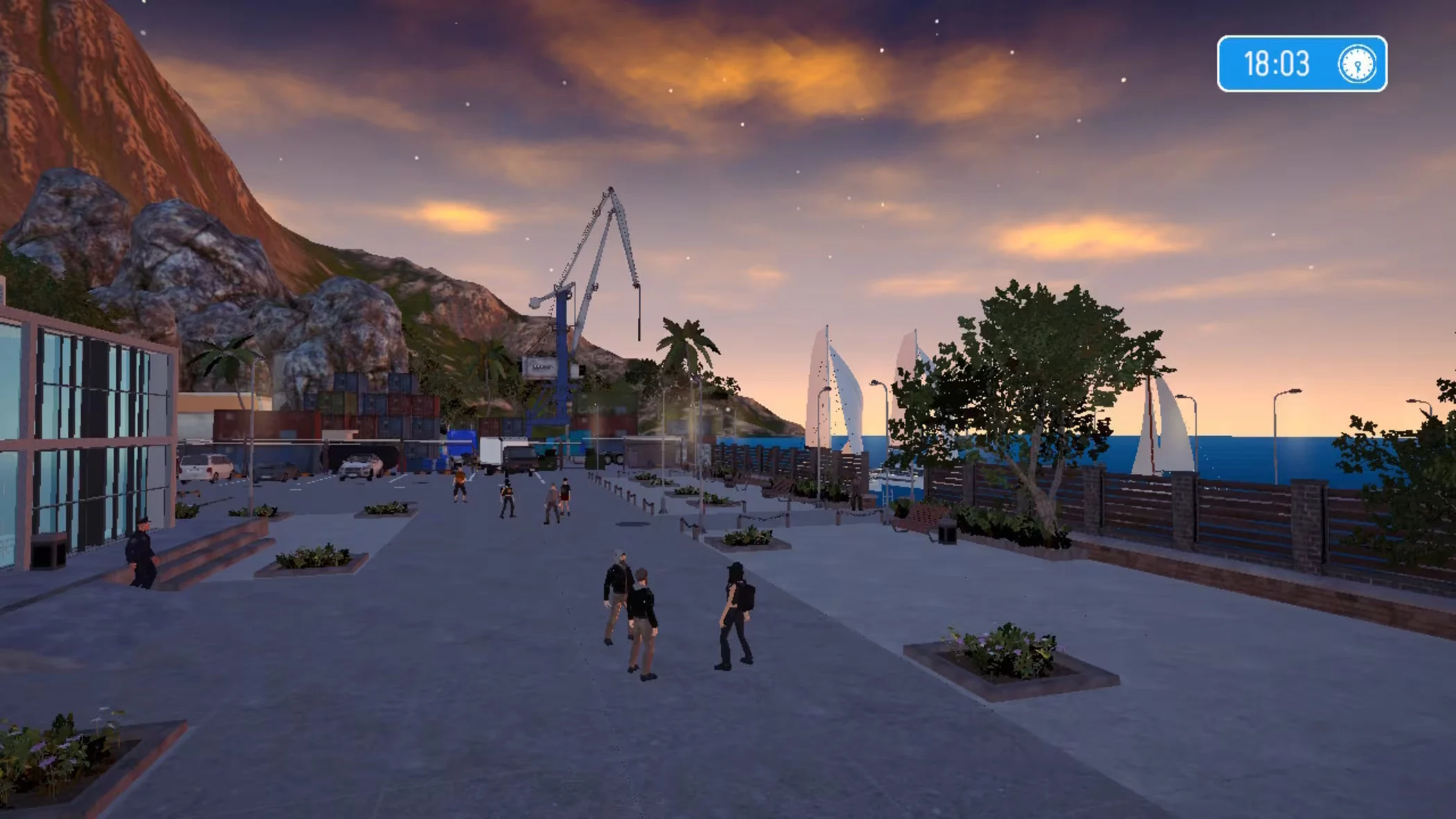
A successful marina is designed for more than its berths. Cafes, shops, and luxury resorts can be placed to improve visitor attraction and reinforce the destination’s upscale identity. These amenities help the site feel like a place where yacht owners and guests can spend time, not simply a dockside service area.
The luxury side of the marina fits naturally with its larger progression. As the port develops from a modest coastal plot into a more prestigious hub, visitor-focused facilities can make that growth visible in the services available around the water. Their placement still matters, since the marina needs to remain accessible and efficient while adding these attractions.
Upgrading existing structures and unlocking new technologies also supports the sense of advancement. Better marina services can help maintain the standards expected of a larger operation, while staff—from dockhands to customer service representatives—must be hired and managed to keep those services running. The atmosphere is built through this mix of busy harbor work and aspirational waterfront development.
7 Priorities for Growing a Functional Yacht Marina
- Plan the waterfront first. Establish docks and routes that leave room for yacht movement, future expansion, and orderly berth access.
- Add essential services. Place fuel stations and repair shops where they can support the marina’s daily needs.
- Direct yacht traffic carefully. Guide incoming and outgoing vessels while assigning berths that suit the harbor layout.
- Expand visitor amenities. Use cafes, shops, and luxury resorts to make the marina more appealing to owners and guests.
- Upgrade with purpose. Improve existing structures and unlock technologies that enhance the marina’s available services.
- Manage the workforce. Hire and oversee staff needed for dock operations and customer service.
- Respond to pressure. Adjust to economic factors, service pricing, investments, and unexpected challenges as the port grows.
Yacht Haven Tycoon: Marina Port Parking Simulator Switch NSP is suited to players who enjoy building systems, arranging efficient spaces, and taking responsibility for the details that keep a simulated port moving. Released in the USA on May 03, 2024, it is listed as an Action and Adventure title from Gogame Console Publisher, with English, Japanese, Korean, and Chinese language support. Its appeal comes from the balance between long-term marina expansion and the immediate demands of yacht traffic, parking, staff, and services.