Don’t Starve: Nintendo Switch Edition NSP
Report Link Error
Select the broken download file, then submit the report.
Screenshots
About Game
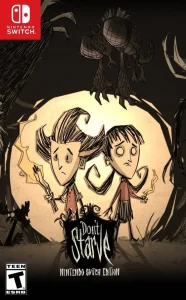
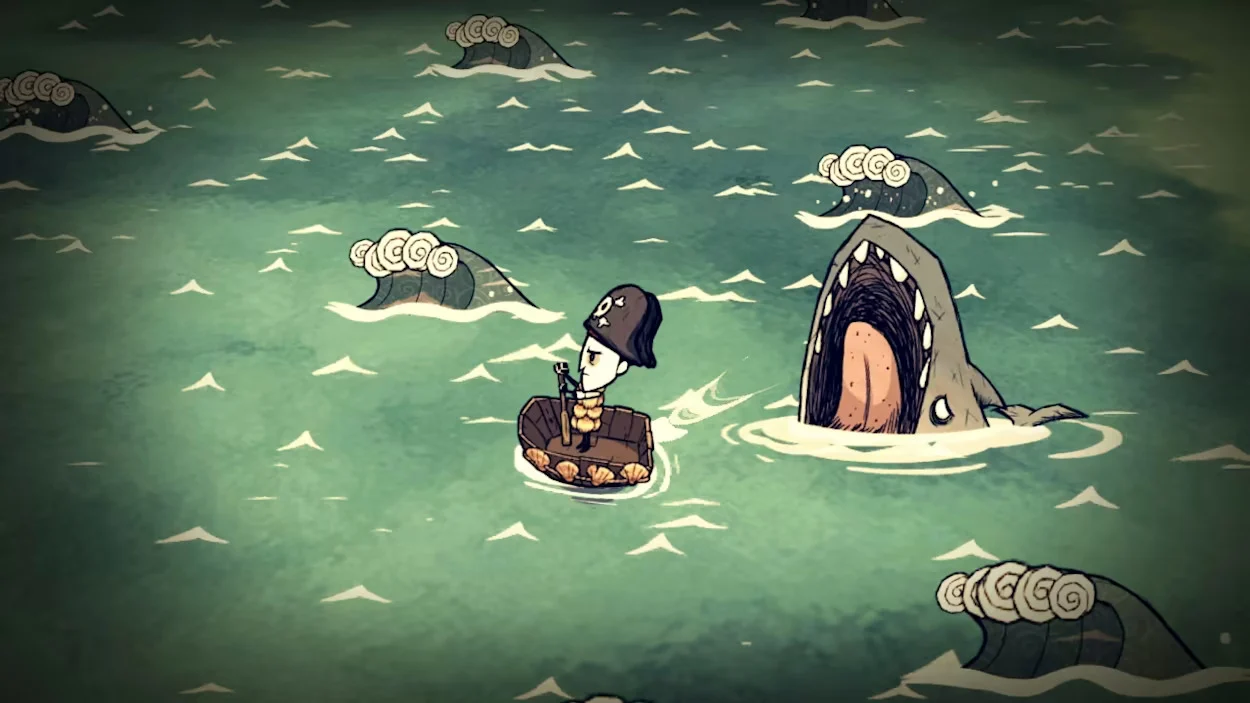
Don’t Starve: Nintendo Switch Edition NSP places survival ahead of comfort. Klei Entertainment’s adventure sends players into an eerie wilderness where food, light, useful materials, and a safe place to rest all have to be earned. Its tension comes from uncertainty: the next stretch of land may offer valuable resources, a dangerous creature, or another problem that demands a quick change of plan.
A Survival Adventure Built Around Uncertainty
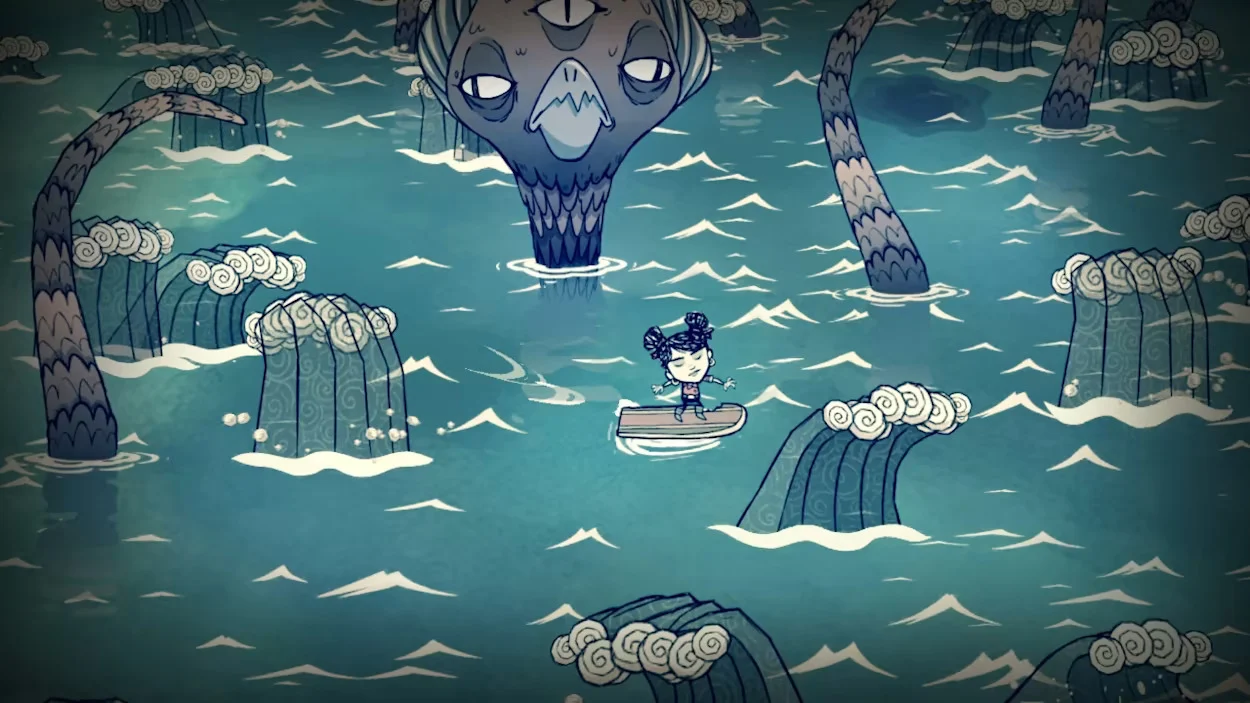
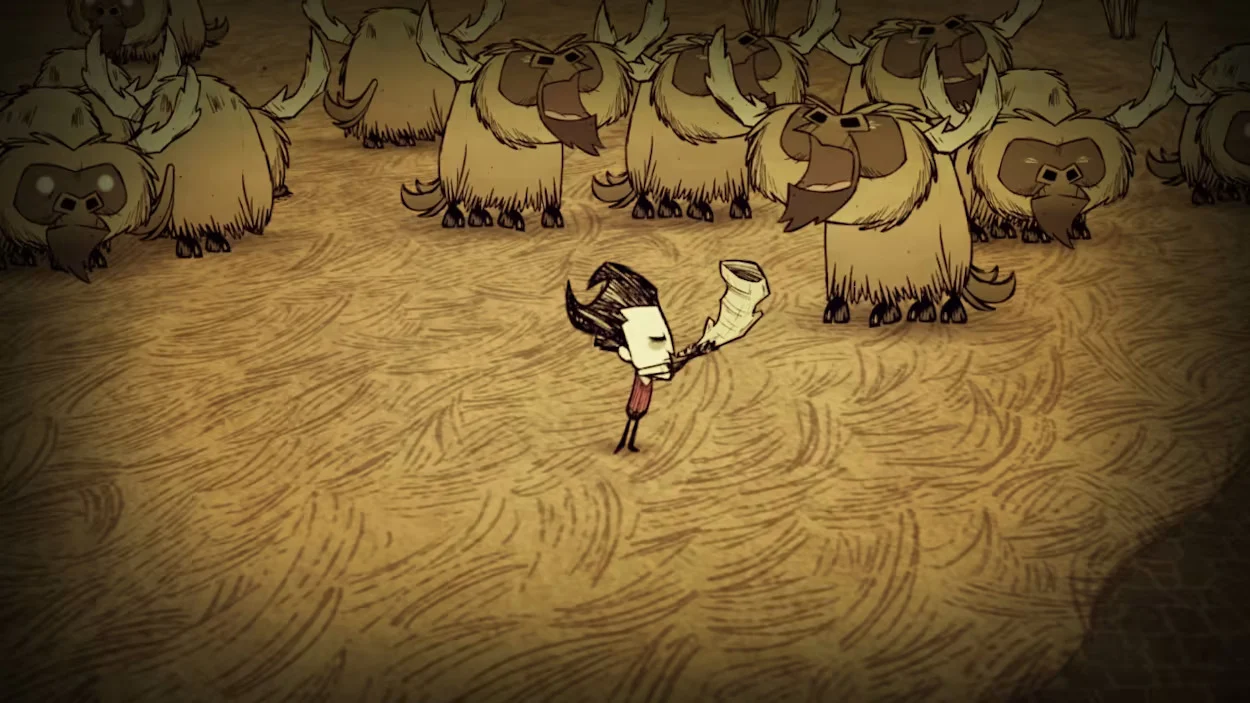
Don’t Starve Nintendo Switch Edition is structured around the difficult business of staying alive in a world that offers few guarantees. Players gather materials from trees, rocks, and plants, then turn those resources into tools, equipment, defenses, and structures. Hunger, health, and sanity all require attention, while seasonal changes add further pressure to everyday decisions.
The atmosphere is shaped by the wilderness itself. Darkness is not simply a visual detail; it is a threat that makes reliable light essential. A distant area can promise new materials, but travelling too far without preparation may leave Wilson exposed when night arrives. That balance gives even routine actions a purpose. Picking food, cutting wood, or mining stone can become part of a larger effort to remain prepared for the next day.
Klei Entertainment frames the experience as a survival adventure with room for experimentation. Players can forage, hunt, farm, cook, craft weapons and armor, and confront hostile creatures. The challenge is demanding, but its systems encourage observation. A failed attempt can still reveal what should be gathered earlier, which route is safer, or which item would have made a difficult encounter more manageable.
Wilson’s Strange Journey Into the Wilderness
The Don’t Starve story begins with Wilson, a gentleman scientist whose curiosity and scientific ability are put to harsh use. He is deceived by Maxwell and pulled into a dark alternate world, an untamed place where survival becomes his immediate concern. Wilson must find food, make tools, build shelter, and search for a possible route home.
This is not presented as a conventional linear journey with a single fixed sequence of story events. Instead, its lore is tied to discovery. Exploration can reveal more about Maxwell, Shadow Creatures, and the strange land that holds Wilson captive. That approach suits a game built around repeated survival runs: the world’s mysteries sit alongside practical needs, rather than replacing them.
Wilson’s situation also gives the crafting system a natural role. His scientific skill is reflected in the need to invent and assemble useful equipment from what the wilderness provides. Progress is therefore both practical and personal. Better preparation helps him endure longer, while further exploration can bring him closer to understanding where he is and how he might escape.
How Procedurally Generated Worlds Shape Each Run
A procedurally generated world means that no two playthroughs unfold in exactly the same way. The changing layout of the wilderness gives exploration lasting importance, since familiar priorities must be applied to unfamiliar surroundings. Players still need food, materials, shelter, and protection, but the route to finding them can differ from one run to the next.
This variation supports replay value without removing the value of experience. Learning where to look for supplies, how to respond to dangerous territory, and when to turn back before darkness can improve future attempts. Each survival run asks players to assess what is immediately available and what will be needed later, especially as new biomes and seasonal challenges enter the picture.
Careful exploration is therefore more useful than aimless wandering. New regions may contain hidden resources and opportunities, but they can also introduce hostile creatures and unfamiliar risks. The game rewards players who plan a route, collect what they need, and remain aware of their hunger, sanity, health, and remaining daylight.
Building a Base That Supports Long-Term Survival
Exploration is central to the experience, yet a functional home area can make continued survival much more manageable. Don’t Starve base building is less about decoration than readiness. A base provides a dependable location for key structures and gives players a place to organize supplies before pushing farther into the wilderness.
Fire pits are particularly important because reliable light helps address the danger of darkness. Storage chests allow gathered resources to be kept in one place, reducing the risk of losing track of essential materials. Crafting stations support the creation of more tools, weapons, armor, and structures as needs develop.
A well-considered base also supports the game’s wider rhythm. Food can be prepared, equipment can be replaced, and supplies can be checked before a trip into a new biome. It is not a complete solution to the wilderness, but it creates a useful point of stability in a world designed to test planning and adaptation.
7 Early Survival Priorities for New Players
- Gather first. Collect wood, rocks, plants, and other available materials early so that basic crafting options are not delayed when they become urgent.
- Secure food. Forage, hunt, farm, or cook ingredients to keep hunger from becoming the immediate problem that ends a promising run.
- Craft useful tools. Tools make it possible to chop trees, mine rocks, and obtain the materials needed for later equipment and structures.
- Plan for light. Darkness is dangerous, so prepare a dependable source of light before nightfall rather than treating it as an afterthought.
- Explore with care. Search different biomes for resources and discoveries, but keep track of time, supplies, and the risks of travelling too far.
- Prepare defenses. Weapons, armor, and sensible defensive choices help when hostile creatures turn a resource trip into a fight.
- Establish a working base. Build around practical needs, using fire pits, storage chests, and crafting stations to support longer expeditions.
Nintendo Switch Edition Facts and Technical Overview
Don’t Starve: Nintendo Switch Edition NSP was released on April 14, 2022. It is listed in the Adventure genre, with Klei Entertainment serving as both publisher and developer. The edition is available for the Europe, USA, Asia, and Japan regions.
Its listed language options are English, German, Spanish, French, Italian, Japanese, Korean, Portuguese, Russian, and Chinese. The base version lists firmware v13.2.1, while the update lists firmware v17.0.1. The listed file size is 2.1GB, and the Title ID is 010090100E334000.
The game is suited to players who appreciate demanding survival systems, deliberate resource management, crafting, and exploration that changes from run to run. Its strange setting and ongoing pressure make it a better fit for those willing to learn through experimentation than for players seeking a relaxed, predictable adventure.