Witch’s Rhythm Puzzle Switch NSP

Report Link Error
Select the broken download file, then submit the report.


Screenshots
About Game
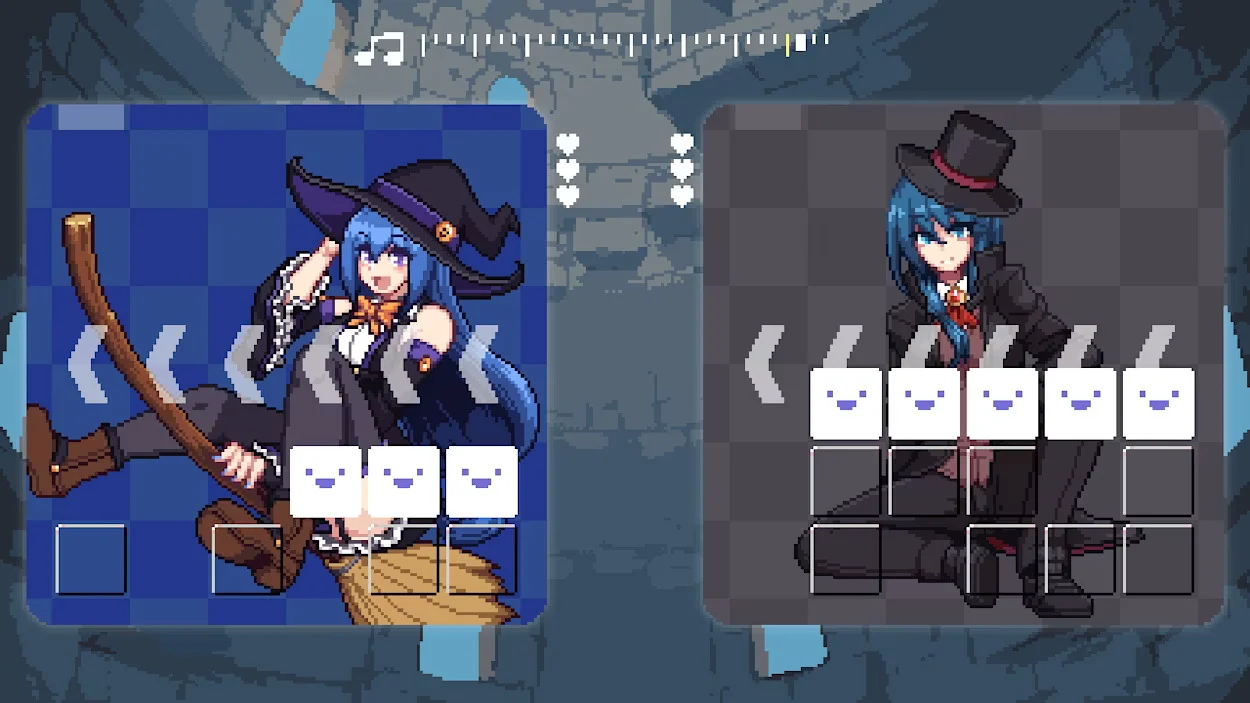
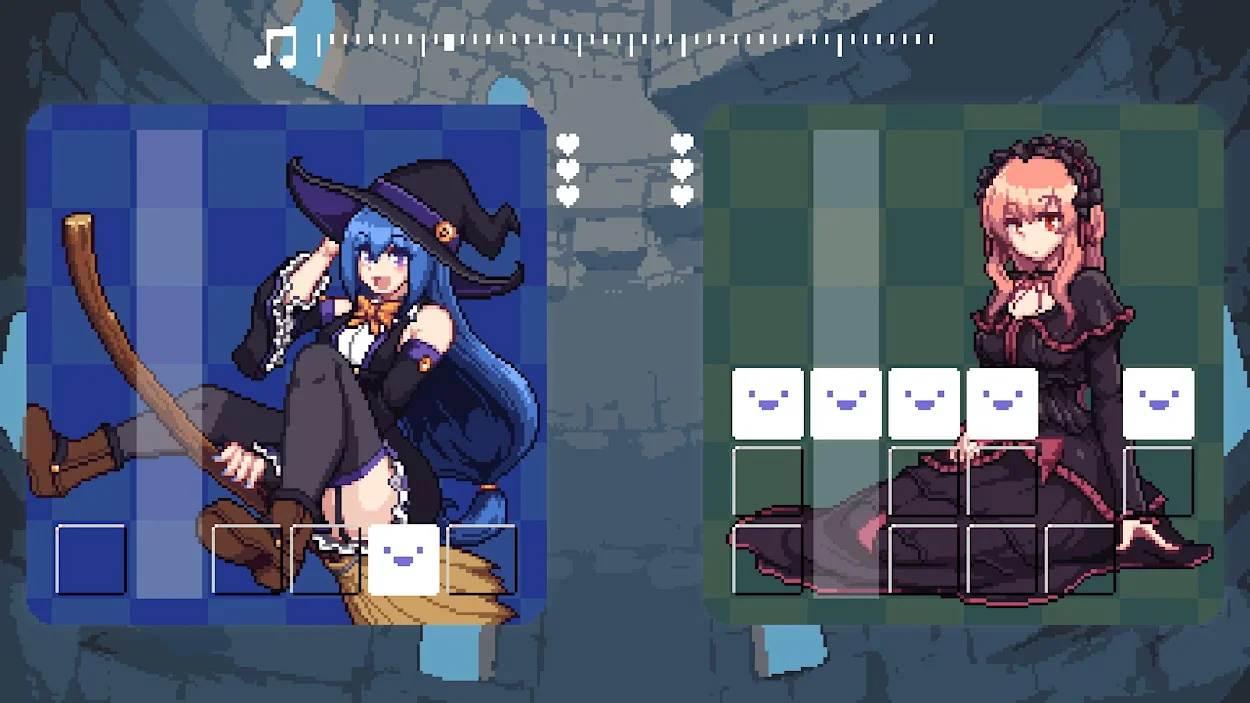
Witch’s Rhythm Puzzle Switch NSP is a Puzzle title from Sanuk that frames spellcasting as a test of both logic and musical timing. Set in a bright, mystical world, it follows Lily, a young witch whose peaceful village is thrown into danger when ancient magical artifacts disappear. The premise gives its rhythm-led challenges a clear purpose: restore the village’s magical balance by reading patterns, keeping time, and building spells from the right symbols.
Witch’s Rhythm Puzzle: A Magical Rhythm-Puzzle Premise
Witch’s Rhythm Puzzle blends the immediate appeal of a matching puzzle with the pressure of a music-driven challenge. Rather than treating the soundtrack as simple decoration, the game makes the beat part of the action. Players are asked to think through arrangements of magical symbols while responding in time to the track underneath them.
The setting supports that combination well. Lily’s journey moves through enchanted lands populated by whimsical creatures and quirky characters, with some encounters offering help and others creating fresh complications. Her missing-artifact quest is tied directly to the world’s weakened magic, so the central idea of restoring spells through rhythm fits the story’s stakes.
Sanuk presents the game as a colorful, hand-drawn magical adventure with a soundtrack designed to complement its enchanted visuals. That presentation helps give the puzzle action a warmer tone than a purely abstract board game. The result is a rhythm puzzle game built around small moments of recognition: seeing the right arrangement, hearing the approaching cue, and acting before the opportunity slips away.
How Rune Matching and Musical Timing Work Together
The main challenge comes from aligning magical runes and symbols to create spell sequences. These are not simply freeform puzzle moves. Actions are performed in sync with an underlying musical track, adding a rhythmic condition to every decision. A useful arrangement still needs to be executed at the appropriate moment.
That structure gives the puzzles two connected layers. First, players must identify how the available runes fit together and recognize the pattern needed to form a spell. Then they must deliver the input in time with the music. The puzzle-solving side asks for observation and planning; the rhythm side asks for a steady sense of pulse.
The spell sequences also make the magical theme more than a visual wrapper. Symbols become the language of Lily’s abilities, while the music establishes when that language can be used most effectively. It is a straightforward concept, but one that can create tension as a correct solution approaches and the next beat arrives.
Why Timing Matters in Each Puzzle Challenge
Timing affects spell power, making musical accuracy a meaningful part of each challenge rather than an optional flourish. Missing a beat can weaken a spell, so successful play depends on listening closely as well as seeing clearly. The player is not only solving the board but also responding to its pace.
This is where quick pattern recognition and rhythm begin to compete for attention. Looking too far ahead without tracking the music can lead to mistimed inputs. Focusing only on the beat can make it easier to overlook the best route through a configuration. Strong puzzle strategy comes from balancing those concerns: understand the pattern, prepare the move, and commit when the cue arrives.
The game’s musical cues offer a practical guide through that pressure. Players who learn the flow of a track can anticipate upcoming beats instead of reacting at the last second. That is especially important when the puzzle asks for several actions in sequence. A calm, deliberate approach is more useful than hurried input, because rhythm-based puzzles reward control as much as speed.
Progression Through New Rhythms, Puzzles, and Spells
Progression is built around varied levels with their own musical themes and puzzle twists. As Lily advances, stages introduce new puzzle configurations and faster rhythms, asking players to apply familiar skills under more demanding conditions. What begins as a matter of matching symbols can become a sharper test of how quickly a player can read a board while staying in time.
New unlockable spells and abilities add another sense of advancement. The source material also describes magical items and power-ups that can aid Lily on her quest. Together, these elements give the journey a reason to keep opening new stages: the player is not just meeting a higher tempo, but expanding the magical tools available for the challenges ahead.
The changing rhythms and configurations support replay value in a focused way. Stages can invite another attempt when a player wants cleaner timing, stronger spell execution, or a better grasp of a particular musical pattern. It is likely to suit players who enjoy puzzles that reward repeated attention to timing and structure, as well as those drawn to a gentler fantasy presentation with a more active beat-driven twist.
5 Rhythm-Puzzle Tips for Better Spell Accuracy
- Listen first. Treat the music as gameplay information. The musical cues indicate when actions should be made, not merely when the scene changes.
- Anticipate the pulse. Try to recognize the recurring beat before making a move. Acting with an expected cue is more reliable than chasing a beat after it has arrived.
- Read the symbols. Observe rune arrangements carefully and identify the pattern needed for the next spell sequence before committing to an input.
- Plan a route. Consider the order of actions when a puzzle configuration presents several possible matches. A clear plan leaves more attention available for beat timing.
- Do not rush. Faster rhythms create urgency, but hurried inputs can lead to missed beats and weaker spells. Keep a steady pace and let the track guide the execution.
Witch’s Rhythm Puzzle Switch Release and Technical Details
Witch’s Rhythm Puzzle Switch NSP was released in the USA region on February 16, 2024. It is classified as a Nintendo Switch puzzle game, with Sanuk listed as publisher. The Title ID is 0100A6801D3EE000.
Language support is listed as English, Japanese, Chinese, and Traditional Chinese. The game requires firmware version 16.1.0, and its listed file size is 252 MB. For players looking for a compact puzzle experience with magical imagery, musical cues, and escalating rhythm challenges, those details accompany a game whose central demand remains pleasingly direct: see the pattern, hear the beat, and make the spell count.