LEGO Marvel Super Heroes 2 Switch NSP XCI
Report Link Error
Select the broken download file, then submit the report.
Screenshots
About Game
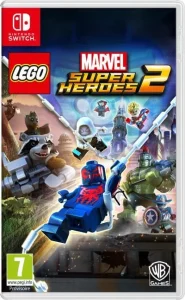
LEGO Marvel Super Heroes 2 Switch NSP XCI places Marvel’s heroes, villains, and far-flung settings inside a playful LEGO adventure built around time travel, exploration, combat, and cooperative problem-solving. Released on November 14, 2017, this Action title from TT Games and WB Games brings a large Marvel cast into a world where eras and locations have been pulled together by one powerful enemy.
The Story: Stopping Kang’s Plan to Control Reality
The LEGO Marvel Super Heroes 2 story begins with Kang the Conqueror, a time-traveling villain whose actions disrupt reality on a massive scale. Kang has taken cities and locations from across space and time and fused them into Chronopolis, a sprawling hub world made from conflicting pieces of Marvel history and imagination.
That premise gives the adventure room for unusual alliances. Heroes and villains from different eras and realities are drawn into the same conflict, joining forces to challenge Kang’s control over the fractured world. The goal is not simply to defeat another enemy in a single location; it is to push back against a plan that has reshaped the timeline itself and to restore the timeline.
The tone keeps the familiar LEGO balance of cosmic stakes and lighthearted humor. Witty dialogue and unexpected pairings help make the story approachable while its settings move between dramatically different periods. Ancient landscapes, futuristic spaces, and recognizable Marvel-inspired places all become part of Kang’s patchwork domain.
A Huge Roster of Marvel Heroes and Villains
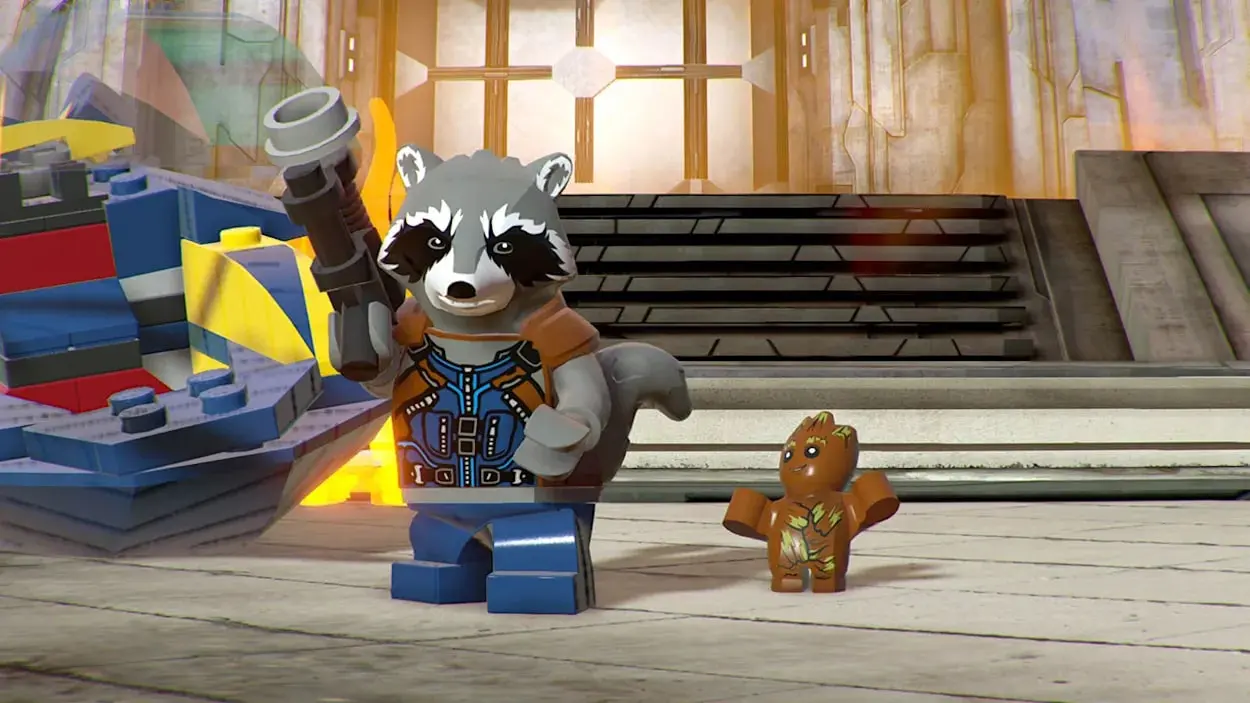
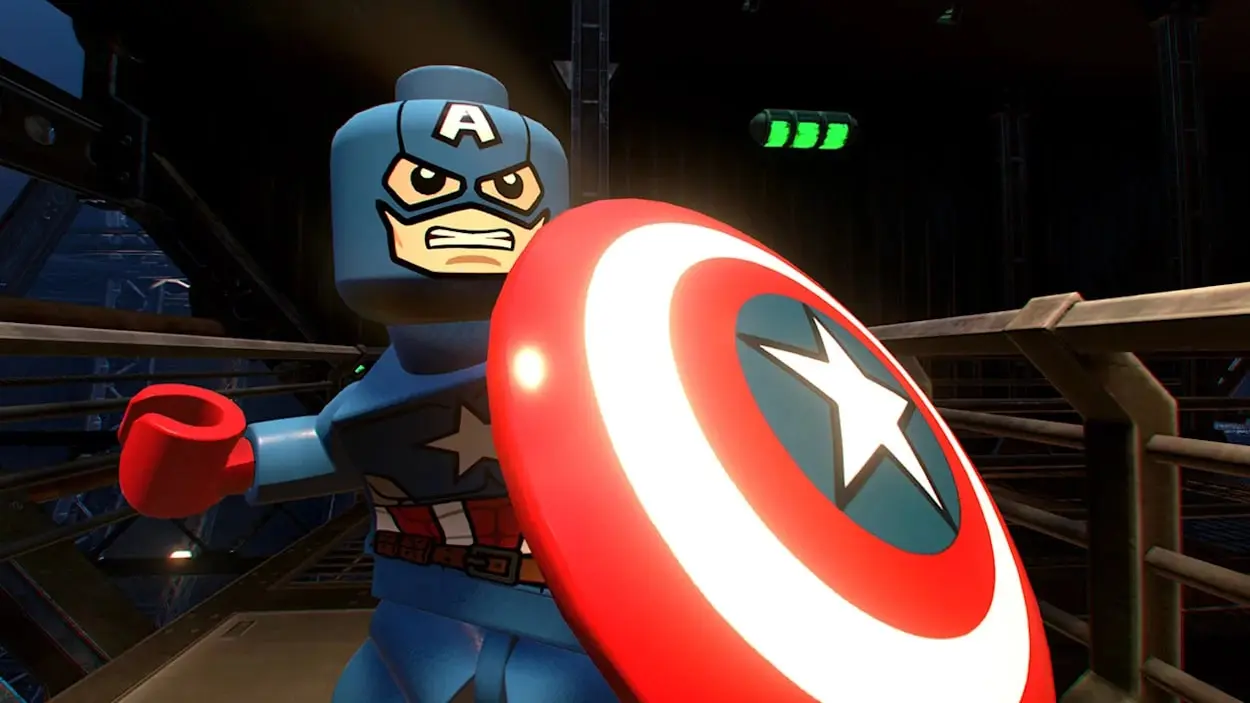
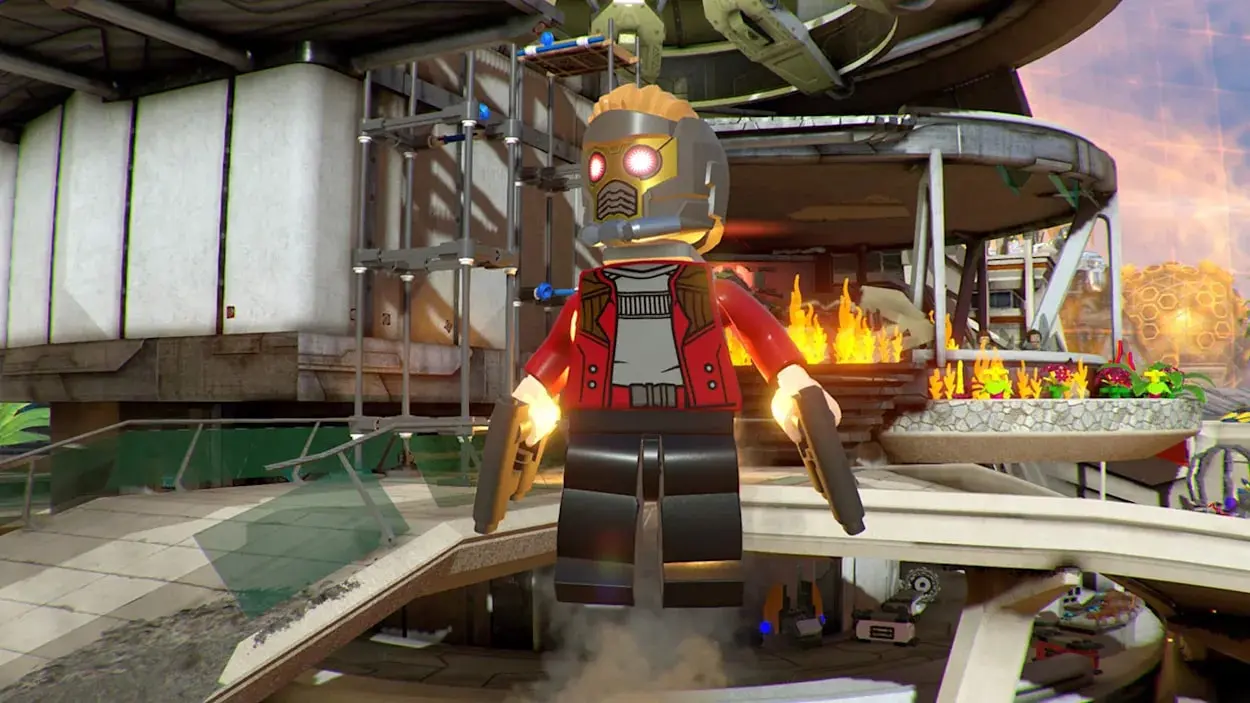
A major appeal is the scale of the playable cast. More than 200 Marvel characters are available across the adventure, covering Super Heroes and Super Villains with different powers, movement options, and practical uses. The roster is more than a collection of familiar faces: it is central to how players fight, explore, and uncover blocked paths.
Some characters bring airborne mobility, while others use mystic powers or other specialized skills. Iron Man can take to the skies, for example, while Doctor Strange provides a very different kind of approach through mystic arts. Those contrasts give the game a changing rhythm. A character suited to one obstacle may not be the answer to the next, encouraging players to consider the team rather than relying on a single favorite.
The range of Super Heroes and Super Villains also supports replay value. Returning to a level or area with different character abilities can reveal secrets that were not accessible during an earlier visit. The game also allows players to create a custom Super Hero using a range of customization options, adding another way to engage with its large Marvel playground.
Character Powers, Combat, and Tag-Team Action
The action follows the recognizable LEGO formula of smashing objects, collecting studs, defeating enemies, and rebuilding the world through interactive pieces. LEGO combat is direct and readable, but it gains variety from frequent character switching. Different abilities are useful both in battle and while moving through the environment.
Kang’s forces are confronted with a mix of individual powers and coordinated attacks. Dynamic encounters let players combine strengths through tag-team moves, turning the broad cast into a mechanical advantage rather than a purely visual one. Switching characters can change how a fight is approached, especially when a particular power is needed to damage an enemy or clear an obstruction.
- Smash for studs: Break LEGO objects around levels and the hub world to collect the game’s currency.
- Switch often: Use different character abilities when combat encounters or obstacles call for a new solution.
- Pair up attacks: Tag-team moves combine powers for stronger action against Kang’s forces.
- Search beyond the path: Hidden secrets and collectibles reward careful exploration of each area.
- Use the world: Vehicles including Quinjets and motorbikes offer ways to travel across different terrain.
That combination of combat and traversal keeps the action from becoming only a sequence of fights. A battle may lead into a construction challenge, a route may be blocked by a power-specific task, and a collectible can sit just outside the obvious line of travel. The result is a steady exchange between destruction, discovery, and character-based interaction.
Exploring Chronopolis and Its Diverse Environments
Chronopolis exploration provides the game with its central sense of place. Instead of one consistent city or era, the hub world is formed from locations merged by Kang’s interference. It is a setting designed around contrast, where different environments sit together because the timeline has been disrupted.
The journey reaches from ancient Egypt to the futuristic world of Marvel 2099. These shifts give each area its own visual identity and its own set of challenges. The world can move from historic ruins to science-fiction spaces without abandoning the larger story, because every destination is part of Kang’s altered reality.
Exploration matters beyond scenery. Chronopolis and its levels contain hidden secrets and collectibles, inviting players to look into corners rather than moving straight from objective to objective. The atmosphere remains colorful and energetic, shaped by LEGO charm even when the narrative is dealing with a villain who has pulled pieces of reality into his own domain.
Puzzle Solving Through Teamwork and LEGO Mechanics
The game’s LEGO puzzles are closely tied to the roster. Environmental obstacles often require a particular ability, and the solution can involve changing characters, combining powers, or interacting with LEGO elements in the surroundings. A blocked route is therefore an invitation to examine what the current team can do rather than simply a pause in the action.
These environmental puzzles give purpose to the game’s many character types. One hero may be able to reach a high point, while another can use a specialized power to affect the environment. The familiar LEGO mechanics of breaking and rebuilding objects fit naturally into this structure, creating a clear loop of observing, experimenting, and opening the next route.
Teamwork is important even in solo play because the adventure repeatedly asks players to think in terms of a group with varied skills. That structure also makes revisiting areas worthwhile. New or differently suited characters can expose previously unavailable secrets and offer fresh solutions to earlier challenges.
Local Co-op for Two-Player Marvel Adventures
LEGO Marvel Super Heroes 2 Switch NSP XCI supports local co-op, allowing two players to take on the adventure together. Two-player gameplay is a natural fit for a game built around switching characters, shared exploration, and puzzles that benefit from multiple abilities.
In co-op, one player can concentrate on combat while the other searches for collectibles or investigates a nearby puzzle. Partners can also split their attention across Chronopolis’s busy environments, then regroup when an obstacle needs combined character powers. The format suits friends or family members looking for a Marvel adventure with accessible brick-smashing action and room for cooperation.
For players in the USA region, the game is listed with English, French, Spanish, and Portuguese language support. Its broad cast, bright LEGO presentation, and local cooperative structure make it appropriate for players who enjoy Marvel characters, exploration-heavy action, and shared problem-solving rather than a purely combat-focused experience.