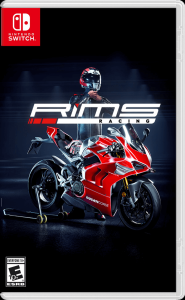
RiMS Racing Switch NSP
Report Link Error
Select the broken download file, then submit the report.


Screenshots
About Game
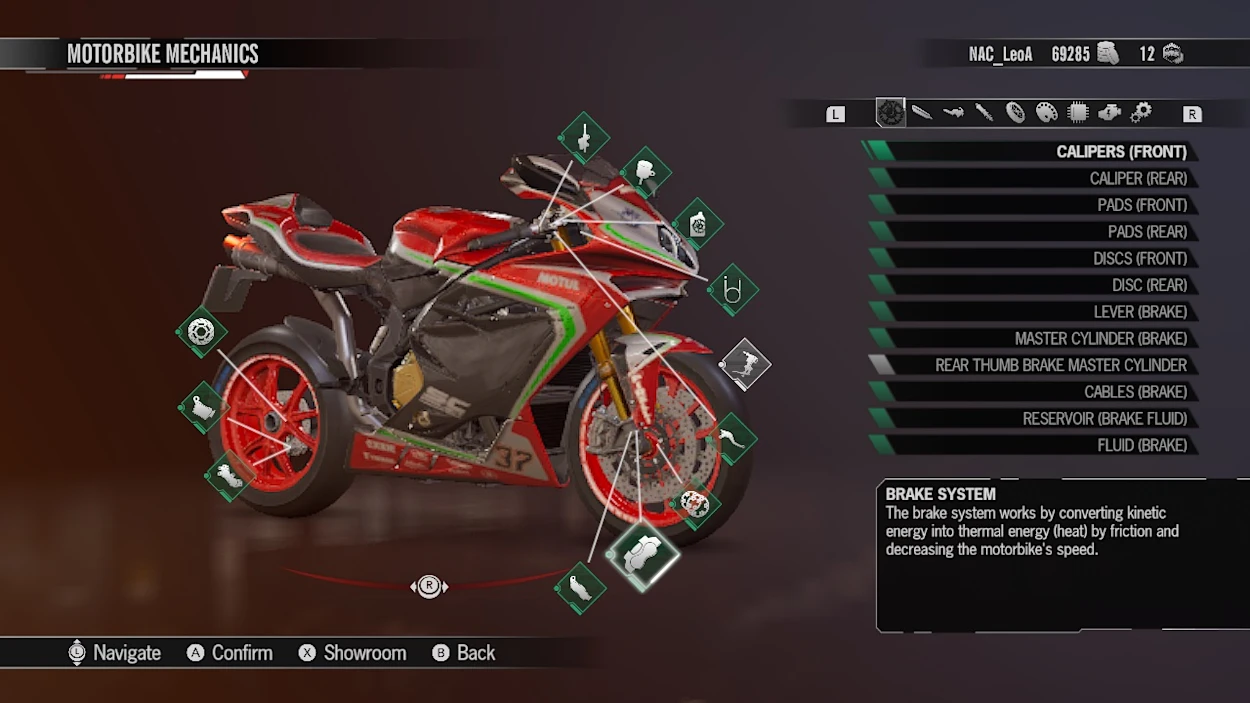
RiMS Racing Switch NSP presents motorcycle competition as more than a contest of late braking and clean racing lines. On Nintendo Switch, Raceward Studio’s simulation-minded racer connects track performance with the condition, setup, and component choices of each machine. The result is a demanding motorsport experience in which a fast lap depends on disciplined riding as much as sound mechanical judgment.
RiMS Racing on Nintendo Switch: A Motorcycle Simulation Overview
RiMS Racing approaches Nintendo Switch racing from the perspective of a rider who also needs to understand the motorcycle beneath them. The game’s focus is precision: how a bike responds under braking, how confidently it holds a line through a corner, and how its individual parts influence performance over a session.
That emphasis gives races a more technical atmosphere than a straightforward arcade event. Speed still matters, but it has to be managed. Players are asked to consider tire choice, braking behavior, temperatures, wear, and the wider condition of the motorcycle while pursuing competitive results. A mistake is not merely a missed corner; it can also be a sign that the bike, the setup, or the rider’s approach needs attention.
The presentation is built around the professional world of circuit racing, with recognizable motorcycles and recreated real-world venues framing the action. Custom rider gear and bike liveries add a personal note, while global leaderboards provide an extra reason to refine laps and revisit familiar circuits. For players looking for a motorcycle simulation rather than a casual race, the game’s blend of engineering and riding is its defining idea.
Career Progression: Building a Championship-Ready Rider, Team, and Bike
The career structure supplies RiMS Racing with its sense of direction. Rather than relying on a character-driven plot, it follows a rider’s effort to progress through international tracks and develop into a championship contender. Results matter, but so do the decisions made around the bike and team.
A successful campaign involves developing the rider, managing the machine, and making choices that support stronger performances over time. Component upgrades and tuning are part of that process, turning the motorcycle into something that can be shaped around a preferred approach to racing. The career mode also frames victories and setbacks as parts of a longer competitive journey rather than isolated events.
- Learn the circuit: Study braking zones, acceleration points, and racing lines before expecting consistent fast laps.
- Read the machine: Treat tire condition and temperature information as useful race data, not background decoration.
- Protect performance: A smooth riding style can help preserve grip and keep the motorcycle working effectively.
- Tune with purpose: Component and setup decisions should support the demands of the track and the rider’s strategy.
- Build gradually: Career progress rewards attention to both racecraft and the long-term development of the bike and team.
This progression also supports replay value. Different circuits, evolving bike decisions, and the pursuit of cleaner laps encourage players to return with a more informed understanding of how each motorcycle behaves. The game is not built around simply moving from one race to the next; it asks for improvement in preparation, execution, and mechanical awareness.
Reading Tire Wear, Temperatures, and Bike Condition in Real Time
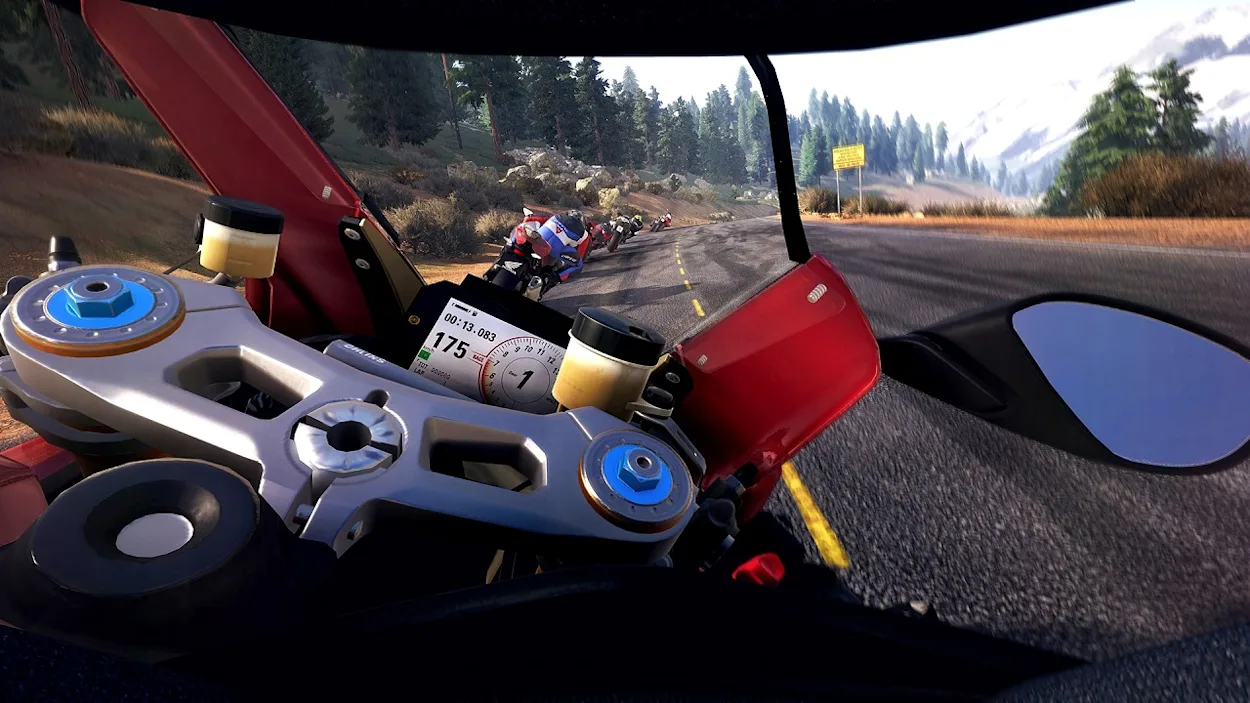
One of the game’s most important features is its real-time motorcycle status information. During a race, players can monitor details related to wear, temperatures, and the bike’s condition, then use that knowledge to adjust their riding or reconsider how hard to push. This makes endurance of performance as important as outright pace.
In RiMS Racing, tire wear is tied closely to strategy. A rider who repeatedly pushes beyond available grip may create problems that become more costly later in a race. Temperature information can similarly shape decision-making, encouraging a measured response instead of an automatic commitment to maximum aggression in every corner.
The system gives the on-track action a distinctive tension. There is an immediate task—brake, lean, accelerate, defend a line—but there is also a continuing question about what the motorcycle can sustain. The best approach is not necessarily to attack every section in identical fashion. It is to recognize the changing state of the bike and preserve the performance needed for the laps ahead.
That real-time analysis helps make the racing feel connected to the garage. Choices made before an event are tested under pressure, and information gathered on track can inform later setup decisions. RiMS Racing Switch NSP therefore treats the rider as both competitor and strategist, responsible for interpreting the machine as well as controlling it.
Physics, Lean Angles, and Weight Transfer on Switch
The riding model is centered on detailed motorcycle behavior, including tire grip, lean angle control, weight transfer, braking, and throttle use. These are not separate concerns. They combine in every approach to a corner, every change of direction, and every attempt to accelerate cleanly onto a straight.
Braking discipline is particularly important because it affects how the motorcycle settles before turn-in. Lean angles demand confidence, but they also require respect for available grip. A rider needs to manage the transition from braking to cornering and then apply throttle with care when exiting the turn. The game’s simulation focus makes those moments central to its challenge.
Weight transfer gives riding a physical logic. The bike responds to how it is loaded, how it is leaned, and how abruptly inputs are made. Players who take time to practice each circuit can develop the muscle memory needed for consistent braking markers and acceleration points. That learning process is likely to appeal most to players who enjoy mastering a demanding handling model rather than relying on instant, forgiving responses.
Official Motorcycles and Faithfully Recreated Racing Circuits
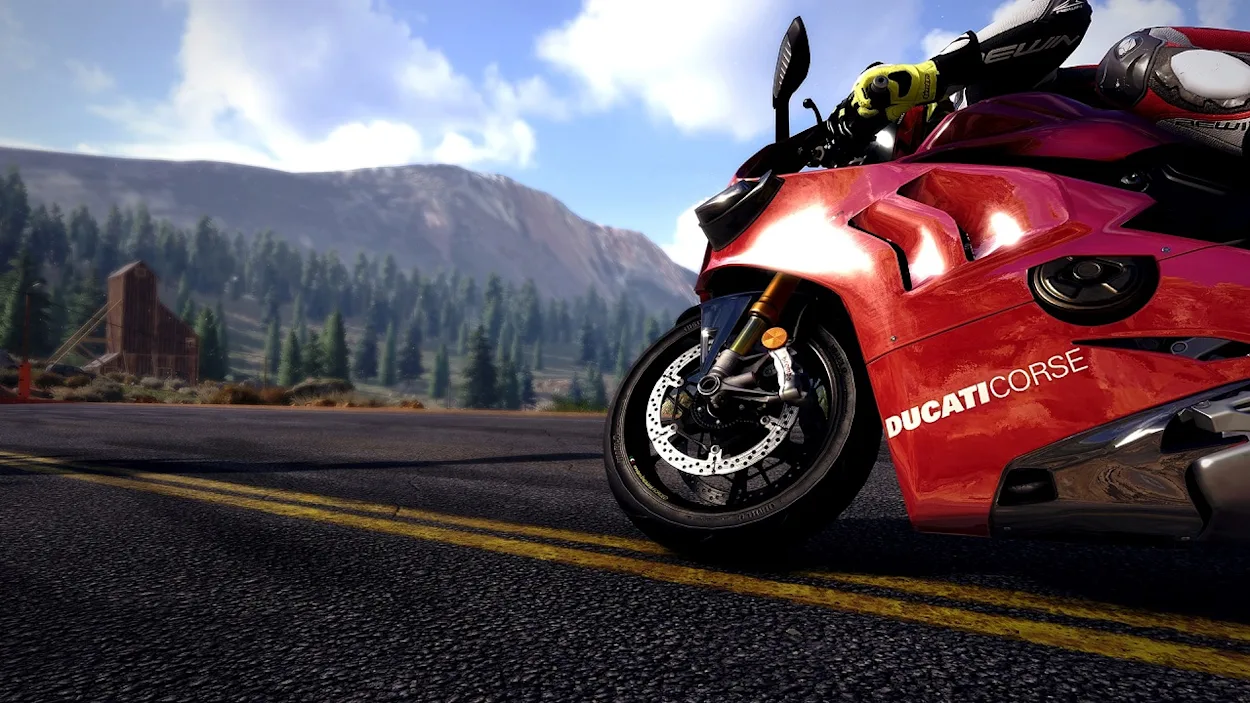
RiMS Racing includes iconic motorcycles from leading manufacturers and faithfully recreated real-world racing circuits. These official bikes and tracks give the simulation a grounded competitive setting, linking the detailed mechanical systems to recognizable forms of motorcycle racing.
The combination matters because each circuit asks different questions of rider and bike. Braking zones, corner sequences, and acceleration opportunities make track knowledge valuable, while the motorcycle’s condition and setup can influence how confidently those challenges are met. Repeated sessions become opportunities to learn a venue’s rhythm and improve the balance between speed and control.
Customization options for rider gear and bike livery provide room for personal expression without changing the game’s primary focus on competitive track performance. The visual identity may be individual, but the decisive work remains in the garage and on the circuit.
RiMS Racing Switch Release and Technical Game Details
RiMS Racing was released for Nintendo Switch on August 19, 2021. It was developed by Raceward Studio and published by Nacon. Its listed genres are Racing, Simulation, and Sports, an accurate reflection of a game that combines competitive motorcycle events with detailed machine management.
The Switch release is available across Europe, USA, Asia, and Japan. Supported languages are English, French, German, Italian, Spanish, Korean, Russian, Chinese, and Portuguese. The title’s identifier is 0100E7D01517C000, its listed firmware version is v12.0.2, and its file size is 5GB.
For players drawn to technical motorcycle racing, RiMS Racing offers a focused challenge: learn the track, understand the bike, monitor its changing condition, and make each lap count toward a stronger championship campaign.
Recommended Similar Games
 ROMANCE OF THE THREE KINGDOMS XIV: Diplomacy and Strategy Expansion Pack Bundle Switch NSP XCIView Game
 Go Vacation Switch NSPView Game
 Tropico 6 – Nintendo Switch Edition NSP XCIView Game
 Amnesia: Later x Crowd Switch NSPView Game
 AO Tennis 2 Switch NSPView Game
 Summer Games Challenge Switch NSPView Game