Atelier Escha & Logy: Alchemists of the Dusk Sky DX Switch NSP XCI

Report Link Error
Select the broken download file, then submit the report.
Screenshots
About Game
Atelier Escha & Logy: Alchemists of the Dusk Sky DX Switch NSP XCI brings Koei Tecmo’s role-playing game to Nintendo Switch in a January 14, 2020 release. Set within the Dusk series, it combines exploration, item synthesis, turn-based combat, and a story shaped by a world trying to understand its own slow decline. The result is an adventure with a gentle rhythm, but one that asks players to think carefully about resources, objectives, and the time available to pursue them.
Atelier Escha & Logy DX on Switch: Game Overview
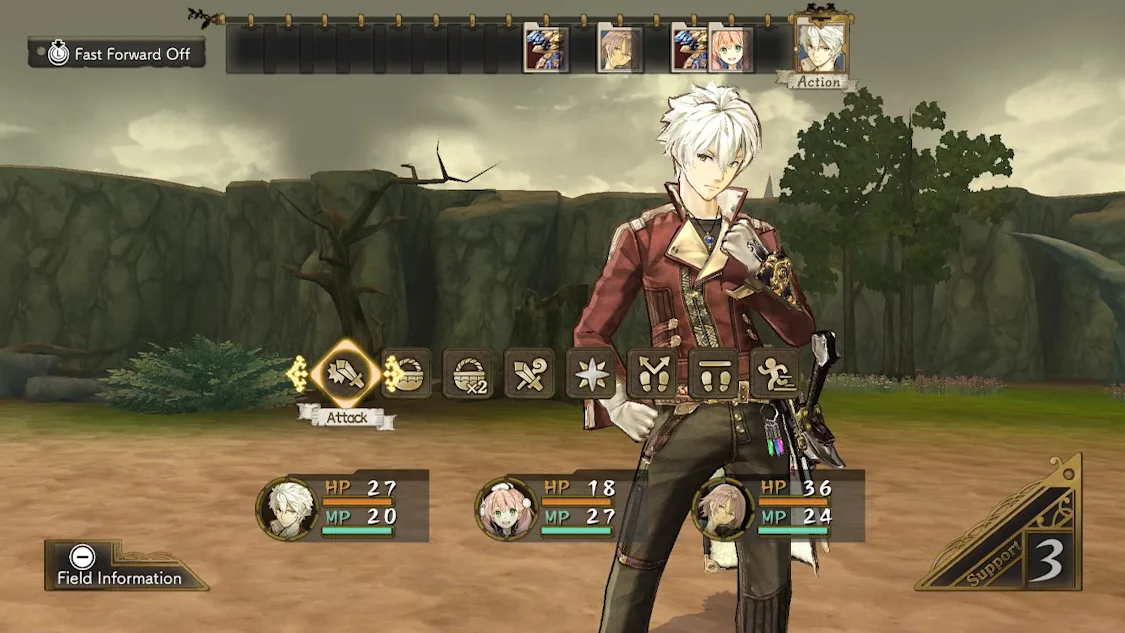
Developed and published by Koei Tecmo, Atelier Escha & Logy DX Switch is an English-language RPG for the USA and EUR regions. Its central activities are familiar to the Atelier format: collect ingredients, combine them through alchemy, visit new locations, take on requests, and use crafted items in strategic battles.
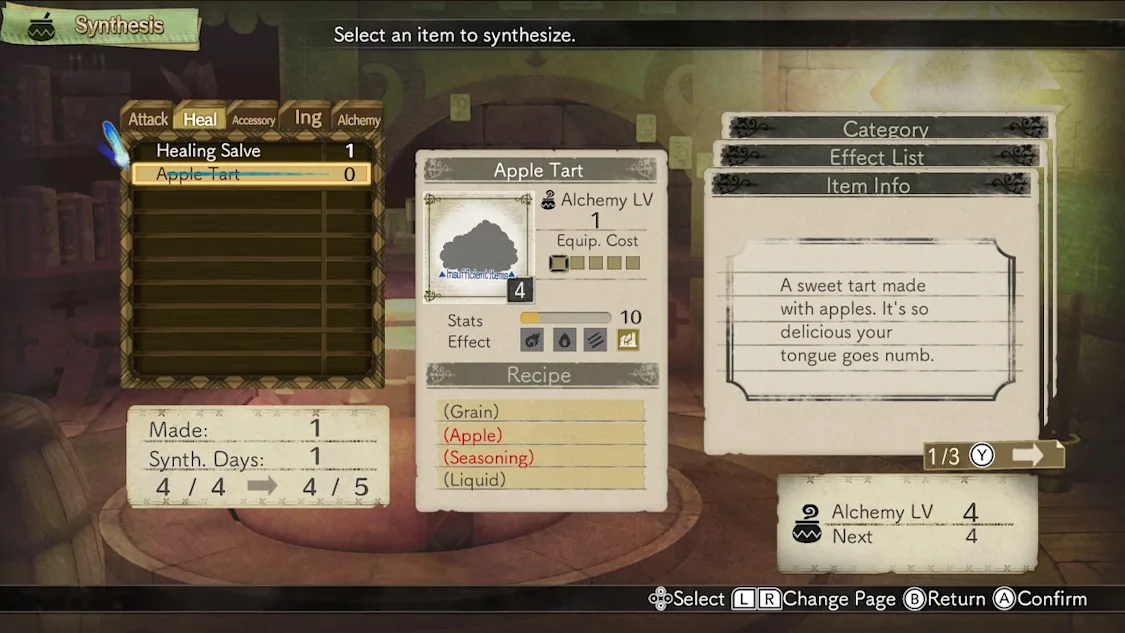
What gives this Dusk series entry its particular identity is the meeting of two approaches to problem-solving. Alchemy remains fundamental, yet it exists alongside engineering, development work, and an ongoing investigation into the condition of the world. The game’s structure gives those ideas practical weight. Exploration is not simply sightseeing; it feeds synthesis. Synthesis is not a detached crafting diversion; item quality and traits can influence what players bring into combat and how they prepare for objectives.
The DX edition includes faster combat and additional costumes, adjustments that support a smoother return to the game’s routines. Its appeal lies less in constant spectacle than in the steady satisfaction of making useful discoveries, improving equipment and items, and watching a large cast develop through story events.
A Fading World and the Mystery of the Dusk
The Dusk series imagines a world in gradual decline. Humanity does not yet possess a clear answer for the phenomenon known as the Dusk, but people continue to search for one through new technology, older knowledge, and expeditions into places that may hold clues. That uncertainty gives the mystery of the Dusk a quiet presence throughout the story.
Colseit is part of a world still moving forward despite its fears. The atmosphere balances melancholy with purpose: the landscape and the wider crisis suggest loss, while the people working to understand it provide a sense of optimism. The Dusk Sky story is therefore not defined solely by danger. It is also about cooperation, curiosity, and the belief that a future can be built even when the present is fragile.
This tonal contrast suits the game’s everyday structure. Gathering materials and filing reports may sound modest beside the fate of a fading world, but that is part of the point. Progress comes through practical effort as much as grand revelations.
Escha Malier and Logix Ficsario’s Shared Mission
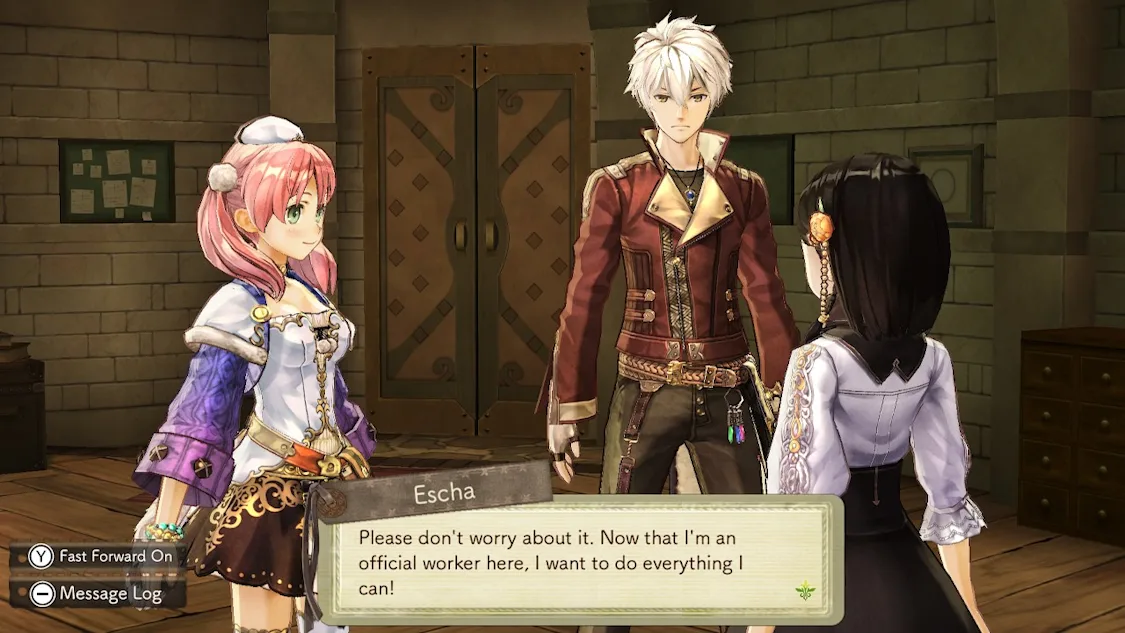
Escha Malier is a cheerful alchemist from the rural development department. Logix Ficsario, known as Logy, arrives from the Central as an alchemist and engineer. Together, they join the Colseit development team, where their work leads them toward unexplored ruins and the unanswered questions surrounding the Dusk.
Their partnership is built on contrast without reducing either character to a single idea. Escha’s methods are rooted in traditional alchemy, while Logy brings modern alchemy and engineering to the same problems. Those different disciplines shape the journey’s perspective and give the group more than one way to approach the challenges in front of it.
Their mission reaches beyond routine development work. As they investigate ruins and pursue evidence about the world’s decay, they uncover information tied both to the Dusk and to their own growth. The narrative’s character-driven side matters because the wider mystery is filtered through friendships, shared responsibilities, and the bonds formed during the team’s work.
Dual Protagonists and Two Story Perspectives
The dual protagonist system gives players a meaningful choice at the beginning of the adventure. Choosing Escha or Logy provides a different viewpoint on the same broad journey, with distinct skills, insights, and character-focused events. The central situation remains shared, but the route through it is not identical.
The Escha perspective emphasizes her place within the local development work and her traditional approach to alchemy. The Logy perspective brings the outlook of a specialist sent from the Central, as well as his connection to engineering and modern alchemical practice. These differences give each lead a separate texture rather than treating the second choice as a minor variation.
For players interested in replay value, the two viewpoints offer a clear reason to return. Character events and protagonist-specific details encourage a second pass through the story, while the contrast between Escha’s and Logy’s skills can also affect how players think about preparation and strategy. Atelier Escha & Logy: Alchemists of the Dusk Sky DX Switch NSP XCI is therefore especially suited to players who enjoy seeing a shared premise from more than one personal angle.
Quarterly Reports, Tasks, and Time Management
Story advancement is organized through a task-based progression system. Players receive objectives and work toward quarterly reports, creating a framework that gives each period a practical focus. The structure keeps the adventure moving while still leaving room for exploration, synthesis, requests, and character interactions.
That freedom comes with a need for time management. A trip to gather materials can support future crafting, but it also uses time that might otherwise go toward a request or a report objective. Synthesis can produce powerful tools for combat, yet spending too long in preparation may delay other priorities. The game asks players to weigh those choices rather than treating every activity as equally urgent.
This is where the game’s systems connect most effectively. The task list provides direction, gathering supplies the workshop, the workshop supports combat and exploration, and successful expeditions open more opportunities. Players who enjoy organized progression and clear short-term goals should find the quarterly report structure rewarding.
5 Practical Priorities for a Strong Start
- Gather regularly. Make ingredient collection part of normal exploration. Materials are the foundation for synthesis, so maintaining a useful supply helps prevent later preparation from becoming rushed.
- Read traits and quality. Crafted items are shaped by more than their names. Pay attention to item traits and quality when synthesizing, since these details affect the final result and can matter in battle.
- Track report objectives. Quarterly reports guide task-based progression. Check the current objectives before committing time to optional work, particularly when several activities compete for attention.
- Budget your days. Exploration, synthesis, and requests all demand time. A balanced schedule is more reliable than concentrating on only one activity for too long.
- Use both leads thoughtfully. Escha and Logy bring different strengths, skills, and perspectives. Let their traditional and modern approaches inform preparation, events, and a later playthrough from the other protagonist’s side.
With its measured pacing, synthesis-focused preparation, and character-led mystery, the game is a natural fit for RPG players who enjoy planning as much as combat. Its world is troubled but not hopeless, and its strongest moments come from the way small acts of development, discovery, and cooperation gradually contribute to a larger search for answers.