Kingdoms of Amalur Re-Reckoning Switch NSP
Report Link Error
Select the broken download file, then submit the report.


Screenshots
About Game
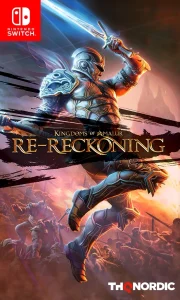
Kingdoms of Amalur Re-Reckoning Switch NSP is the USA Nintendo Switch edition released on March 16, 2021. Published by THQ Nordic and developed by Kaiko, it brings an enhanced action-adventure RPG to the system with a large fantasy setting, real-time battles, character-building choices, and a story built around an unusual second chance at life.
A Switch Edition Overview of Kingdoms of Amalur Re-Reckoning
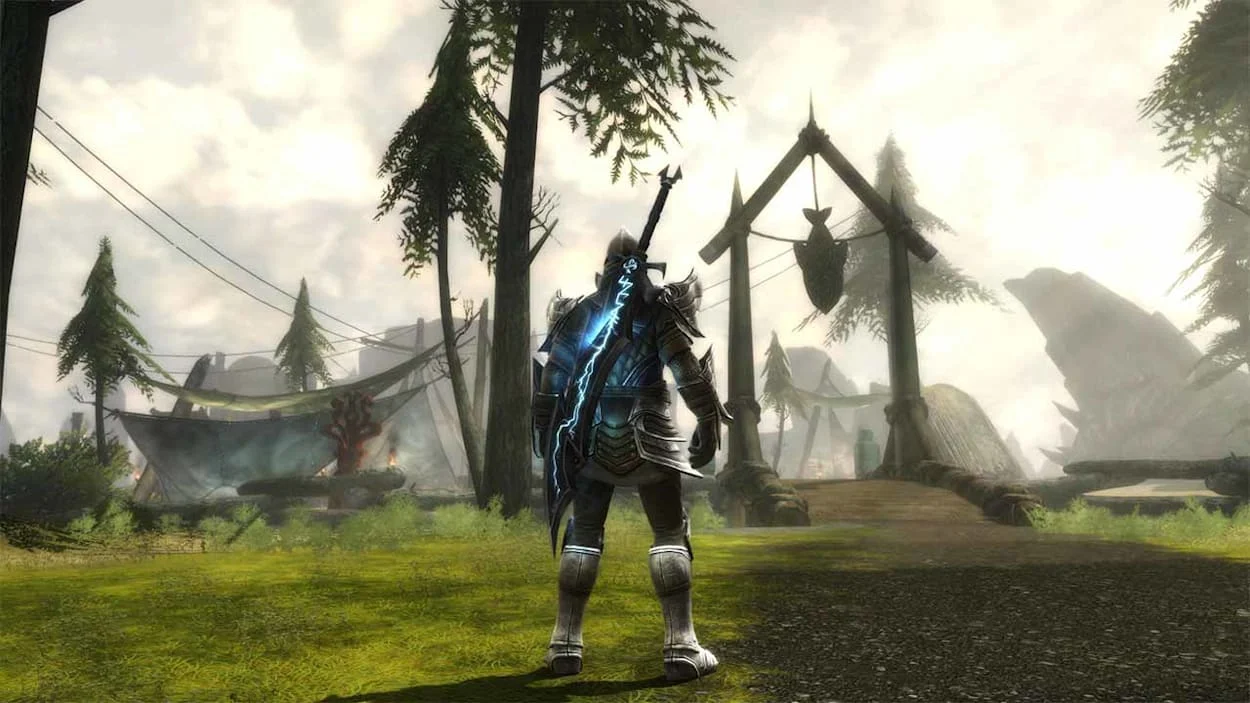
Amalur is a realm shaped by magic, conflict, and old powers whose influence reaches into every region. On Nintendo Switch, the game presents its quest-driven world as a portable adventure without losing its emphasis on combat and exploration. Forests, deserts, icy mountains, ruins, settlements, and dangerous interiors give the journey a varied sense of place.
The Switch release supports English, German, Spanish, French, Italian, and Russian. Its 12GB file size reflects the scale of an adventure that includes a broad world, numerous quests, dungeons, faction storylines, equipment systems, and several ways to develop a character. Kaiko’s version is positioned as an enhanced return to Amalur, giving new players a direct route into its setting while providing returning players another chance to revisit the Faelands.
The presentation is especially suited to players who enjoy moving between story missions and optional diversions. A main objective can lead toward the larger war affecting Amalur, while a nearby cave, chest, side quest, or faction contact can pull attention elsewhere. That structure gives the game room to feel adventurous rather than narrowly linear.
Fate, Free Will, and the Future of the Faelands
The Kingdoms of Amalur story begins with the player character awakening as the Fateless One. Revived through the Well of Souls, this figure has escaped death but also lacks a past. That condition is more than a mysterious origin: it makes the hero unusual in a world where fate carries tremendous weight.
The central tension is fate versus free will. The Fateless One can reshape destiny, a power that places individual choice against the established patterns governing others. As the Winter Fae, led by Gadflow, wage war across Amalur, the question is not simply how to survive. It is whether a person freed from a predetermined path can influence the future of the Faelands.
This premise gives the setting’s magical and political conflicts a personal angle. The protagonist must investigate the circumstances of their rebirth while confronting an ancient threat. The narrative’s stakes grow from the link between that private mystery and the wider struggle between mortal races and the immortal Fae. It is a fantasy story interested in consequence, identity, and the possibility that destiny can be changed rather than merely accepted.
An Ordered Guide to Core Combat Techniques
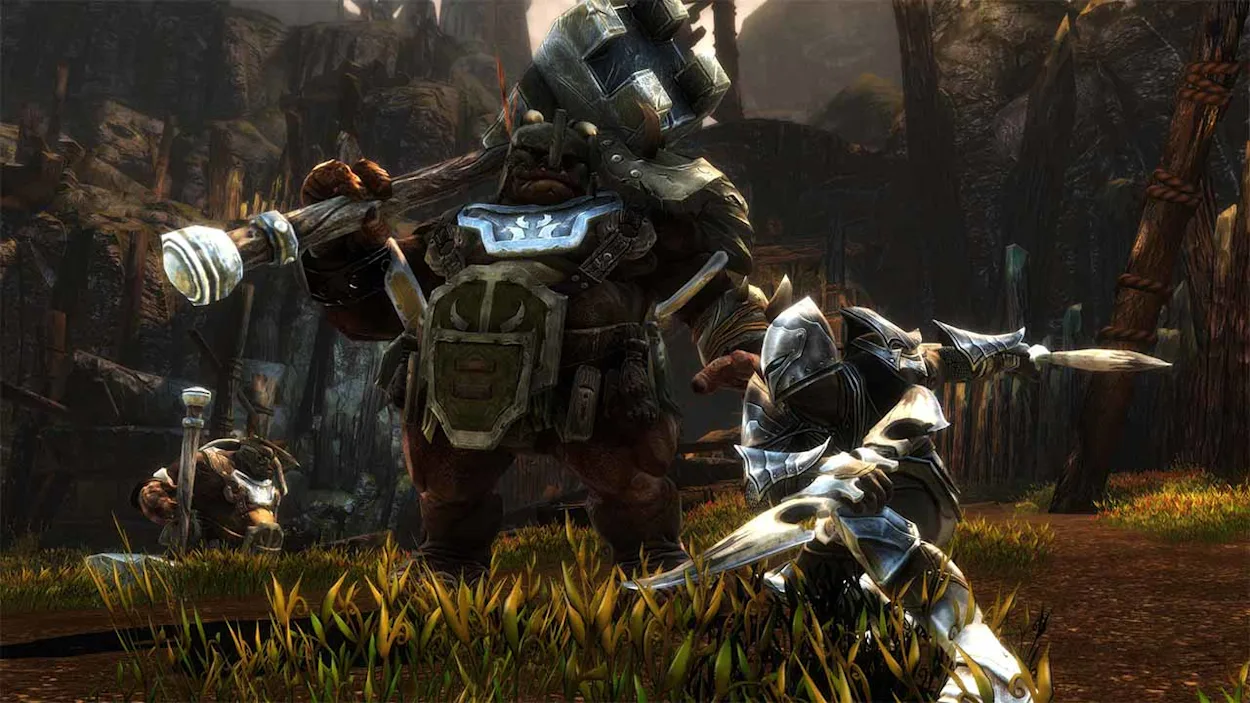
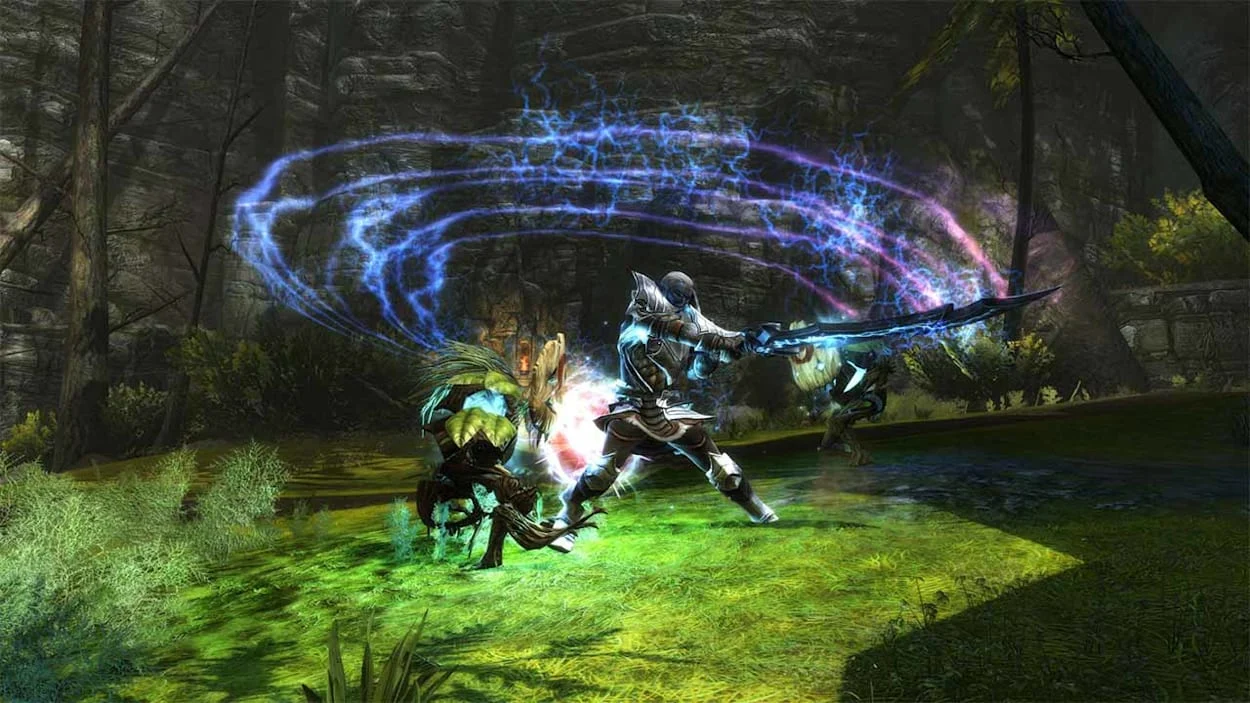
Combat moves quickly and combines might, finesse, and sorcery. Rather than treating a character as permanently locked into one role, the game allows players to blend approaches through three skill trees and alter their Destiny Card to re-spec. The result is a system that encourages experimentation, but it still rewards a clear grasp of defensive timing and offensive momentum.
- Choose a direction. Build around Might, Finesse, Sorcery, or a mixture of the three to establish a combat style that fits the weapons and abilities you enjoy using.
- Keep weapons and magic active. Real-time fights work best when close-range attacks, ranged options, and magical abilities are treated as connected tools rather than separate systems.
- Dodge early. Dodging creates space from incoming attacks and helps maintain control when several foes close in at once.
- Parry with purpose. Parrying is most useful when an enemy’s attack can be read clearly, turning a defensive moment into an opening.
- Build toward Fateshift. Devastating Fateshift attacks are a major payoff in difficult encounters, making them an important part of combat priorities.
That rhythm makes battles feel less like simple exchanges of damage and more like active positioning. Players can refine a preferred build over time, then change course when a different combination of abilities sounds more appealing. The Destiny system gives progression a replay-friendly quality because another playthrough can approach combat from a different angle.
Exploring Amalur’s Regions, Dungeons, and Side Quests
Amalur exploration moves across a broad fantasy landscape. Lush forests contrast with arid deserts, while icy mountains and ancient ruins add a harsher, more mysterious mood. These locations are not merely visual changes; they frame quests, lore, creatures, hidden secrets, and encounters that encourage players to look beyond the immediate path.
As an open world RPG, the game makes room for detours. Side quests offer additional stories and objectives, while dungeons provide enclosed spaces for combat, discovery, and loot. Chests and fallen foes can supply useful items, and faction storylines provide another reason to follow leads outside the main conflict.
This is where the game’s scale supports replay value. A player focused on the central narrative may take a different route through the world than someone who spends more time uncovering dungeons and completing side content. The range of environments also helps preserve the atmosphere of a land with many cultures, histories, and magical dangers rather than a single repeated backdrop.
Factions That Deepen Amalur’s Political and Magical World
Amalur’s conflicts are not limited to the Winter Fae and their campaign of war. The setting also includes the noble Summer Fae, the secretive mages of the Scholia Arcana, and the formidable Warriors of the Dales. Each faction adds another perspective to the world’s tensions and to the history surrounding the Faelands.
The Summer Fae connect the narrative to the immortal Fae and their place in the realm’s larger struggle. The Scholia Arcana brings a magical and scholarly presence, while the Warriors of the Dales introduce another force within the region’s political landscape. Their storylines, conflicts, and clues help make Amalur feel inhabited by groups with their own concerns rather than populated only by enemies and quest markers.
For players drawn to lore, these factions are an important part of the appeal. They deepen the game’s fantasy atmosphere and give the Fateless One more reasons to become involved in events beyond personal survival.
Crafting, Alchemy, Loot, and Gear Enhancement
Progression continues outside direct combat through crafting, alchemy, loot, and gear enhancement. Players can create weapons, armor, and accessories, brew potions and poisons, and use equipment choices to support their selected skills and abilities. These systems make preparation part of the adventure rather than something handled only after a battle ends.
Loot comes from sources including fallen foes and chests, creating a steady reason to inspect dungeons and explore off the main route. Gems and enchantments offer ways to improve equipment, allowing a useful item to be developed further instead of immediately discarded.
Kingdoms of Amalur Re-Reckoning Switch NSP is therefore best suited to players who want action combat with RPG customization, a substantial fantasy world to roam, and many opportunities to shape both a character build and a personal route through Amalur’s quests.